Articles Written By: jhhd2026@pomona.edu

Harnessing the Power of Fusion

Alex Zylstra ’09 at Pacific Fusion where he works as a nuclear fusion energy scientist.

Alex Zylstra ’09 and Pacific Fusion are working to bring the energy that powers the sun’s core down to Earth.
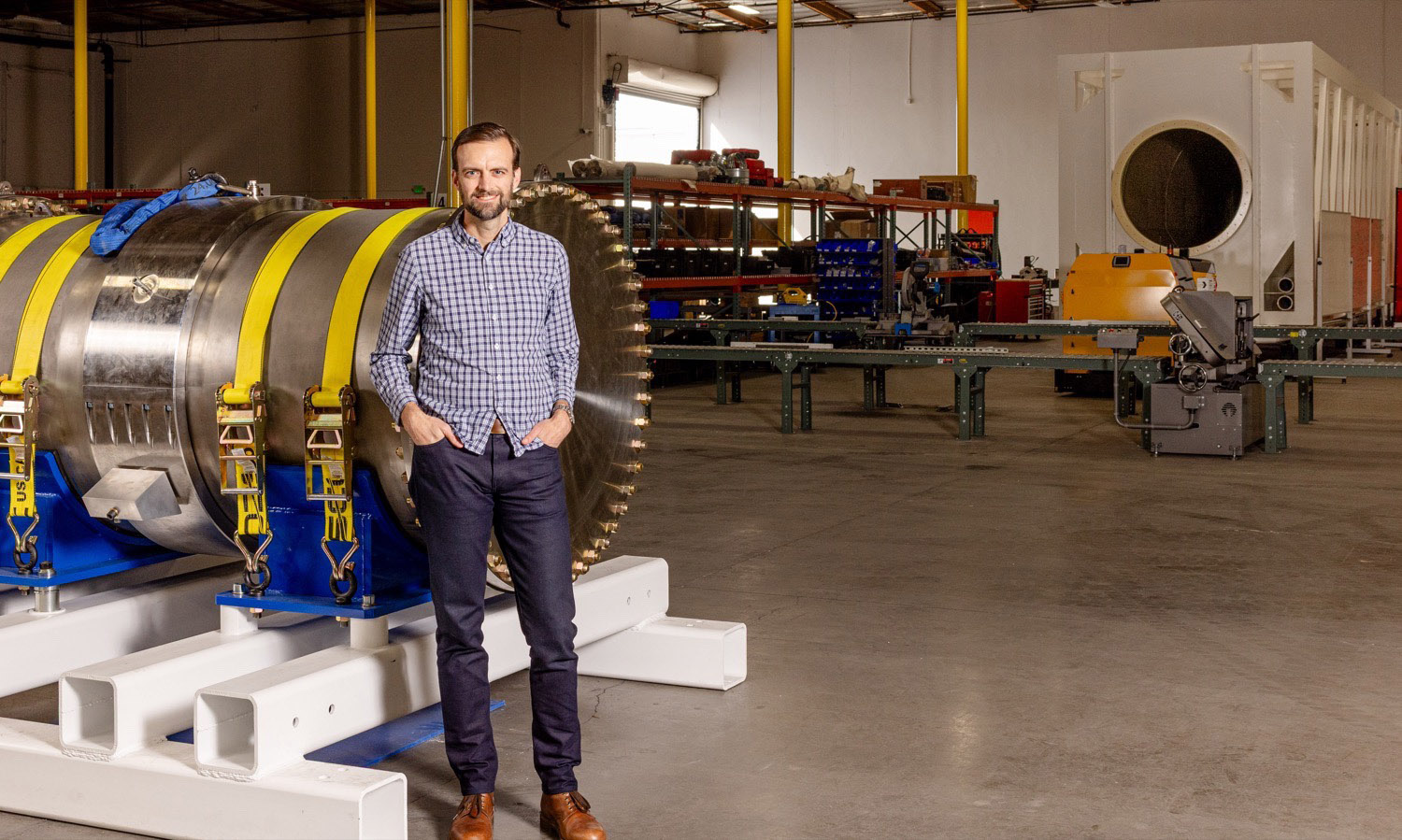
Alex Zylstra ’09 at Pacific Fusion where he works as a nuclear fusion energy scientist.

Alex Zylstra ’09 at Pacific Fusion where he works as a nuclear fusion energy scientist. Photo courtesy of Nicola Parisi ’12

Bay Area startup Pacific Fusion is developing a new technology that fires powerful electric pulses in a millionth of an eye-blink, lighting up magnetized fuel to generate fusion energy.

And they’re doing it with the help of Alex Zylstra ’09, the small-but-growing company’s experiments lead. Already, they’ve made significant strides toward ultimately building a commercial reactor with this futuristic energy source.

“When I started out, the mentality in the fusion community was that this is still a research project. There’s this joke that fusion is always decades away,” Zylstra says. “That has actually changed a lot.”

Nuclear fusion, which involves smashing atoms together at high temperature and pressure, is the same kind of energy that has powered the sun for 5 billion years. Researchers have long dreamed of harnessing fusion on Earth, a lofty goal that might one day provide nearly limitless, nearly carbon-neutral energy around the world. “Fusion has always been a sort of holy grail thing,” Zylstra says.
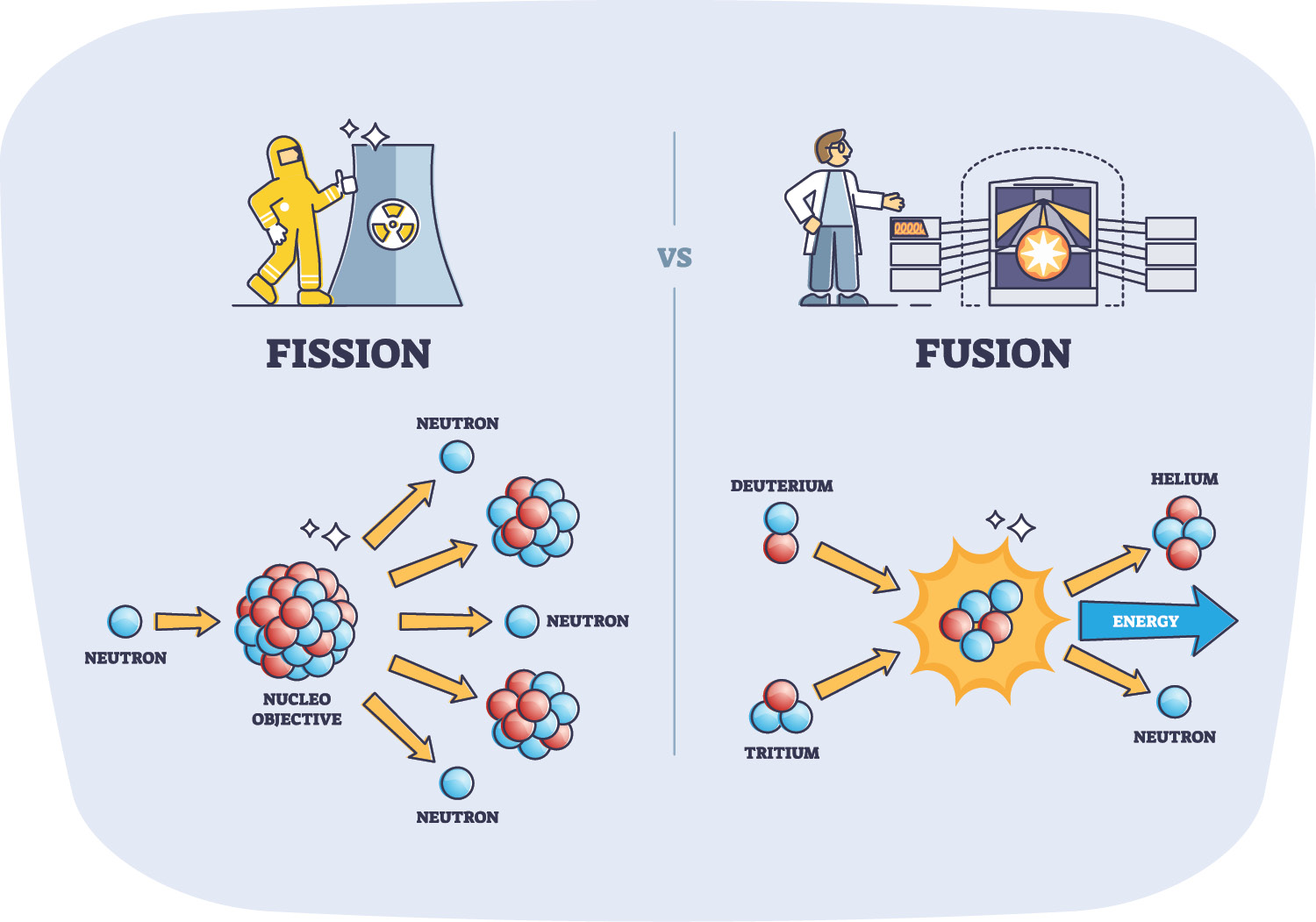
Diagram comparing nuclear fission vs fusion, showing fission splitting a nucleus and fusion combining deuterium and tritium.

Illustrated comparison labeled “FISSION” vs “FUSION.” On the left, fission shows a neutron striking a “NUCLEO OBJECTIVE,” splitting it into smaller nuclei and releasing multiple particles labeled “NEUTRON.” On the right, fusion shows “DEUTERIUM” and “TRITIUM” combining to form “HELIUM,” releasing “ENERGY” and a “NEUTRON.”

Zylstra leapt onboard the fusion industry at a fortuitous time. Over the past few years, the fusion private sector has exploded in growth, transforming from a handful of hopeful startups into a multibillion-dollar industry promising to become the next big energy source, with the potential to join the ranks of other expanding clean energies, especially wind and solar. Pacific Fusion alone raked in $900 million in its 2024 funding round, one of the largest to date, and a sign of lofty expectations for commercial fusion.

Alex Zylstra ’09 at Pacific Fusion where he works as a nuclear fusion energy scientist. Photo courtesy of Nicola Parisi ’12

Zylstra’s career path has taken a few twists and turns, as he ventured from Pomona to national labs, and now to Pacific Fusion. The scientific and engineering challenges of making fusion a reality particularly excite Zylstra. “I’m also kind of a big sci-fi nerd, and it’s kind of a sci-fi problem,” he says, noting that Lawrence Livermore National Laboratory’s National Ignition Facility, where he previously worked, was used as a set for the 2013 movie Star Trek Into Darkness.

The prospect of nuclear fusion as a sustainable energy source comes as ongoing global warming brings devastating wildfires, floods, droughts and heat waves, while many countries struggle to reduce their greenhouse gas emissions. “Personally, I’m passionate about developing new sources of energy, motivated by climate change,” Zylstra says, referring to it as “an enduring challenge for humanity.”

The United States, whose withdrawal from the Paris Agreement took effect in January 2026, previously pledged to achieve net-zero emissions by 2050. That means leaving most remaining fossil fuels in the ground, while shifting to new energy sources. The clean energy transition is not without its own dilemmas, however, considering the environmental and health impacts of mining for rare earths and critical minerals, the intermittency of wind and solar energy, and the rapidly growing energy demands of the tech industry’s controversial AI data centers. But perhaps, eventually, fusion energy could play a major role in that transition.

Considering that no one can re-create the sun’s gargantuan gravitational forces on Earth, labs and fusion companies typically have two ways to produce fusion energy. Researchers first need plasma, an extremely hot gas-like matter where the atomic nuclei shed their electrons. To generate the plasma, researchers heat heavy hydrogen fuel—usually deuterium or tritium—to 100 million degrees Celsius or so and keep that fuel confined and compressed densely enough for fusion to occur. A typical fusion reaction fuses fuel particles into helium nuclei, and the excess mass turns into energy.

One of the main approaches to producing fusion involves magnetic confinement, using powerful magnetic fields to manipulate the plasma and maintain fusion reactions, in a doughnut-shaped reactor called a tokamak or one with a twisted structure called a stellarator. The other method, called inertial confinement, involves using powerful lasers or electric pulses to compress the fuel, igniting the plasma and producing a shock wave that enables fusion reactions. Zylstra is working on advancing that latter technique at Pacific Fusion. A few companies are also attempting to design hybrid approaches.
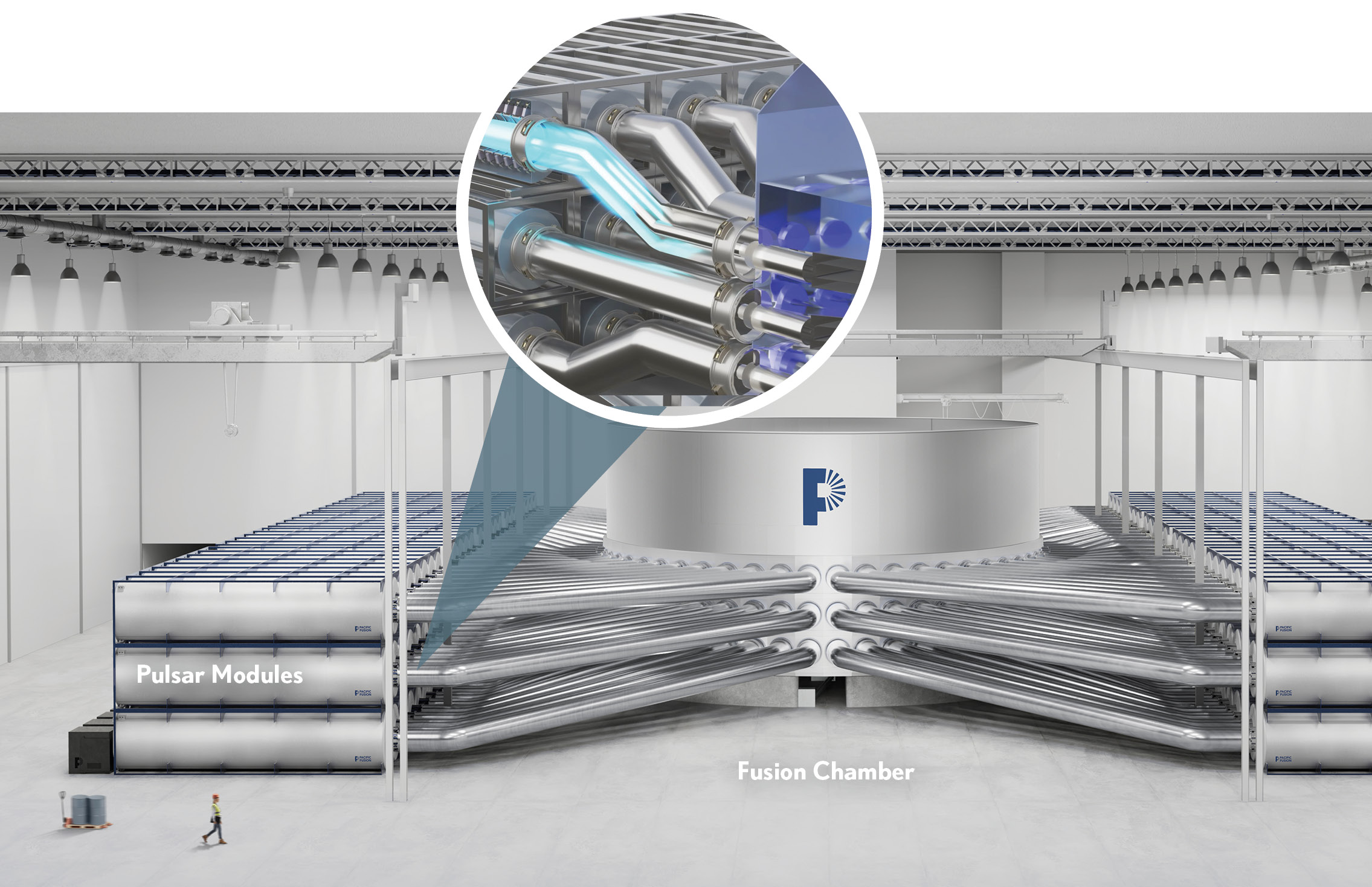
A rendering of Pacific Fusion’s reactor, which uses a method of creating nuclear fusion that employs electrical pulses to compress and heat the fuel.

Pacific Fusion’s method of creating nuclear fusion uses electrical pulses generated in pulsar modules to compress and heat the fuel. Capacitors discharge their energy toward the fusion chamber in the center.

A fusion company needs to create high temperatures for the fusion reactions, high plasma density and long confinement time, which refers to how long particles are confined within the plasma before losing their energy. Magnetic confinement focuses on producing long confinement times, while inertial confinement produces intense pressures to increase the density.

In Pacific Fusion’s approach, they start with a cylinder of fuel inside a pencil eraser-sized conducting metal container. They then drive a large electric current through it, which generates a magnetic field, and the electromagnetic interaction generates a force that compresses the fuel. It’s like a can crusher, except much more extreme, Zylstra says.
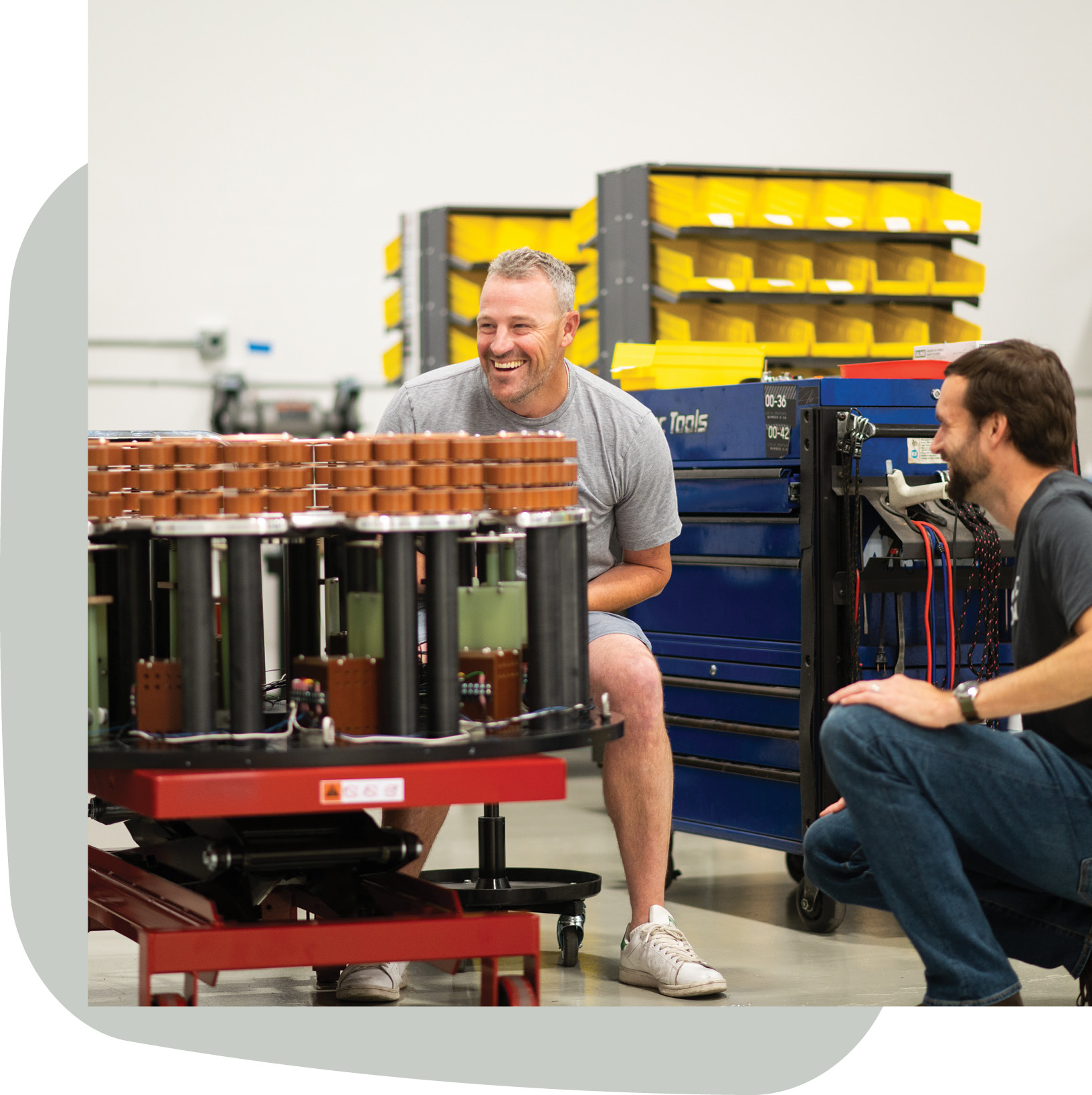
Alex Zylstra ’09 (right) with a colleague working on nuclear fusion. Photo courtesy of Pacific Fusion.

Nuclear fusion and nuclear fission sound similar, and both sometimes have associations with nuclear weapons research. (Almost all countries with multiple fusion startups also have nukes, with the exception of Germany and Japan.) But they’re rather different. Fusion refers to combining nuclei, while fission refers to breaking them apart.

For fusion, the reactions are hard to start and easy to stop, but for fission, it’s the opposite; when the reaction gets out of control, it leads to a meltdown, with safety and health risks that are well-known, thanks to the fallout of disasters like Chernobyl, Three Mile Island and Fukushima. Fission also requires environmentally harmful uranium mining and larger quantities of fuel, and it produces toxic waste that’s radioactive for millennia, while fusion only requires small amounts of tritium, which is only mildly radioactive.

As Zylstra sees it, fusion comes with some long-term challenges, such as limited global supplies of tritium for fuel, but overall, these considerations add up to huge advantages for fusion, if it can indeed become a bona fide energy source.
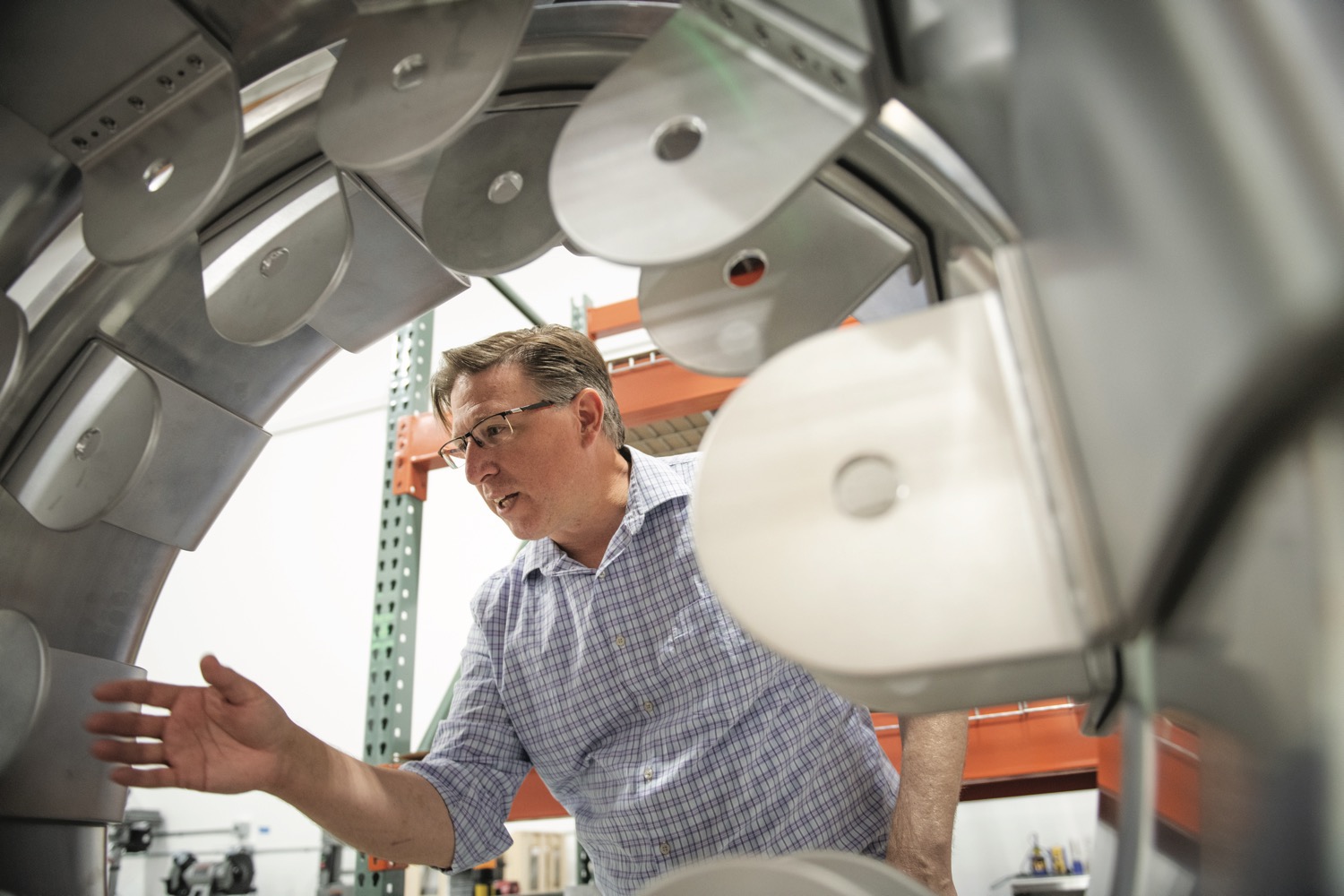
Keith LeChien, Pacific Fusion’s CTO and co-founder.

Keith LeChien, Pacific Fusion’s CTO and co-founder. Photo Courtesy of Pacific Fusion.

Fusion advocates got a massive boost from recent breakthrough experiments at Livermore that briefly produced more energy than was put in—more than 3 megajoules of fusion energy output with 2 megajoules of laser energy input—a milestone called scientific energy break even or fusion ignition. “The National Ignition Facility at Lawrence Livermore National Laboratory succeeded in achieving ignition in 2022, in great part thanks to Alex,” says Hans Herrmann, Zylstra’s former mentor at Los Alamos National Lab and now a consultant for Pacific Fusion.

After that quantum leap, funding started streaming into fusion startups, with several new companies forming, including Pacific Fusion. Now that ignition has finally been demonstrated, Herrmann believes that fusion companies will be “putting electrons on the grid” well within 20 years. That may or may not come soon enough to matter for combating global warming, but it does appear to offer an improvement over some current energy sources.

*        *        *

A historic shift has begun to take place as private sector investment in nuclear fusion—recently surpassing $10 billion—could soon outpace government funding. Fusion has expanded from the academic experiment stage to a global proliferation of companies all racing to develop commercially feasible reactors. Zylstra’s career has mirrored that shift, as he has transitioned from academia to industry.

“I consider my career to be successful if I play a role in putting fusion power on the grid.”
—Alex Zylstra

Zylstra had his first laser research experience at Pomona, learning from and working with Dwight Whitaker, a professor of experimental physics and former chair of Pomona’s Department of Physics and Astronomy. “He was outstanding, really quick to pick up how everything works. It felt like working with a colleague,” says Whitaker.

As one of Whitaker’s first thesis students, Zylstra tried to advance experiments to turn gases into a unique quantum state called a Bose-Einstein condensate. At one point, he figured out how to build an electronic box, designed so that they wouldn’t accidentally burn their detector to a crisp with the high-powered lasers. But sometimes with experiments, things don’t work, Whitaker says.

“He had the right sort of mindset to get through those difficulties. You’ve really got to take your lumps, keep moving forward and keep trying things.”

Whitaker praises Zylstra’s career path. Working in national labs and in the fusion energy industry requires becoming a multidisciplinary physicist, engineer and people manager—a rare combination of skills that Zylstra possesses, Whitaker says.

Herrmann similarly highlights Zylstra’s experimental and computational skills, which transfer well to fusion energy R&D. “He’s well-rounded and can master just about any technical problem that’s thrown at him. He’s got the most creative and brilliant problem-solving capability of just about anyone I know,” Herrmann says.

After Los Alamos, Zylstra went on to Lawrence Livermore, where he collaborated with physicist Steven Ross ’03. Their work together included an award-winning research project published in 2024 that built on the previous burning plasma experiments at the National Ignition Facility. In particular, they demonstrated the importance of symmetry, since uniformly compressing the implosion improves how much energy can be produced by such fusion reactions. Ross also compliments Zylstra on his research style. “We’re lucky to have very talented people at the lab and he fit right in: very detail-oriented, meticulous, while executing these complex experiments,” Ross says.

As ongoing investment continues to super-charge the industry, many top researchers like Zylstra have gone from labs and major universities to join startups. For example, the biggest fusion company, Commonwealth Fusion Systems, spun out of MIT, and is focused on designing tokamak reactors. First Light Fusion came out of Oxford, using an approach based on somewhat similar technology as Pacific Fusion’s, and Thea Energy spun out of stellarator research at the Princeton Plasma Physics Laboratory.

*        *        *

For Zylstra, commercial fusion is feasible in the near future, but success depends on advancing along three dimensions: sound science that builds upon work done at national labs; a plausible path based on known technology and engineering; and, of course, viable economics. “At the end of the day, if you can’t make a power plant that produces energy at an economically competitive price, then what’s the point?” he says.

Nuclear Fusion
By The Numbers


100 million°C, the temperature reached by plasma in reactors necessary to overcome electrostatic repulsion.


Nuclear energy can theoretically generate 4 million times more energy per kilogram of fuel than burning coal or oil.


To confine the plasma, some fusion devices generate electrical currents 10x a bolt of lightning (making it arguably the most complex machine ever built).


Fusion reactors use special superconductors that create compact magnetic fields by operating at roughly -196°C … which is significantly colder than the liquid nitrogen doctors use to burn off warts and skin cancers.


Pacific Fusion is now building a demonstration system in Albuquerque, and by 2030 they aim to go beyond fusion ignition and achieve “net facility gain,” where they produce more energy than is stored in the entire facility—an effort that is being led by, among others, Zylstra. They’re also working on the commercial side of things, making their fusion system modular and affordable so that it becomes possible to mass manufacture fairly simple components for easily assembling power plants. Pacific Fusion aims to have its commercial plant online in the mid-2030s.

Ultimately, a few fusion companies may find ways to successfully and economically generate energy. “It is important to have multiple efforts going, including Pacific Fusion. You never know exactly where the most perfect solutions to the engineering challenges will be,” says Keith LeChien, Pacific Fusion’s CTO and co-founder.

Other companies have similarly ambitious goals. Commonwealth Fusion wants to have its first commercial plant built and running in Richmond, Virginia, in the early 2030s. Helion Energy’s target for putting electricity on the grid is as soon as 2028. These facilities are designed to have an electricity generating capacity in the range between 50 and 400 megawatts, enough to power tens of thousands of households (or a single large data center). The race is on, even if some of these timelines turn out to be a little unrealistic.

In the meantime, other sectors of the clean energy industry have been growing. Solar and wind energy capacity continue ramping up, despite federal government recent attempts to undermine them, and they’re projected to provide most non-nuclear energy in the United States by 2050, with significant energy contributions also coming from hydropower, fission and geothermal sources. As efforts continue to advance a clean energy transition within the next decade or two, could Pacific Fusion and others in the industry transform energy generation with fusion?

“Personally, I consider my career to be successful if I play a role in putting fusion power on the grid,” says Zylstra.

Family Ties

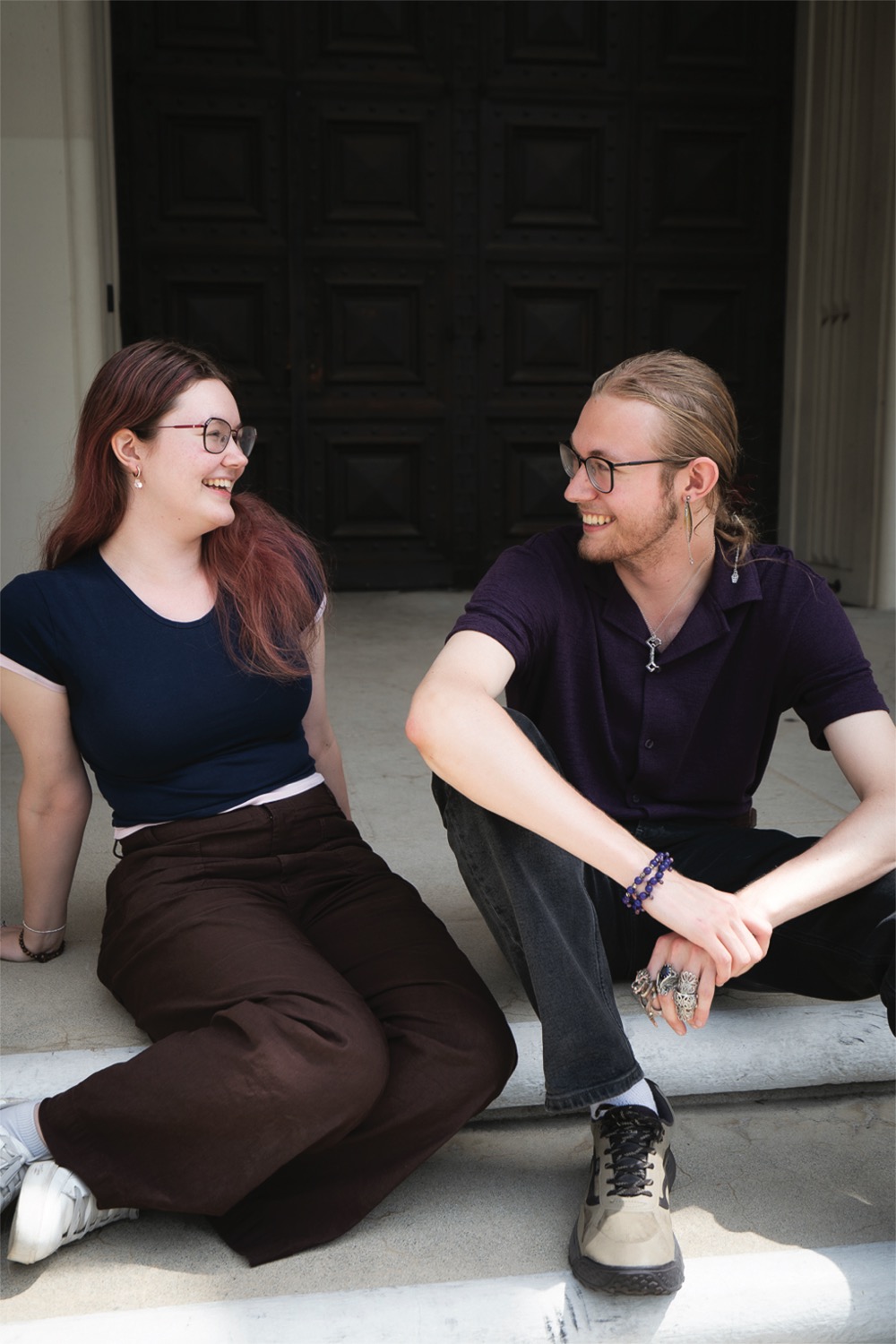
On National Siblings Day (April 10), we went looking for some Sagehen siblings on campus. We love these two pairs:


Siblings Isadora Raines-Hepple ’28, Neuroscience and Jackson Raines-Hepple ’28, Geology

Chidimma Chukwuocha ’29,
Molecular Biology; Chimuanya Chukwuocha ’28, Neuroscience

Both are QuestBridge Scholars from East Hartford, Connecticut. When Chim was matched with Pomona, Chidimma says her “heart dropped” because of how far away her sister would be. A year later, Chidimma also matched with Pomona, and Chim “was the happiest for me. She started tearing up.”


Isadora Raines-Hepple ’28, NeuroscienceChidimma Chukwuocha ’29, Molecular Biology; Chimuanya Chukwuocha ’28, Neuroscience
Jackson Raines-Hepple ’28,
Geology

The twins left Fresno, California, to become roommates here and sing in the Pomona College Choir and Glee Club together. “A lot of our mutual friends are in Glee Club,” says Jackson. “We have a lot of the same friends and a lot of different ones.”

Into the Eye

With his new documentary feature, director Miko Lim ’02 takes SXSW by storm.

Miko Lim self portraitWhen he first saw a photo of Hurricane Katrina taken by storm chaser Jeff Gammons, Miko Lim ’02 felt as if he was looking at a nebula in outer space. “I was immediately drawn to it,” says Lim, a filmmaker based in Los Angeles. “Everybody else’s work seemed to capture a lot of death and destruction, but his was such an artistic take on natural phenomena.”

Lim hired Gammons, a photographer and videographer, for a commercial he was directing, and after the shoot they kept talking. Those conversations led Lim—who has directed campaigns for Adidas, Nike and Disney and won a Clio for his short film Ocean Mother—to embark on his first feature documentary. Stormbound, which chronicles Gammons’ life and pursuit of extreme storms, had its premiere at South by Southwest (SXSW) in March, where it won the Special Jury Award for Best Feature Documentary, followed by a European debut at CPH:DOX in Copenhagen.

Lim was drawn to Gammons’ life story not only because he braved life-threatening storms and captured them in all their sublime beauty, but because he did so while battling a litany of illnesses and diseases, including spinal cancer and heart and kidney failure.

“This is a guy who’s been dealt the worst possible hand health-wise,” says Lim, “and yet he is still driven to go out into the world and see it with marvel and wonder and hope. It was very inspiring to me.”

After initial meetings with studios more interested in the newsworthy angle of the story than in the personal journey he wanted to share, Lim met Adam McKay (The Big Short, Vice), who understood his vision and signed on as executive producer. With McKay on board, IMAX quickly bought into the project, providing funding and access to the full array of IMAX cameras.

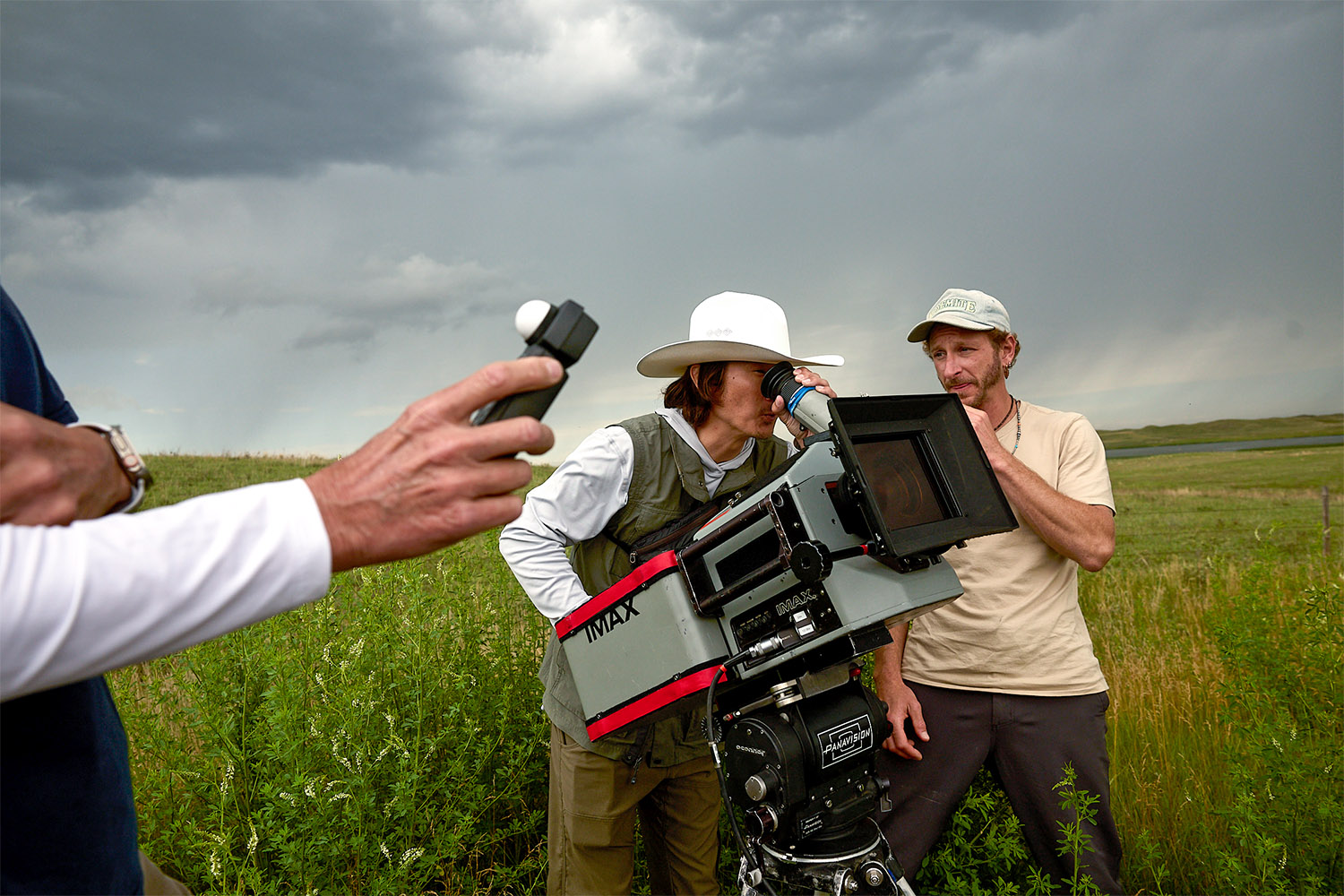
“It was a wonderfully hard experience,” says Lim. “There’s a reason why people just film these things on their phones and GoPros. We were out there lugging 80-pound cameras the size of a fridge into these storms.”

Miko Lim filming Stormbound with an IMAX camera.

Miko Lim filming Stormbound with an IMAX camera.

Using IMAX cameras was important to Lim because they are “inherently more cinematic” than digital cameras. As well as the “fun impossibility of it,” he also appreciated the taller aspect ratio, which is more similar to an old TV than the modern widescreen format.

“So much of this film is literally and metaphorically about looking up. So having a screen this high allowed us to frame things where we can still see our subjects down at the bottom, but we can see the sky opening up and exploding in front of them all in one image rather than having to pan up.”

Premiering the film at SXSW seemed fitting, he says, given that Texas is at the bottom of Tornado Alley and the documentary takes place almost entirely on the roads of the U.S.

A pre-med student at Pomona, Lim realized while doing an oncology research project at UCLA that he might not be able to handle the emotional toll of being a doctor. Having taken a creative writing elective with David Foster Wallace, he decided to tap into his artistic side and applied for a script reader job on Craigslist.

That turned out to be an internship at Angelina Jolie and Billy Bob Thornton’s production company. “I walked in blind to that, just trying out something new, and that got me into the idea of using my imagination and creating things. That gave me the bug.”

Lim still takes on occasional commercial work. It can be creatively liberating, he says, and it is also lucrative (he has three kids). Recently, he has been moving more into TV and has started writing his first narrative feature.

“I’m very interested right now in these tiny, intimate stories about people in massive worlds that feel otherworldly,” he says. “You get older and you feel like this world is such a big, magical place, and you’re so small in it, and it’s not a bad thing. Your little story is just as exciting and lovely as the story of the whole universe.”


Making Her Met Debut

Lucy Shelton ’65 takes to the famous stage for the first time at age 82.

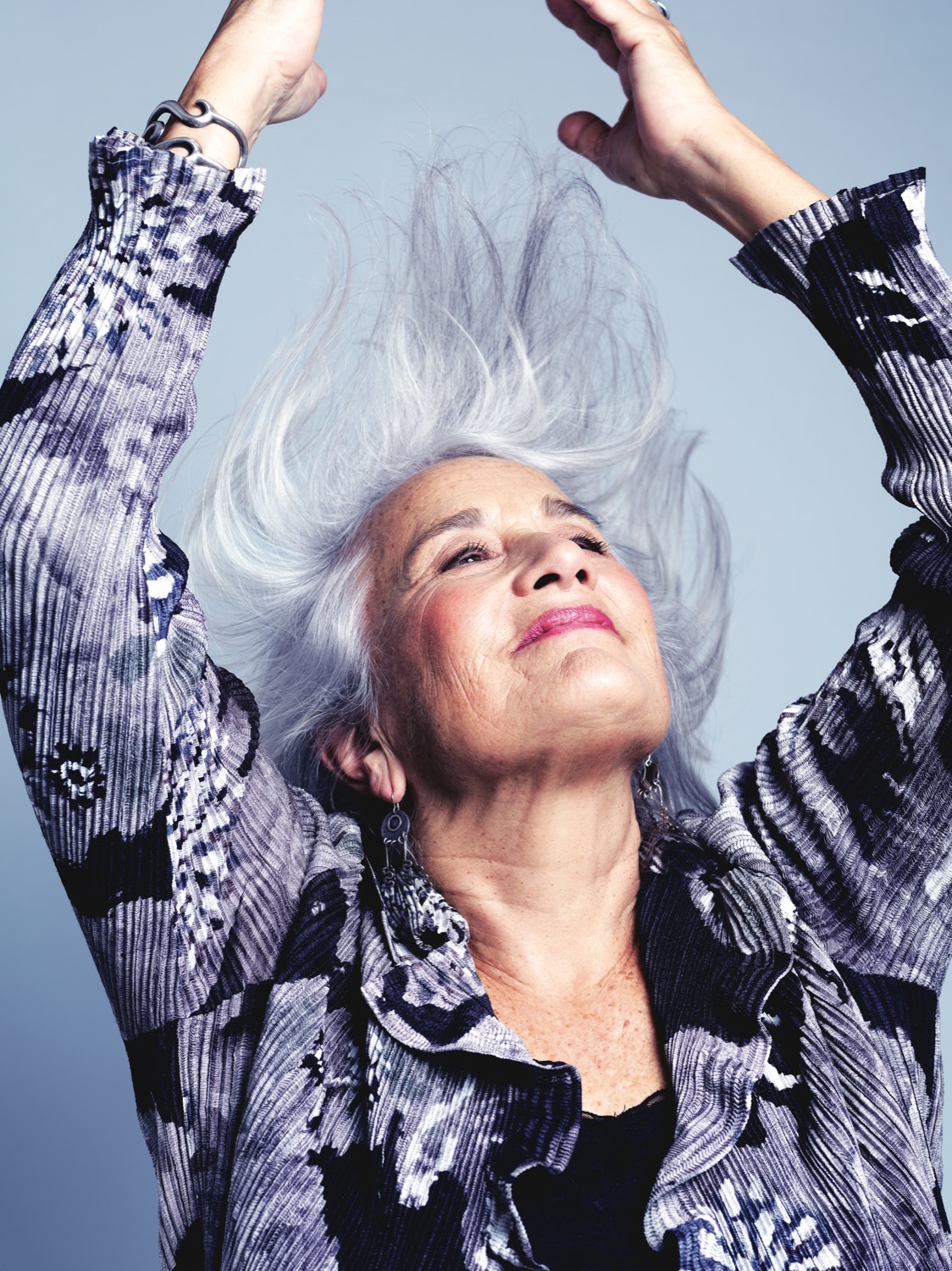
Lucy Shelton Portrait

Photo by KARJAKA STUDIOS

When soprano Lucy Shelton ’65 celebrated her 75th birthday in 2019 with a special concert in Manhattan’s Merkin Hall, she thought it might be her last public performance. Shelton, who is internationally acclaimed for her work in contemporary music, performed that night with more than a dozen colleagues and former students and sang several pieces that had been written especially for her over the years.

It could have been a fitting finale to an extraordinary career. But that’s not how it turned out. Since 2021, Shelton has sung on stages around the world—in Aix-en-Provence, Helsinki, London, Amsterdam, San Francisco and Adelaide—as The Teacher in Kaija Saariaho’s final opera Innocence and, in 2024, in a role tailor-made for her in the world premiere of Laura Kaminsky’s chamber opera Lucidity.

When Innocence, which tells the story of a school shooting and its aftermath, premiered at the Metropolitan Opera in April, Shelton made her debut at that hallowed institution at the age of 82.

Shelton’s explanation for her career’s longevity? “I simply love making music.” Beyond that, she thinks she is still able to sing “because I’ve used my voice in many different ways over all of these decades and always found ways to meet the various challenges of the repertoire.”

The distinctive feature in her dramatic role in Innocence is that it primarily uses sprechstimme (speechsong) rather than traditional operatic singing. Shelton is renowned for this expressive style developed in the early 20th century. Saariaho knew of her mastery of sprechstimme and had Shelton in mind when composing the role.

Lucy Shelton ’65 as The Teacher in Innocence

Lucy Shelton ’65 as The Teacher in Innocence

Shelton grew up in Claremont (her father was a Pomona College geology professor and grad) and music was a frequent family activity—her parents met at a music camp in Massachusetts. All five children took piano lessons and studied another instrument as well. Shelton remembers “singing rounds and Bach chorales and silly versions of Christmas carols, where we experimented with sliding between pitches and making weird dissonances. Even as a kid I loved the tension of dissonance and the beautiful release of the consonance that followed!”

After attending Vermont’s Putney School, a high school with an “extraordinary music program,” Shelton entered Pomona College. “I knew how wonderful music at Pomona was, having attended concerts at Big and Little Bridges all my life. Bill Russell, Doc Blanchard and Karl Kohn were all family friends and neighbors.”

While a music major at Pomona, Shelton played flute in the band and orchestra and sang in Choir and Glee club. She took leading roles in the annual Gilbert and Sullivan productions, garnering admiration from fellow students including Deb Hunter ’65. “I followed her because she was quite a star,” says Hunter. “She was just very special even then.”

Hunter, along with 37 other members of the Class of ’65, attended the Met production of Innocence, celebrating their classmate with a reception and dinner after the matinee performance. “I intended to go myself,” says Hunter, “and just threw out the idea at our 60th reunion.”

Debuting at the Met was never a goal for Shelton, whose calendar was already filled with exciting performing opportunities. “It was never something I had imagined or even hoped for,” she says. “I’m delighted—it is a big deal, obviously! But the main big deal is that this opera is such a stunner.”

After all those performances around the world (and she will again sing the role in Paris in November of 2027), Shelton still finds herself moved by the opera. “It is a sublimely devastating drama with astounding music from Saariaho. It still gets me.”

Four Throw Threat

William Marquart ’26 is seeing success in shot, discus, javelin and hammer.

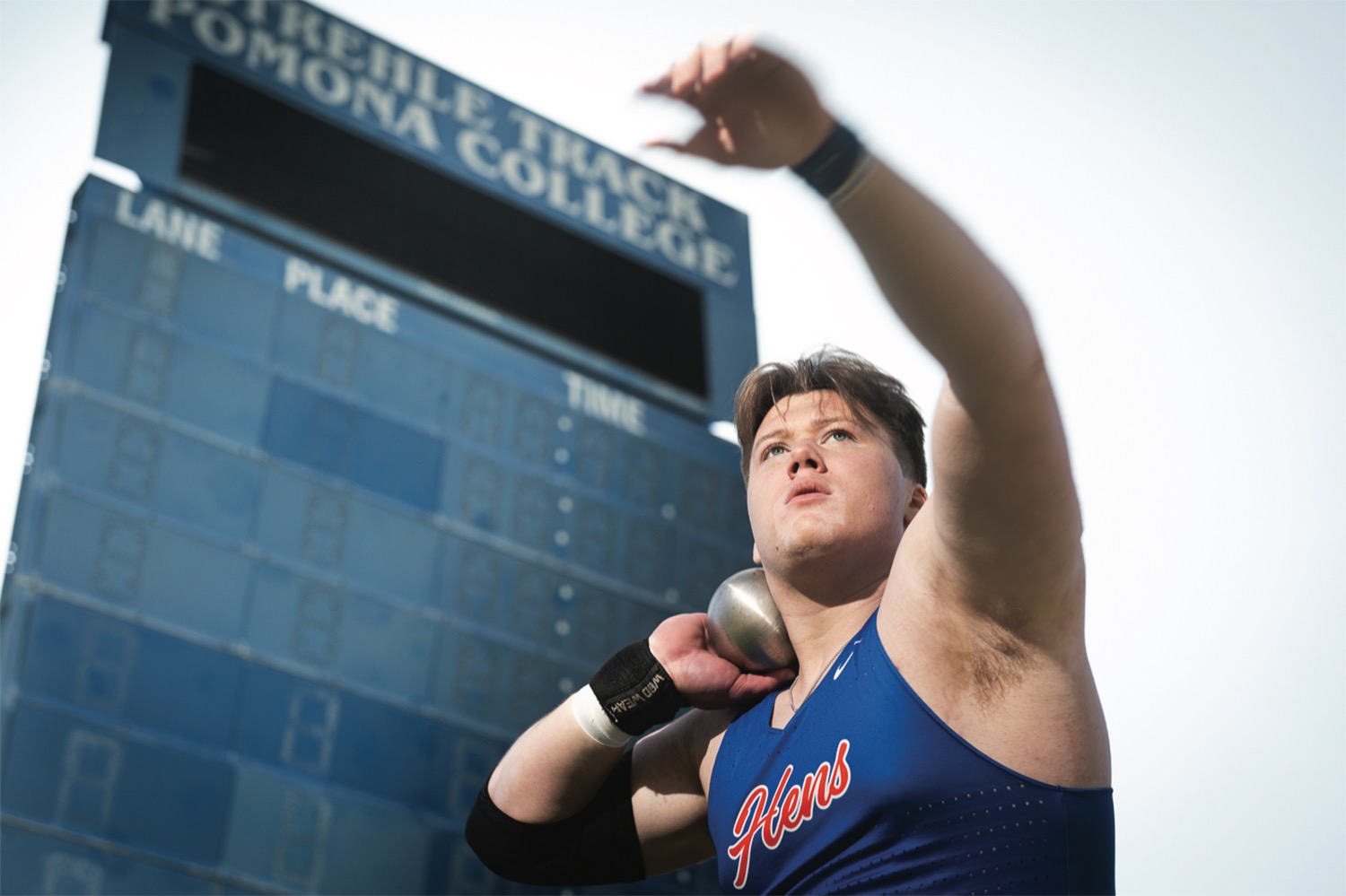
William Marquart ’26 seen throwing a track-and-field shot put

The symptoms started appearing early last fall, each more ominous than the last.

A burly lineman and thrower his first three years at Pomona, William Marquart ’26 lost 45 pounds between September and October. He’d convinced himself a stomach bug was to blame. Surely his muscle mass would return once he recovered.

But why was he having trouble concentrating? And why couldn’t he sleep? And why was his vision deteriorating? “This will all go by,” he thought.

Only when the symptoms became unbearable did Marquart go to the hospital, where he was admitted to the ICU immediately. A doctor told him it was a miracle he could still walk. “You should be in a coma right now.”

Marquart, a biology major from Woodway, Washington, was diagnosed with severe diabetic ketoacidosis, a life-threatening medical emergency requiring immediate and monitored care. Having dealt with autoimmune conditions his entire life—vitiligo, hypothyroidism—he’d gotten used to downplaying warning signs.

“But last semester everything finally caught up with me,” he says.

Once diagnosed and on the proper medication, Marquart returned to the weight room to regain his strength. Doctors recommended he limit himself to 1,300 calories a day, an impossible charge for a 280-pound athlete who needed north of 5,500 calories a day to throw competitively.

Fully healthy this past spring, Marquart was stronger than he was last May, when he became the first Sagehens thrower in 40 years to put the shot farther than 50 feet.

“A big part of throws is body awareness,” he says. “It’s making sure your body is at its peak, and you’re not just strong, but also athletic. You see plenty of strong people try and fail in these events because they don’t know how to use that strength properly.”

While throwing the shot, discus, javelin and hammer can get repetitive, Marquart used each practice in the spring to hone the quirks of his implement and avoid falling into any bad habits.

After becoming the first men’s thrower since 2017 to etch his name in the Sagehens record book last season, Marquart’s personal records in 2026 replaced program marks previously held for decades.

He reached 55’-10.5” in the shot put on March 20, a distance second only to Pomona-Pitzer Hall of Famer Ray Fogg ’75, whose record toss of 58’-10.5” in 1974 remains the oldest track and field mark in Sagehens history.

Elsewhere on the field, Marquart’s top distances in the javelin (187’-10”) and discus (151’-7”) this past spring ranked eighth and ninth all-time, respectively.

“Will brings deep thoughtfulness and explosive quickness to his throwing,” track and field coach Kirk Reynolds says. “To have success in all four throws is remarkable.”

When Marquart wasn’t refining his throwing technique, he was studying for the MCAT, which he plans to take during his upcoming gap year before applying for medical school.

At Pomona, he had the chance to do research “I would never have gotten access to until I was post-grad or a professional,” he says. “I’ve been doing research since my sophomore year, and I’m really glad I’ve been able to build connections and get out there so soon.”

“Pomona was exactly what I was looking for,” he adds. “Small school, phenomenal academics and pre-med program, amazing professors who have a personal investment in their students. This was the perfect fit.”

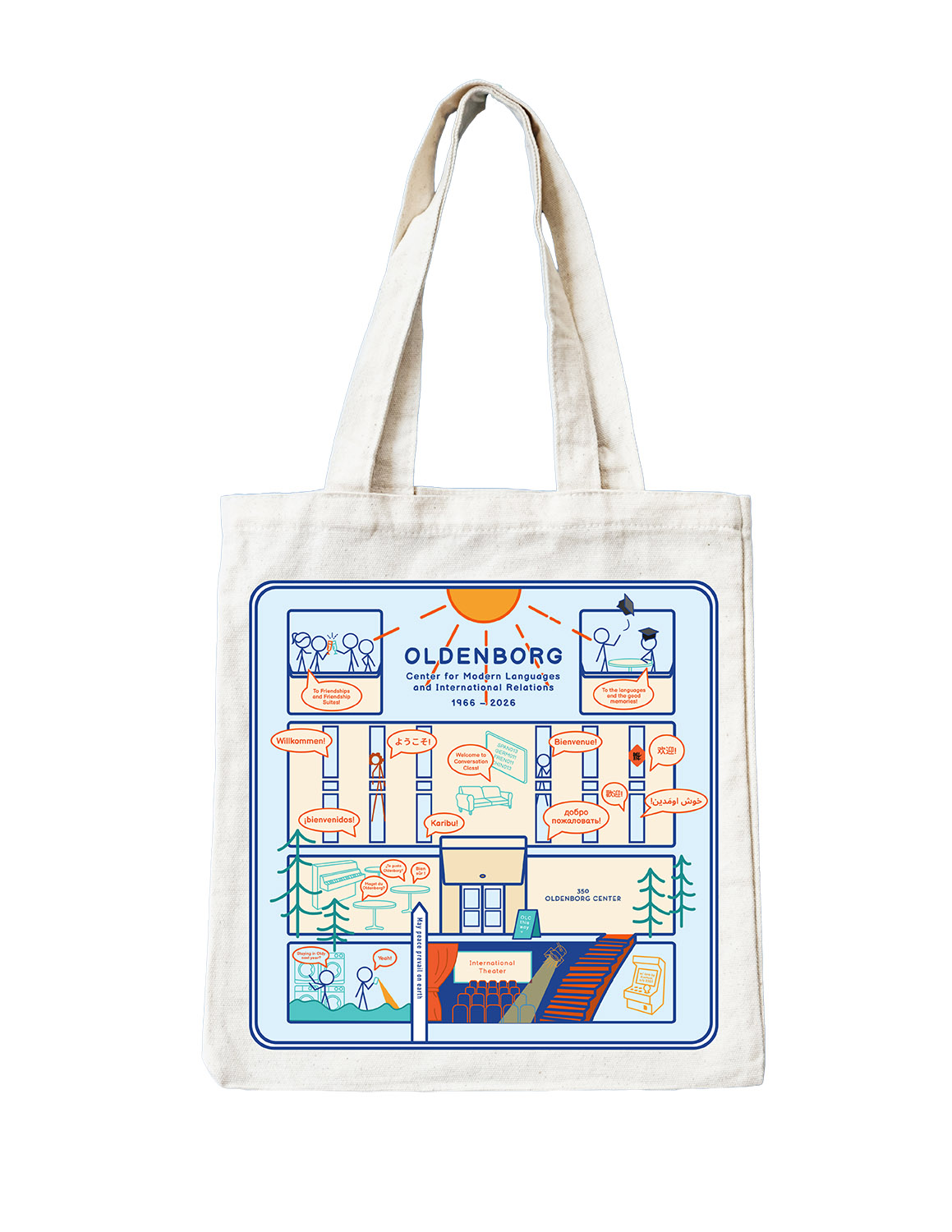
New Merch Alert

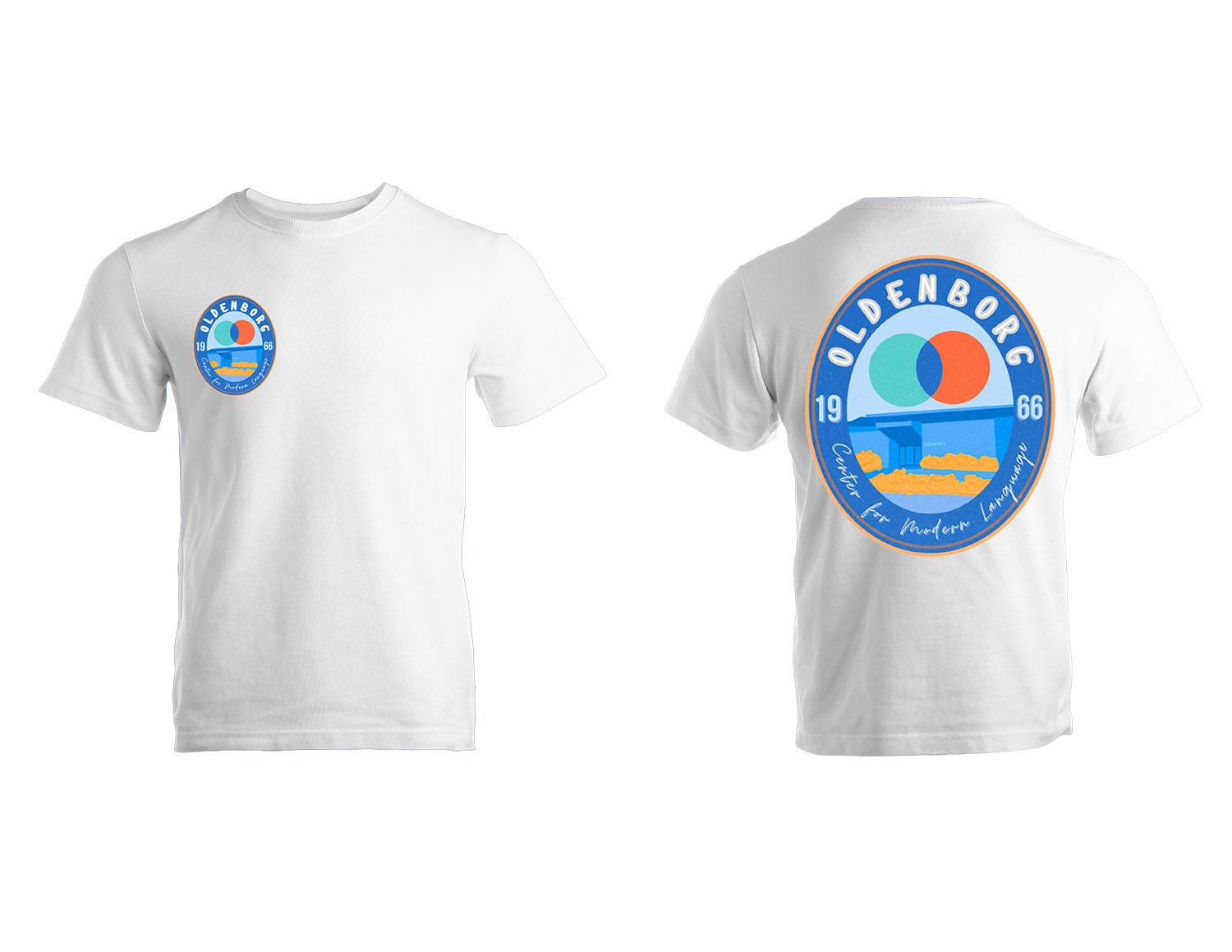
Sagehens in need of some new Pomona-themed merchandise are in luck—several new totes and tees (stickers, too) are now on sale through the Coop Store website thanks to a recent contest. Students and alums were asked to come up with either a general Pomona design or one related to Oldenborg. Seventy percent of the profits will support the College. “I was really struck by how creative the designs were,” says ASPC President Grace Zheng ’26. “Many included small, thoughtful details you would only fully appreciate as a Sagehen, which made them feel especially personal and meaningful.”

Final designs may differ slightly.

A New Center for a Changing World

Nearly a century ago, a handful of Pomona College students set sail for Asia, launching one of the nation’s earliest study abroad programs. Today, Pomona is again pioneering a new frontier in global education.

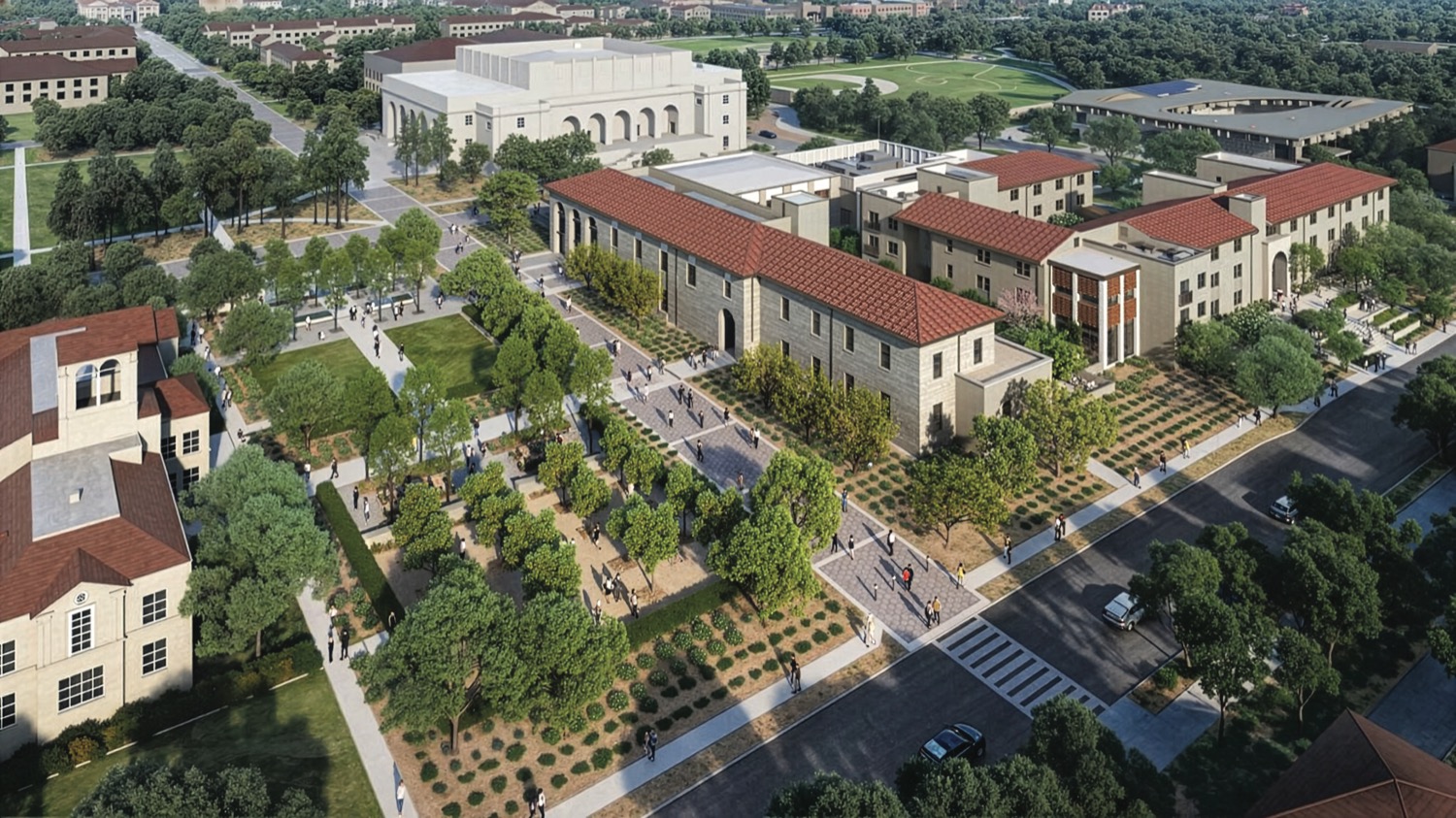
In March, the Board of Trustees formally approved construction of the Center for Global Engagement (CGE), a liberal arts laboratory and a dedicated home for students, faculty and staff to collaborate with partners on complex societal issues of local and global consequence.

Architectural rendering of the Center for Global Engagement

Architectural rendering of the Center for Global Engagement

The College’s most ambitious construction to date, the $125 million center will house 200 students and nine visiting scholars in immersive living-learning communities. It will also include academic, meeting and conference spaces alongside a forum dining hall and event space, which will host campus- and community-wide events.

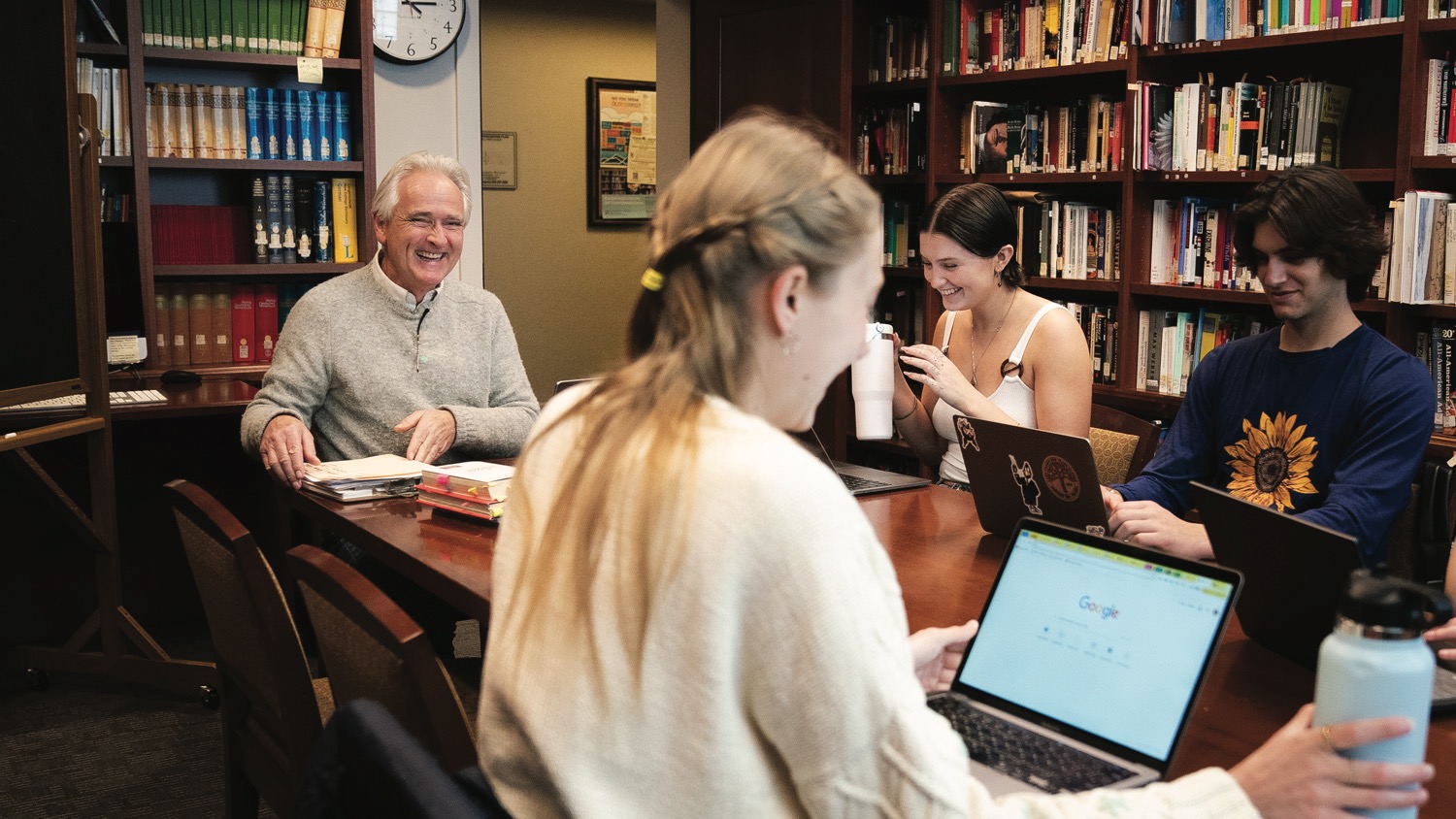
Hans Rindisbacher Classroom Photo from 2024“The Center for Global Engagement is not just a project. It is key to Pomona’s path forward—our opportunity to imagine what a 21st-century liberal arts college can be, and to build the structures that make that possible,” Pomona College President G. Gabrielle Starr says.

The College’s leadership in global education has long been part of its identity, from its early study abroad programs in China and Japan in the 1920s to the opening of the Oldenborg Center for Modern Languages and International Relations in 1966.

In spring 2020, the College’s Board of Trustees and faculty leadership reaffirmed this commitment through a new Strategic Vision focused on investing in people and tackling the defining issues of our time.

Today, that vision is reflected in the makeup and experiences of Pomona’s community, where 14 percent of students are international, hailing from 65 countries outside of the U.S., and 20 percent of faculty have earned an undergraduate or graduate degree internationally. Currently, half of all Sagehen students study abroad—five times the national average—and the College intends to make these opportunities available to even more students in
the coming years.

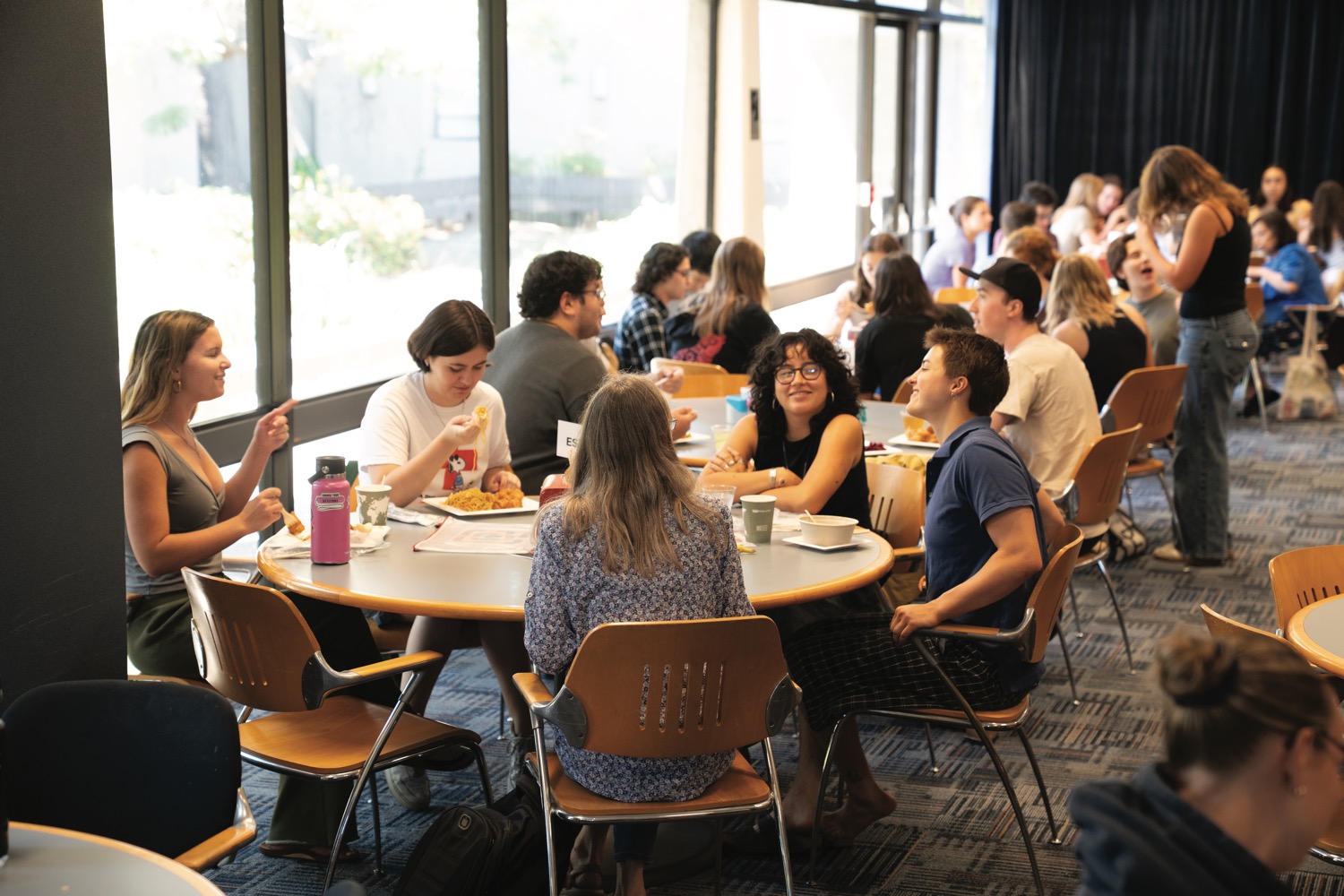
April 2026 Language Tables in the Oldernborg Center

April 2026 Language Tables in the Oldernborg Center

The CGE will be powered by new and expanded initiatives designed to prepare students to lead across borders and disciplines. Students, faculty and local and international partners will have opportunities to collaborate through hands-on projects that address urgent societal challenges. Programming will include interactive seminars that bring leading experts into conversation with students and faculty on pressing issues that require interdisciplinary thinking.

The center will also serve as a hub and home for programs that expand students’ horizons. In addition to traditional semester-long study away programs, Pomona has begun offering Global Gateways programs— shorter term, faculty-led study away courses tied directly to the curriculum.

“The phrase ‘global engagement’ is deliberate,” says Kara Godwin, assistant vice president and chief global officer. “It signals a move away from thinking that is bound by geography or academic major to focus on the problems we want to solve and the skills we want to develop.”

The Board’s approval of the CGE follows the successful effort to raise commitments totaling $50 million toward the full cost of the building—a threshold the Board established in 2022.

“Philanthropy has always driven bold ideas at Pomona—and the success of the Center for Global Engagement is no exception,” says Maria Watson, vice president for advancement. “Visionary partnerships with alumni, families and friends have made this a reality. I would like to extend my heartfelt thanks to the exceptionally generous donors who have supported this project.”

To learn more about the Center for Global Engagement and its role in advancing Pomona’s global initiatives, visit the CGE website.

A Global Scholar’s Journey

Let’s explore the student experience of the CGE through the eyes of a Sagehen—we’ll call her Maya.

First Year
Maya attends a CGE seminar led by a visiting global health scholar, where discussions about aging populations motivate her to enroll in a sociology course on public health that includes real-time collaboration with peers at a German university and policy analysts in Washington, D.C.

Sophomore Year
Looking for opportunities to study public health challenges in different parts of the world, Maya joins a Global Gateways study away program in Nepal, shadowing health care practitioners and interviewing centenarians about their daily lives and traditional practices.

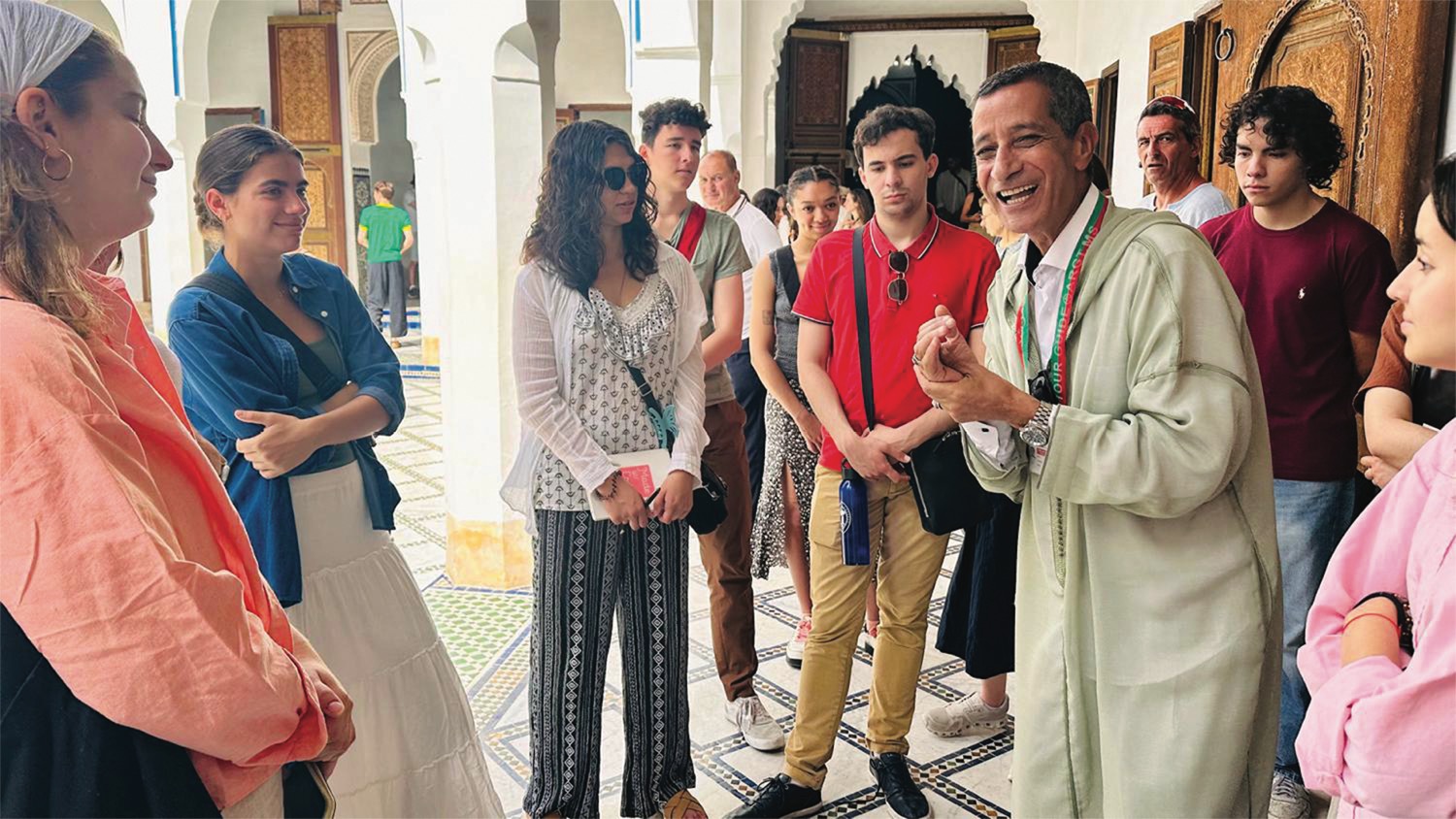
2024 Global Gateways students in Morocco

Global Gateways students in Morocco

Back on campus, Maya declares a major in sociology and begins joining the advanced Spanish discussion table in the CGE, led by a visiting language resident from Mexico, to build the language skills she needs to study health care systems in Latin America.

Junior Year
Maya joins an interdisciplinary research team housed in the CGE, and together they examine barriers to care for Southern California Latino communities and produce a report that becomes the foundation of her senior thesis. She presents her work in both Spanish and English to peers, faculty, local partners and community members.

Final Year
Through conversations with alumni mentors and global partners, Maya learns to put language to her interests in aging, chronic disease and health equity in Spanish-speaking communities and earns a spot in a top public health graduate program.

25th Reunion
Maya returns to campus as a visiting scholar housed in the CGE. Now an international expert in chronic disease intervention, she is eager to inspire the next generation of Sagehens, sharing her knowledge, experiences and commitment to lifelong learning.

“Graduates today will encounter difference and dissonance everywhere: in their communities, in their professions and in their lives. Our mission is to make sure they are ready—not just to succeed, but to lead and thrive,” says Kara Godwin, assistant vice president and chief global officer.

Women’s Water Polo Captures Fifth Straight Division III National Title

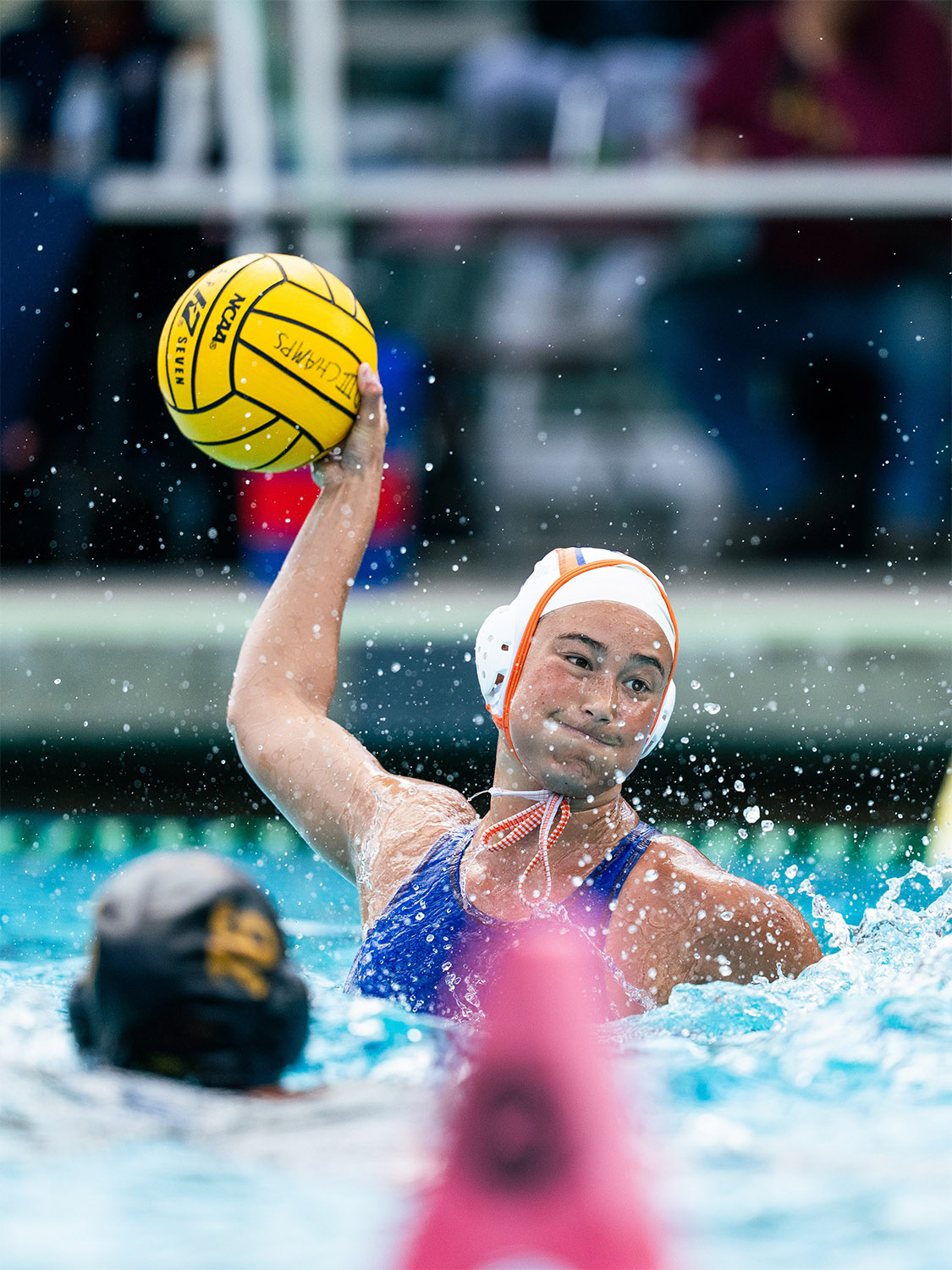
Brienz Lang '26, who was named Tournament MVP

Brienz Lang ’26, who was named Tournament MVP.

Five years, five crowning moments.

In April, Pomona-Pitzer captured its fifth consecutive USA Water Polo Division III championship, defeating rival Claremont-Mudd-Scripps (CMS), 15-10, to send another senior class off with a handful of hardware.

The Sagehens and Stags have met in the Division III championship game four years running, their eternal Sixth Street rivalry one of the best in the country.

“We’ve won the whole time we’ve been here,” says Mia Amberger ’26, who led the Sagehens in points this season, “and I feel because of that, it’s difficult to not fall into the trap of playing not to lose rather than playing to win. But we did a phenomenal job this year in the championship game of playing to win.”

On the road to their fifth straight Division III title, the Sagehens defeated Division I UC Santa Barbara for the first time in program history. They also clipped Division I Cal Baptist.

Both victories followed adversity—the first, after a rare nonconference loss to CMS, and the second, after losing star center Paityn Richardson ’27 to injury.

Beyond the championships, Ayva Magna ’26 says her class’s legacy is defined, in part, by standing toe-to-toe with and knocking off first-class opponents.

“Every year we’ve been able to beat new Division I teams,” she says. “We’ve always tried to show our younger girls that we have more goals than winning the championship game.”

Brienz Lang ’26, who played through injury this season and was named Tournament MVP, couldn’t have asked for a better sendoff to her Sagehen career.

“I was so proud of everyone,” she says. “It was a great way to end the season.”

Name That Rock

depiction of an asteroid

An asteroid has been officially named for American geologist Sorena Sorensen ’78 (1956-2025). A longtime curator at the Smithsonian National Museum of Natural History, Sorensen was an expert on metamorphic petrology and geochemistry who studied the formation of jade and jadeite and the role of fluids in subduction zones.

The asteroid—now named 250955 Sorena—was discovered in 2006 by the Mount Lemmon Survey. It belongs to a group of asteroids found in the outer main asteroid belt and has a diameter of 4.9 km. It is currently passing through the Virgo constellation, heading toward Libra at the end of 2026.

Ryan Long ’21 Returns to International Stage for World Baseball Classic

The 2026 World Baseball Classic put an international spotlight on major league goliaths, top prospects, former minor leaguers now with traditional 9-to-5 jobs, and a Sagehen.

Three years after striking out future Hall of Famer Mike Trout in his World Baseball Classic debut for Great Britain, Ryan Long ’21 returned to the international stage in March and threw two scoreless innings of relief across a pair of appearances.

While Great Britain finished behind Italy, Team USA and Mexico in pool play, the 26-year-old helped The Union Jack earn a spot in the next World Baseball Classic—a triennial international baseball tournament featuring 20 national teams.

“It was an unbelievable experience,” says Long, whose mother, Liz, was born in England. “I felt more confident this time and had more trust in myself and in my pitches. Over four years, I’ve pitched against a lot of high-level hitters, and I know I can get any hitter out.

“That confidence definitely helped me this time around.”

As he did at the 2023 WBC, Long donned United Kingdom colors with teammates united in heritage.

Great Britain’s 30-man roster in Houston consisted of ballplayers with familial ties to England and Wales, the Bahamas, Scotland and the British Virgin Islands.

“You try and get to know these guys as fast as possible, find ways to connect, and then go play four really meaningful games with them,” says Long, who grew up near Seattle. “It’s a unique experience, but it’s amazing. I love it.

“The World Baseball Classic is such a special tournament and one that really showcases the best of baseball,” he adds. “It was an honor to be a part of it again.”

Drafted as a starting pitcher by the Baltimore Orioles in 2021, Long spent spring training transitioning to the bullpen and cutting his teeth as a reliever.

In April, he began his sixth minor league season.

After a brief stint with the Orioles’ Double-A affiliate, the Chesapeake Baysox, in Bowie, Maryland, the 6-foot-6 right-hander was promoted to Triple-A Norfolk, where he’d made a dozen relief appearance through mid-May.

“It’s been a good change,” he says. “I’ve seen my velocity go up, and I can concentrate on throwing my best pitches as often as possible rather than trying to mix them and get through a lineup multiple times.”

“I feel confident and encouraged going into the year,” he adds, “and I’m hoping this change gives me a streamlined and efficient route to the major leagues.”