Articles Written By: jhhd2026@pomona.edu

Neuroscience Meets Dance in Move Your Body, Grow Your Brain

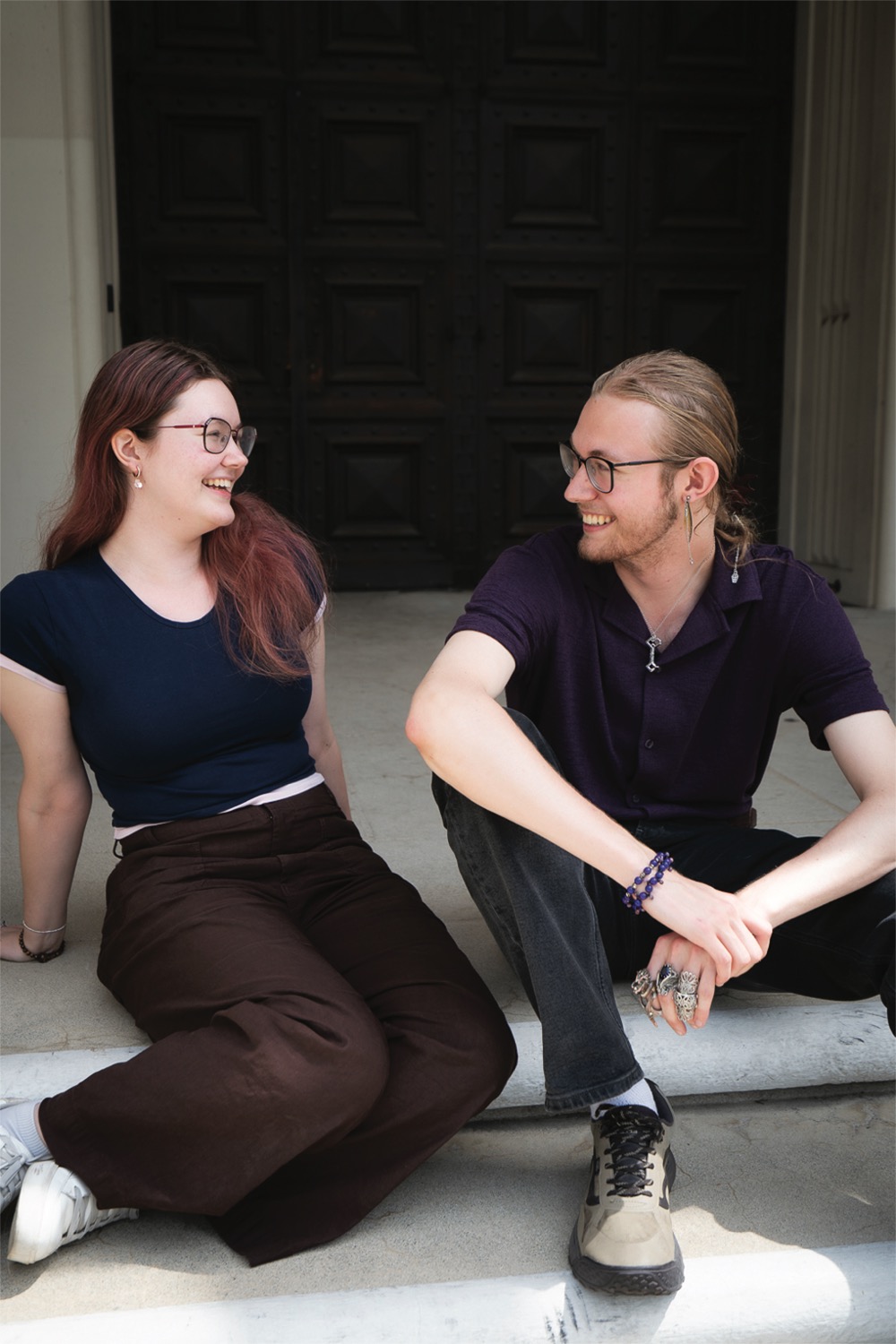
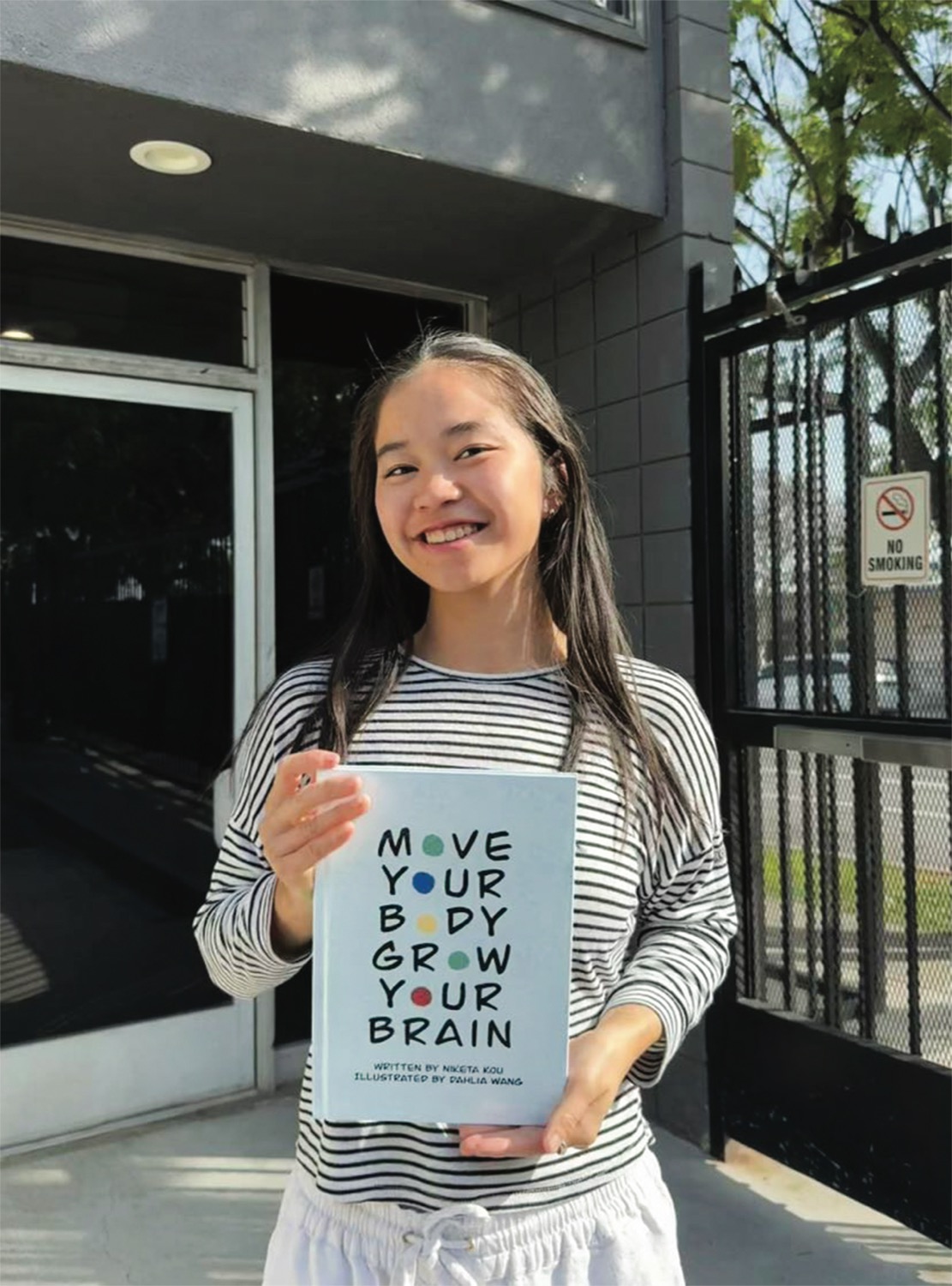
Niketa Kou ’25 with her book, Move Your Body, Grow Your Brain

Niketa Kou ’25 with her book, Move Your Body, Grow Your Brain

Niketa Kou ’25 created a children’s book for her senior thesis to spark curiosity and encourage young readers to explore both movement and science.

A lifelong dancer from Taiwan who double majored in dance and neuroscience at Pomona, Kou worked with Jonathan T. King, director and assistant professor of neuroscience, and the writing partners at the Center for Speaking, Writing, and the Image (CSWIM) on a narrative explaining the brain in a fun, accessible way.

In April 2025, Kou self-published Move Your Body, Grow Your Brain.

“In the book, Lazy Larry goes on a journey with Nike the Neuron and learns that physical activity strengthens neural connections and encourages new ones,” she says. “It also boosts blood flow and oxygen to the brain, supporting neuron health and improving memory and learning.”

As she brainstormed possible neuroscience theses, Kou drew inspiration from her time explaining complex ideas to children as a tutor. A longtime believer in the power of movement as medicine, she decided to explain the science behind her conviction.

“I thought, ‘As a kid, I would love to know these things.’”

Kou collaborated with illustrator Dahlia Wang SC ’24 to give her words life. Across 32 colorful pages, Move Your Body, Grow Your Brain encourages young readers to explore both movement and science. Several pages include a physical activity to try and an explanation of its scientific benefit.

Kou’s project thesis was a natural extension of her longest hobby, dance, where she experienced—long before neuroscience gave her the language for it—how movement affects the mind and body.

While she danced ballet growing up in Shanghai, Kou fell in love with contemporary dance in high school and chose to explore the expressive, evolving genre at Pomona.

Kou started choreographing her sophomore year, a responsibility that transformed the way she thought. Beyond creative growth, she says,

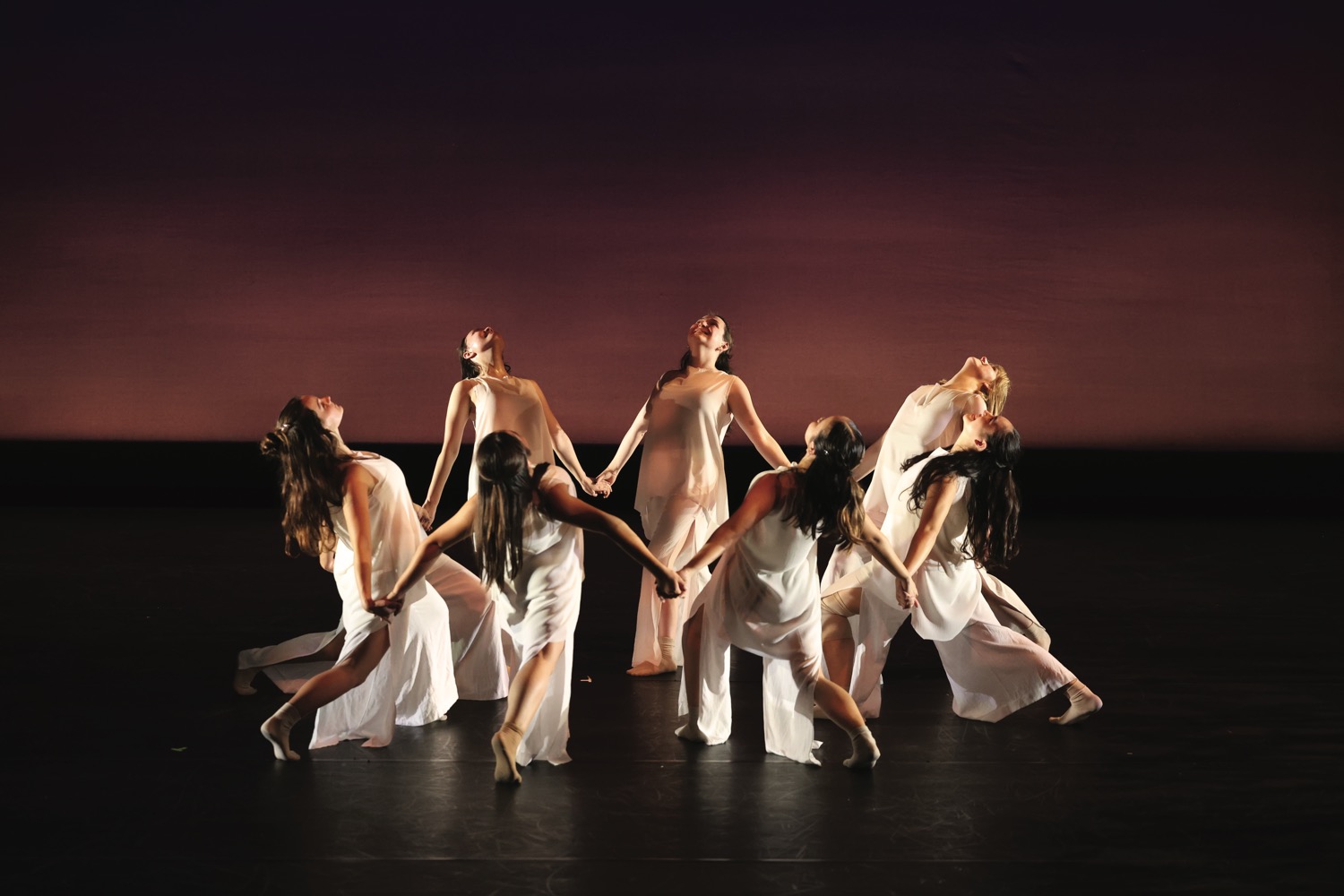
Dancers in Niketa Kou’s senior thesis performance.

Dancers in Niketa Kou’s senior thesis performance.

choreography pushed her to trust her instincts, embrace uncertainty and approach problem-solving with curiosity rather than perfectionism.

Ahead of her senior year, Kou danced in Berlin on a summer scholarship. When she returned to Claremont, she says she had a more expansive, flexible mindset shaped by movement.

“The beauty of dance is getting to slow down time and have fun, which can be hard as a college student,” she says. “Movement changed the way my mind and body responded to pressure. Dance became a space where I could reset mentally and reconnect physically.”

A medical assistant by day, Kou moonlights as a freelance dancer in and around Los Angeles.

“I’m still living that Pomona College life—balancing both sides of me,” she says.

Benton Receives Saul Steinberg Gift

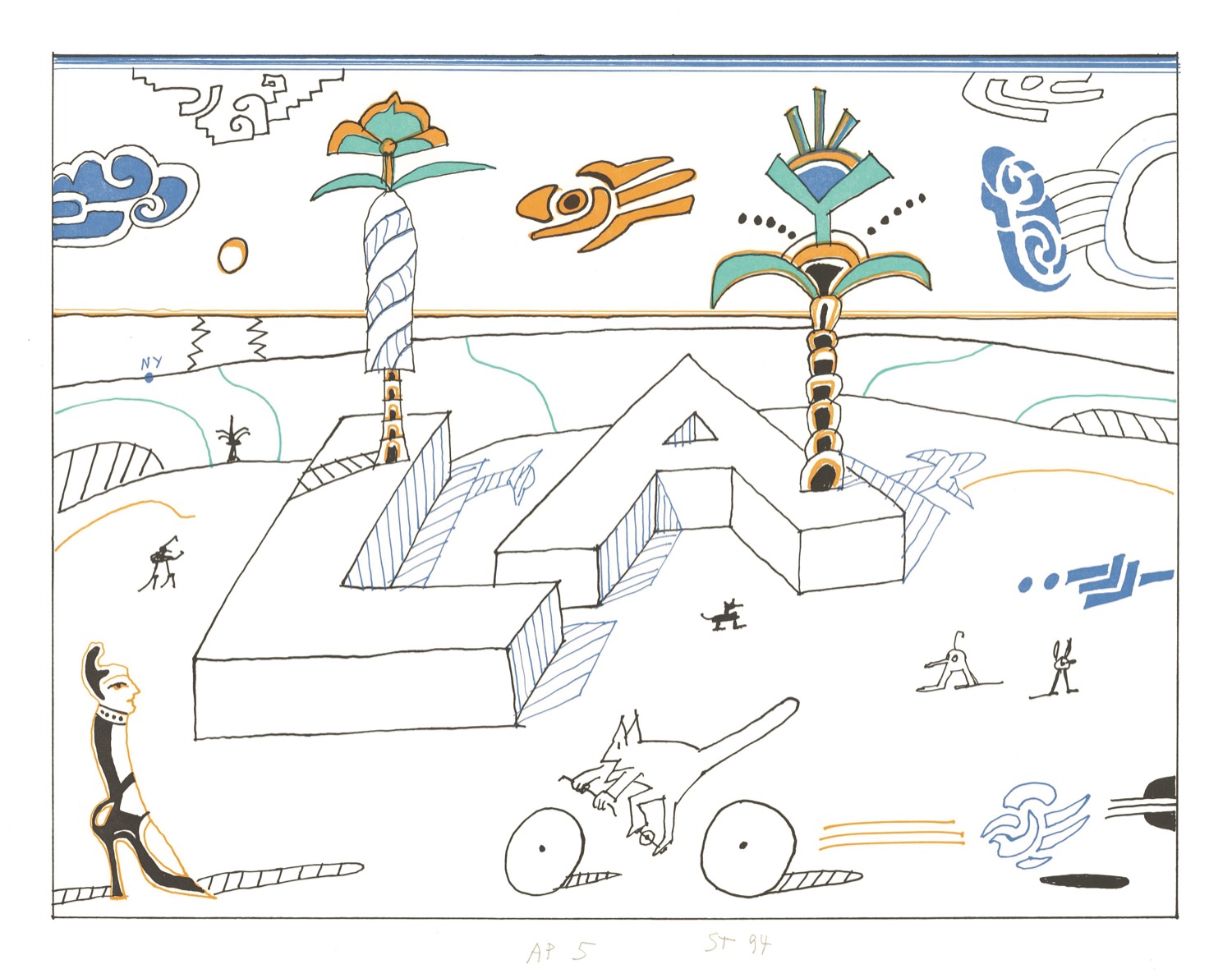
Saul Steinberg, LA, 1994. Photoengraving on wove paper. Pomona College Collection, Gift of the Saul Steinberg Foundation

Saul Steinberg, LA, 1994. Photoengraving on wove paper. Pomona College Collection, Gift of the Saul Steinberg Foundation.

Pomona’s Benton Museum of Art recently announced a gift of 76 works of art by Saul Steinberg from the Saul Steinberg Foundation, a nonprofit established by the artist in his will. The gift encompasses a wide range of two- and three-dimensional media—from prints and drawings to wooden objects—and celebrates Steinberg’s constantly evolving artistic practice and his deep level of engagement with the people and objects around him. “We are especially proud,” says Museum Director Victoria Sancho Lobis, “to preserve and interpret not only the work for which Steinberg is best known, but also the kind of creative projects that best reflect his humanity and that can inspire young people in embodying the values of curiosity, exploration and discovery.” Lobis is curating an exhibition organized around the gift that will take place at the museum this fall. Stay tuned for more details.

The Healing Power of Art

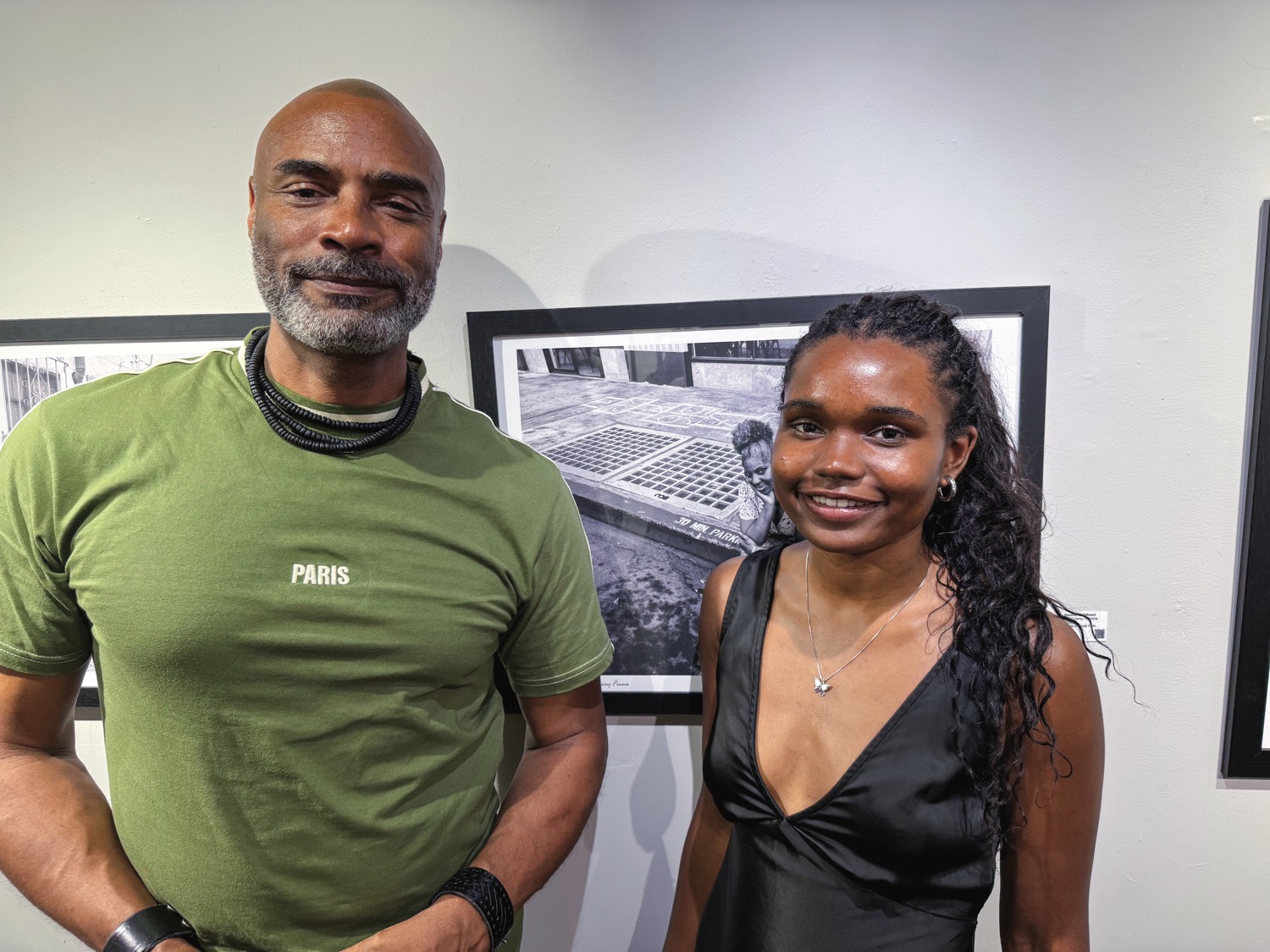
Photographer Alfred Haymond with Aminah Augustin ’28.

Photographer Alfred Haymond with Aminah Augustin ’28.

When Associate Professor of Sociology Pamela Prickett met Alfred Haymond, a photographer who lost his Altadena home in the 2025 Eaton Fire, she knew she wanted her students to hear his story firsthand.

Haymond’s photographs, which capture everyday Black life in Los Angeles, “help bring some of the theories and histories we read about in class into new, real-life perspective,” says Prickett.

In April, she took a group of her Urban Sociology students to the Sasse Museum of Art in Pomona for a private tour of Haymond’s exhibit “Observations in B&W.” Haymond talked about his art and also about the human toll of the fire and how artists have been healing and helping others to heal through their work.

“Alfred depicted what it was like to be in the community of West Altadena,” says Aminah Augustin ’28, “showing how lively, artistic and innovative it was.”


First-Year Read

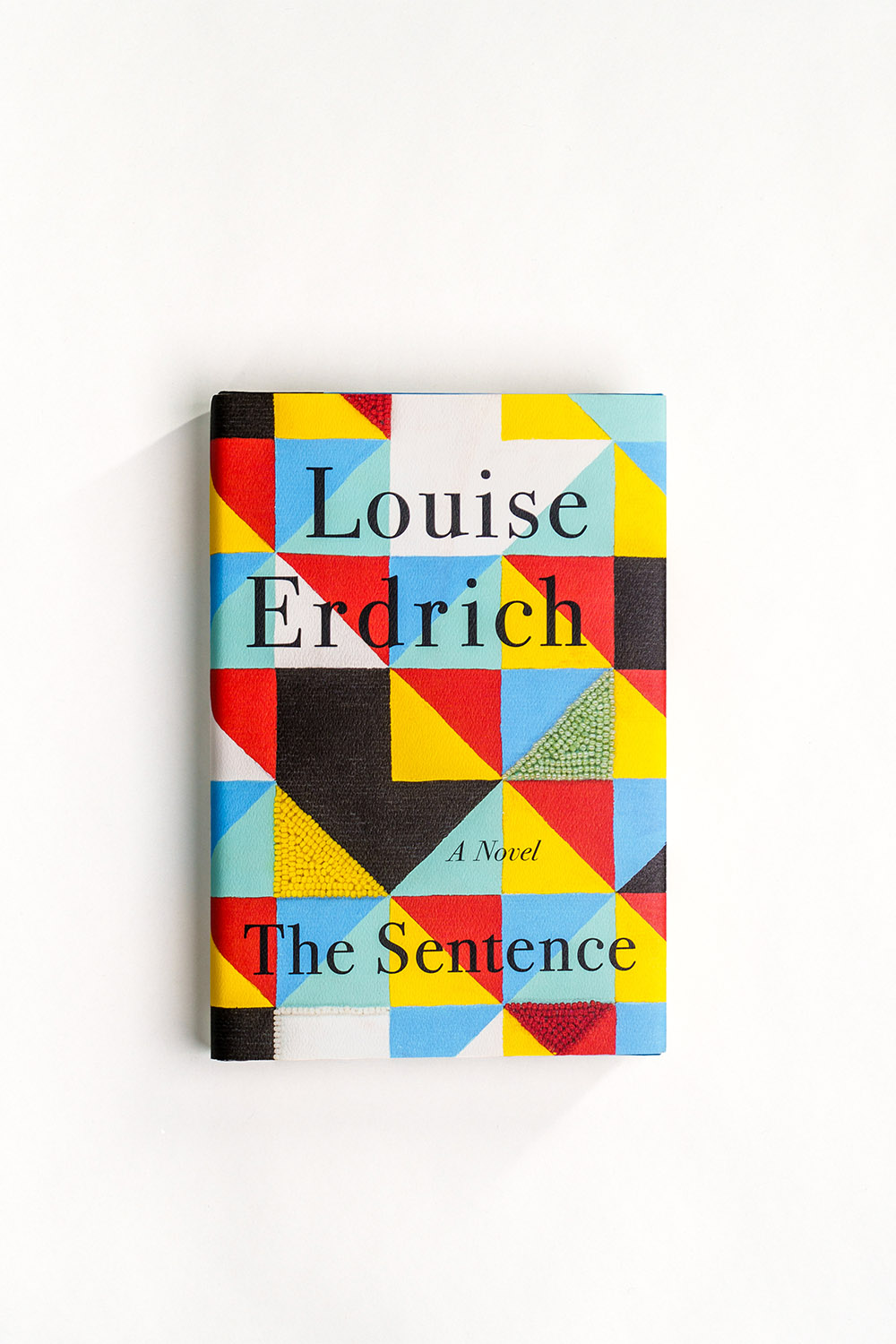
A Novel by Louise Erdrich: The Sentence,Each year, Pomona selects a work for the entire first-year class and transfers to read before arriving on campus. For 2026, the chosen book is The Sentence by Louise Erdrich.

“It takes such a fascinating approach to describe a moment in time, the pandemic, filled with constant fear and uncertainty,” says Meiya Rollins ’29. “The book is full of humor, mystery, excitement and grief that makes you keep turning the page.”

What Was Your Class Book?

Sagehens, we need your help. If you graduated before 2003, do you remember what class book you were assigned to read your first year? The first-year annual orientation book program had some stops and starts over the years, but we’d love to fill in as many blanks as possible. Write and tell us about your class book at pcm@pomona.edu.

Rethinking The Food System

A Conversation with Author Nancy Matsumoto ’80

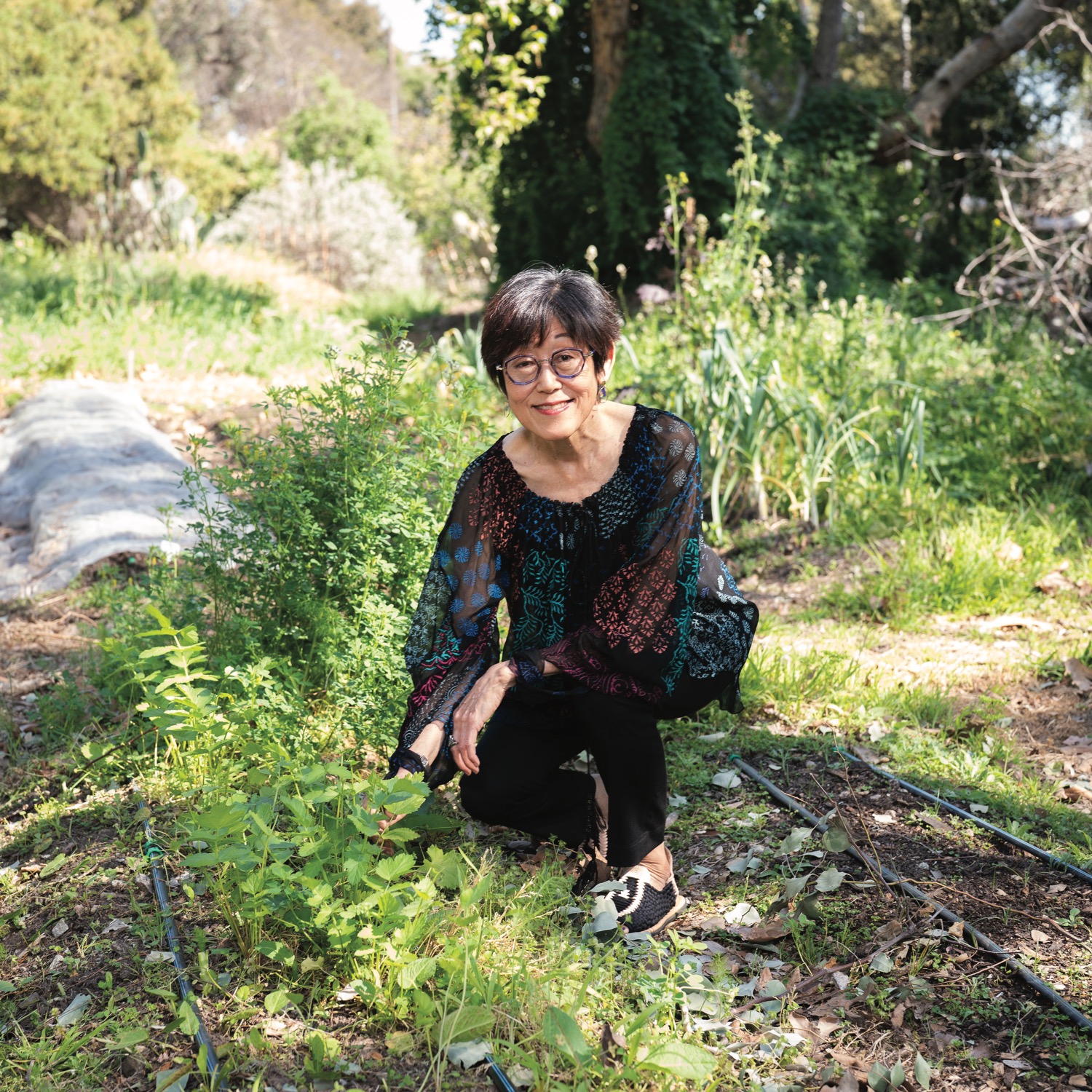
Portrait of Nancy Matsumoto ’80, author of Reaping What She Sows

Matsumoto ’80, author of Reaping What She Sows

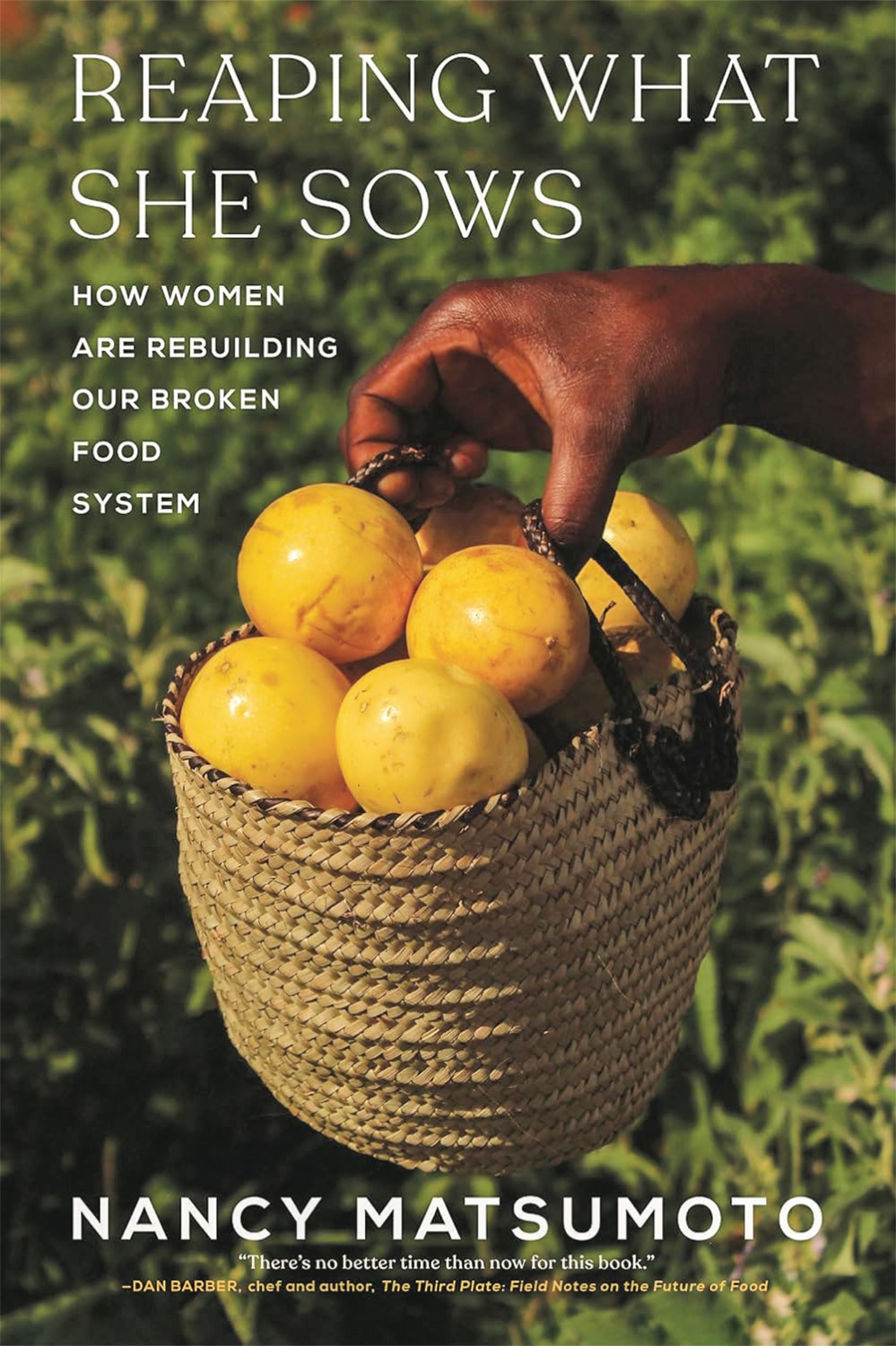
In Reaping What She Sows, award-winning author Nancy Matsumoto ’80 highlights how women farmers are quietly reshaping agriculture. Drawing on her experience as a longtime food and agriculture journalist, she illuminates an alternative food system rooted in reciprocity, community and respect for the land.

In a recent conversation with Pomona alumnus and fellow food writer Steve Sabicer ’00—author of the Substack newsletter Enlightened Omnivore—Matsumoto reflected on the personal roots of her work, the challenges and opportunities within the “alt food” movement and how flavor, community and connection can drive meaningful change.

What made this book personal enough that you felt you had to write it?

I didn’t really start this book as a personal story. I wrote it because I wanted to highlight these amazing women. And in the process of writing it, I started putting a little bit of my own story in. And what was interesting is that I realized how much my family had really shaped me, and how much of my interest in food and agriculture really came from very early experiences in my background.

My grandfather was both a fruit picker and a cannery worker up in the Pacific Northwest. Both sides of my family were in the [Japanese internment] camps of World War II. My grandmother wrote poems about being a farmer in the prison camp, and I think a connection to nature gave her a sense of agency that she wouldn’t have otherwise had.

We often romanticize local food systems, but global supply chains feed billions. What do you think about the benefits of local versus large-scale agriculture?

I think COVID was a real wake-up call to many people. Not being able to get things on the supermarket shelves was a shock. And then it also forced people to look in their own backyards and discover local farmers. They could get eggs that taste way better. And when avian bird flu came, they realized it didn’t affect their small, local organic farmer because they’re not part of the industrial poultry egg system. And so they began to see that there are real benefits to this, to not being part of a system where front-line workers were dying of COVID, where something like avian bird flu can just spread like wildfire because these are not great conditions for animals.

As a former butcher and someone raised for some of my childhood by a depression-era grandfather, wasting things was a huge deal. Do you think we’ve lost the sense of morality or responsibility about what we throw away?

Yes, and I think industry is complicit in making us that way because it’s a way to sell more stuff. If you don’t save and reuse and recycle, you buy more. You know, the way recycling works in our country is a perfect example. It’s made to make us feel good when actually it’s not really doing that much. It’s kind of like the cynical corporate mentality that wants to get us addicted to ultra-processed foods. It’s all about making more money.

And so yes, I think we’ve moved very far away from those traditional “waste not” [values]. It’s very strong in Japanese and Asian culture. And my parents were probably shaped by their wartime prison experience and their Japanese culture. That’s still very important to me, and I think it’s important for us to return to because food waste is huge.

Book Cover, Reaping What She Sows, MatsumotoYou write that taste may be one of the strongest drivers of change when it comes to agriculture. What do you mean by that?

Absolutely. There are bakers who I’ve met who are passionate about regeneration, about organic production methods, about the value of organic and regenerative grain growing, but they’re not going to mention that in their bakery or when they’re selling their goods to customers. In fact, they’re quiet about it. And some have actually said to me, you know, I don’t want to be preachy. Customers come to the bakery every week because it’s delicious. Do they know anything about the farming practice? Do they care about it? No. Not everyone is going to tell the whole regenerative story when they’re creating a delicious food. They want the food to speak for itself, which is completely legitimate.

What role do consumers play in building a better food system?

The consumer does have a big role and actually a lot of power. Of course we can all go to our farmers market. We can all grow vegetables in our backyard. But think a little bit more broadly. Does your community have a food policy council? Can you join it? Can you start one? How can we get more local and regenerative and organic sourcing for our elementary school or our charter school or our local hospital or prison? Going one step up from the individual level to the corporate, the institutional, and then you’re starting to talk about more business for these farmers who are really trying to create system change.

You have to really get in the weeds sometimes, and so work that may seem sort of nerdy and boring and geeky—digging into supply chains and sourcing—can actually be a source of real community and joy.

What gives you hope about the food system right now?

I think it’s really these amazing women that I meet all over the country. Every event I do, I meet more and more incredible people who are thinking of innovative ways to make a difference. You have dropouts from corporate America, people like you who are moved to join this movement because it speaks to them. And I can’t tell you how much joy there is in the room when you’re with people and they are energized. It is really one of the most rewarding parts of doing this work.


Letter Box

Remind Me

I enjoyed the article in the current issue of Pomona College Magazine about the tradition of assigning a book for all first-year students to read. However, in polling friends of mine also from the Class of ’68, none of us has any recollection of that happening. Can you advise what the book was that was assigned to the Class of ’68 (incoming freshmen in 1964)? Maybe that would spark a memory! Thank you!

—Peggy Halstad Templer ’68

I love the magazine. The Winter 2026 issue had an article by Paul Eckstein ’62 on the summer reading books that freshmen are assigned. Is there any way someone can tell me what the freshman summer reading was for the incoming Class of 1979? I’ve asked all my alumni friends and none of us remember. Thank you so much! We would love to be reminded!

—Gabriela Vazquez ’83

As a Pomona College graduate I treasure each issue of the Pomona College Magazine. As a student who transferred from Pitzer in my junior year, I did not get the same bonding experience of sponsor groups that first-years receive. But even 50+ years later, I would love to read the book that my class read their first year. The photo of the big stacks of books that you feature each year never goes back to the Class of 1973 so I am wondering if you could send me a list of all the titles, by year, from the inception of the program. If not, I would be happy to at least get the title of the book the freshman class that graduated in 1973 read.

—Georgia Hall Chun ’73


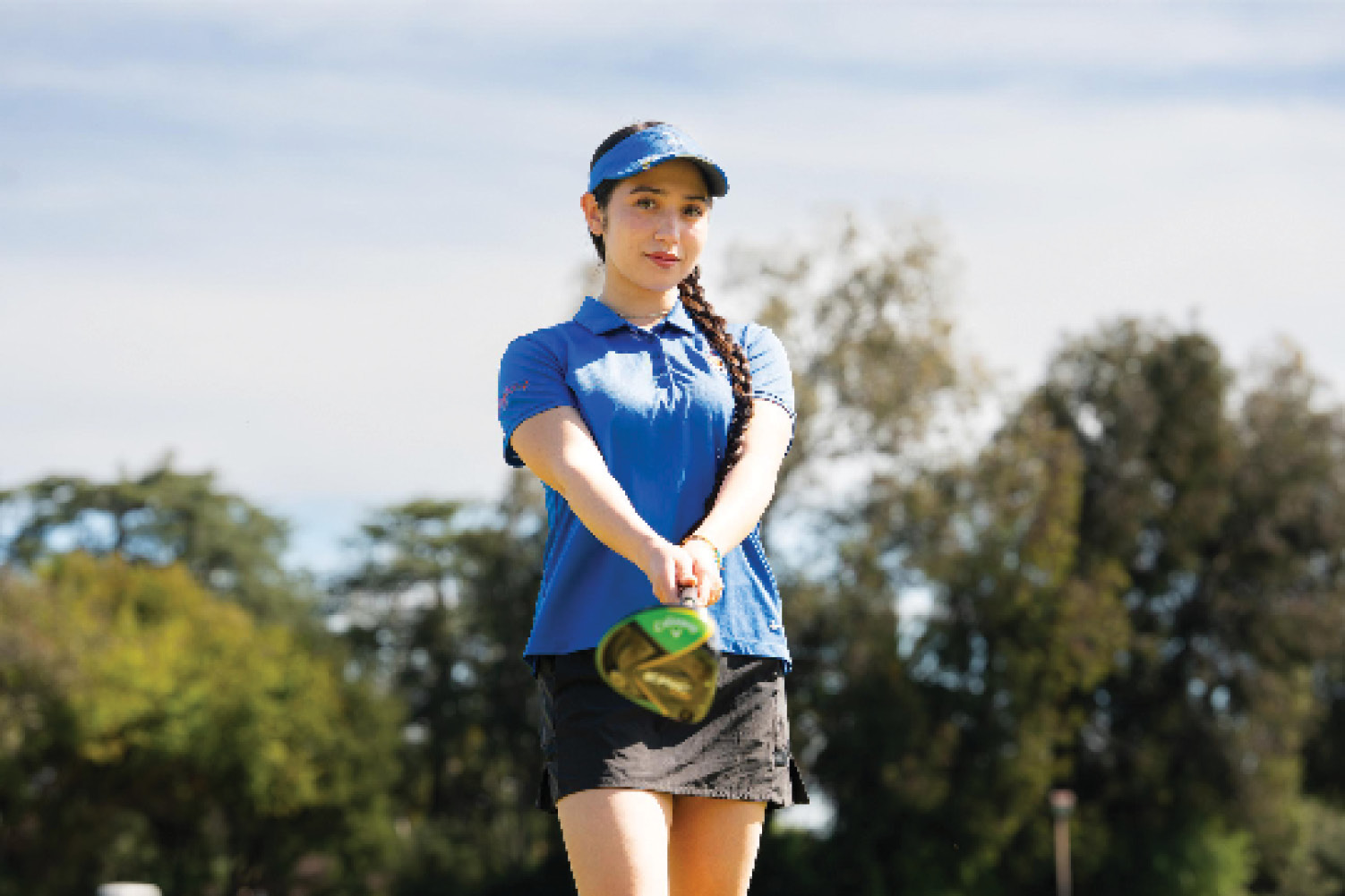
Rachel LeMay ’27, a neuroscience major, is the only women’s golfer to earn All-American honors her first two years in Sagehen blue.

Rachel LeMay ’27, a neuroscience major, is the only women’s golfer to earn All-American honors her first two years in Sagehen blue.

Fore!

I enjoyed reading about Sagehen athletics shining in the fall season but was a bit surprised and disappointed to see that there was no mention of the men’s or women’s golf team, which competed in both the fall and the spring. These student-athletes make quite a sacrifice to compete in two seasons and seeing how there was no mention of them at all, it seems like quite an egregious omission!

I do not golf myself but having three kids (hopefully future Sagehens!) involved in junior golf, I get to see firsthand the amount of time/work/sacrifice these collegiate golfers make to play the sport that they love.

—Dan Tzuang PO’98
Interim Associate Dean of Students
of Health and Wellness 2015

Editor’s Note: While the men’s and women’s golf teams play in the fall, their traditional seasons are in the spring, with invitationals between February and May, culminating with the conference and NCAA finals. The few fall tournaments they play in do not count toward records or standing.


Corrections for Winter 2026 Issue

In “They Got Mail” (Page 42), several of the names for the caption accompanying the senior class photos were mistakenly transposed. The caption has been corrected online. Read the full story at magazine.pomona.edu/they-got-mail

Write to Us at PCM

Pomona College Magazine welcomes brief letters to the editor about the magazine and issues related to the College from the extended Pomona community—alumni, parents, students, faculty, staff, donors and others with a strong connection to the College. Write to us at
pcm@pomona.edu or mail a letter to Pomona College Magazine, 550 N. College Ave., Claremont, CA 91711. Letters should include the writer’s name, city and state of residence, class year for alumni and contact information. With rare exceptions, letters should be no more than 400 words in length. Letters are selected for publication based on relevance and available space and are subject to being edited for brevity and clarity.

Harnessing the Power of Fusion

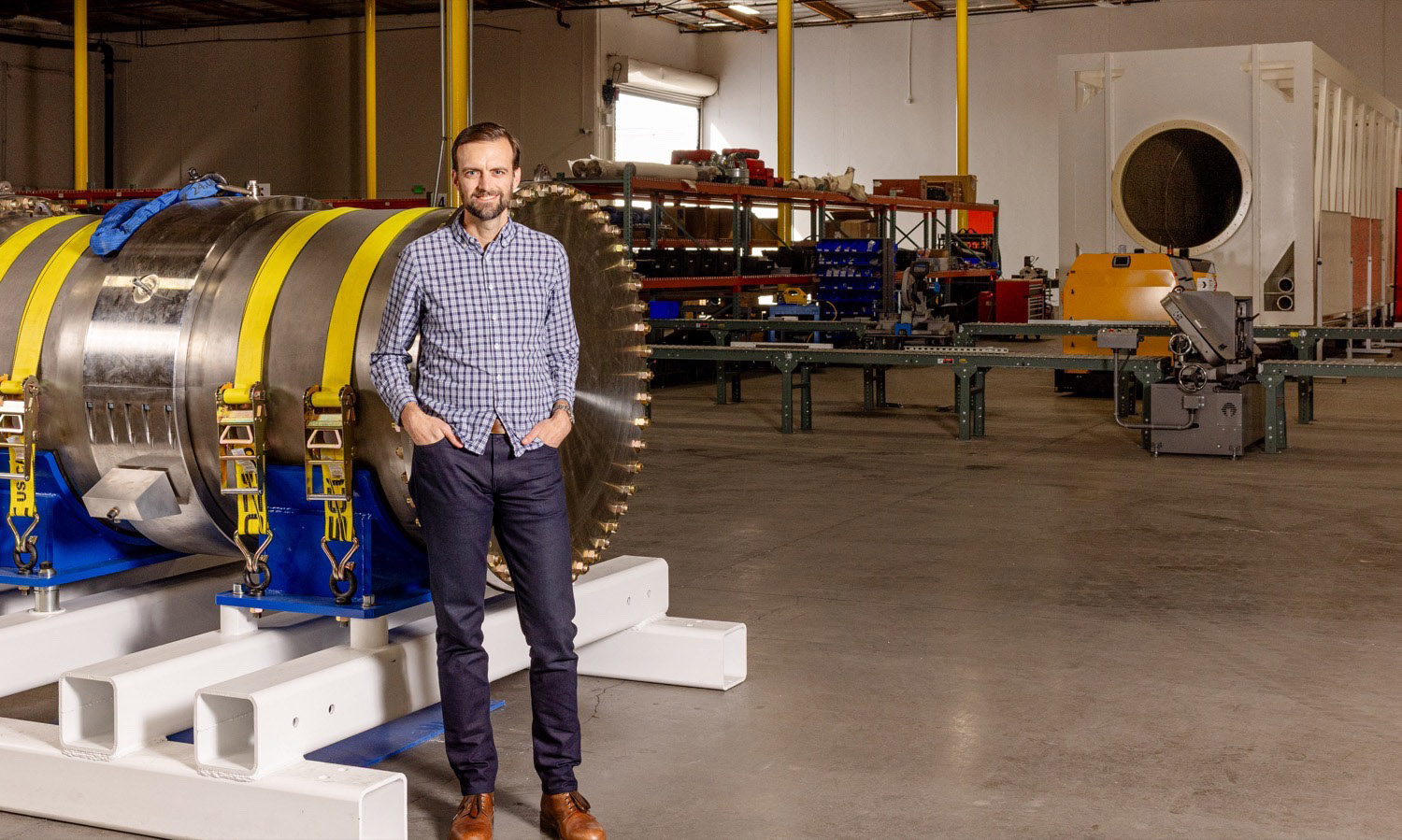
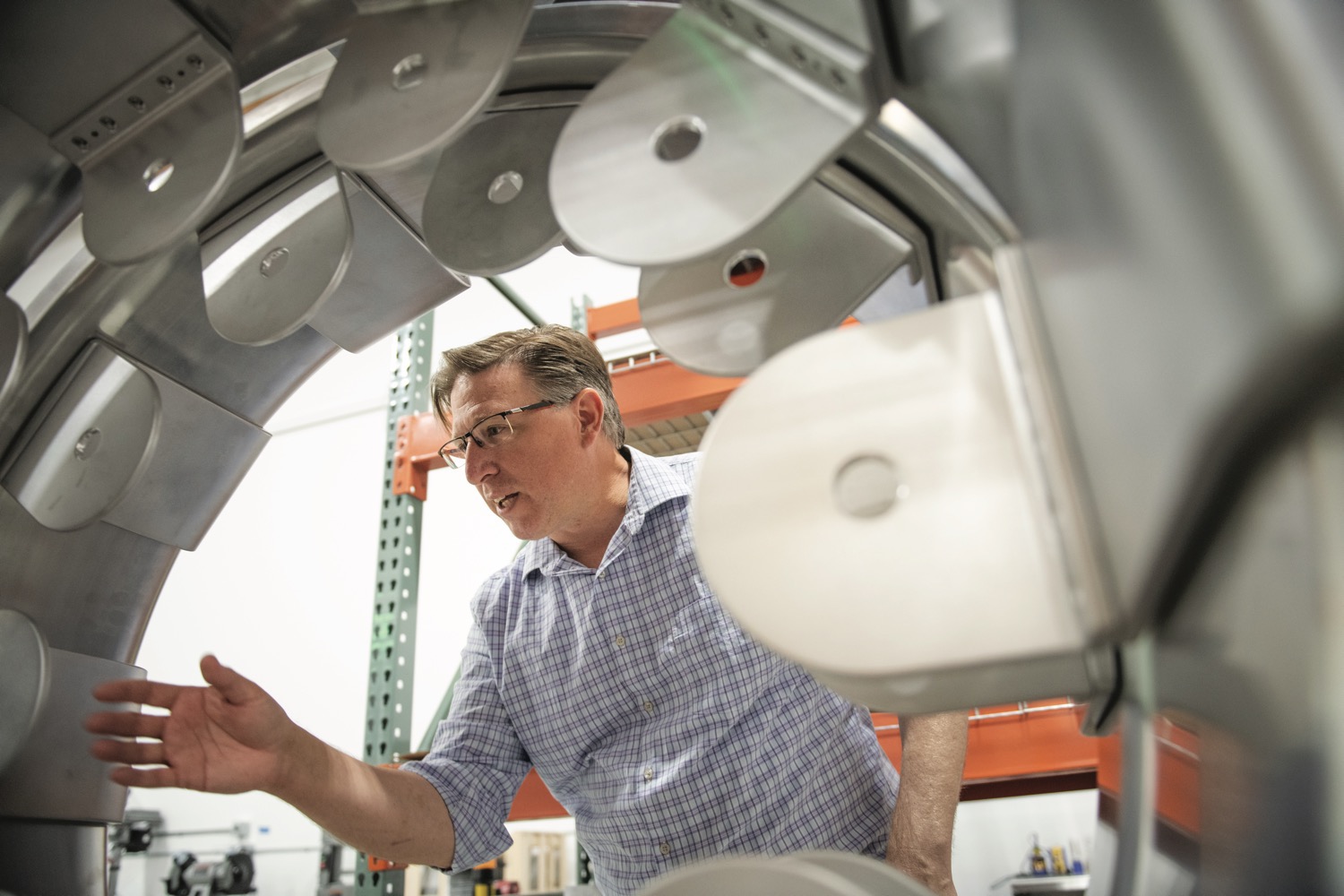
Alex Zylstra ’09 at Pacific Fusion where he works as a nuclear fusion energy scientist.

Alex Zylstra ’09 and Pacific Fusion are working to bring the energy that powers the sun’s core down to Earth.
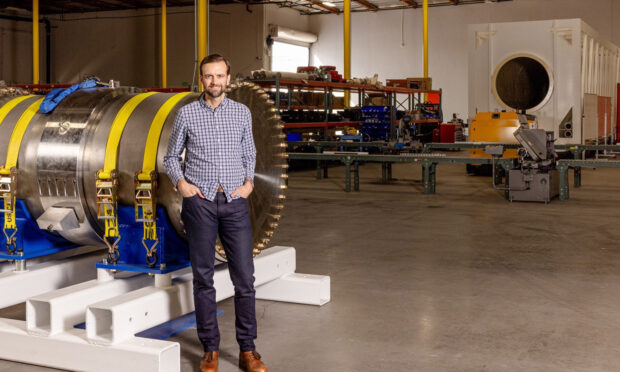
Alex Zylstra ’09 at Pacific Fusion where he works as a nuclear fusion energy scientist.

Alex Zylstra ’09 at Pacific Fusion where he works as a nuclear fusion energy scientist. Photo courtesy of Nicola Parisi ’12

Bay Area startup Pacific Fusion is developing a new technology that fires powerful electric pulses in a millionth of an eye-blink, lighting up magnetized fuel to generate fusion energy.

And they’re doing it with the help of Alex Zylstra ’09, the small-but-growing company’s experiments lead. Already, they’ve made significant strides toward ultimately building a commercial reactor with this futuristic energy source.

“When I started out, the mentality in the fusion community was that this is still a research project. There’s this joke that fusion is always decades away,” Zylstra says. “That has actually changed a lot.”

Nuclear fusion, which involves smashing atoms together at high temperature and pressure, is the same kind of energy that has powered the sun for 5 billion years. Researchers have long dreamed of harnessing fusion on Earth, a lofty goal that might one day provide nearly limitless, nearly carbon-neutral energy around the world. “Fusion has always been a sort of holy grail thing,” Zylstra says.
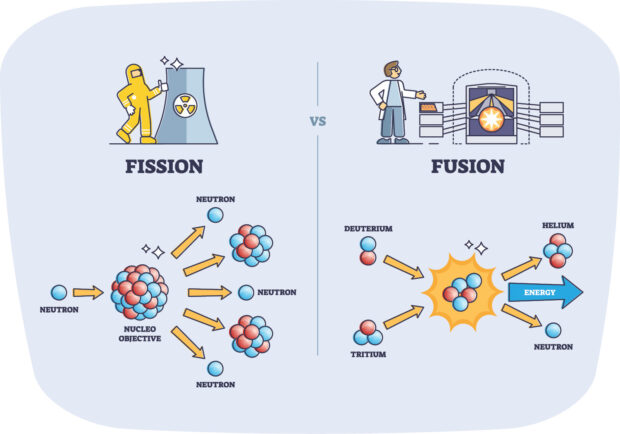
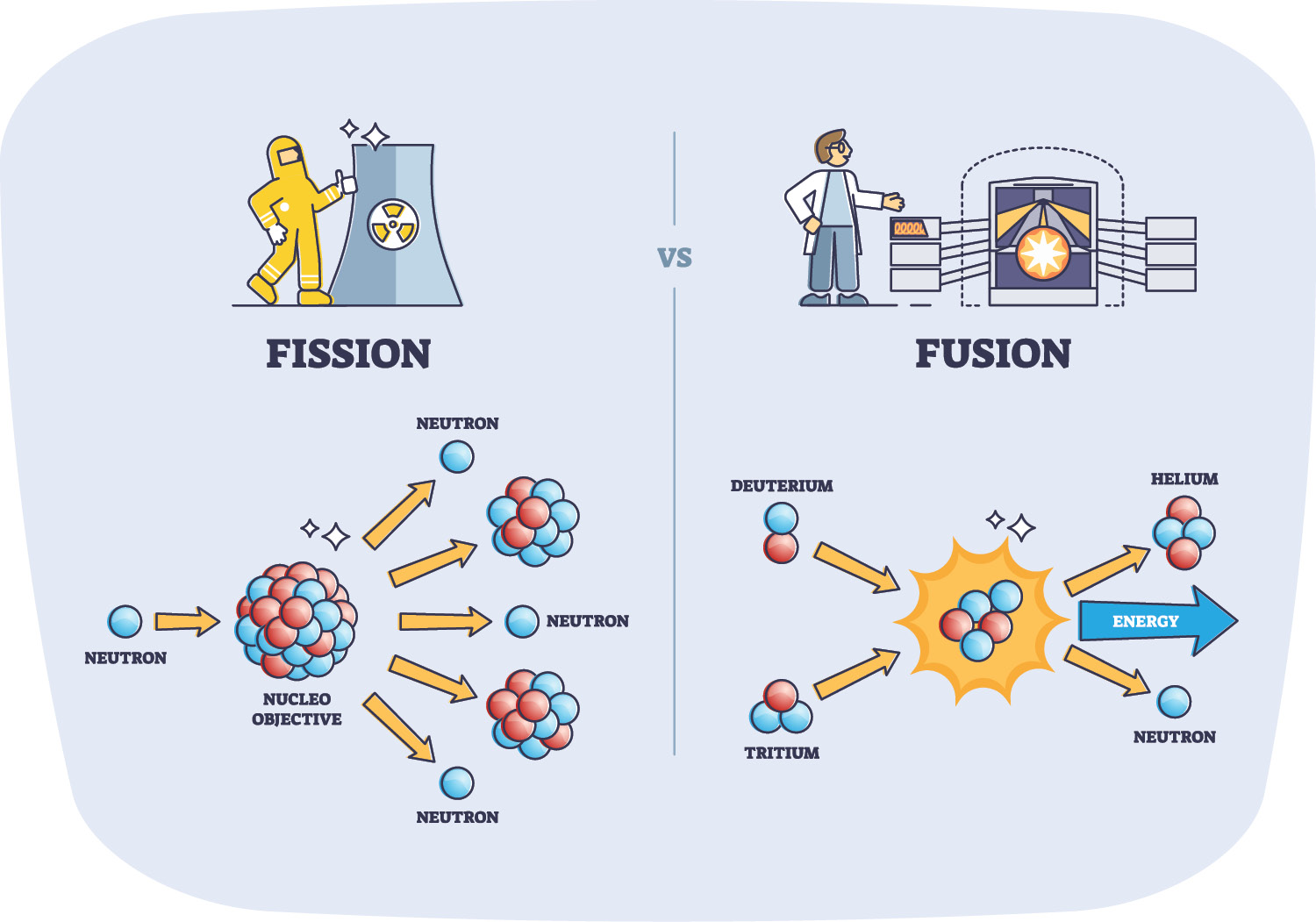
Diagram comparing nuclear fission vs fusion, showing fission splitting a nucleus and fusion combining deuterium and tritium.

Illustrated comparison labeled “FISSION” vs “FUSION.” On the left, fission shows a neutron striking a “NUCLEO OBJECTIVE,” splitting it into smaller nuclei and releasing multiple particles labeled “NEUTRON.” On the right, fusion shows “DEUTERIUM” and “TRITIUM” combining to form “HELIUM,” releasing “ENERGY” and a “NEUTRON.”

Zylstra leapt onboard the fusion industry at a fortuitous time. Over the past few years, the fusion private sector has exploded in growth, transforming from a handful of hopeful startups into a multibillion-dollar industry promising to become the next big energy source, with the potential to join the ranks of other expanding clean energies, especially wind and solar. Pacific Fusion alone raked in $900 million in its 2024 funding round, one of the largest to date, and a sign of lofty expectations for commercial fusion.

Alex Zylstra ’09 at Pacific Fusion where he works as a nuclear fusion energy scientist. Photo courtesy of Nicola Parisi ’12

Zylstra’s career path has taken a few twists and turns, as he ventured from Pomona to national labs, and now to Pacific Fusion. The scientific and engineering challenges of making fusion a reality particularly excite Zylstra. “I’m also kind of a big sci-fi nerd, and it’s kind of a sci-fi problem,” he says, noting that Lawrence Livermore National Laboratory’s National Ignition Facility, where he previously worked, was used as a set for the 2013 movie Star Trek Into Darkness.

The prospect of nuclear fusion as a sustainable energy source comes as ongoing global warming brings devastating wildfires, floods, droughts and heat waves, while many countries struggle to reduce their greenhouse gas emissions. “Personally, I’m passionate about developing new sources of energy, motivated by climate change,” Zylstra says, referring to it as “an enduring challenge for humanity.”

The United States, whose withdrawal from the Paris Agreement took effect in January 2026, previously pledged to achieve net-zero emissions by 2050. That means leaving most remaining fossil fuels in the ground, while shifting to new energy sources. The clean energy transition is not without its own dilemmas, however, considering the environmental and health impacts of mining for rare earths and critical minerals, the intermittency of wind and solar energy, and the rapidly growing energy demands of the tech industry’s controversial AI data centers. But perhaps, eventually, fusion energy could play a major role in that transition.

Considering that no one can re-create the sun’s gargantuan gravitational forces on Earth, labs and fusion companies typically have two ways to produce fusion energy. Researchers first need plasma, an extremely hot gas-like matter where the atomic nuclei shed their electrons. To generate the plasma, researchers heat heavy hydrogen fuel—usually deuterium or tritium—to 100 million degrees Celsius or so and keep that fuel confined and compressed densely enough for fusion to occur. A typical fusion reaction fuses fuel particles into helium nuclei, and the excess mass turns into energy.

One of the main approaches to producing fusion involves magnetic confinement, using powerful magnetic fields to manipulate the plasma and maintain fusion reactions, in a doughnut-shaped reactor called a tokamak or one with a twisted structure called a stellarator. The other method, called inertial confinement, involves using powerful lasers or electric pulses to compress the fuel, igniting the plasma and producing a shock wave that enables fusion reactions. Zylstra is working on advancing that latter technique at Pacific Fusion. A few companies are also attempting to design hybrid approaches.
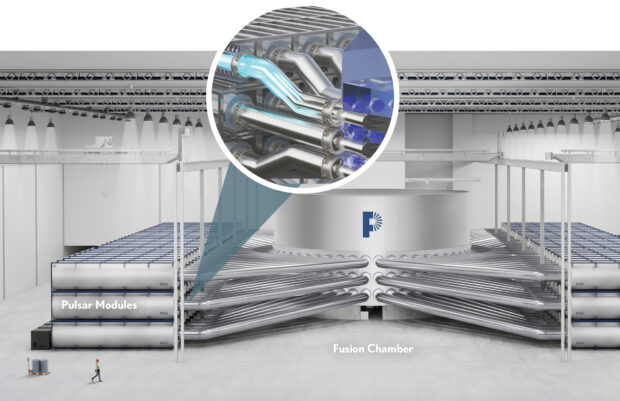
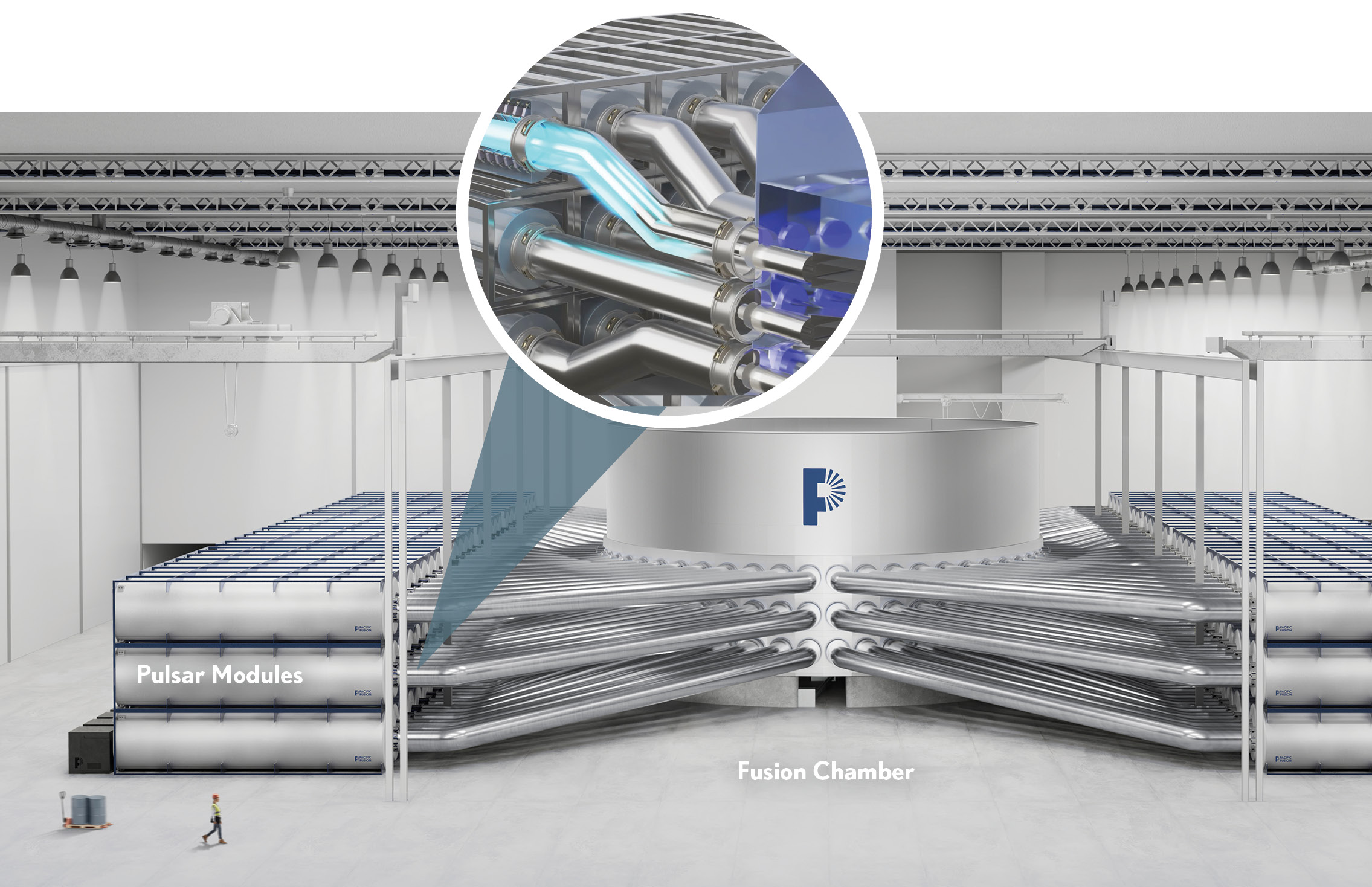
A rendering of Pacific Fusion’s reactor, which uses a method of creating nuclear fusion that employs electrical pulses to compress and heat the fuel.

Pacific Fusion’s method of creating nuclear fusion uses electrical pulses generated in pulsar modules to compress and heat the fuel. Capacitors discharge their energy toward the fusion chamber in the center.

A fusion company needs to create high temperatures for the fusion reactions, high plasma density and long confinement time, which refers to how long particles are confined within the plasma before losing their energy. Magnetic confinement focuses on producing long confinement times, while inertial confinement produces intense pressures to increase the density.

In Pacific Fusion’s approach, they start with a cylinder of fuel inside a pencil eraser-sized conducting metal container. They then drive a large electric current through it, which generates a magnetic field, and the electromagnetic interaction generates a force that compresses the fuel. It’s like a can crusher, except much more extreme, Zylstra says.
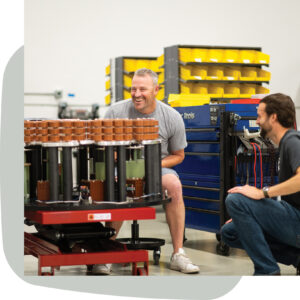
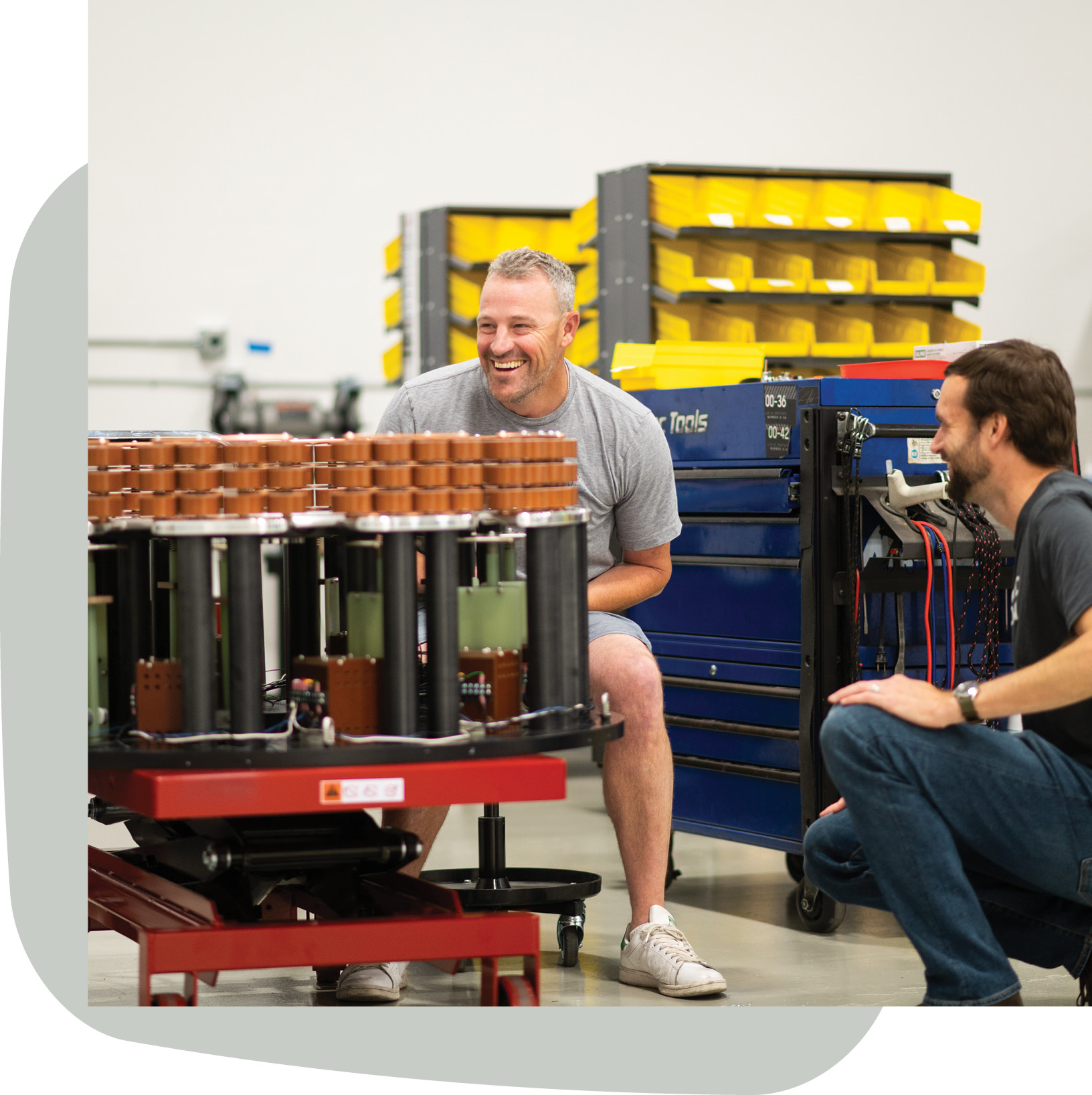
Alex Zylstra ’09 (right) with a colleague working on nuclear fusion. Photo courtesy of Pacific Fusion.

Nuclear fusion and nuclear fission sound similar, and both sometimes have associations with nuclear weapons research. (Almost all countries with multiple fusion startups also have nukes, with the exception of Germany and Japan.) But they’re rather different. Fusion refers to combining nuclei, while fission refers to breaking them apart.

For fusion, the reactions are hard to start and easy to stop, but for fission, it’s the opposite; when the reaction gets out of control, it leads to a meltdown, with safety and health risks that are well-known, thanks to the fallout of disasters like Chernobyl, Three Mile Island and Fukushima. Fission also requires environmentally harmful uranium mining and larger quantities of fuel, and it produces toxic waste that’s radioactive for millennia, while fusion only requires small amounts of tritium, which is only mildly radioactive.

As Zylstra sees it, fusion comes with some long-term challenges, such as limited global supplies of tritium for fuel, but overall, these considerations add up to huge advantages for fusion, if it can indeed become a bona fide energy source.
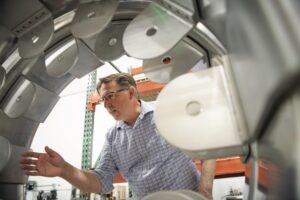
Keith LeChien, Pacific Fusion’s CTO and co-founder.

Keith LeChien, Pacific Fusion’s CTO and co-founder. Photo Courtesy of Pacific Fusion.

Fusion advocates got a massive boost from recent breakthrough experiments at Livermore that briefly produced more energy than was put in—more than 3 megajoules of fusion energy output with 2 megajoules of laser energy input—a milestone called scientific energy break even or fusion ignition. “The National Ignition Facility at Lawrence Livermore National Laboratory succeeded in achieving ignition in 2022, in great part thanks to Alex,” says Hans Herrmann, Zylstra’s former mentor at Los Alamos National Lab and now a consultant for Pacific Fusion.

After that quantum leap, funding started streaming into fusion startups, with several new companies forming, including Pacific Fusion. Now that ignition has finally been demonstrated, Herrmann believes that fusion companies will be “putting electrons on the grid” well within 20 years. That may or may not come soon enough to matter for combating global warming, but it does appear to offer an improvement over some current energy sources.

*        *        *

A historic shift has begun to take place as private sector investment in nuclear fusion—recently surpassing $10 billion—could soon outpace government funding. Fusion has expanded from the academic experiment stage to a global proliferation of companies all racing to develop commercially feasible reactors. Zylstra’s career has mirrored that shift, as he has transitioned from academia to industry.

“I consider my career to be successful if I play a role in putting fusion power on the grid.”
—Alex Zylstra

Zylstra had his first laser research experience at Pomona, learning from and working with Dwight Whitaker, a professor of experimental physics and former chair of Pomona’s Department of Physics and Astronomy. “He was outstanding, really quick to pick up how everything works. It felt like working with a colleague,” says Whitaker.

As one of Whitaker’s first thesis students, Zylstra tried to advance experiments to turn gases into a unique quantum state called a Bose-Einstein condensate. At one point, he figured out how to build an electronic box, designed so that they wouldn’t accidentally burn their detector to a crisp with the high-powered lasers. But sometimes with experiments, things don’t work, Whitaker says.

“He had the right sort of mindset to get through those difficulties. You’ve really got to take your lumps, keep moving forward and keep trying things.”

Whitaker praises Zylstra’s career path. Working in national labs and in the fusion energy industry requires becoming a multidisciplinary physicist, engineer and people manager—a rare combination of skills that Zylstra possesses, Whitaker says.

Herrmann similarly highlights Zylstra’s experimental and computational skills, which transfer well to fusion energy R&D. “He’s well-rounded and can master just about any technical problem that’s thrown at him. He’s got the most creative and brilliant problem-solving capability of just about anyone I know,” Herrmann says.

After Los Alamos, Zylstra went on to Lawrence Livermore, where he collaborated with physicist Steven Ross ’03. Their work together included an award-winning research project published in 2024 that built on the previous burning plasma experiments at the National Ignition Facility. In particular, they demonstrated the importance of symmetry, since uniformly compressing the implosion improves how much energy can be produced by such fusion reactions. Ross also compliments Zylstra on his research style. “We’re lucky to have very talented people at the lab and he fit right in: very detail-oriented, meticulous, while executing these complex experiments,” Ross says.

As ongoing investment continues to super-charge the industry, many top researchers like Zylstra have gone from labs and major universities to join startups. For example, the biggest fusion company, Commonwealth Fusion Systems, spun out of MIT, and is focused on designing tokamak reactors. First Light Fusion came out of Oxford, using an approach based on somewhat similar technology as Pacific Fusion’s, and Thea Energy spun out of stellarator research at the Princeton Plasma Physics Laboratory.

*        *        *

For Zylstra, commercial fusion is feasible in the near future, but success depends on advancing along three dimensions: sound science that builds upon work done at national labs; a plausible path based on known technology and engineering; and, of course, viable economics. “At the end of the day, if you can’t make a power plant that produces energy at an economically competitive price, then what’s the point?” he says.

Nuclear Fusion
By The Numbers

100 million°C, the temperature reached by plasma in reactors necessary to overcome electrostatic repulsion.


Nuclear energy can theoretically generate 4 million times more energy per kilogram of fuel than burning coal or oil.


To confine the plasma, some fusion devices generate electrical currents 10x a bolt of lightning (making it arguably the most complex machine ever built).


Fusion reactors use special superconductors that create compact magnetic fields by operating at roughly -196°C … which is significantly colder than the liquid nitrogen doctors use to burn off warts and skin cancers.


Pacific Fusion is now building a demonstration system in Albuquerque, and by 2030 they aim to go beyond fusion ignition and achieve “net facility gain,” where they produce more energy than is stored in the entire facility—an effort that is being led by, among others, Zylstra. They’re also working on the commercial side of things, making their fusion system modular and affordable so that it becomes possible to mass manufacture fairly simple components for easily assembling power plants. Pacific Fusion aims to have its commercial plant online in the mid-2030s.

Ultimately, a few fusion companies may find ways to successfully and economically generate energy. “It is important to have multiple efforts going, including Pacific Fusion. You never know exactly where the most perfect solutions to the engineering challenges will be,” says Keith LeChien, Pacific Fusion’s CTO and co-founder.

Other companies have similarly ambitious goals. Commonwealth Fusion wants to have its first commercial plant built and running in Richmond, Virginia, in the early 2030s. Helion Energy’s target for putting electricity on the grid is as soon as 2028. These facilities are designed to have an electricity generating capacity in the range between 50 and 400 megawatts, enough to power tens of thousands of households (or a single large data center). The race is on, even if some of these timelines turn out to be a little unrealistic.

In the meantime, other sectors of the clean energy industry have been growing. Solar and wind energy capacity continue ramping up, despite federal government recent attempts to undermine them, and they’re projected to provide most non-nuclear energy in the United States by 2050, with significant energy contributions also coming from hydropower, fission and geothermal sources. As efforts continue to advance a clean energy transition within the next decade or two, could Pacific Fusion and others in the industry transform energy generation with fusion?

“Personally, I consider my career to be successful if I play a role in putting fusion power on the grid,” says Zylstra.
Family Ties

On National Siblings Day (April 10), we went looking for some Sagehen siblings on campus. We love these two pairs:


Siblings Isadora Raines-Hepple ’28, Neuroscience and Jackson Raines-Hepple ’28, Geology

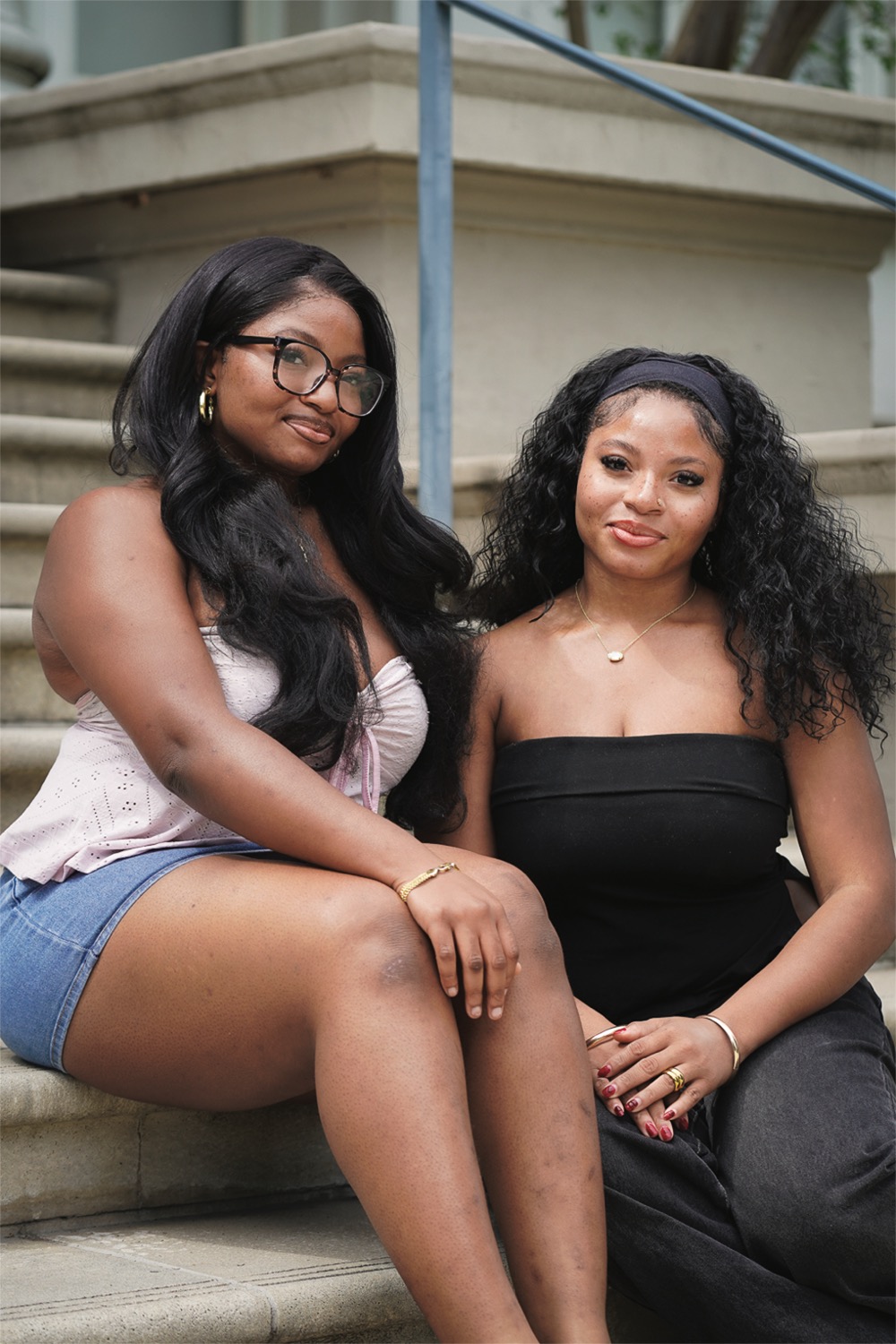
Chidimma Chukwuocha ’29,
Molecular Biology; Chimuanya Chukwuocha ’28, Neuroscience

Both are QuestBridge Scholars from East Hartford, Connecticut. When Chim was matched with Pomona, Chidimma says her “heart dropped” because of how far away her sister would be. A year later, Chidimma also matched with Pomona, and Chim “was the happiest for me. She started tearing up.”


Isadora Raines-Hepple ’28, NeuroscienceChidimma Chukwuocha ’29, Molecular Biology; Chimuanya Chukwuocha ’28, Neuroscience
Jackson Raines-Hepple ’28,
Geology

The twins left Fresno, California, to become roommates here and sing in the Pomona College Choir and Glee Club together. “A lot of our mutual friends are in Glee Club,” says Jackson. “We have a lot of the same friends and a lot of different ones.”

Into the Eye

With his new documentary feature, director Miko Lim ’02 takes SXSW by storm.

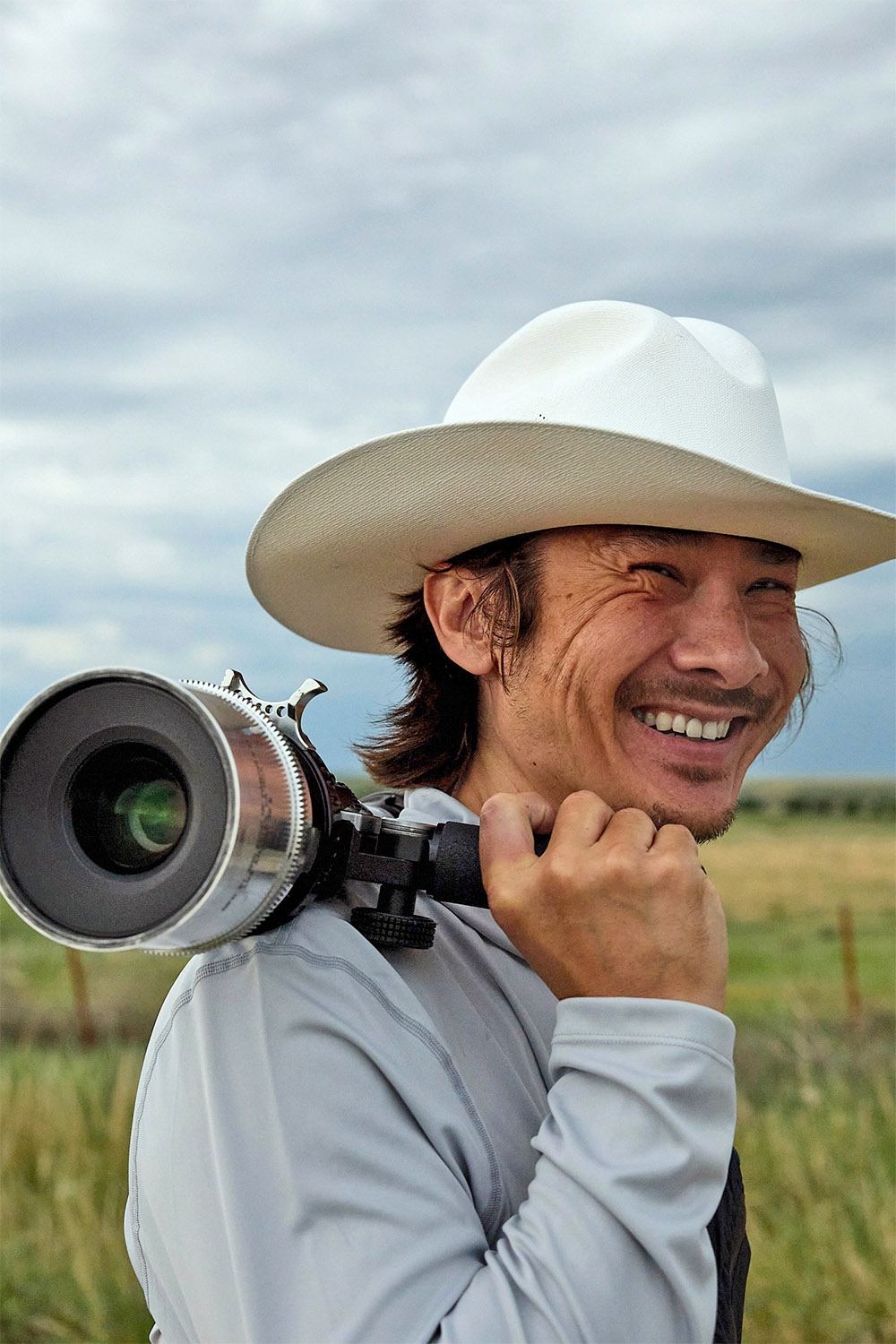
Miko Lim self portraitWhen he first saw a photo of Hurricane Katrina taken by storm chaser Jeff Gammons, Miko Lim ’02 felt as if he was looking at a nebula in outer space. “I was immediately drawn to it,” says Lim, a filmmaker based in Los Angeles. “Everybody else’s work seemed to capture a lot of death and destruction, but his was such an artistic take on natural phenomena.”

Lim hired Gammons, a photographer and videographer, for a commercial he was directing, and after the shoot they kept talking. Those conversations led Lim—who has directed campaigns for Adidas, Nike and Disney and won a Clio for his short film Ocean Mother—to embark on his first feature documentary. Stormbound, which chronicles Gammons’ life and pursuit of extreme storms, had its premiere at South by Southwest (SXSW) in March, where it won the Special Jury Award for Best Feature Documentary, followed by a European debut at CPH:DOX in Copenhagen.

Lim was drawn to Gammons’ life story not only because he braved life-threatening storms and captured them in all their sublime beauty, but because he did so while battling a litany of illnesses and diseases, including spinal cancer and heart and kidney failure.

“This is a guy who’s been dealt the worst possible hand health-wise,” says Lim, “and yet he is still driven to go out into the world and see it with marvel and wonder and hope. It was very inspiring to me.”

After initial meetings with studios more interested in the newsworthy angle of the story than in the personal journey he wanted to share, Lim met Adam McKay (The Big Short, Vice), who understood his vision and signed on as executive producer. With McKay on board, IMAX quickly bought into the project, providing funding and access to the full array of IMAX cameras.

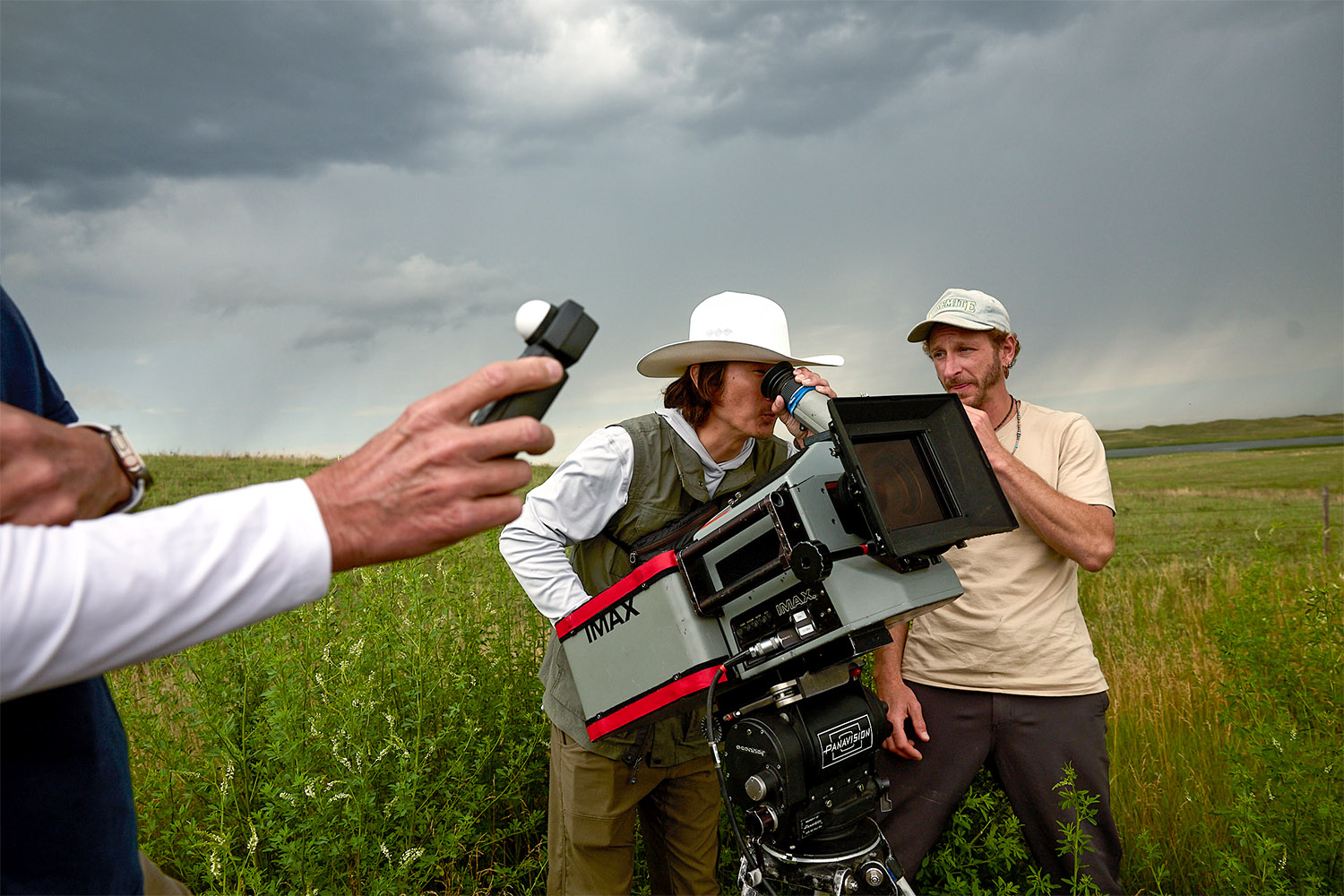
“It was a wonderfully hard experience,” says Lim. “There’s a reason why people just film these things on their phones and GoPros. We were out there lugging 80-pound cameras the size of a fridge into these storms.”

Miko Lim filming Stormbound with an IMAX camera.

Miko Lim filming Stormbound with an IMAX camera.

Using IMAX cameras was important to Lim because they are “inherently more cinematic” than digital cameras. As well as the “fun impossibility of it,” he also appreciated the taller aspect ratio, which is more similar to an old TV than the modern widescreen format.

“So much of this film is literally and metaphorically about looking up. So having a screen this high allowed us to frame things where we can still see our subjects down at the bottom, but we can see the sky opening up and exploding in front of them all in one image rather than having to pan up.”

Premiering the film at SXSW seemed fitting, he says, given that Texas is at the bottom of Tornado Alley and the documentary takes place almost entirely on the roads of the U.S.

A pre-med student at Pomona, Lim realized while doing an oncology research project at UCLA that he might not be able to handle the emotional toll of being a doctor. Having taken a creative writing elective with David Foster Wallace, he decided to tap into his artistic side and applied for a script reader job on Craigslist.

That turned out to be an internship at Angelina Jolie and Billy Bob Thornton’s production company. “I walked in blind to that, just trying out something new, and that got me into the idea of using my imagination and creating things. That gave me the bug.”

Lim still takes on occasional commercial work. It can be creatively liberating, he says, and it is also lucrative (he has three kids). Recently, he has been moving more into TV and has started writing his first narrative feature.

“I’m very interested right now in these tiny, intimate stories about people in massive worlds that feel otherworldly,” he says. “You get older and you feel like this world is such a big, magical place, and you’re so small in it, and it’s not a bad thing. Your little story is just as exciting and lovely as the story of the whole universe.”


Making Her Met Debut

Lucy Shelton ’65 takes to the famous stage for the first time at age 82.

Lucy Shelton Portrait

Photo by KARJAKA STUDIOS

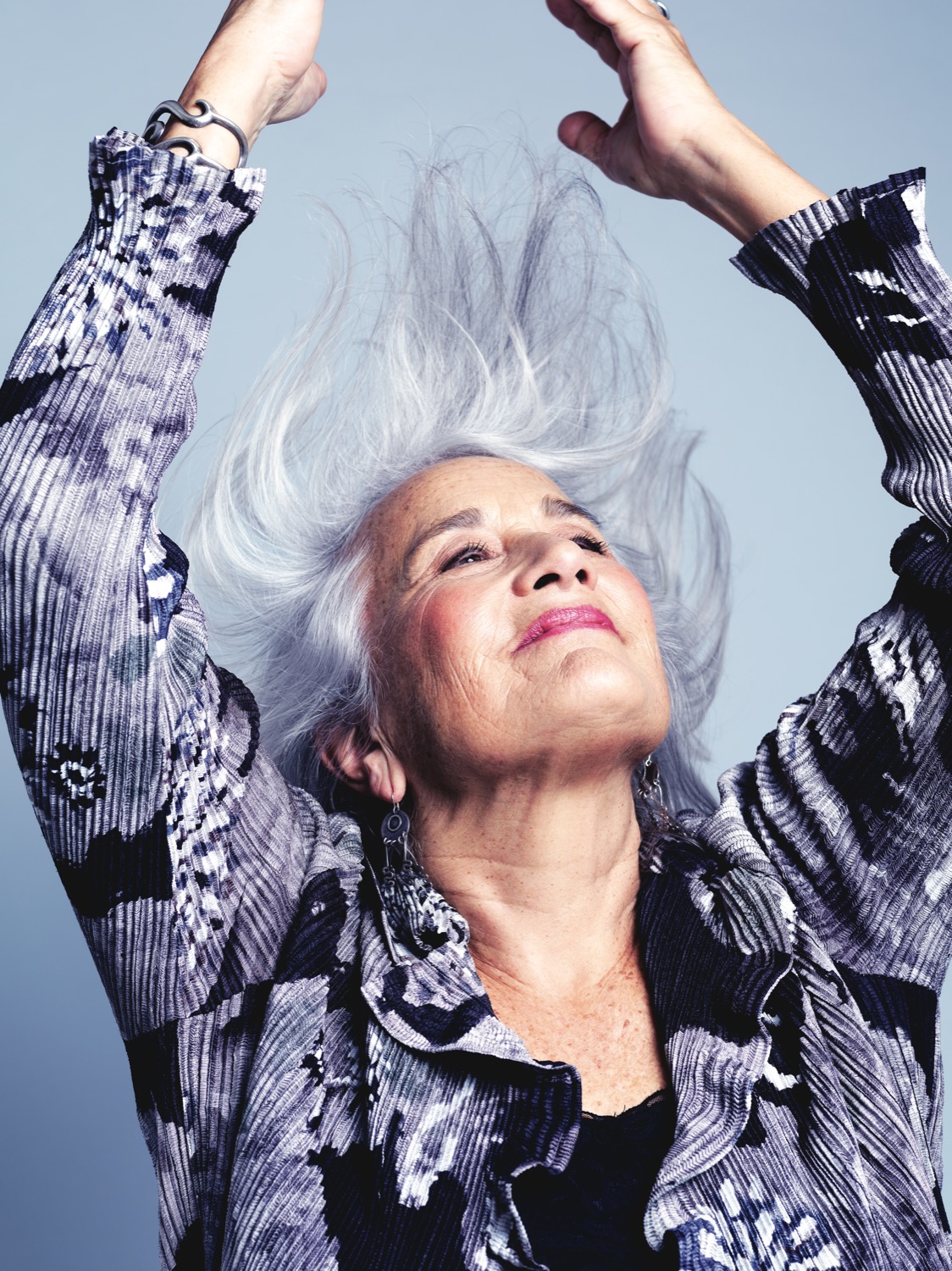
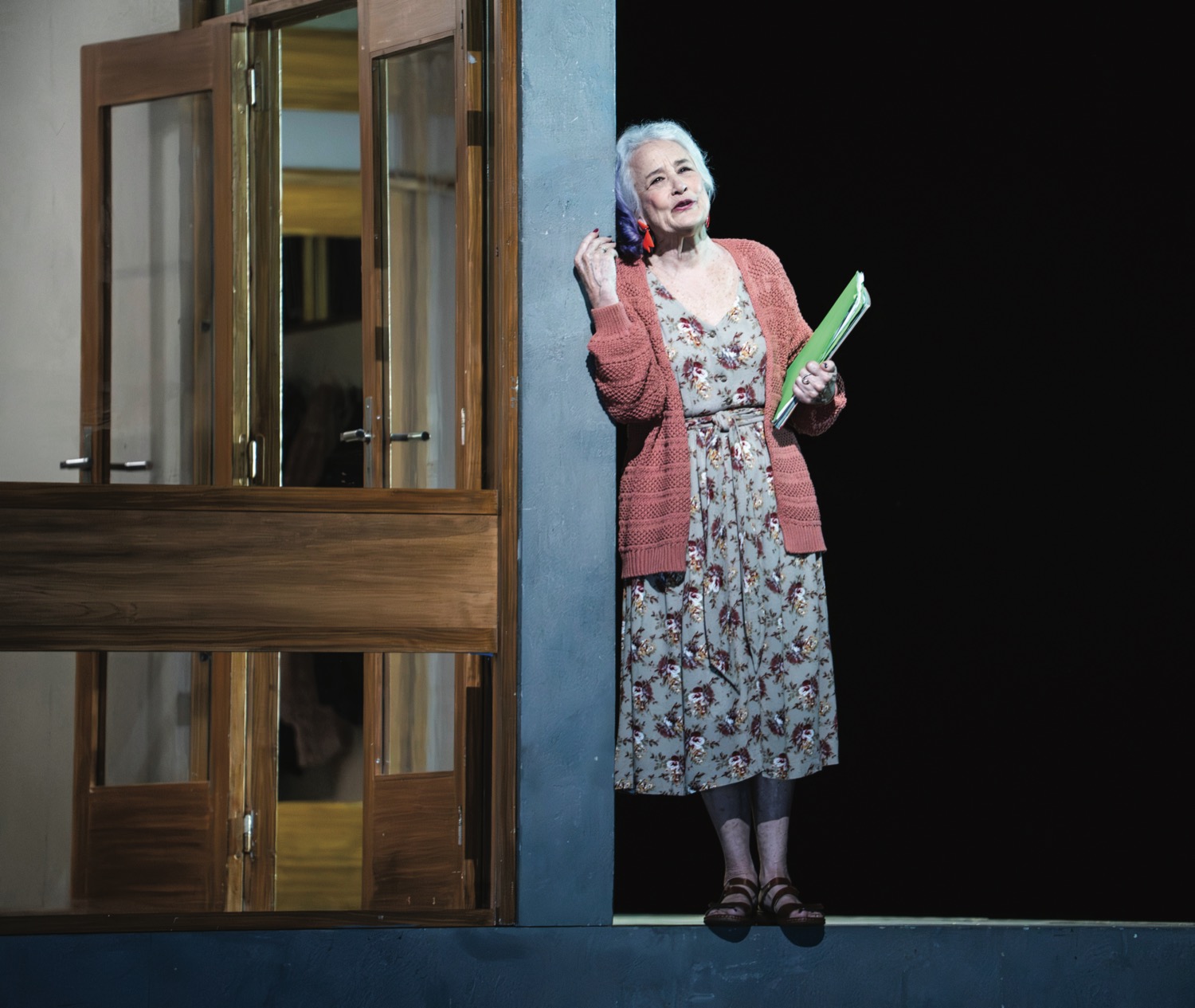
When soprano Lucy Shelton ’65 celebrated her 75th birthday in 2019 with a special concert in Manhattan’s Merkin Hall, she thought it might be her last public performance. Shelton, who is internationally acclaimed for her work in contemporary music, performed that night with more than a dozen colleagues and former students and sang several pieces that had been written especially for her over the years.

It could have been a fitting finale to an extraordinary career. But that’s not how it turned out. Since 2021, Shelton has sung on stages around the world—in Aix-en-Provence, Helsinki, London, Amsterdam, San Francisco and Adelaide—as The Teacher in Kaija Saariaho’s final opera Innocence and, in 2024, in a role tailor-made for her in the world premiere of Laura Kaminsky’s chamber opera Lucidity.

When Innocence, which tells the story of a school shooting and its aftermath, premiered at the Metropolitan Opera in April, Shelton made her debut at that hallowed institution at the age of 82.

Shelton’s explanation for her career’s longevity? “I simply love making music.” Beyond that, she thinks she is still able to sing “because I’ve used my voice in many different ways over all of these decades and always found ways to meet the various challenges of the repertoire.”

The distinctive feature in her dramatic role in Innocence is that it primarily uses sprechstimme (speechsong) rather than traditional operatic singing. Shelton is renowned for this expressive style developed in the early 20th century. Saariaho knew of her mastery of sprechstimme and had Shelton in mind when composing the role.

Lucy Shelton ’65 as The Teacher in Innocence

Lucy Shelton ’65 as The Teacher in Innocence

Shelton grew up in Claremont (her father was a Pomona College geology professor and grad) and music was a frequent family activity—her parents met at a music camp in Massachusetts. All five children took piano lessons and studied another instrument as well. Shelton remembers “singing rounds and Bach chorales and silly versions of Christmas carols, where we experimented with sliding between pitches and making weird dissonances. Even as a kid I loved the tension of dissonance and the beautiful release of the consonance that followed!”

After attending Vermont’s Putney School, a high school with an “extraordinary music program,” Shelton entered Pomona College. “I knew how wonderful music at Pomona was, having attended concerts at Big and Little Bridges all my life. Bill Russell, Doc Blanchard and Karl Kohn were all family friends and neighbors.”

While a music major at Pomona, Shelton played flute in the band and orchestra and sang in Choir and Glee club. She took leading roles in the annual Gilbert and Sullivan productions, garnering admiration from fellow students including Deb Hunter ’65. “I followed her because she was quite a star,” says Hunter. “She was just very special even then.”

Hunter, along with 37 other members of the Class of ’65, attended the Met production of Innocence, celebrating their classmate with a reception and dinner after the matinee performance. “I intended to go myself,” says Hunter, “and just threw out the idea at our 60th reunion.”

Debuting at the Met was never a goal for Shelton, whose calendar was already filled with exciting performing opportunities. “It was never something I had imagined or even hoped for,” she says. “I’m delighted—it is a big deal, obviously! But the main big deal is that this opera is such a stunner.”

After all those performances around the world (and she will again sing the role in Paris in November of 2027), Shelton still finds herself moved by the opera. “It is a sublimely devastating drama with astounding music from Saariaho. It still gets me.”