Articles Written By: jhhd2026@pomona.edu

Sagehens Find Community in the Nation’s Capital

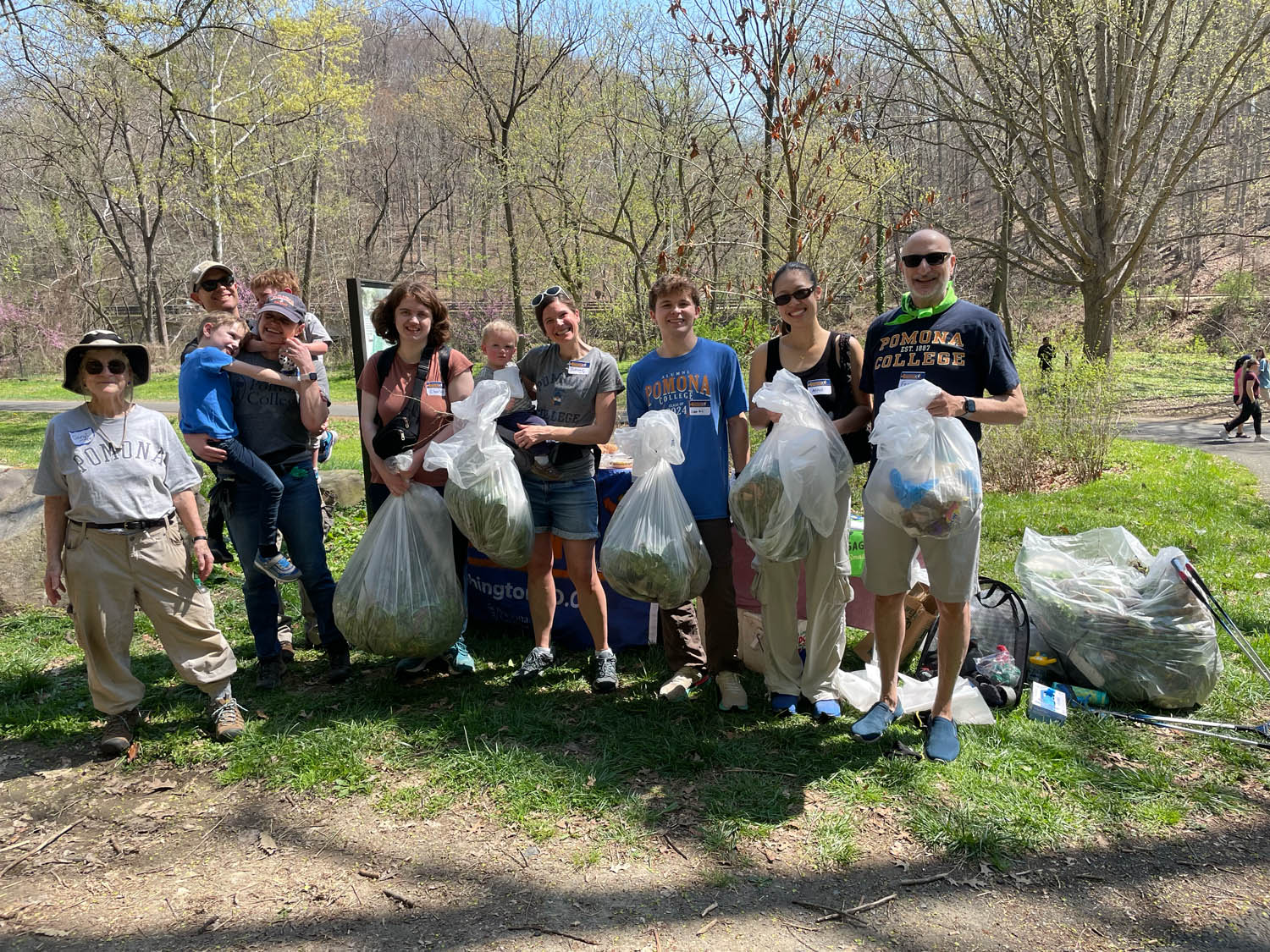
Group of Pomona alums doing trash pick up in Washington, D.C.

Caryl McNeilly ’79 (left), Nina Ye ’24 (second to right) and Frank Albinder ’80 (right) roll up their sleeves for the annual 4-7 Day of Service, helping clean up their local community during a neighborhood trash pickup.

After graduation, Nina Ye ’24 was eager to put her politics, philosophy and economics degree to good use when she moved across the country to Washington, D.C., for a role in the federal government. But in less than a year, her career came to a sudden halt when the agency was affected by mass layoffs.

As federal workforce reductions reshaped the region, a career networking event with the Pomona College Washington, D.C. Regional Chapter became more than a professional gathering. For those like Ye navigating an uncertain time, it offered the comfort of a Pomona community 2,600 miles from campus.

“I had only been out of college for a year, so finding a village of Sagehens who genuinely wanted to help each other made D.C. feel like home,” Ye says.
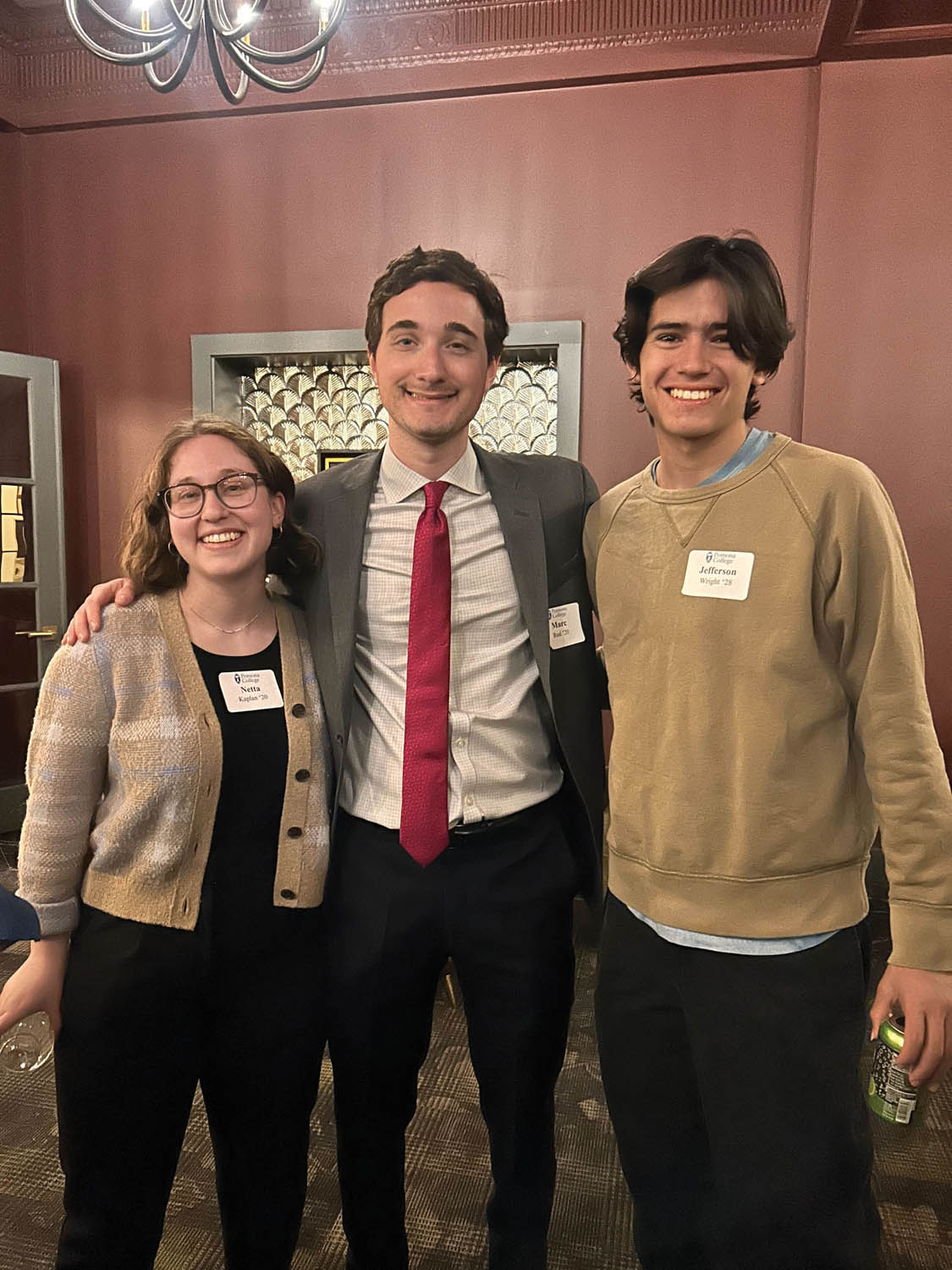
Three Pomona alums at a winter break party

(From left to right) Netta Kaplan ’20
and Marc Rod ’20 meet current student
Jefferson Wright ’28 at last year’s Winter
Break Party, where Sagehens from
different generations came together.

That sense of belonging is at the heart of Pomona’s regional chapters. Part intellectual community, part social network and part touchstone, the chapters create places for Sagehens to carry the College wherever they go.

However, few places demonstrate that quite like Washington, D.C.

Reestablished in 2023, the D.C. chapter has grown into a thriving Sagehen community of more than 1,000 alumni and 100 family members of current students within a 60-mile area of the nation’s capital. It is one of Pomona’s 10 regional chapters, which are open to alumni and families alike and designed to help Sagehens stay connected to the College and one another.

At any Washington event, a Sagehen who arrived weeks ago might find themselves talking with a 40-year resident. Journalists meet lawyers; public servants mentor students; graduates from the 1970s trade stories with those who left campus only months ago.

For chapter chair Teresa Kwong ’91, that is what makes it so distinctive.

“This city is a place of comings and goings, but Pomona gives us a shared foundation—you can quickly walk in a room and feel like you’ve found your people,” she says.

Kwong is part of the chapter’s seven-member leadership committee, along with Caryl McNeilly ’79; Frank Albinder ’80; Amy Van Buren Rhodes ’07; Marc Rod ’20; Daniel Silverman ’19; and Ye. Their lives and careers have taken markedly different paths, but Kwong says they each bring something different to the community they are building together.

That range is reflected in the chapter’s programming, too. Events have explored topics from human trafficking to election analysis to international affairs, as well as service and networking events.
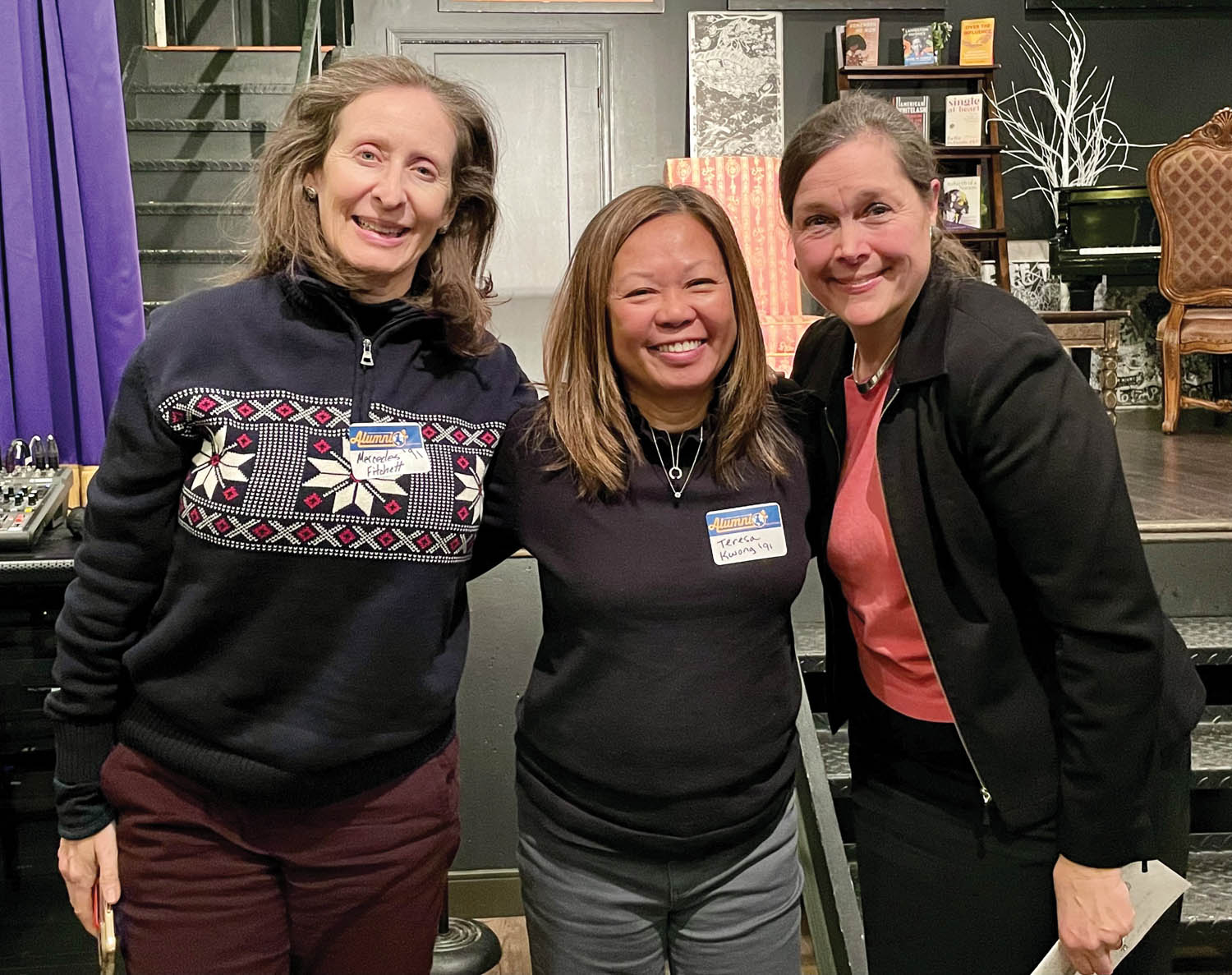
Three female Pomona alums meet up

(From left to right) Mercedes Fitchett ’91,
chapter Chair Teresa Kwong ’91 and
Martina Vandenberg ’90 reconnect at
an event where Vandenberg shared
insights from her work combating
human trafficking.

For Rod, a senior congressional reporter, he points to a chapter event featuring Pomona Politics Professor Mietek P. Boduszyński and his work on Ukraine-related issues at the Department of Defense as one example of how the chapter helps extend the College’s intellectual life far beyond the classroom.

McNeilly, who moved to D.C. in 1980, says she has found particular value in the chance to meet Sagehens whose experiences differ from her own, calling these connections “invaluable.”

The chapter’s leadership committee hopes for even more of these encounters in the years ahead. Kwong wants the chapter to grow by bringing new voices into the fold. McNeilly would welcome more visits from Pomona faculty, creating opportunities for lifelong learning. Ye envisions partnerships with other chapters, including New York, that could bring Sagehens together across an even wider geography.

“I’ve seen firsthand how, when life takes an unexpected turn, this community shows up and has a way of helping people rediscover what it means to be a Sagehen,” says Ye.

For a city of arrivals and departures, those connections take on particular meaning: someone is always new, while someone else always knows the way around. And in the span of one gathering, Sagehens whose lives might otherwise never intersect find themselves flocking to a nest entirely their own.

Interested in joining a regional chapter in your area? Visit our website to find one near you.
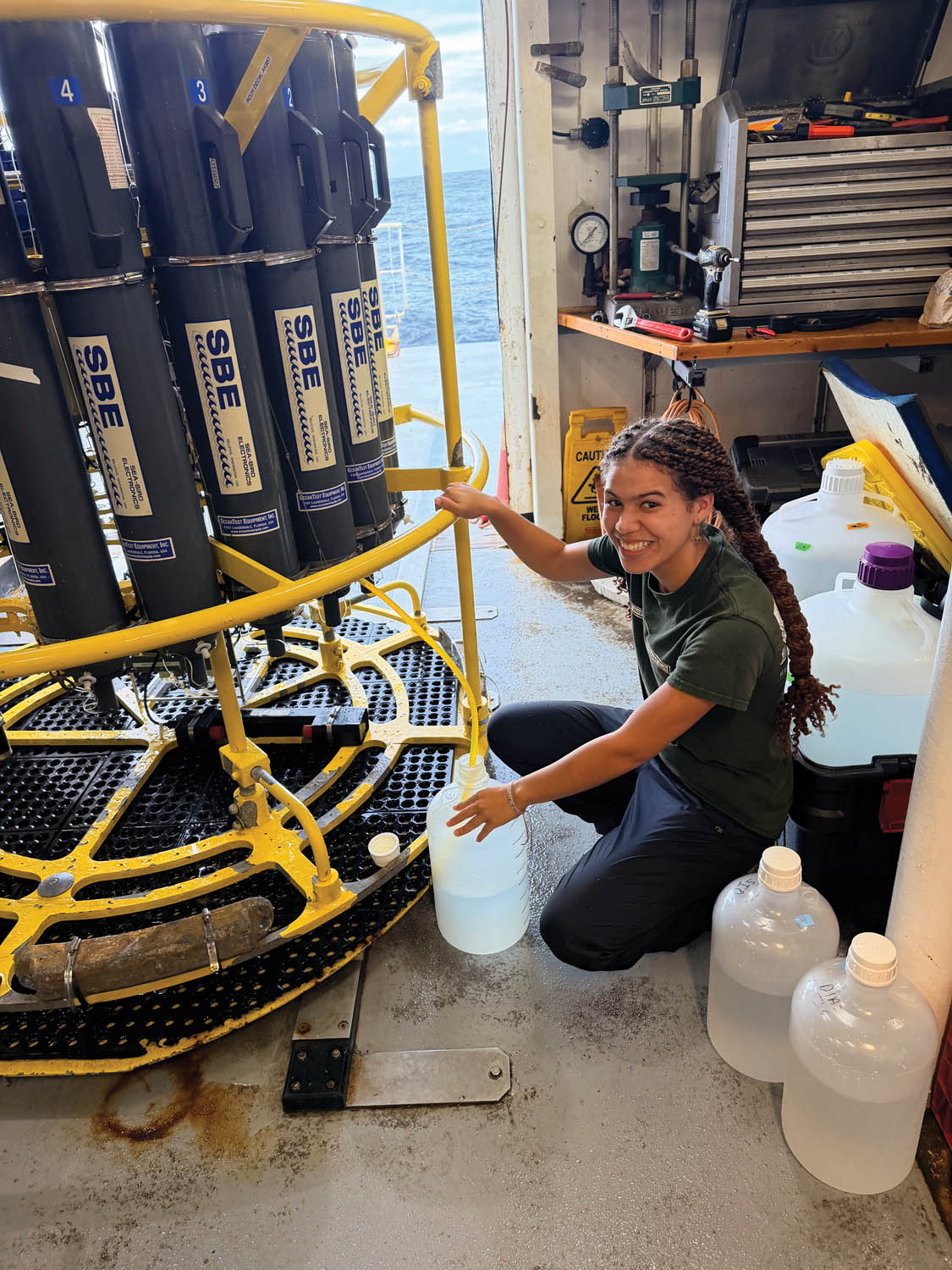
Student Spotlight: Elle Hawthorne ’29

Hometown: Wilton, Connecticut
Intended Major: Double major in geology and environmental analysis
Peak Pomona Experience: Participating in a one-month oceanographic research cruise from San Diego to Hawaii to study the role of nutrients in the ocean.


Student working on science project aboard a research vesselHow it happened: I took an Intro to Geology class taught by Professor Maria Prokopenko, with a focus on oceanography. One day she mentioned she would be at sea for a month doing research this summer in the North Pacific. I went up to her after class and asked if she was looking to take any students. She was!

Onboard: There were scientists and grad students from the University of New Hampshire, University of Minnesota, Texas A&M, USC and Scripps Institute of Oceanography at UC Diego. Charlotte Renner PZ ’27 and I were the only undergrads.

A typical day: We would start sampling water around 7 a.m. and wrap up close to 8 p.m. When we were traveling to another station, it was more relaxed, and our only responsibility was to collect samples of surface water every four hours. On those days, we got to do recreational activities like fishing. One of the crew members was from Hawaii and she gave us lessons in hula and Hawaiian culture.

Takeaway #1: There were a couple of times where people would notice something interesting in the water and say, ‘OK, let’s go run an experiment.’ I thought that excitement and willingness to explore things they didn’t understand was really cool.

Takeaway #2: At the beginning I felt nervous and didn’t ask too many questions. As I became more comfortable, when something confused me, I would talk to people, and sometimes it turned out they didn’t understand it either. Asking questions benefited everyone because then we had more things to explore and discuss.

Takeaway #3: I learned just how much we don’t know about the ocean. I was reminded how vast and important it is.

By the numbers: Charlotte and I did a tally of how many liters of water we filtered to see how much we had accomplished. We estimated around 2,600 liters.

Post-Pomona: This experience has solidified my interest in geology and made me consider going to grad school for oceanography. A lot of the time I was there, I was thinking I could totally see myself doing this as a career, so that’s a great insight to have.

Career Corner: Data Driven

Ali Bennett ’27

Hometown: San Francisco
Major: Mathematics
Pomona sport: Women’s Basketball

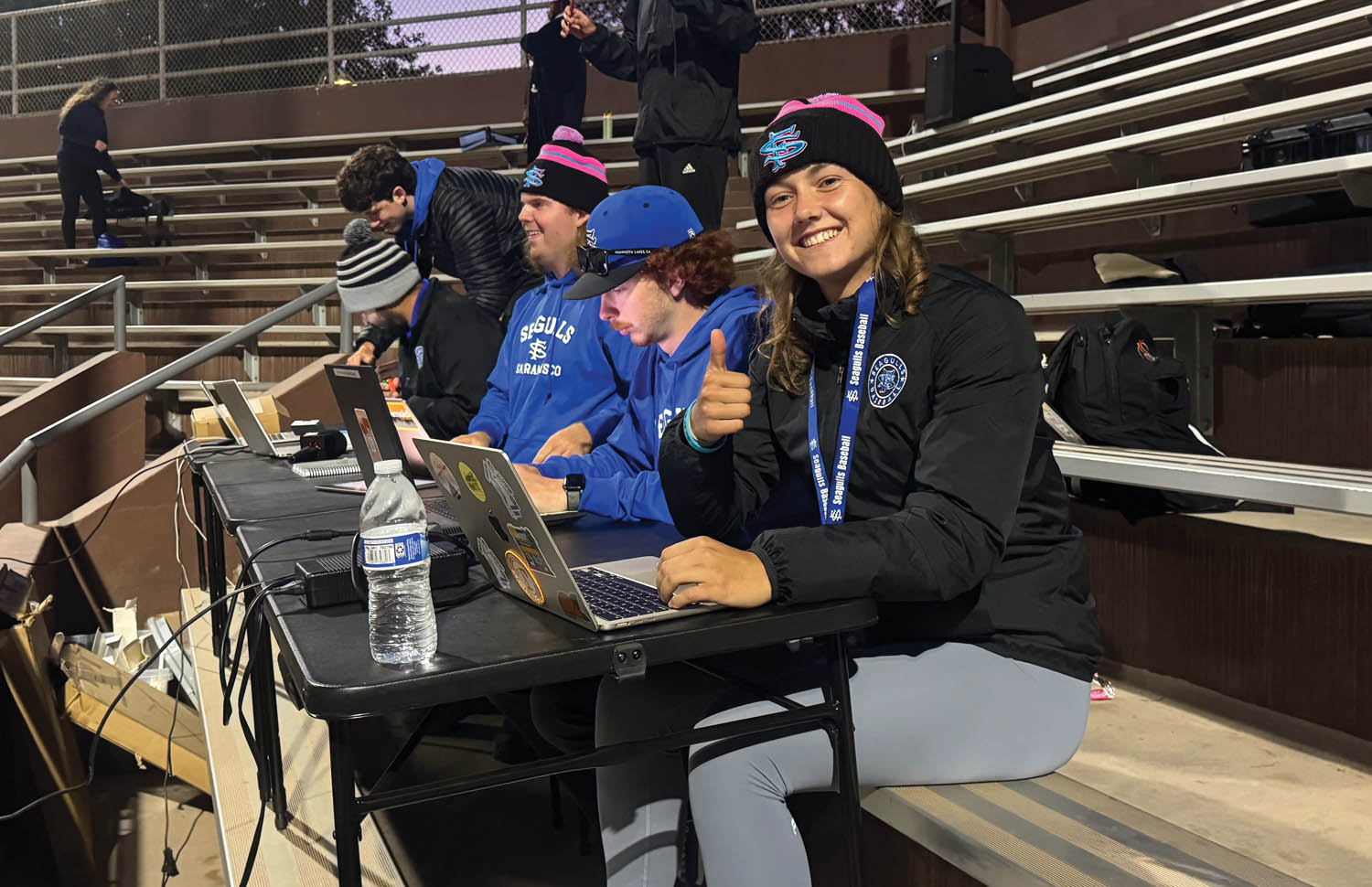
Pomona alum Ali Bennett in the standsAli Bennett ’27 has been fascinated by sports analytics since she read Michael Lewis’ renowned 2003 book Moneyball: The Art of Winning an Unfair Game her first year at Pomona College.

This summer, she used the Pomona College Internship Program (PCIP) to learn what would be required of her should she pursue a career in such a data-driven field.

Bennett interned with the San Francisco Seagulls Baseball Academy, which offers all-season developmental teams for youth, high school and collegiate ballplayers.

As a data and analytics intern, Bennett worked with game-day technologies that track player movement, keep live score and record gameplay from different angles on the field.

Between first pitches, she drew up scouting reports, cut video upon request and crafted a dashboard for players to see their statistics. She was also expected to be on top of communication and respectful of others’ time—the same habits that help her basketball team function.

“Quick and reliable communication helps build trust and makes everything run smoothly,” she says.

The six-week apprenticeship has convinced Bennett to pursue a career in sports analytics—a path several Pomona alumni have followed in recent years to great success.

She intends to use her experience in San Francisco to guide her senior thesis, and after she concludes her playing career at Pomona this winter, she plans to look for analytics work in basketball, her true love.

“I’m looking forward to coming up with useful connections between the sport and the numbers,” she says. “It’s super cool to now know I can use numbers to make a big impact on the game.”

Board of Trustees Elects Four New Members

Four newly elected members of the Board of Trustees began their term on July 1. Justice Halim Dhanidina (Ret.) ’94, Robi Ganguly ’00 and Cosimo H. J. Thawley ’11 are Pomona alumni. Bill Riley is the parent of a 2026 graduate.

“Trustees play a vital role in the leadership of the College,” says Geoff Pearson, secretary to the board. “They ensure that the College maintains its academic excellence and long-term sustainability through the strategic direction and fiduciary oversight they provide.”


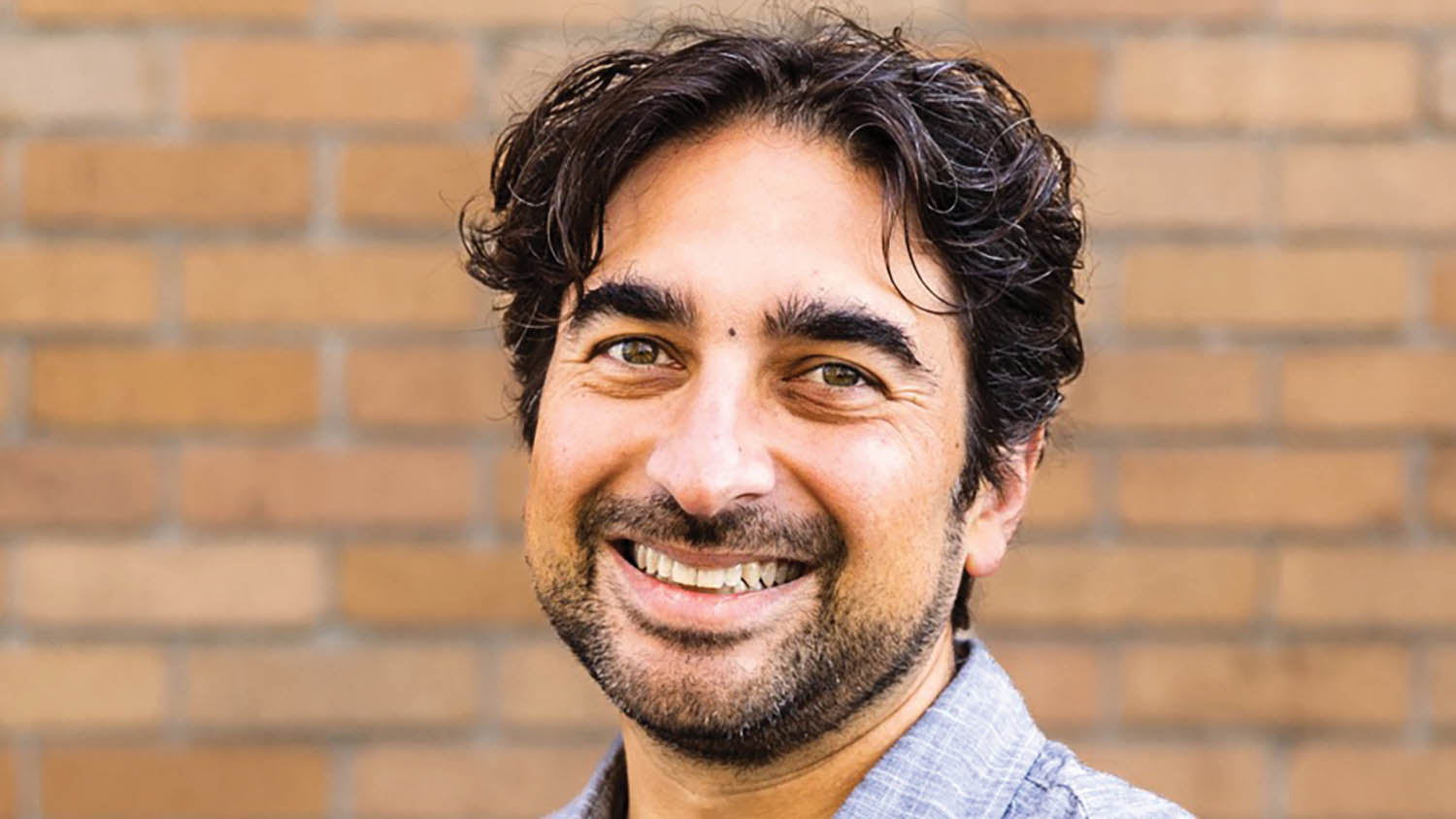
Head shot of Justice Halim DhanidinaDhanidina is dean of the Western State College of Law and was the first Muslim judge in California when appointed to the Los Angeles County Superior Court in 2012.


Head shot of Roby GangulyGanguly began his two-year term as president of the College’s Alumni Association Board in July. A co-founder of the software company Apptentive, he now invests in and advises early startups and coaches CEOs of new ventures.


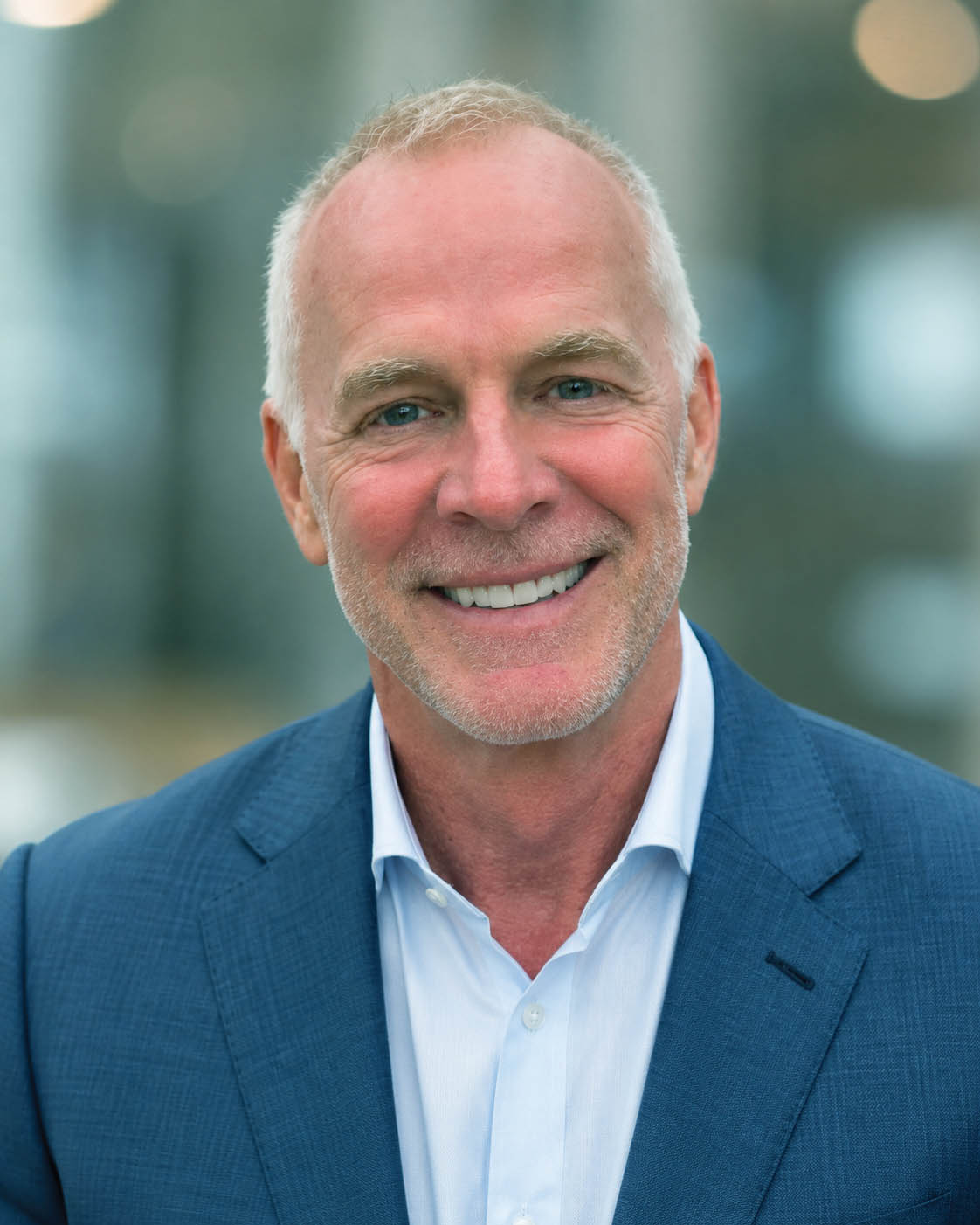
Headshot of Bill RileyRiley recently chaired the College’s Family Leadership Council. He is a partner at Twin City Dealerships in Knoxville, Tennessee, and was board president for the Knoxville Symphony Orchestra.


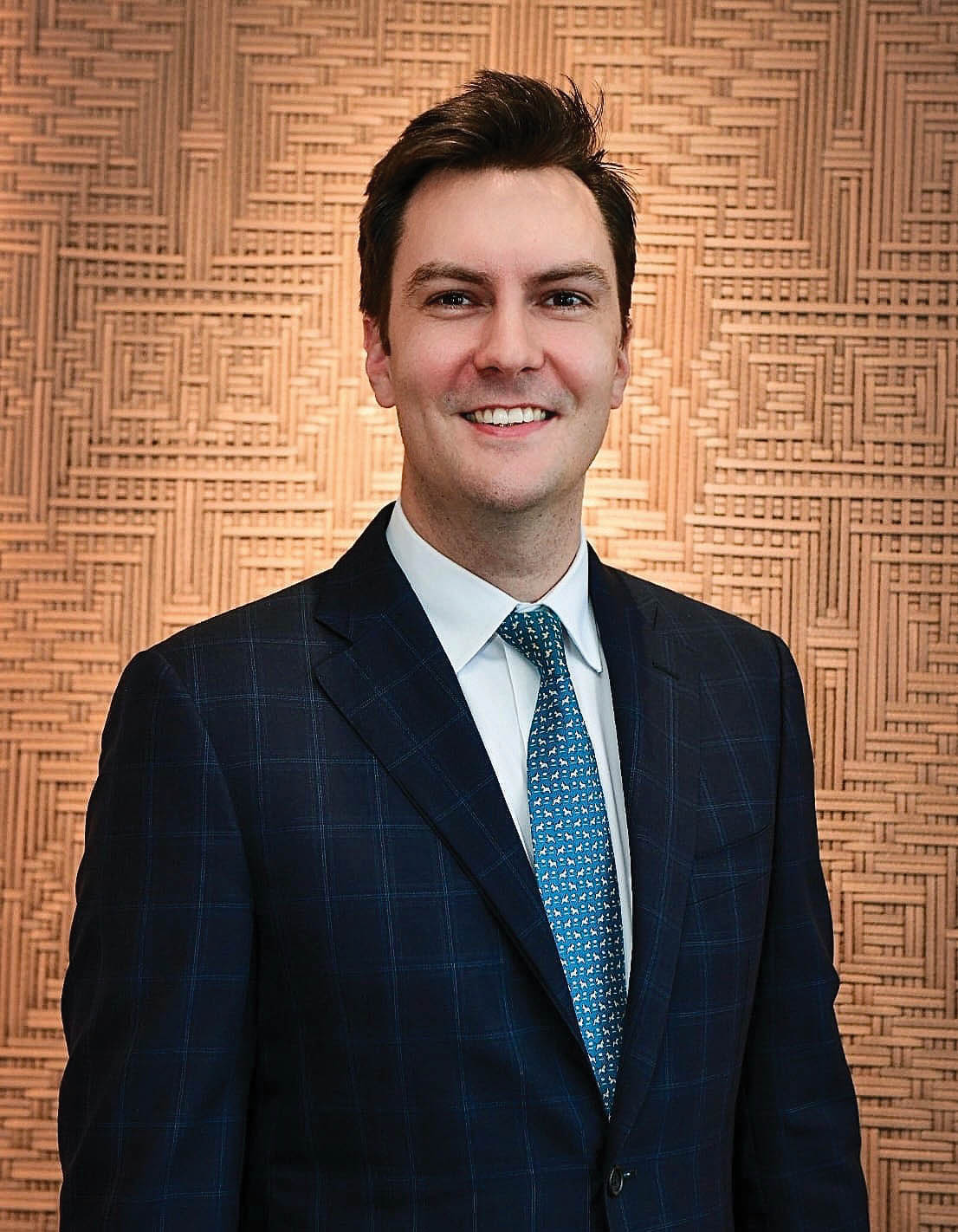
Portrait of Cosimo Thawley

Thawley is an assistant secretary for the Australian Treasury Department, currently serving as the country’s minister-counsellor and senior treasury representative to China.

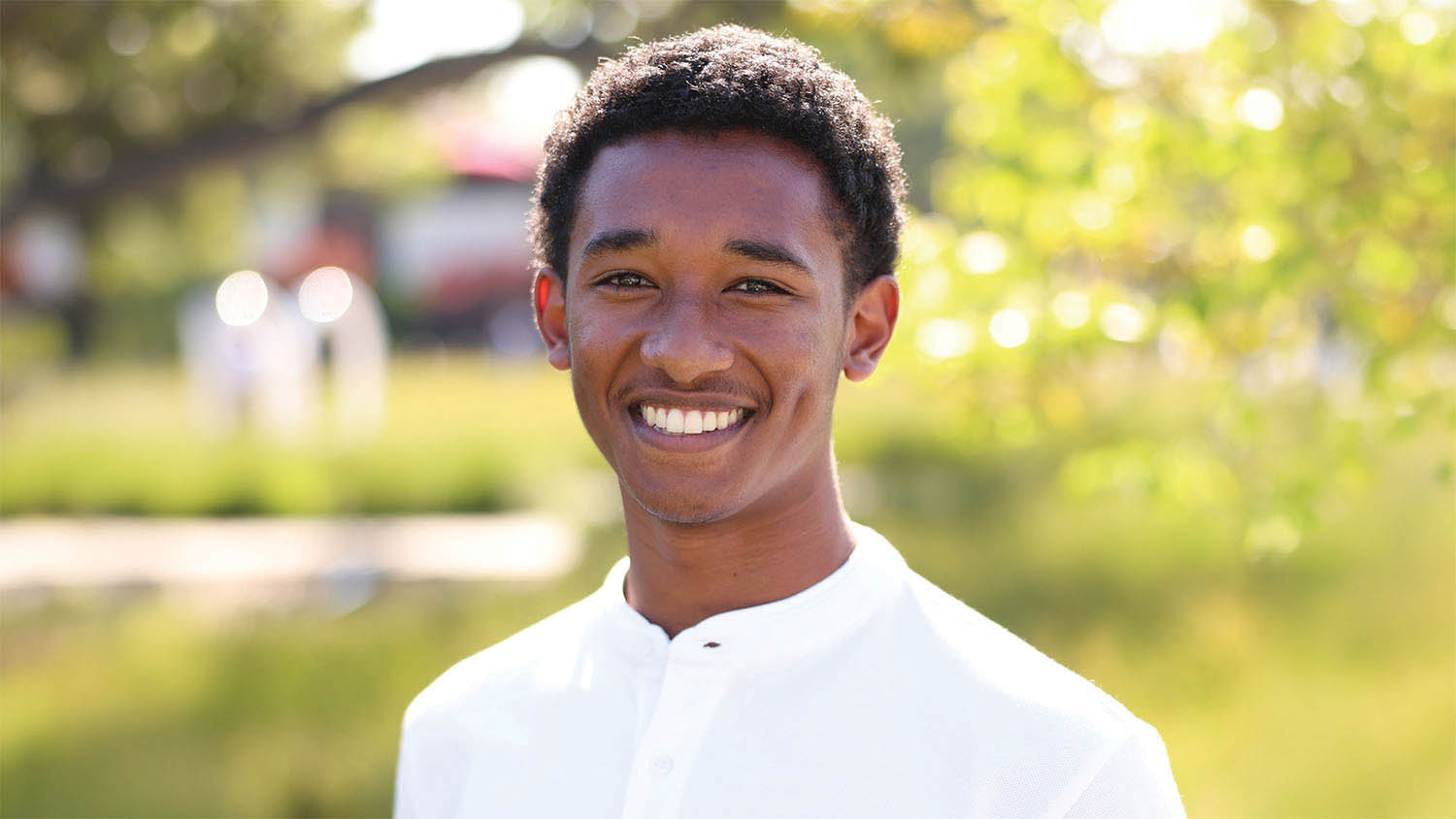
Khalab Blagburn ’27 Named a Beinecke Scholar

Portrait of Khalab Blagburn outdoorsWhen Khalab Blagburn ’27 won a $35,000 Beinecke Scholarship this spring to support his graduate education, the cognitive science and mathematics double major became the first Pomona student since 2013 to receive the prize, which is awarded annually to outstanding juniors throughout the country in the social sciences, arts and humanities.

“I’m thankful and the recognition is great,” Blagburn says, “but the financial support is amazing and a testament to the people around me, the opportunities I’ve pursued and the work I’ve put in.”

At Pomona, Blagburn began working in the lab of Eric Hurley, professor of psychological science and Africana studies, as a sophomore, and was soon running point on a project about verve—the level, intensity and variability of immediate and environmental sensate simulation a person prefers and in which they are able to function optimally—in African American culture.

Blagburn says he has used a childhood fascination with optical illusions and magic to “pivot toward education, examining how students’ perceived social conditions shape psychological constructs like achievement motivation and sense of belonging, which, in turn, influence academic outcomes.”

A right back on the Sagehens men’s soccer team, Blagburn plans to earn a Ph.D. in education with a focus on educational psychology.

“I’m interested in conducting social psychological interventions to support underserved and minoritized students,” he says. “Then after my Ph.D., I’m eager to work within or with academic institutions to lead program development, curriculum development, and to make sure those students are being met where they need support.”

A Break From Screen Time

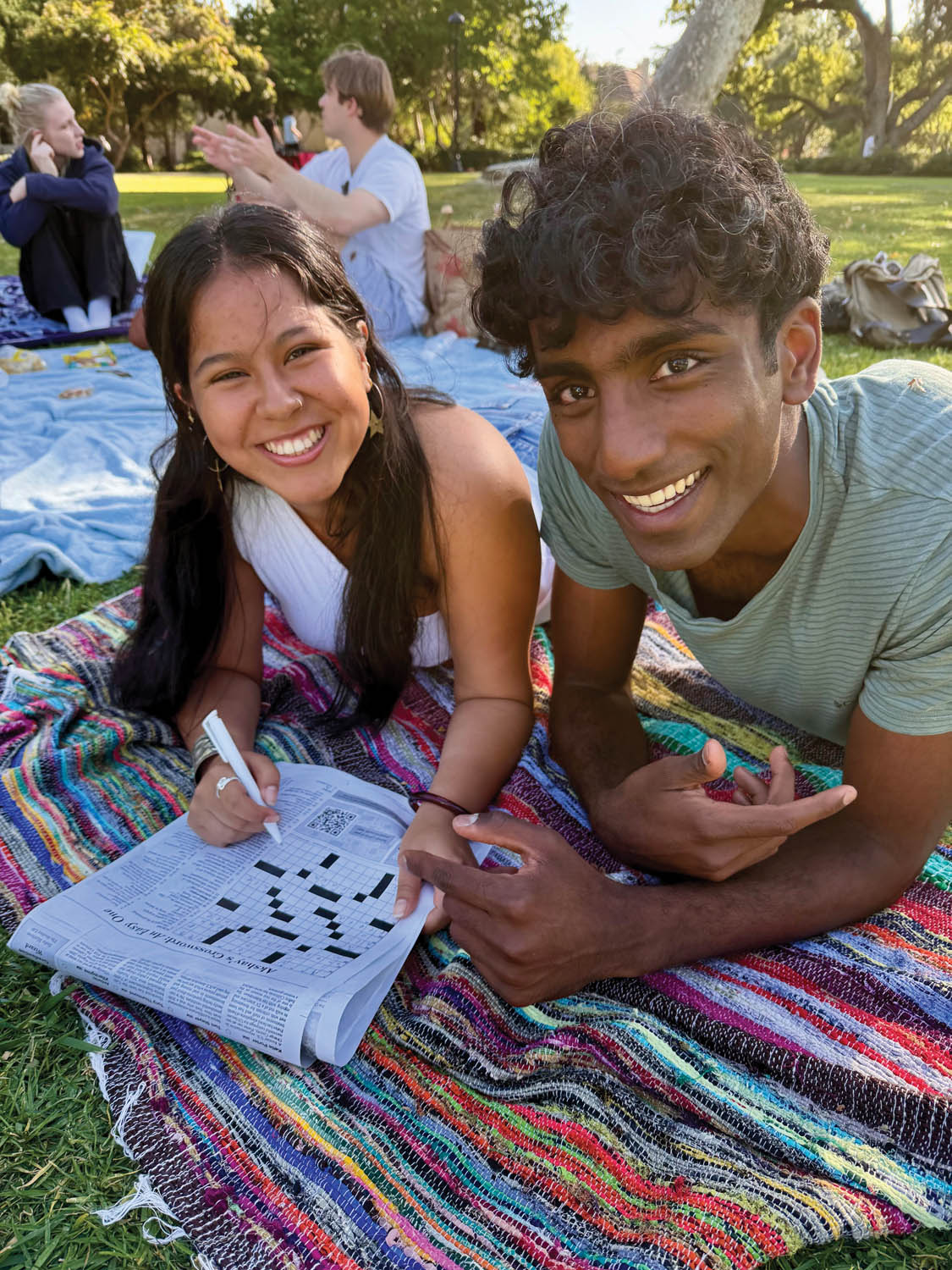
Students working on a crossword puzzleOn a late Friday afternoon on Marston Quad, a group of students are seated on blankets munching on snacks, shuffling cards for a game of Egyptian Rat Slap and sharing insights from a class discussion.

A second group starts a game of spikeball as other students stretch out to work on The Student Life newspaper’s crossword puzzle. No one is scrolling. There’s not a smartphone in sight.

Welcome to the weekly meeting of The Luddite Club, which for the past year has promoted a healthy approach to technology for Pomona College students and others at The Claremont Colleges.

The idea for the club “actually came from a New York Times article that I read my sophomore year,” says co-founder Kaitlyn Ulalisa ’27, a politics and French major. “I was very, very, very heavily addicted to social media and my phone at one point in high school and a little bit into college. Then I got rid of everything.”

Ulalisa joined forces with Abhi Namala PZ ’27, a computer science major, to start the club. He too wanted what he calls a screen “detox” and a place to unwind with fellow students who also were holding themselves accountable in the “attention economy.”

The meetings have no concrete structure. Each week, the leaders bring a red wagon filled with snacks, cards, arts and crafts supplies and balls of various types. “Then we lay out blankets, and people come,” says Ulalisa. “Every week—same time, same place—so people know where to find us.”

Quoted

“When young people disengage from politics, it is seldom about apathy. It is more often driven by the quiet conviction that their concerns are being swept aside. Offering students roles in these conversations, as questioners and organizers and citizens, is one of the most direct ways to counter that drift.”

Gabrielle Starr, Pomona College president, on why colleges must bring political debates back to campuses. Southern California News Group (Press Enterprise)


“Unfortunately, the costs of this fleeting spectral wonder are high, borne by negative consequences for our environment and our health.”

Char Miller, W.M. Keck Professor of Environmental Analysis and History, arguing the case against fireworks, in Time magazine.


“It’s not only that Gen Z has lost faith in Big Tech. In the face of galloping economic inequality and democratic backsliding, many now view tech titans as greed-fueled latter-day barons of capitalism.”

Mark Andrejevic, professor of media studies, on why college students are right to turn against the tech elites, in The Hechinger Report.

Read All About It

A stack of booksWe got several responses to our call in the last issue of PCM asking Sagehens to tell us about their first-year class book (pre-2003). This is what we know so far (and who told us):


1961
The Two Cultures and the Scientific Revolution
by C.P. Snow
(Svata M. Louda ’65)
or
Memoirs of Hadrian
by Marguerite Yourcenar (Candy Reiter Midkiff ’65)

1963
The Secret Agent
by Joseph Conrad (Judith Grammel Evans ’68)

1967
No first-year read
(Peter V. Huisking ’71)

1974
No first-year read
(Diane Mayfield ’78)

1978-1979
No first-year read
(Margo Tanenbaum ’82,
Jack Mearns ’83)

1996
Palace Walk
by Naguib Mahfouz
(Kelly Nord ’99, Shauna Pellauer ’00)

1997
The English Patient
by Michael Ondaatje
(Alex Cho ’01)

1998
Life on the Color Line: The True Story of a White Boy Who Discovered He Was Black
by Gregory Howard Williams (Vanessa Kettner ’02, J. Speidel ’02)

Class of ’58 Zoomers

In the early months of the COVID pandemic, when isolation was beginning to take its toll, Frank LaHorgue ’58 came up with the idea of gathering the Pomona Class of 1958 together in a Zoom meeting. Enlisting the help of a few others, he invited everyone in our class to the first meeting in the spring of 2020. Six years later, we’re still meeting every month.

A laptop screen showing a group of Pomona alums

Our meetings, which are planned by a committee, consist of a presentation followed by lively discussions. Subject matter has been varied, ranging from slide shows of our reunions to reprises of significant events from our careers to presentations by classmates (“Starting a Coffee Plantation in Panama”) and professors from Pomona College and other institutions (“Artificial Intelligence in Today’s Classrooms”). We have learned about the complexities and uses of seaweed, about the psychological problems of military personnel conducting remote missile and drone attacks, about the cultural and political history that makes China what it is, and about the history of the Gabrielino/Tongva Nation in Trojoatngna (aka, Claremont).

To plan and organize our monthly gatherings, a committee of eight classmates—two of whom have Zoom Pro licenses—meet weekly on Zoom. At these meetings we generate ideas for presentations, which often include taking advantage of contacts from the “outside world.”  We send out announcements a week before the presentation, and, a few minutes before the meeting, we send a link. We use the Zoom record function to distribute the meeting for classmates unable to attend.

Our meetings have not only enriched our lives intellectually but have proven to be a tremendous bonding experience for our class as we renew old friendships and create new ones. We’ve also found that our gatherings have amplified our ties to Pomona College and engendered feelings of gratitude for being among its graduates.

—Patrick Muffler ’58
Connie Leas ’58

5 Questions for: Danielle Lynch

Pomona-Pitzer Director of Athletics and Chair of the Physical Education Department

Danielle Lynch Portrait

Danielle Lynch traces her competitive nature to childhood, when as a young fan of Olympic champion sprinter Florence Griffith Joyner, she raced friends down her northern New Jersey neighborhood streets barefoot.

She almost always won.

“That’s when I learned I don’t need anything but who I am to be successful,” she says.

Lynch used that outlook to become a first-generation student-athlete at Rutgers University, and it’s the same perspective she’s brought to Pomona-Pitzer as director of athletics and chair of the Physical Education Department, a role she began in April.

“I felt the love immediately,” she says. “I felt supported. People are asking the right questions and then truly listening for the answers to the solutions they’re seeking. People are truly wanting to engage in meaningful ways to learn about my experiences and how I’m going to work with our students.”

Lynch recently answered questions about the Sagehen community, philanthropy, holistic development and wellness, and the hallmarks
of great athletic departments.

What traits do great athletic departments have in common?

Great athletic departments have core values that are strong. They’re student centered. They have coaches that are teaching and building culture. Winning helps people feel good, but great athletic departments have a healthy, successful culture that develops young people holistically. A byproduct of that, oftentimes, is winning, and not only winning in the sport, but also winning in life. I’ve been at a lot of places that do things really, really well, and I’ve gained different tidbits of excellence from those spaces to work into my own ethos and core values on how I’d like my department to be run.

How do you hope to strengthen connections between student- athletes, alumni and the broader Pomona community?

College is full of incredible opportunities, but it’s also a time when students face real challenges—academically, socially and personally.

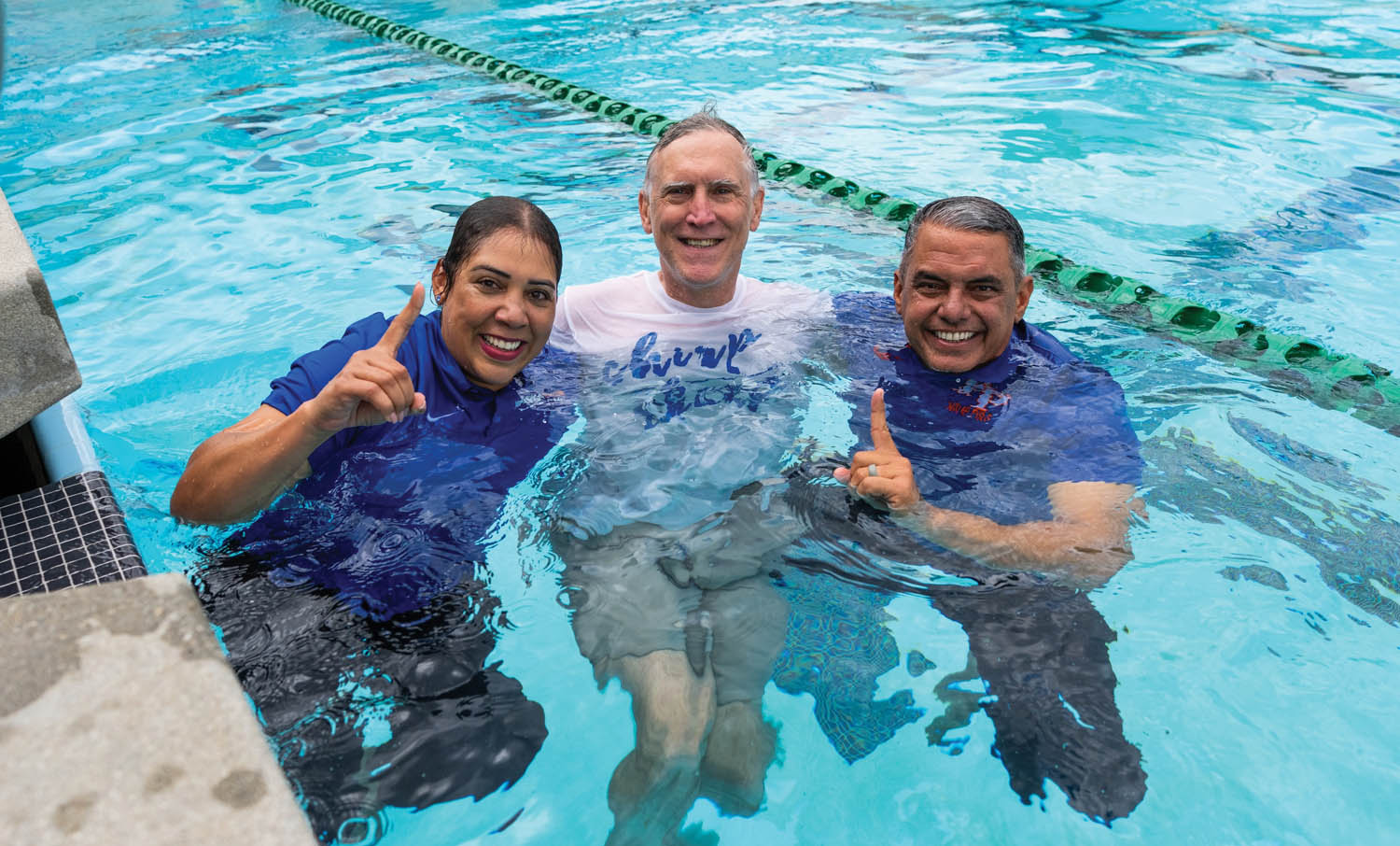
A woman and two men in a swimming pool

Danielle Lynch with Pitzer President Strom C. Thacker (middle) and Sagehens Coach Alex Rodriguez after the women’s water polo team captured a fifth straight national title in May.

When alumni and families stay engaged, they help create a network of people who care deeply about student success and well-being. I think one of the most powerful things we can do is create opportunities for just that by bringing people together around the things that matter most—supporting student wellness, celebrating their achievements on and off the field and ensuring they have what they need to thrive.

Alumni and families can play such a meaningful role in both celebrating those successes, while also helping address the obstacles students face along the way.

What role do alumni and families play in the success of an athletics program?

Alumni show our current student-athletes what a Sagehen life looks like after they’ve left the bubble of collegiate athletics with an excellent liberal arts education. They help us with mentorship as well as career networks, and they model what our current student-athletes and students in general hope to become. Families are partners in the developmental mission. We recruit families, not just athletes.

We are also incredibly grateful for the many alumni and families whose generosity strengthen Sagehen Athletics. Their support helps create opportunities for student-athletes to pursue excellence while benefiting from the full Pomona experience—from competitive athletics and leadership development to academic achievement and personal growth.

That spirit of support is reflected in Sagehen Athletics Giving Day, where alumni and families have consistently rallied behind our athletes, supporting everything from team travel to facility upgrades. Their generosity is a powerful expression of the lifelong connection so many have to Pomona and its athletic community.

Where can community support make an immediate impact?

Sagehen Athletics creates a powerful entry point for Pomona alumni, families and friends to invest in student success. Their involvement—whether through mentorship, volunteerism or cheering in the stands—supports an experience that helps our Pomona-Pitzer student-athletes develop as leaders and scholars. Donor support in particular strengthens wellness, expands career development opportunities and helps ensure that every student has the resources needed to learn, grow and thrive.

I also encourage Sagehens to reach out to me directly so I can hear what is needed, and what concerns and questions we all have. We need to have honest and open conversations about opportunities to create community, excellence and holistic development.

What responsibility do athletic departments have in shaping good citizens and leaders?

Some of my doctoral research looked at social justice and leadership. Student-athletes have social capital, especially on liberal arts campuses that lack fraternity and sorority life. We want to help develop our student-athletes to become conscientious leaders who are bringing solutions to some of the larger issues we’re facing—not only as a country but worldwide.

Student-athletes have the power to shift culture and to make change on a large scale, so it’s our responsibility to help them understand the power they hold and activate it for good.