Blog Articles

Sagehen Sightings

Where’s the most random place you’ve met a fellow Sagehen?
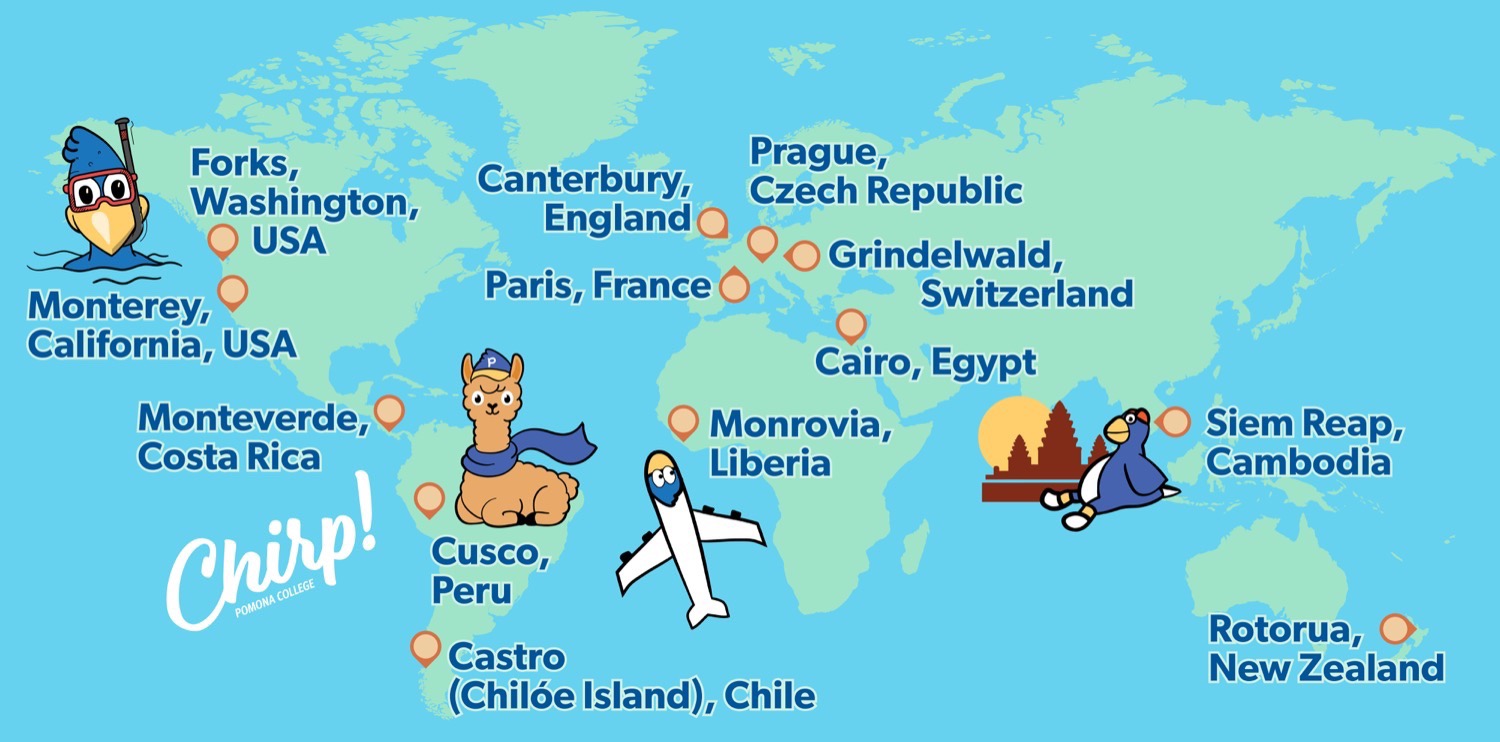
World Map with cartoon illustrations and pins marking Forks, Washington, USA; Monterey, California, USA; Monteverde, Costa Rica; Cusco, Peru; Castro (Chilóe Island), Chile; Canterbury, England; Prague, Czech Republic; Paris, France; Grindelwald, Switzerland; Cairo, Egypt; Monrovia, Liberia; Siem Reap, Cambodia; and Rotorua, New Zealand

Forks, Washington, USA; Monterey, California, USA; Monteverde, Costa Rica; Cusco, Peru; Castro (Chilóe Island), Chile; Canterbury, England; Prague, Czech Republic; Paris, France; Grindelwald, Switzerland; Cairo, Egypt; Monrovia, Liberia; Siem Reap, Cambodia; Rotorua, New Zealand

Forks, Washington, USA

“Roozbeh Houshyar ’00 and I randomly ran into each other this past summer in line for the men’s room at a grocery store in Forks, Washington, on the Olympic Peninsula. He lives in SoCal, and I live in Colorado. Been 25+ years but we recognized each other right away.”

—Bill Almquist ’98

Monterey, California, USA

“While driving out of Monterey, California, the guy in the next lane over, driving a Toyota 4Runner with scuba stickers, yells ‘When Cecil Sagehen chirps!’ and tells me to look at his license plate holder, which says ‘KSPC 88.7.’ So, chirp, there are Sagehens everywhere!”

—Linda Tsai ’95

Monteverde, Costa Rica

“I was wearing my Pomona hoodie in the Monteverde Cloud Forest Biological Preserve in Costa Rica in 2013 (while visiting our daughter Cassandra ’14 during her semester abroad) and got a random ‘Chirp!’ from a married couple, both of whom attended Pomona!”

—Bob Owen ’83

Cusco, Peru

“In an empty club in Cusco, Peru, Tara (Ericksen) King ’08, Kimberly Lopez ’09 and I ran into Will Hamlin and Gibby (Alex Gibson) days after Pomona graduation 2009, I think. It was so surreal! Wherever you go, there you are… We raised a toast and celebrated.”

—Whitney DeVos ’08

Castro (Chilóe Island), Chile

“My husband and I were driving on a rural dirt road in the south of Chile around 2001 and picked up a pair of hitchhikers—a man and his 14-year-old daughter. Turns out that he was an alum living in Bolivia with a mushroom farm. Don’t remember his name—maybe Steve?”

—Alex Jae ’97

Canterbury, England

“I ran into a group in Pomona sweatshirts in Canterbury, England, and bumped into Nelson B. Arnstein ’75 at the British Museum a few weeks after having dinner with him at our 40th reunion in 2015!”

—Mary Stanton-Anderson ’75

Prague, Czech Republic
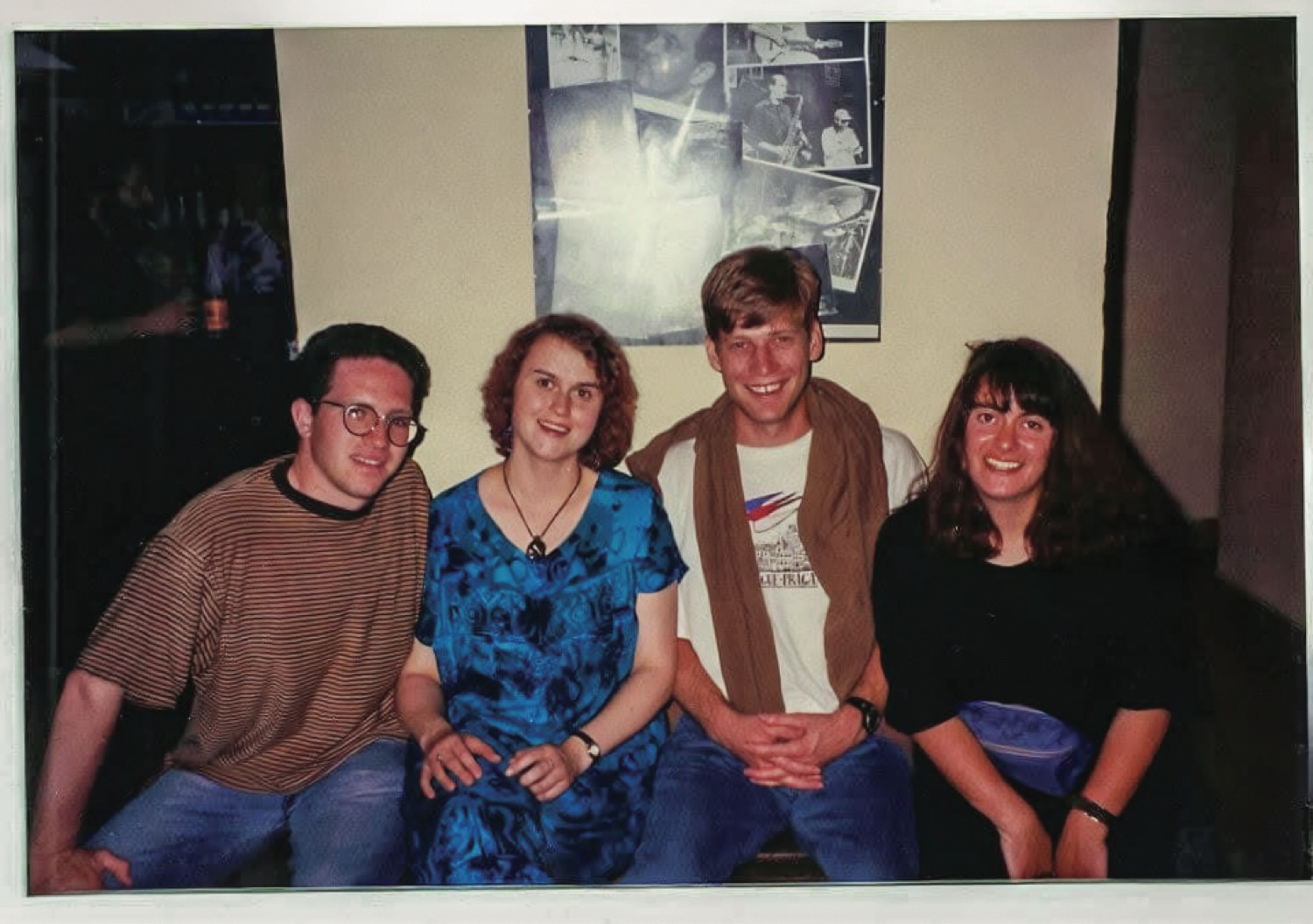
From right, Andrea Venezia ’91, Jeff Rhye ’91, unnamed Prague host, and Venezia’s husband

From right, Andrea Venezia ’91, Jeff Rhye ’91, unnamed Prague host, and Venezia’s husband

“My fanny pack and I bumped into classmate Jeff Rhyne ’91 in Prague in 1994. We had no idea we were each there; this was before cellphones and posting travels online for all to see. Jeff and I had just hung out during Alumni Weekend—Pomona bonds last.”

—Andrea Venezia ’91

Paris, France
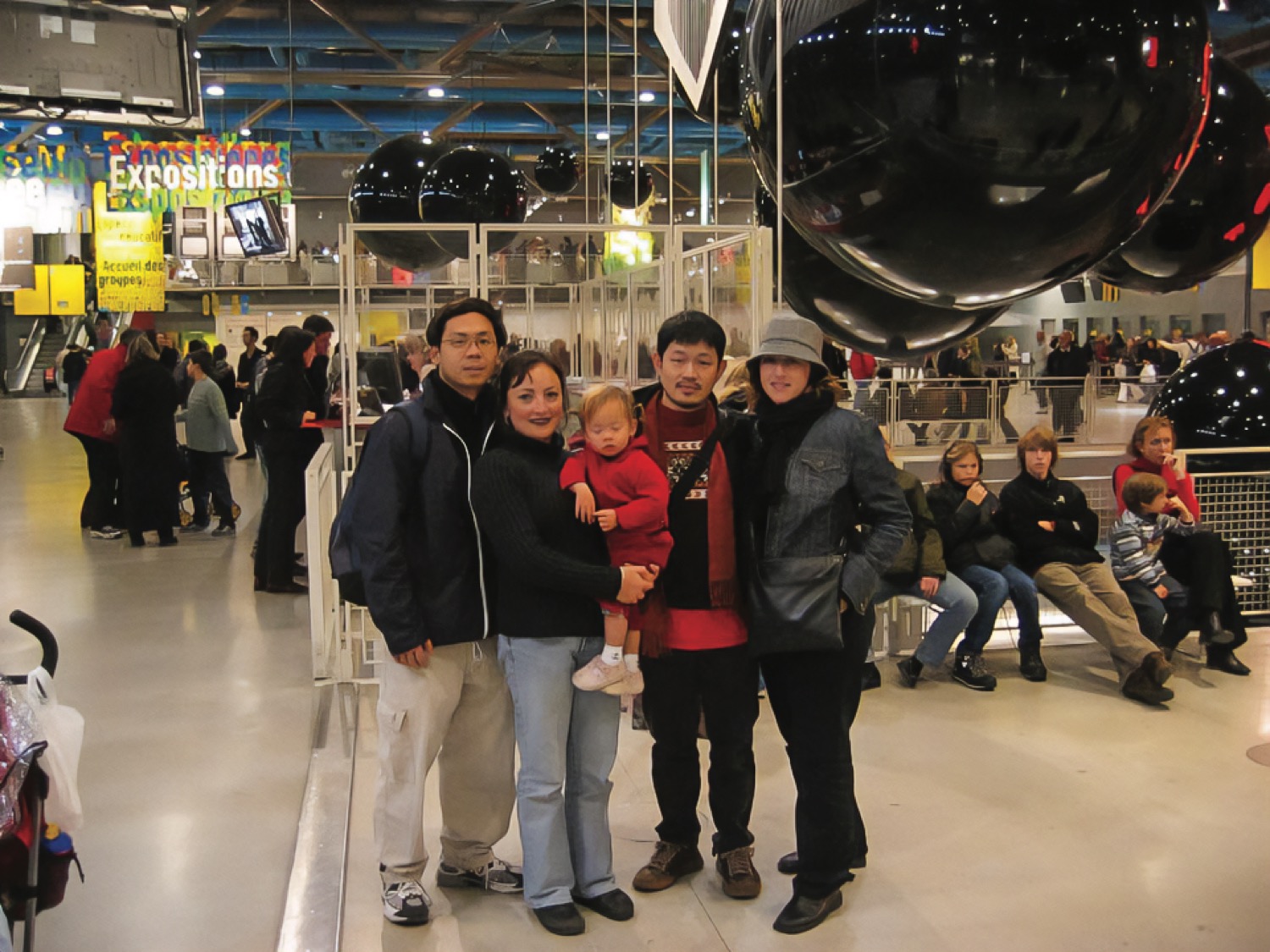
Mike Lin ’94 and Rosanna F Jeremias ’96 with Roger Lai ’94 and his partner

Mike Lin ’94 and Rosanna F Jeremias ’96 with Roger Lai ’94 and his partner

“We ran into Mike Lin ’94 and Rosanna F. Jeremias ’96 at the Pompidou Museum in 2004. I’d always joked that I ran into Mike all the time in the Bay Area. Up to this point the record was six times in one week, at art galleries, cafes, or just on the street. But in Paris? Totally unexpected.”

—Roger Lai ’94

Grindelwald, Switzerland
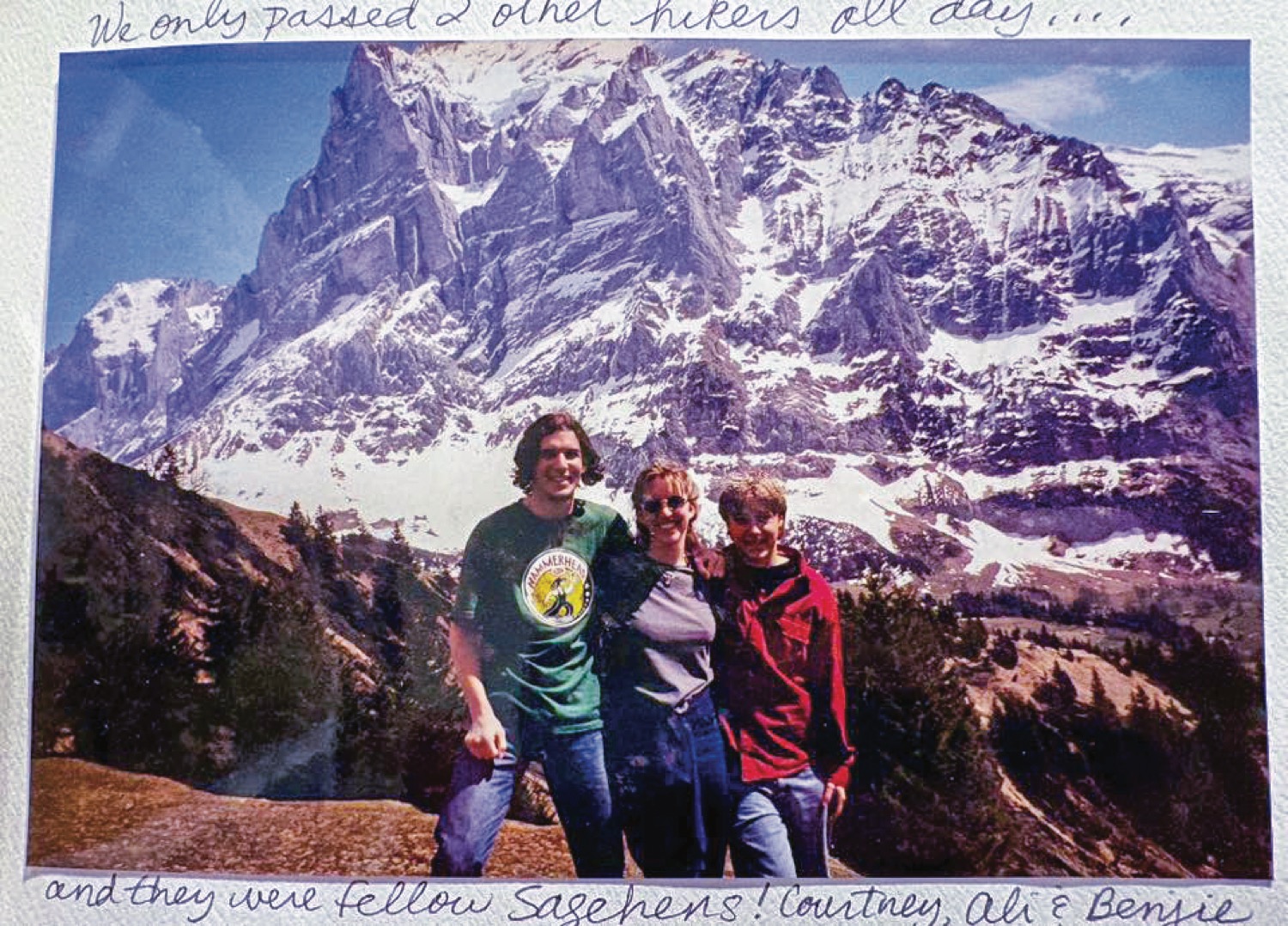
Courtney Meier, Ali Jessie, Benji Putnam, photo by Alexsis (Pecuch) Desrochers (all ’98)

Courtney Meier, Ali Jessie, Benji Putnam. Photo by Alexsis (Pecuch) Desrochers (all ’98)

“In April 1997, Benji Putnam ’98 and I saw two people up in the distance on the side of the mountain on the Grindelwald-First Trail in the Swiss Alps. At first, I was dismayed to have our relative solitude spoiled, but then I noticed that one of them was Ali Jessie ’98!”

—Courtney Meier ’98

Cairo, Egypt
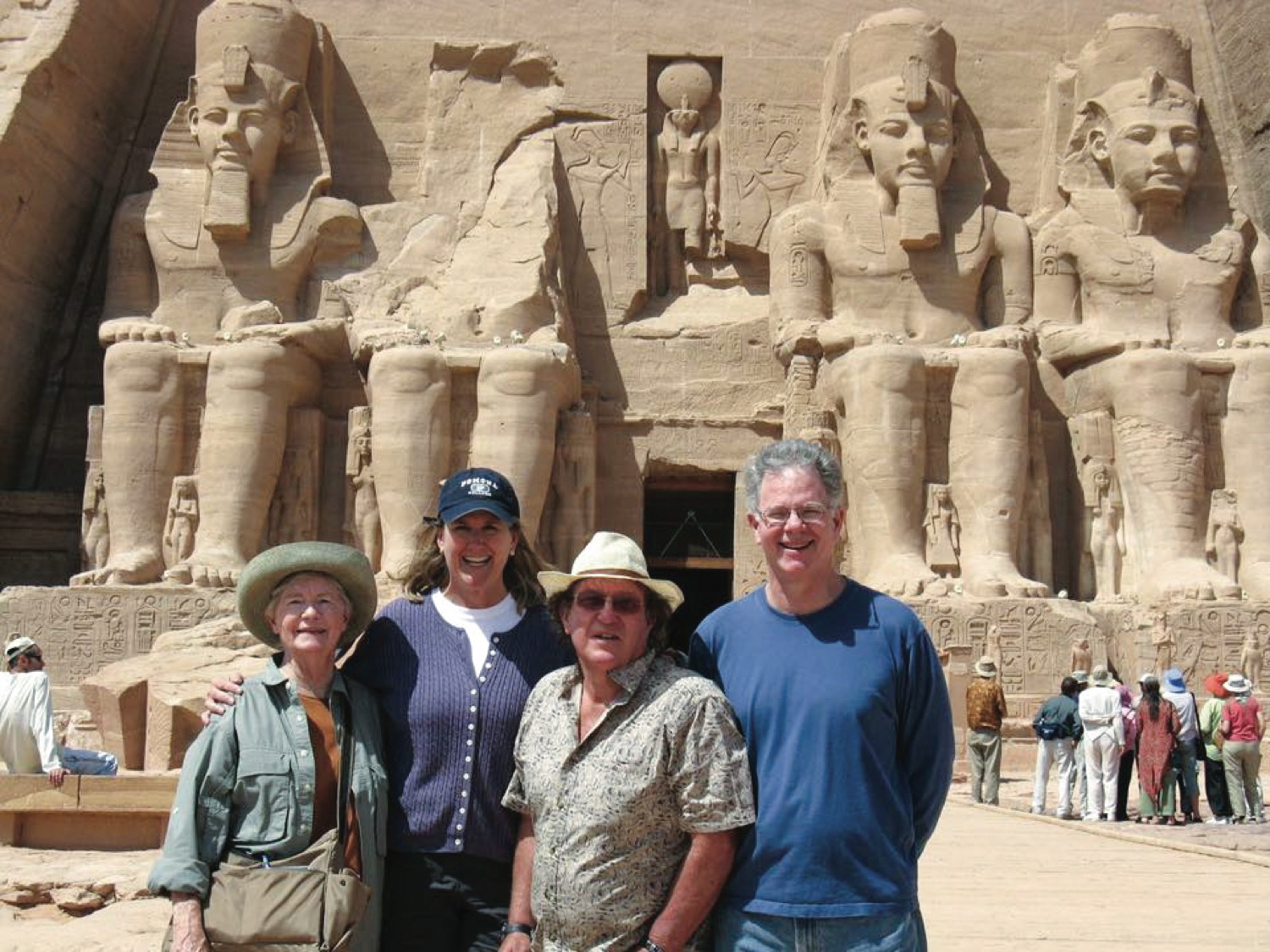
Abu Simbel temple. Left to right_ Nancy (Humphreys) Francis ’54, Dodie Bump ’76, Pat Mulcahy ’66, and Eric Friedman ’75

Abu Simbel temple. Left to right: Nancy (Humphreys) Francis ’54, Dodie Bump ’76, Pat Mulcahy ’66 and Eric Friedman ’75

“I was on a trip to Egypt and Jordan in 2008 with Pat Mulcahy ’66, his wife Barbara, Nancy Francis ’54 and other friends when we stopped at a jewelry store in Cairo. While browsing I heard someone say ‘Pat?’ and turned around to see Eric Friedman ’75 and his wife Jan. We went on to travel together to South Africa in 2010.”

—Dodie Bump ’76

Monrovia, Liberia

“As an AP reporter I was dispatched to Liberia in 1990 to write about the civil war. On the tarmac at Monrovia airport, I met the U.S. ambassador to the Ivory Coast. After some questions from me he asked: ‘Did you go to Pomona?’ I realized my polo shirt had Cecil on it. Turns out the ambassador was Kenneth Brown ’59.”

—Terrill Jones ’80

Siem Reap, Cambodia

“Jennifer Stern ’94 and I encountered a fellow Sagehen on top of a historic ruin in Angkor Wat at sunrise in 1997. We backpacked through Thailand, Vietnam, Cambodia and Indonesia for two months.”

—Meta Valentic ’90

Rotorua, New Zealand

“I was in New Zealand with my parents in 2004 and we ran into another Sagehen at one of the geothermal parks. It was pretty empty, and one of us was wearing a Pomona sweatshirt, so the person said ‘Hi.’ We talked for a few minutes and then went on our way!”

—Rachel Paterno-Mahler ’07
Quoted

Sara Sadhwani

Social media has changed the game. People have always looked for candidates they could have a beer with but now it’s about the ways in which they’re able to connect with voters online.”

—Sara Sadhwani, assistant professor of politics, in the
Los Angeles Times on the new era of campaigning.


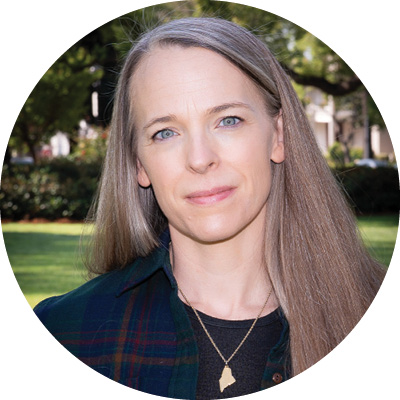
Sara Masland

Oftentimes people with BPD will over-rely on relationships to understand who they are, and that can make the relationship instability even more tenuous.”

—Sara Masland, associate professor of psychological science, in The New York Times on Borderline Personality Disorder.


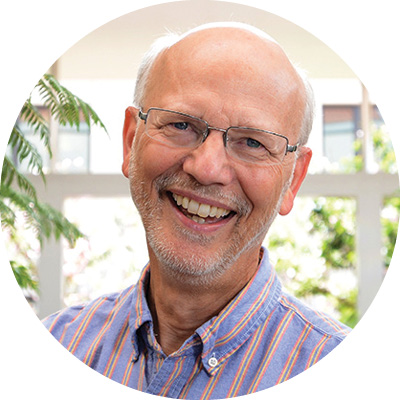
Char Miller

The decentralization process in this guise is an attempt to destroy the capacity and effectiveness of agencies like the Forest Service.”

—Char Miller, W.M. Keck Professor of Environmental Analysis and History, in The Washington Post on moving the U.S. Forest Service HQ out of Washington and into Salt Lake City.


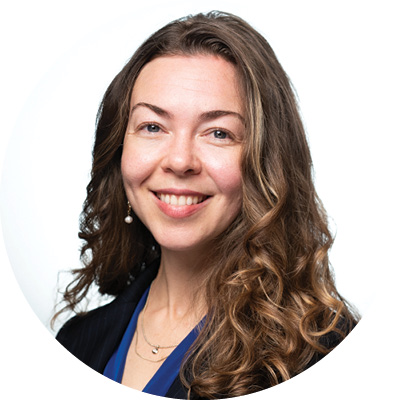
Jessica Stern

It’s easy to label someone as ‘too emotional,’ but in reality, emotion is a social event. Our nervous systems constantly respond to one another—which means our ability to stay regulated affects not only how we feel, but how others react to us.”

—Jessica Stern, assistant professor of psychological science, in The Conversation on shifting the dynamic in a difficult relationship.

Bookmarks

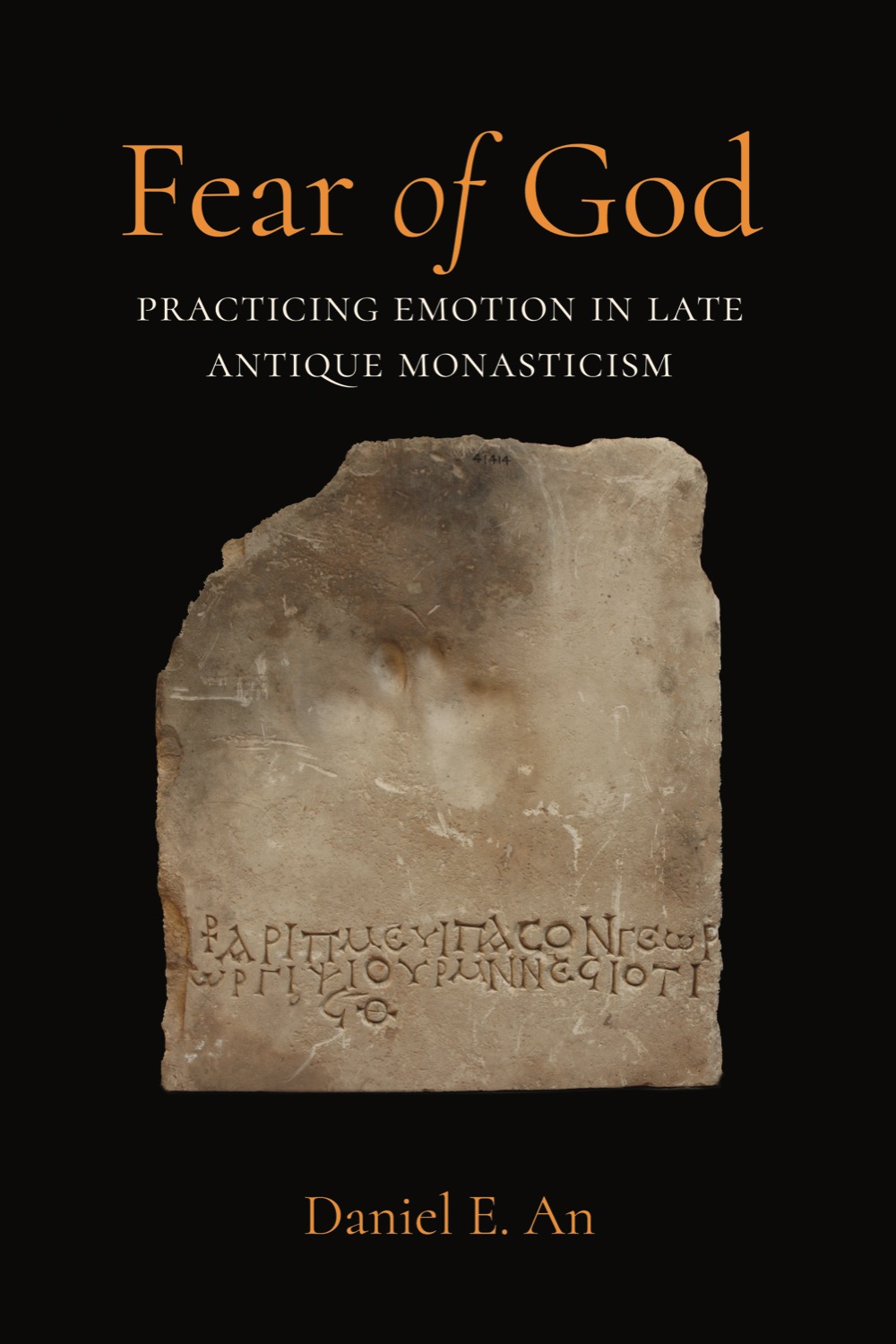
Fear of God, by Daniel E. An

Fear of God, by Daniel E. An

Focusing on monastic communities in the eastern Mediterranean during late antiquity, Daniel Eastman An ’08 examines why the language of fear was so prevalent in their writings.

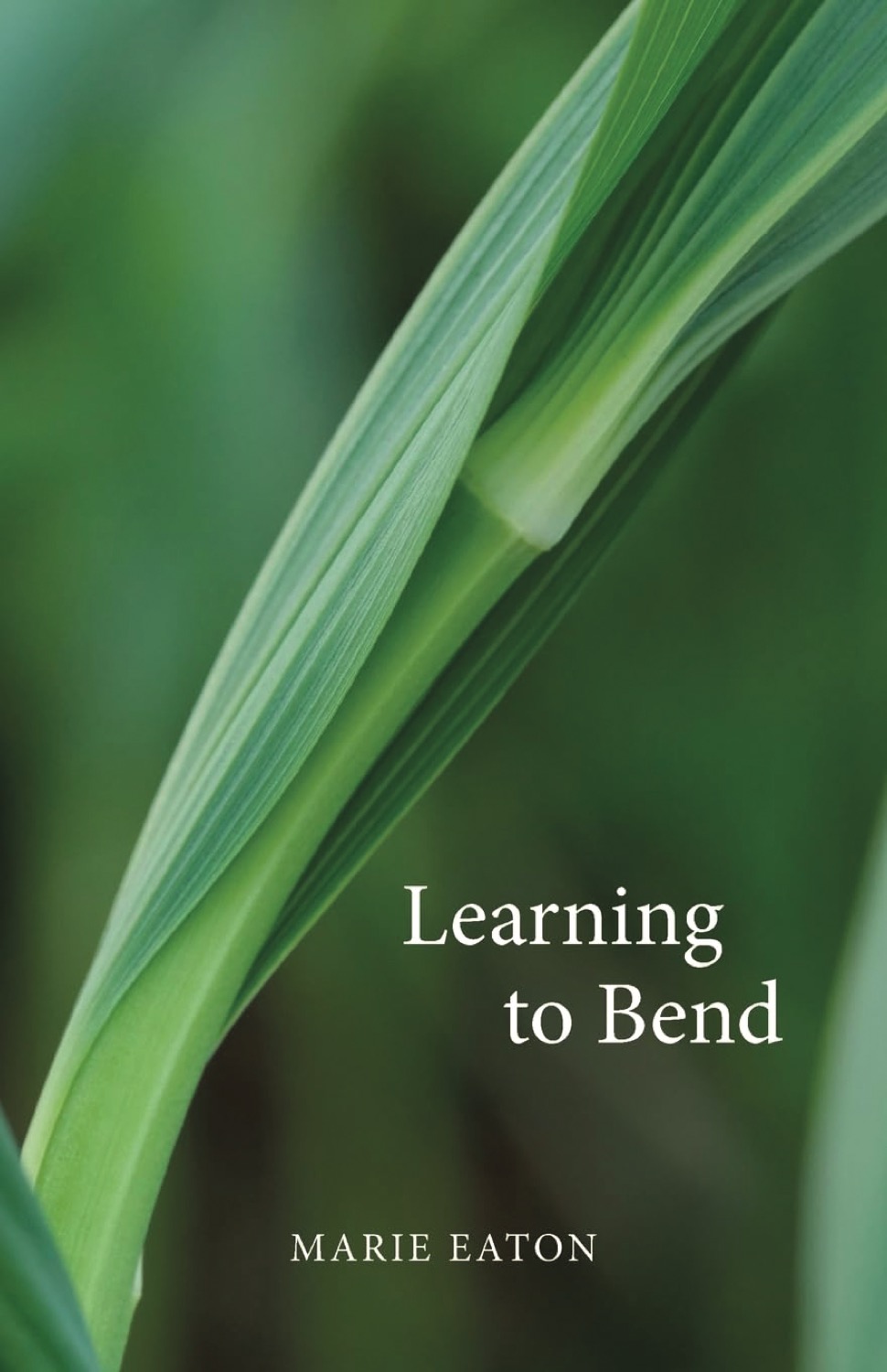
Learning to Bend, by Marie Eaton

Learning to Bend, by Marie Eaton

In her latest poetry collection, Marie Eaton ’68 offers tender, lyrical poems that reflect on the challenges and joys of aging, the inevitability of death and the enduring power of love.

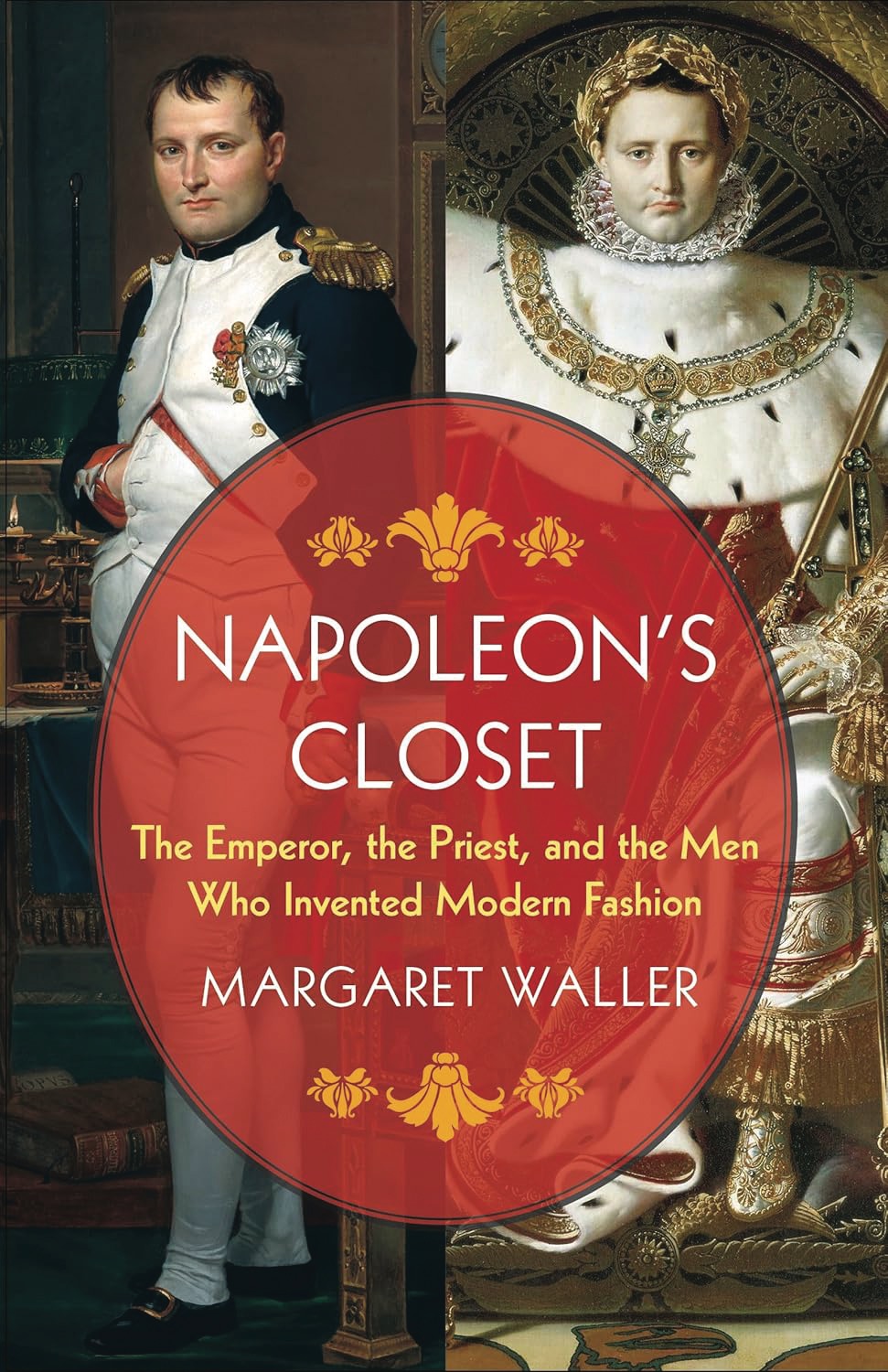
Napoleon's Closet, by Margaret Waller

Napoleon’s Closet, by Margaret Waller

Margaret Waller, professor emerita of French, explores the paradoxical history of male clothing, revealing the origins of modern ideas about normative masculinity, queerness and “the closet.”

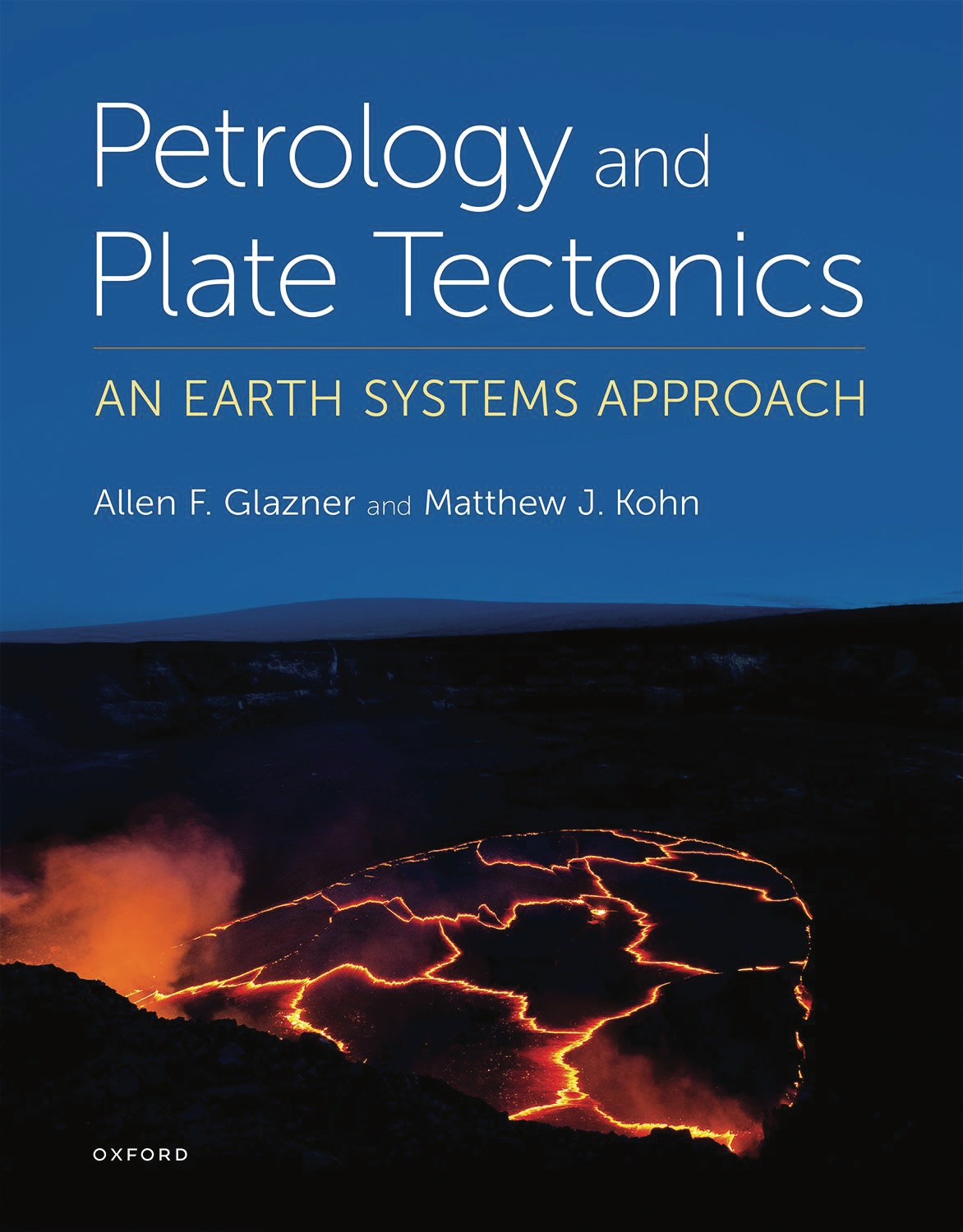
Petrology and Plate Tectonics, by Allen F. Glazner and Matthew J. Kohn

Petrology and Plate Tectonics, by Allen F. Glazner and Matthew J. Kohn

This new textbook co-written
by Allen Glazner ’76 introduces an innovative approach to teaching petrology, using
plate tectonics as its unifying framework.

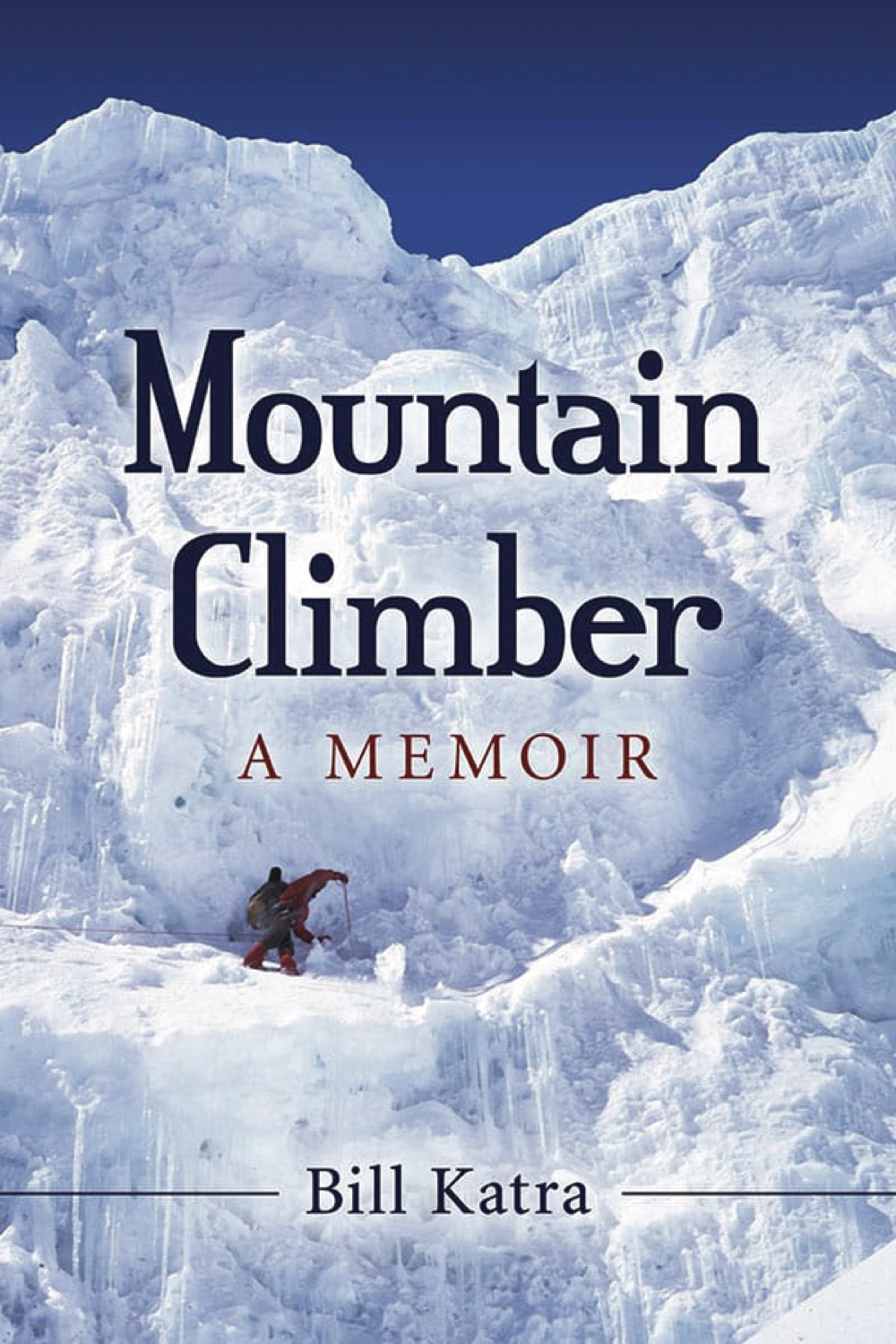
Mountain Climber, by Bill Katra

Mountain Climber, by Bill Katra

Approaching his sixth decade as a devoted climber, Bill Katra ’68 recounts his ascents in vivid detail, emphasizing that scenic beauty is as important to a hike as technical difficulty.

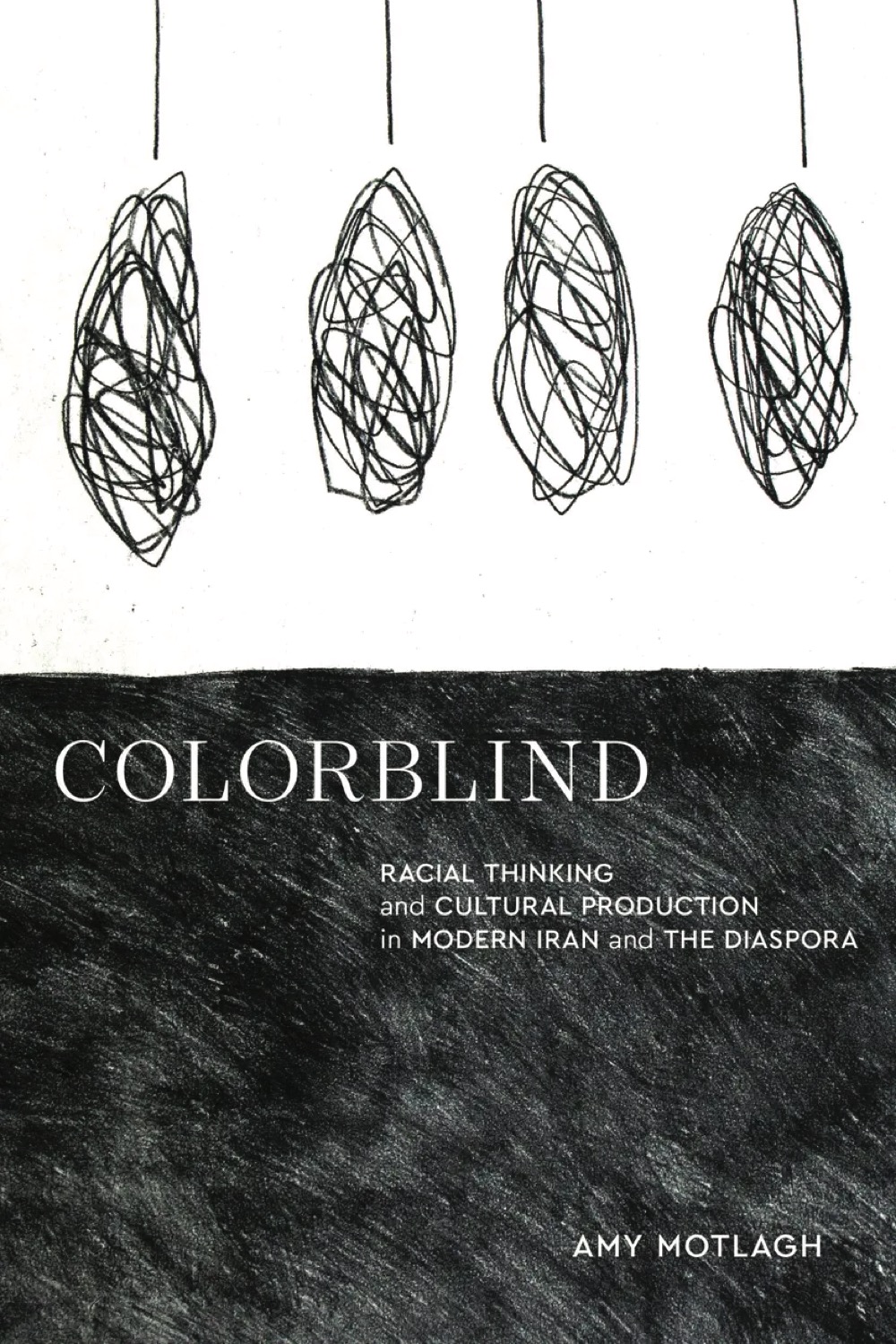
Colorblind, by Amy Motlagh

Colorblind, by Amy Motlagh

Amy Motlagh ’98 examines how racial thinking shapes cultural practices in Iran and the Iranian diaspora, charting new ground in the cultural history of race and slavery in Iran.

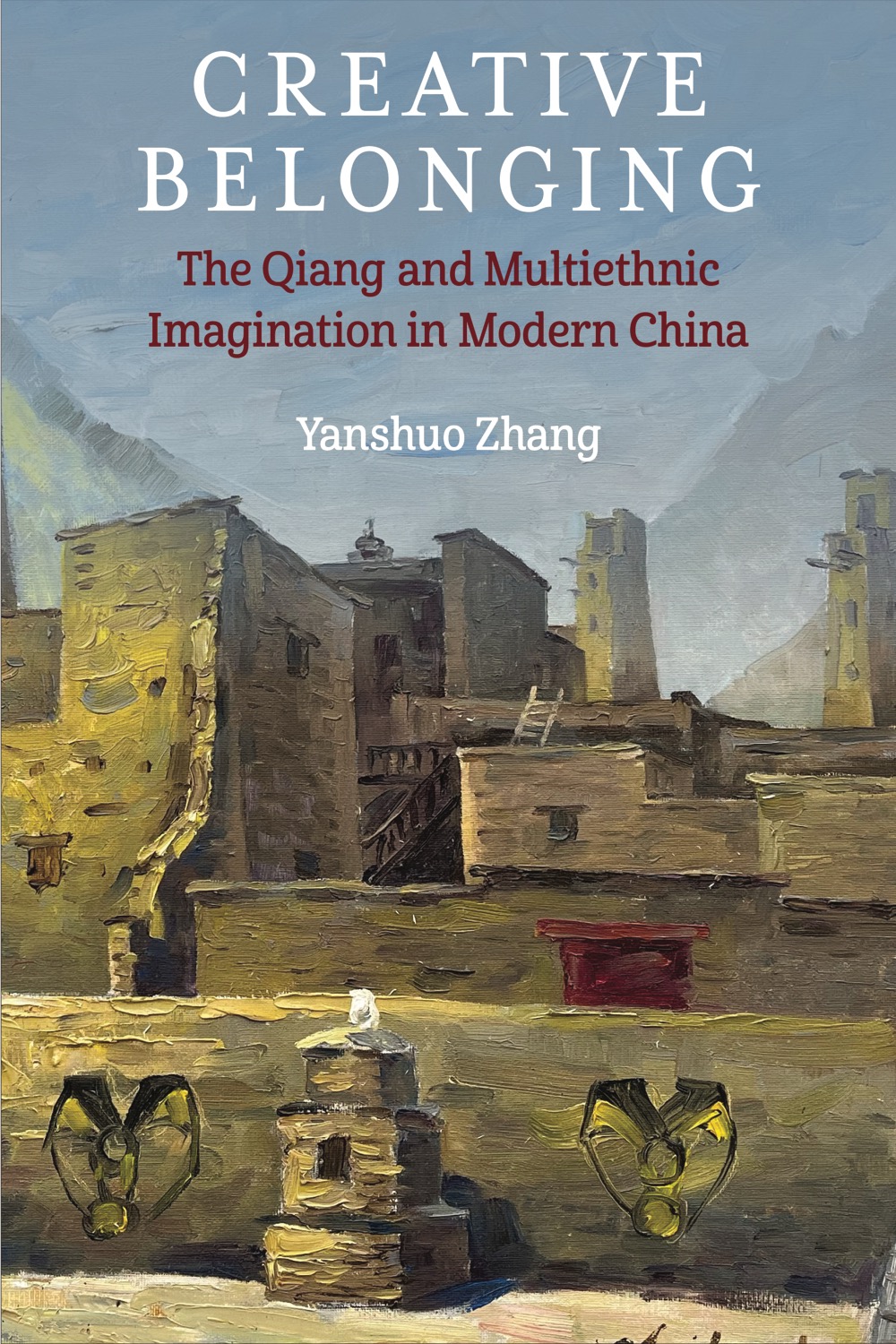
Creative Belonging, by Yanshuo Zhang

Creative Belonging, by Yanshuo Zhang

Yanshuo Zhang, assistant professor of Asian languages and literatures, explores how the Qiang people evolved over time as well as their interactions with mainstream Chinese society.

Book Submissions

If you’ve had a book published and would like to submit it for inclusion in Bookmarks, please email us at pcmbooks@pomona.edu or mail a review copy to:

Lorraine Wu Harry ’97,
PCM Books Editor,
550 North College Ave.
Claremont, CA 91711

First-Year Read

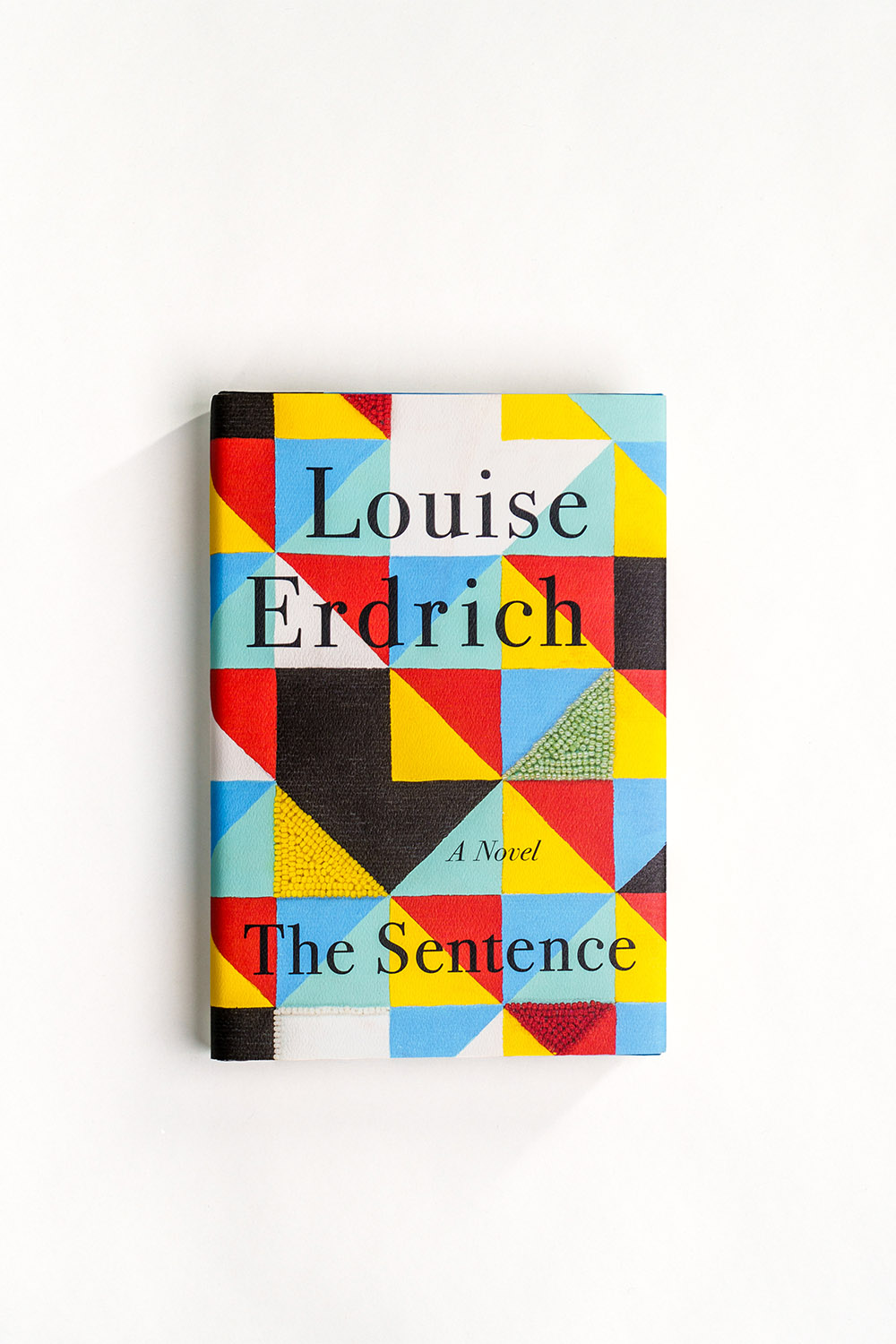
A Novel by Louise Erdrich: The Sentence,Each year, Pomona selects a work for the entire first-year class and transfers to read before arriving on campus. For 2026, the chosen book is The Sentence by Louise Erdrich.

“It takes such a fascinating approach to describe a moment in time, the pandemic, filled with constant fear and uncertainty,” says Meiya Rollins ’29. “The book is full of humor, mystery, excitement and grief that makes you keep turning the page.”

What Was Your Class Book?

Sagehens, we need your help. If you graduated before 2003, do you remember what class book you were assigned to read your first year? The first-year annual orientation book program had some stops and starts over the years, but we’d love to fill in as many blanks as possible. Write and tell us about your class book at pcm@pomona.edu.

Rethinking The Food System

A Conversation with Author Nancy Matsumoto ’80

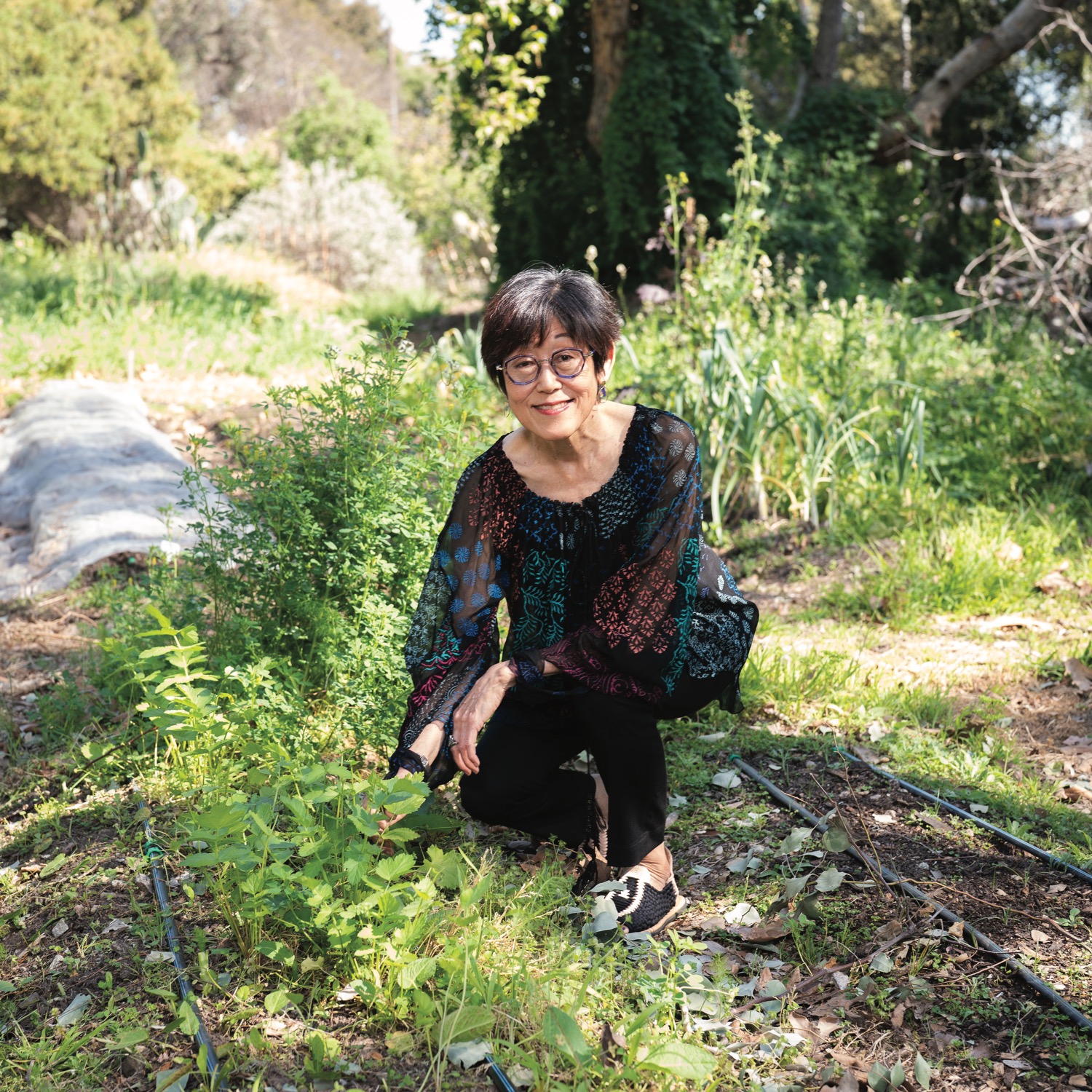
Portrait of Nancy Matsumoto ’80, author of Reaping What She Sows

Matsumoto ’80, author of Reaping What She Sows

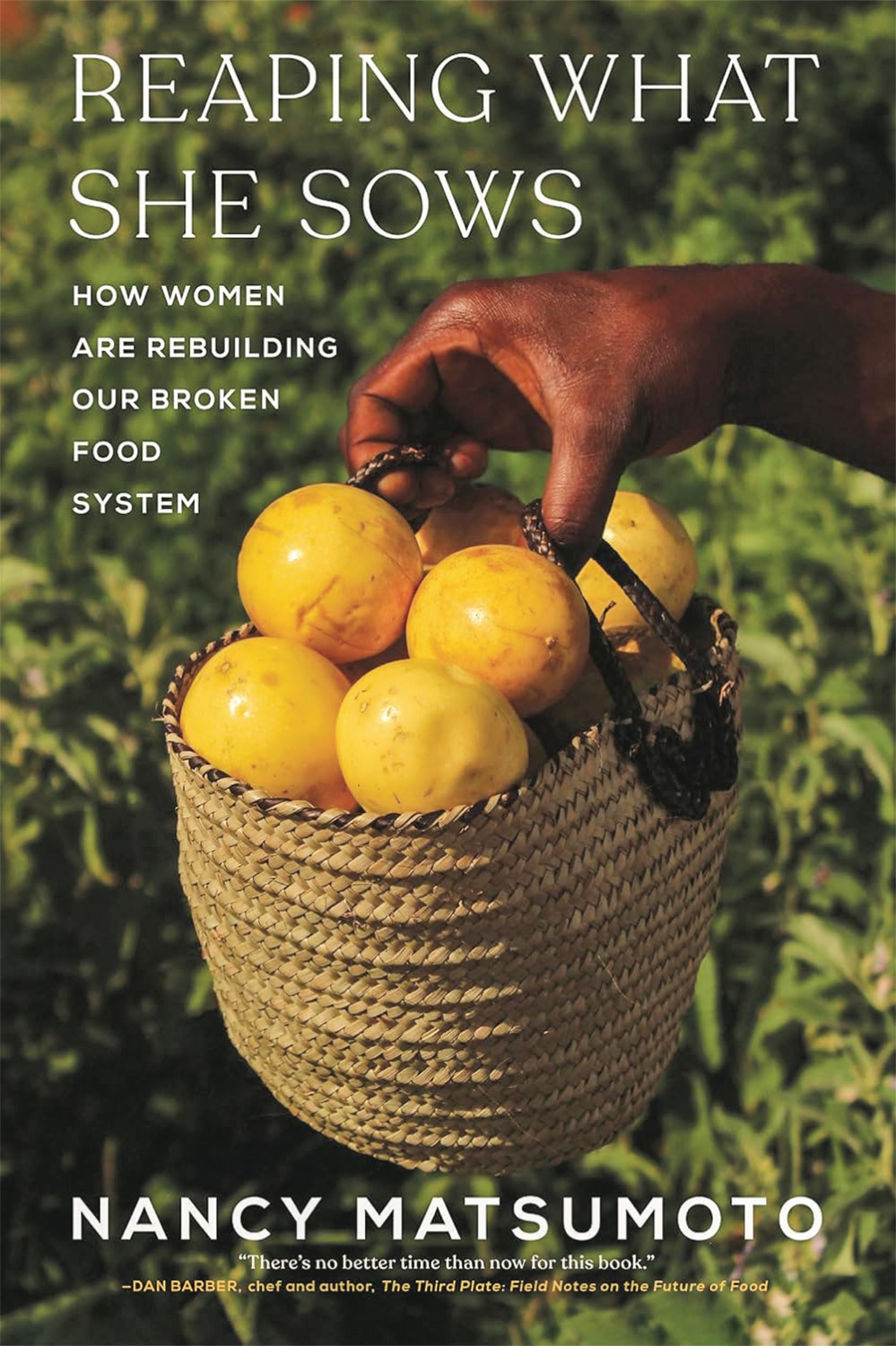
In Reaping What She Sows, award-winning author Nancy Matsumoto ’80 highlights how women farmers are quietly reshaping agriculture. Drawing on her experience as a longtime food and agriculture journalist, she illuminates an alternative food system rooted in reciprocity, community and respect for the land.

In a recent conversation with Pomona alumnus and fellow food writer Steve Sabicer ’00—author of the Substack newsletter Enlightened Omnivore—Matsumoto reflected on the personal roots of her work, the challenges and opportunities within the “alt food” movement and how flavor, community and connection can drive meaningful change.

What made this book personal enough that you felt you had to write it?

I didn’t really start this book as a personal story. I wrote it because I wanted to highlight these amazing women. And in the process of writing it, I started putting a little bit of my own story in. And what was interesting is that I realized how much my family had really shaped me, and how much of my interest in food and agriculture really came from very early experiences in my background.

My grandfather was both a fruit picker and a cannery worker up in the Pacific Northwest. Both sides of my family were in the [Japanese internment] camps of World War II. My grandmother wrote poems about being a farmer in the prison camp, and I think a connection to nature gave her a sense of agency that she wouldn’t have otherwise had.

We often romanticize local food systems, but global supply chains feed billions. What do you think about the benefits of local versus large-scale agriculture?

I think COVID was a real wake-up call to many people. Not being able to get things on the supermarket shelves was a shock. And then it also forced people to look in their own backyards and discover local farmers. They could get eggs that taste way better. And when avian bird flu came, they realized it didn’t affect their small, local organic farmer because they’re not part of the industrial poultry egg system. And so they began to see that there are real benefits to this, to not being part of a system where front-line workers were dying of COVID, where something like avian bird flu can just spread like wildfire because these are not great conditions for animals.

As a former butcher and someone raised for some of my childhood by a depression-era grandfather, wasting things was a huge deal. Do you think we’ve lost the sense of morality or responsibility about what we throw away?

Yes, and I think industry is complicit in making us that way because it’s a way to sell more stuff. If you don’t save and reuse and recycle, you buy more. You know, the way recycling works in our country is a perfect example. It’s made to make us feel good when actually it’s not really doing that much. It’s kind of like the cynical corporate mentality that wants to get us addicted to ultra-processed foods. It’s all about making more money.

And so yes, I think we’ve moved very far away from those traditional “waste not” [values]. It’s very strong in Japanese and Asian culture. And my parents were probably shaped by their wartime prison experience and their Japanese culture. That’s still very important to me, and I think it’s important for us to return to because food waste is huge.

Book Cover, Reaping What She Sows, MatsumotoYou write that taste may be one of the strongest drivers of change when it comes to agriculture. What do you mean by that?

Absolutely. There are bakers who I’ve met who are passionate about regeneration, about organic production methods, about the value of organic and regenerative grain growing, but they’re not going to mention that in their bakery or when they’re selling their goods to customers. In fact, they’re quiet about it. And some have actually said to me, you know, I don’t want to be preachy. Customers come to the bakery every week because it’s delicious. Do they know anything about the farming practice? Do they care about it? No. Not everyone is going to tell the whole regenerative story when they’re creating a delicious food. They want the food to speak for itself, which is completely legitimate.

What role do consumers play in building a better food system?

The consumer does have a big role and actually a lot of power. Of course we can all go to our farmers market. We can all grow vegetables in our backyard. But think a little bit more broadly. Does your community have a food policy council? Can you join it? Can you start one? How can we get more local and regenerative and organic sourcing for our elementary school or our charter school or our local hospital or prison? Going one step up from the individual level to the corporate, the institutional, and then you’re starting to talk about more business for these farmers who are really trying to create system change.

You have to really get in the weeds sometimes, and so work that may seem sort of nerdy and boring and geeky—digging into supply chains and sourcing—can actually be a source of real community and joy.

What gives you hope about the food system right now?

I think it’s really these amazing women that I meet all over the country. Every event I do, I meet more and more incredible people who are thinking of innovative ways to make a difference. You have dropouts from corporate America, people like you who are moved to join this movement because it speaks to them. And I can’t tell you how much joy there is in the room when you’re with people and they are energized. It is really one of the most rewarding parts of doing this work.


Stray Thoughts: Mixing it Up

What comes to mind when you see the word fusion? For me, it’s the wild and crazy food mashups of the ’90s and early aughts, when “global cooking” took off and menus began mixing and matching Asian and Western flavors with gusto—and decidedly mixed results. Pasta biryani anyone?

For folks on the STEM side of things, fusion probably means something else entirely—that would be nuclear fusion, the clean energy source that mimics the sun and could one day power our electric grids with nearly limitless power.

Whatever type of fusion—architectural fusion? fashion fusion?—resonates most closely for you, the underlying concept is similar: Combining elements creates a whole greater than the sum of its parts and the synergy of their interaction generates something new and unexpected.

In this issue of PCM, we delve into several facets of fusion. Yes, we’ll talk about food, and how chefs are moving on from fusion to a more personal kind of hyperlocalism that honors both geography and tradition. And we’ll meet Alex Zylstra ’09, who, with Bay Area startup Pacific Fusion, is making huge strides in bringing nuclear fusion online.

We’ll also explore a different sort of fusion here on campus, where integrated fields of study—philosophy, politics and economics or environmental analysis, for example—have developed in recent years to address the critical issues of our time. Increasingly, our students are also creating their own multidisciplinary courses of study by pursuing double majors. “Economics gives me the technical tool kit,” says Aditya Bhargava ’26, “while international relations sharpens my understanding of the political and regional contexts in which policy actually operates.”

In our final feature you’ll meet Kaitlyn Casimo ’13, a Seattle-based science communicator who draws on her experiences at Pomona as a neuroscience major passionately involved in theatre. Both science and theatre, says Casimo, are ways of exploring and understanding our relationship with the world.

So please, embrace the complexity, feel the synergy and enjoy this issue of PCM, my first as editor-in-chief.

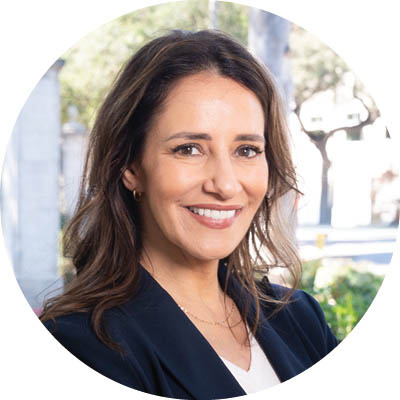
Judy Hill, PCM Editor

—Judy Hill
editor-in-chief

Neuroscience Meets Dance in Move Your Body, Grow Your Brain

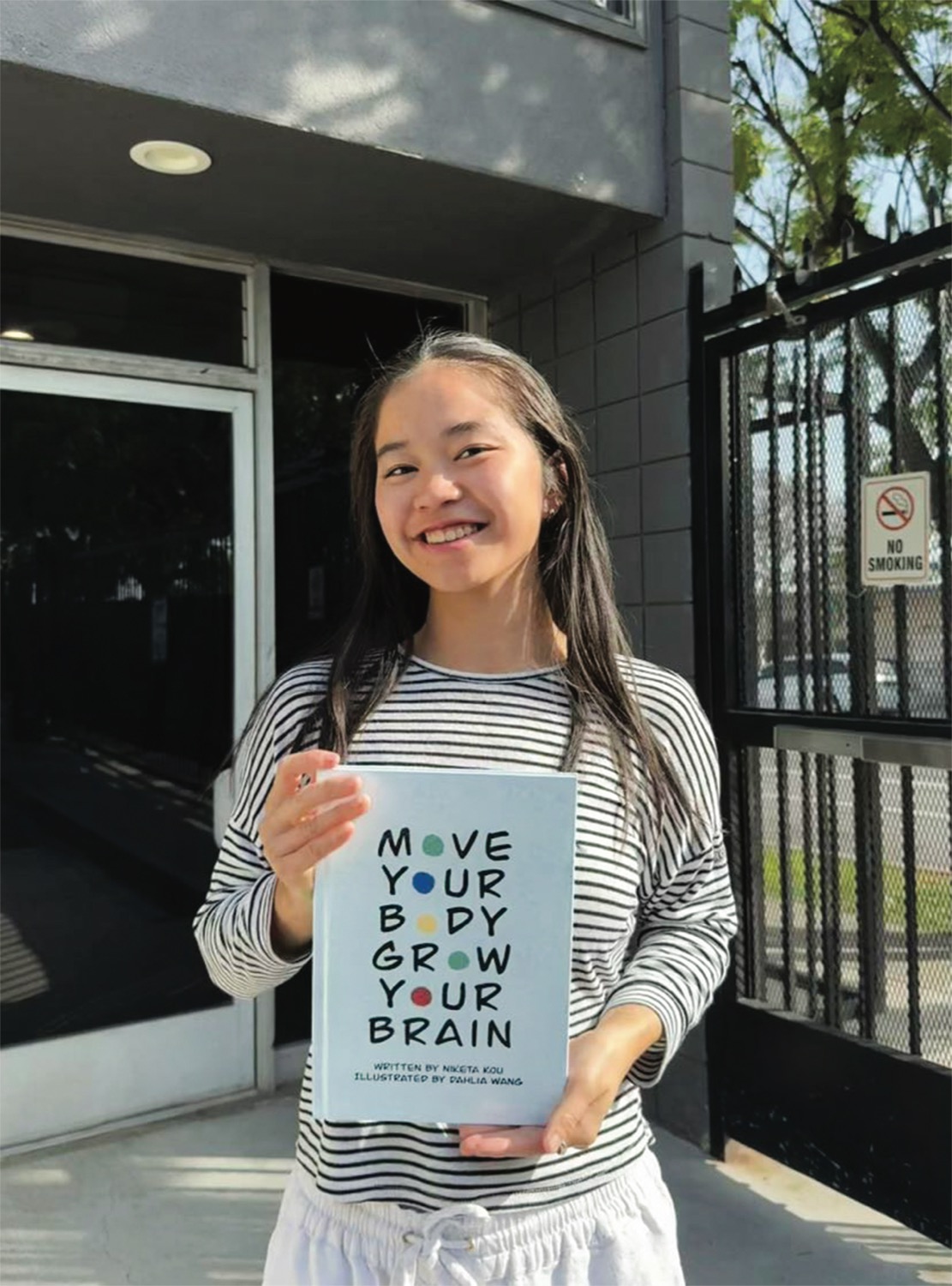
Niketa Kou ’25 with her book, Move Your Body, Grow Your Brain

Niketa Kou ’25 with her book, Move Your Body, Grow Your Brain

Niketa Kou ’25 created a children’s book for her senior thesis to spark curiosity and encourage young readers to explore both movement and science.

A lifelong dancer from Taiwan who double majored in dance and neuroscience at Pomona, Kou worked with Jonathan T. King, director and assistant professor of neuroscience, and the writing partners at the Center for Speaking, Writing, and the Image (CSWIM) on a narrative explaining the brain in a fun, accessible way.

In April 2025, Kou self-published Move Your Body, Grow Your Brain.

“In the book, Lazy Larry goes on a journey with Nike the Neuron and learns that physical activity strengthens neural connections and encourages new ones,” she says. “It also boosts blood flow and oxygen to the brain, supporting neuron health and improving memory and learning.”

As she brainstormed possible neuroscience theses, Kou drew inspiration from her time explaining complex ideas to children as a tutor. A longtime believer in the power of movement as medicine, she decided to explain the science behind her conviction.

“I thought, ‘As a kid, I would love to know these things.’”

Kou collaborated with illustrator Dahlia Wang SC ’24 to give her words life. Across 32 colorful pages, Move Your Body, Grow Your Brain encourages young readers to explore both movement and science. Several pages include a physical activity to try and an explanation of its scientific benefit.

Kou’s project thesis was a natural extension of her longest hobby, dance, where she experienced—long before neuroscience gave her the language for it—how movement affects the mind and body.

While she danced ballet growing up in Shanghai, Kou fell in love with contemporary dance in high school and chose to explore the expressive, evolving genre at Pomona.

Kou started choreographing her sophomore year, a responsibility that transformed the way she thought. Beyond creative growth, she says,

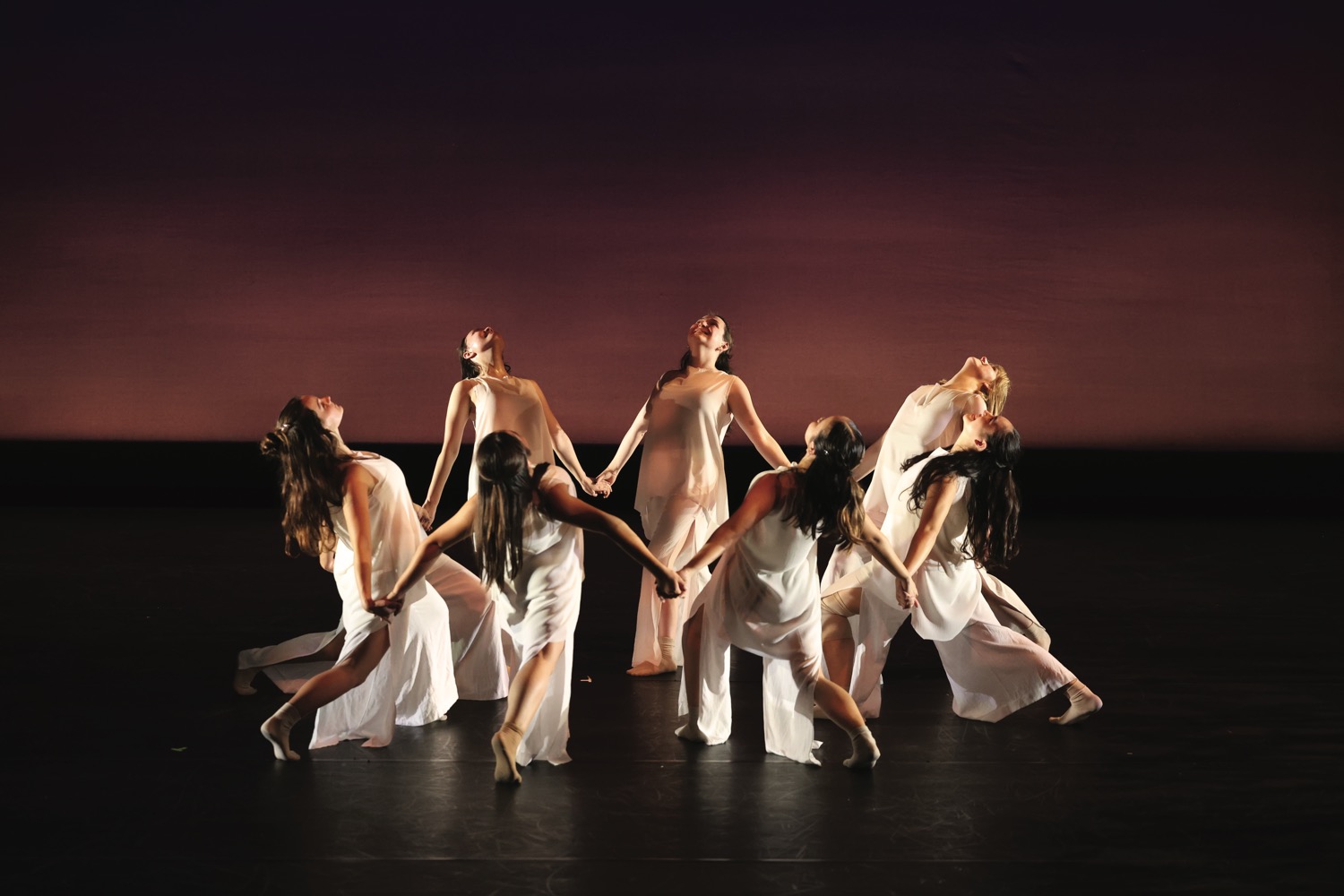
Dancers in Niketa Kou’s senior thesis performance.

Dancers in Niketa Kou’s senior thesis performance.

choreography pushed her to trust her instincts, embrace uncertainty and approach problem-solving with curiosity rather than perfectionism.

Ahead of her senior year, Kou danced in Berlin on a summer scholarship. When she returned to Claremont, she says she had a more expansive, flexible mindset shaped by movement.

“The beauty of dance is getting to slow down time and have fun, which can be hard as a college student,” she says. “Movement changed the way my mind and body responded to pressure. Dance became a space where I could reset mentally and reconnect physically.”

A medical assistant by day, Kou moonlights as a freelance dancer in and around Los Angeles.

“I’m still living that Pomona College life—balancing both sides of me,” she says.

The Healing Power of Art

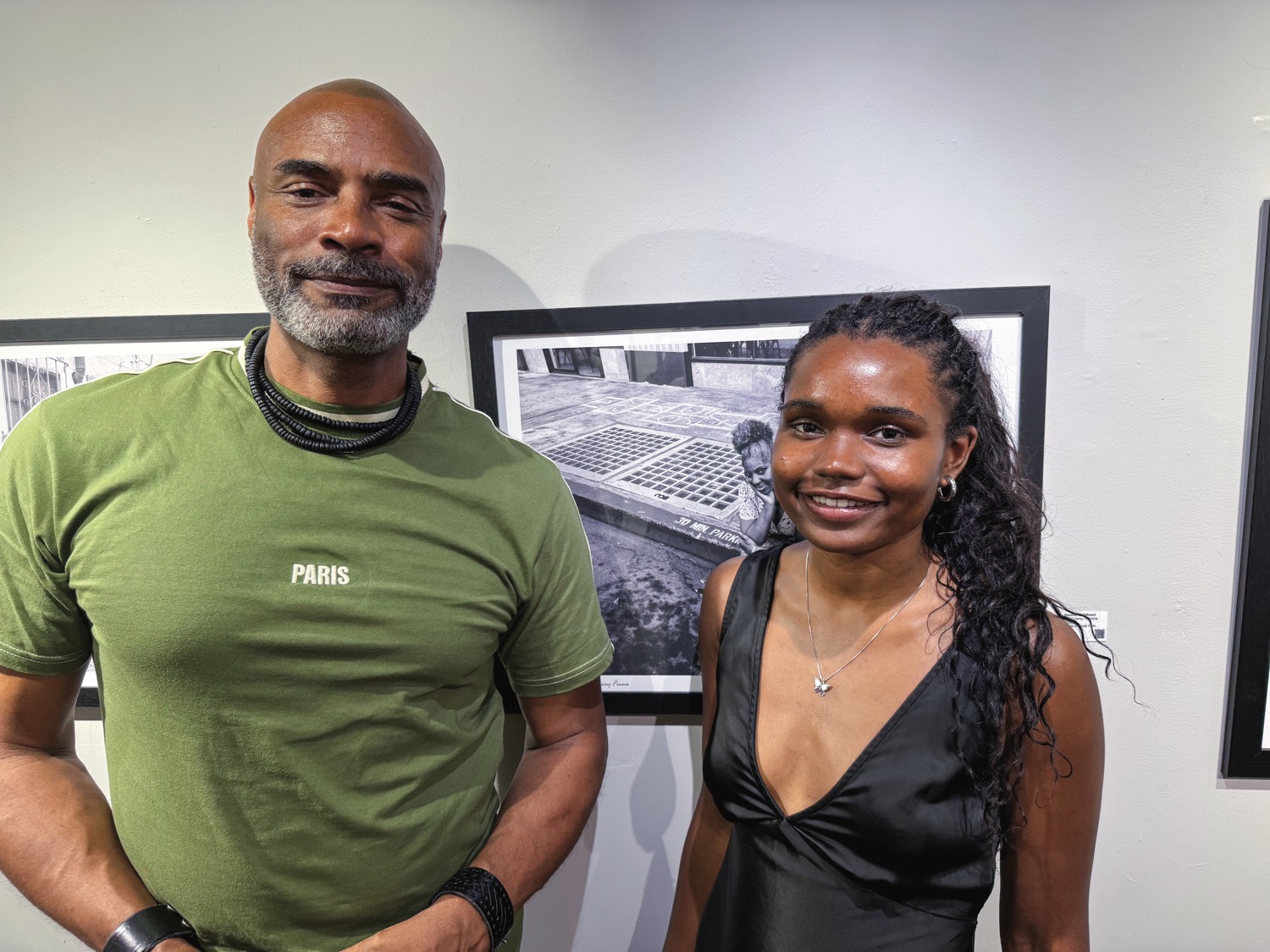
Photographer Alfred Haymond with Aminah Augustin ’28.

Photographer Alfred Haymond with Aminah Augustin ’28.

When Associate Professor of Sociology Pamela Prickett met Alfred Haymond, a photographer who lost his Altadena home in the 2025 Eaton Fire, she knew she wanted her students to hear his story firsthand.

Haymond’s photographs, which capture everyday Black life in Los Angeles, “help bring some of the theories and histories we read about in class into new, real-life perspective,” says Prickett.

In April, she took a group of her Urban Sociology students to the Sasse Museum of Art in Pomona for a private tour of Haymond’s exhibit “Observations in B&W.” Haymond talked about his art and also about the human toll of the fire and how artists have been healing and helping others to heal through their work.

“Alfred depicted what it was like to be in the community of West Altadena,” says Aminah Augustin ’28, “showing how lively, artistic and innovative it was.”


Benton Receives Saul Steinberg Gift

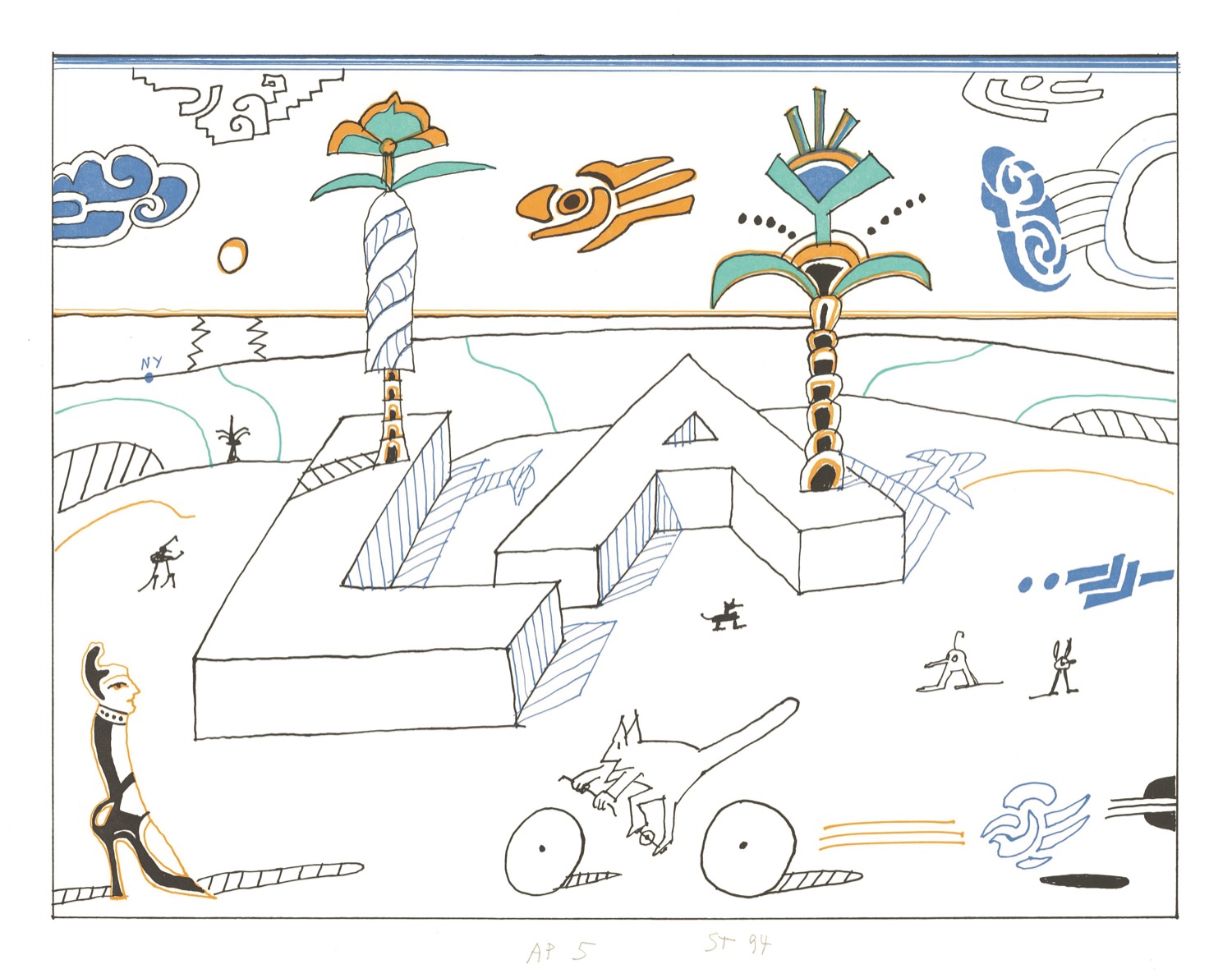
Saul Steinberg, LA, 1994. Photoengraving on wove paper. Pomona College Collection, Gift of the Saul Steinberg Foundation

Saul Steinberg, LA, 1994. Photoengraving on wove paper. Pomona College Collection, Gift of the Saul Steinberg Foundation.

Pomona’s Benton Museum of Art recently announced a gift of 76 works of art by Saul Steinberg from the Saul Steinberg Foundation, a nonprofit established by the artist in his will. The gift encompasses a wide range of two- and three-dimensional media—from prints and drawings to wooden objects—and celebrates Steinberg’s constantly evolving artistic practice and his deep level of engagement with the people and objects around him. “We are especially proud,” says Museum Director Victoria Sancho Lobis, “to preserve and interpret not only the work for which Steinberg is best known, but also the kind of creative projects that best reflect his humanity and that can inspire young people in embodying the values of curiosity, exploration and discovery.” Lobis is curating an exhibition organized around the gift that will take place at the museum this fall. Stay tuned for more details.

Letter Box

Remind Me

I enjoyed the article in the current issue of Pomona College Magazine about the tradition of assigning a book for all first-year students to read. However, in polling friends of mine also from the Class of ’68, none of us has any recollection of that happening. Can you advise what the book was that was assigned to the Class of ’68 (incoming freshmen in 1964)? Maybe that would spark a memory! Thank you!

—Peggy Halstad Templer ’68

I love the magazine. The Winter 2026 issue had an article by Paul Eckstein ’62 on the summer reading books that freshmen are assigned. Is there any way someone can tell me what the freshman summer reading was for the incoming Class of 1979? I’ve asked all my alumni friends and none of us remember. Thank you so much! We would love to be reminded!

—Gabriela Vazquez ’83

As a Pomona College graduate I treasure each issue of the Pomona College Magazine. As a student who transferred from Pitzer in my junior year, I did not get the same bonding experience of sponsor groups that first-years receive. But even 50+ years later, I would love to read the book that my class read their first year. The photo of the big stacks of books that you feature each year never goes back to the Class of 1973 so I am wondering if you could send me a list of all the titles, by year, from the inception of the program. If not, I would be happy to at least get the title of the book the freshman class that graduated in 1973 read.

—Georgia Hall Chun ’73


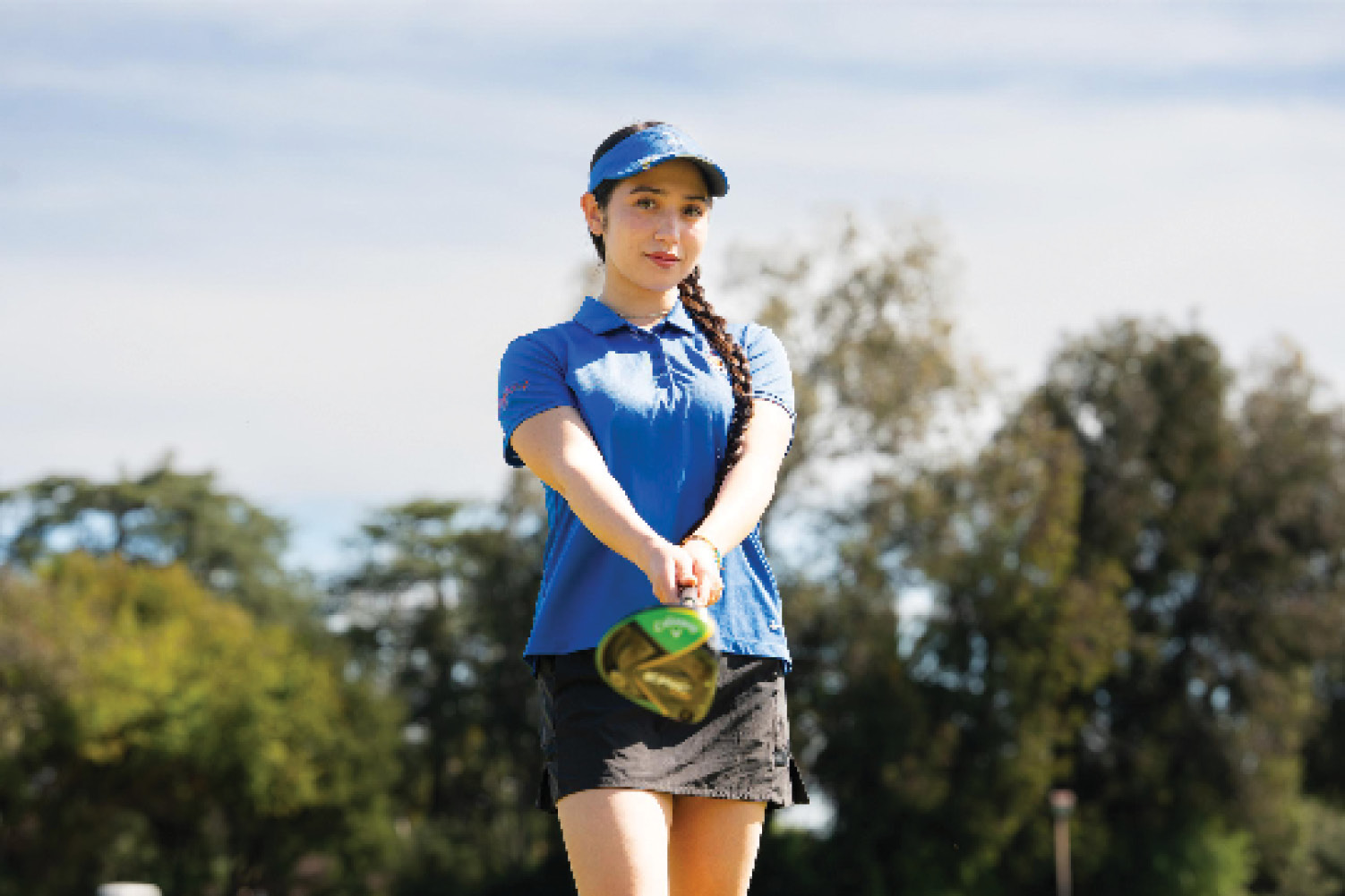
Rachel LeMay ’27, a neuroscience major, is the only women’s golfer to earn All-American honors her first two years in Sagehen blue.

Rachel LeMay ’27, a neuroscience major, is the only women’s golfer to earn All-American honors her first two years in Sagehen blue.

Fore!

I enjoyed reading about Sagehen athletics shining in the fall season but was a bit surprised and disappointed to see that there was no mention of the men’s or women’s golf team, which competed in both the fall and the spring. These student-athletes make quite a sacrifice to compete in two seasons and seeing how there was no mention of them at all, it seems like quite an egregious omission!

I do not golf myself but having three kids (hopefully future Sagehens!) involved in junior golf, I get to see firsthand the amount of time/work/sacrifice these collegiate golfers make to play the sport that they love.

—Dan Tzuang PO’98
Interim Associate Dean of Students
of Health and Wellness 2015

Editor’s Note: While the men’s and women’s golf teams play in the fall, their traditional seasons are in the spring, with invitationals between February and May, culminating with the conference and NCAA finals. The few fall tournaments they play in do not count toward records or standing.


Corrections for Winter 2026 Issue

In “They Got Mail” (Page 42), several of the names for the caption accompanying the senior class photos were mistakenly transposed. The caption has been corrected online. Read the full story at magazine.pomona.edu/they-got-mail

Write to Us at PCM

Pomona College Magazine welcomes brief letters to the editor about the magazine and issues related to the College from the extended Pomona community—alumni, parents, students, faculty, staff, donors and others with a strong connection to the College. Write to us at
pcm@pomona.edu or mail a letter to Pomona College Magazine, 550 N. College Ave., Claremont, CA 91711. Letters should include the writer’s name, city and state of residence, class year for alumni and contact information. With rare exceptions, letters should be no more than 400 words in length. Letters are selected for publication based on relevance and available space and are subject to being edited for brevity and clarity.