
A Conversation with Author Nancy Matsumoto ’80
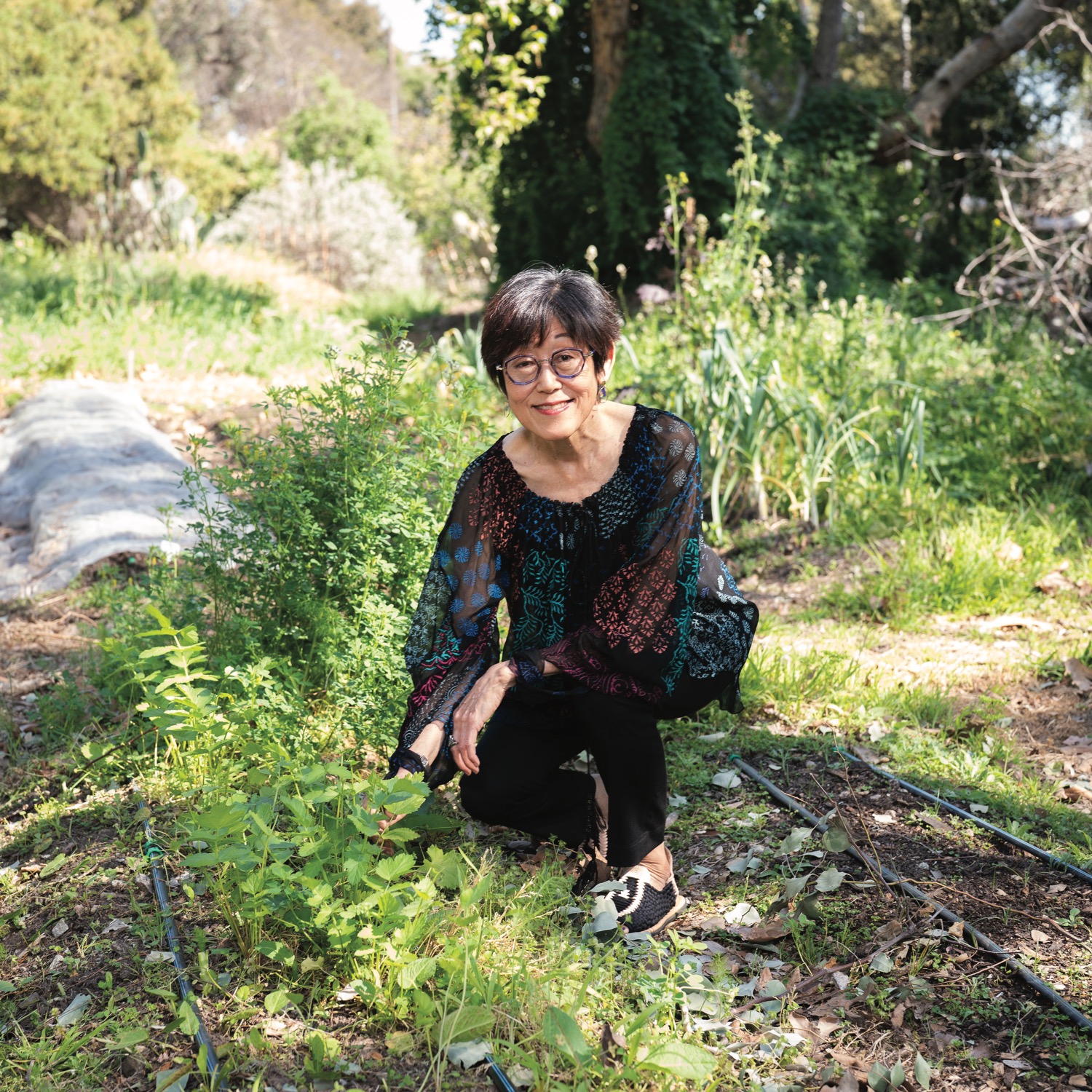
Matsumoto ’80, author of Reaping What She Sows
In Reaping What She Sows, award-winning author Nancy Matsumoto ’80 highlights how women farmers are quietly reshaping agriculture. Drawing on her experience as a longtime food and agriculture journalist, she illuminates an alternative food system rooted in reciprocity, community and respect for the land.
In a recent conversation with Pomona alumnus and fellow food writer Steve Sabicer ’00—author of the Substack newsletter Enlightened Omnivore—Matsumoto reflected on the personal roots of her work, the challenges and opportunities within the “alt food” movement and how flavor, community and connection can drive meaningful change.
What made this book personal enough that you felt you had to write it?
I didn’t really start this book as a personal story. I wrote it because I wanted to highlight these amazing women. And in the process of writing it, I started putting a little bit of my own story in. And what was interesting is that I realized how much my family had really shaped me, and how much of my interest in food and agriculture really came from very early experiences in my background.
My grandfather was both a fruit picker and a cannery worker up in the Pacific Northwest. Both sides of my family were in the [Japanese internment] camps of World War II. My grandmother wrote poems about being a farmer in the prison camp, and I think a connection to nature gave her a sense of agency that she wouldn’t have otherwise had.
We often romanticize local food systems, but global supply chains feed billions. What do you think about the benefits of local versus large-scale agriculture?
I think COVID was a real wake-up call to many people. Not being able to get things on the supermarket shelves was a shock. And then it also forced people to look in their own backyards and discover local farmers. They could get eggs that taste way better. And when avian bird flu came, they realized it didn’t affect their small, local organic farmer because they’re not part of the industrial poultry egg system. And so they began to see that there are real benefits to this, to not being part of a system where front-line workers were dying of COVID, where something like avian bird flu can just spread like wildfire because these are not great conditions for animals.
As a former butcher and someone raised for some of my childhood by a depression-era grandfather, wasting things was a huge deal. Do you think we’ve lost the sense of morality or responsibility about what we throw away?
Yes, and I think industry is complicit in making us that way because it’s a way to sell more stuff. If you don’t save and reuse and recycle, you buy more. You know, the way recycling works in our country is a perfect example. It’s made to make us feel good when actually it’s not really doing that much. It’s kind of like the cynical corporate mentality that wants to get us addicted to ultra-processed foods. It’s all about making more money.
And so yes, I think we’ve moved very far away from those traditional “waste not” [values]. It’s very strong in Japanese and Asian culture. And my parents were probably shaped by their wartime prison experience and their Japanese culture. That’s still very important to me, and I think it’s important for us to return to because food waste is huge.
 You write that taste may be one of the strongest drivers of change when it comes to agriculture. What do you mean by that?
Absolutely. There are bakers who I’ve met who are passionate about regeneration, about organic production methods, about the value of organic and regenerative grain growing, but they’re not going to mention that in their bakery or when they’re selling their goods to customers. In fact, they’re quiet about it. And some have actually said to me, you know, I don’t want to be preachy. Customers come to the bakery every week because it’s delicious. Do they know anything about the farming practice? Do they care about it? No. Not everyone is going to tell the whole regenerative story when they’re creating a delicious food. They want the food to speak for itself, which is completely legitimate.
What role do consumers play in building a better food system?
The consumer does have a big role and actually a lot of power. Of course we can all go to our farmers market. We can all grow vegetables in our backyard. But think a little bit more broadly. Does your community have a food policy council? Can you join it? Can you start one? How can we get more local and regenerative and organic sourcing for our elementary school or our charter school or our local hospital or prison? Going one step up from the individual level to the corporate, the institutional, and then you’re starting to talk about more business for these farmers who are really trying to create system change.
You have to really get in the weeds sometimes, and so work that may seem sort of nerdy and boring and geeky—digging into supply chains and sourcing—can actually be a source of real community and joy.
What gives you hope about the food system right now?
I think it’s really these amazing women that I meet all over the country. Every event I do, I meet more and more incredible people who are thinking of innovative ways to make a difference. You have dropouts from corporate America, people like you who are moved to join this movement because it speaks to them. And I can’t tell you how much joy there is in the room when you’re with people and they are energized. It is really one of the most rewarding parts of doing this work.