Most of the research projects undertaken by students at Pomona, with the support of or in collaboration with faculty members, are of the kind known as “pure research”—that is, their aim is to add new knowledge to a field of study, not to pursue a specific application. Occasionally, however, those projects cross over into “applied research,” aimed at solving a specific problem in the real world. The following are illustrations of three such projects, all aimed at finding new solutions to problems in medicine or mental health.
Diagnosis by Breath
View the full, two-page Diagnosis by Breath infographic as it appeared in the print edition.
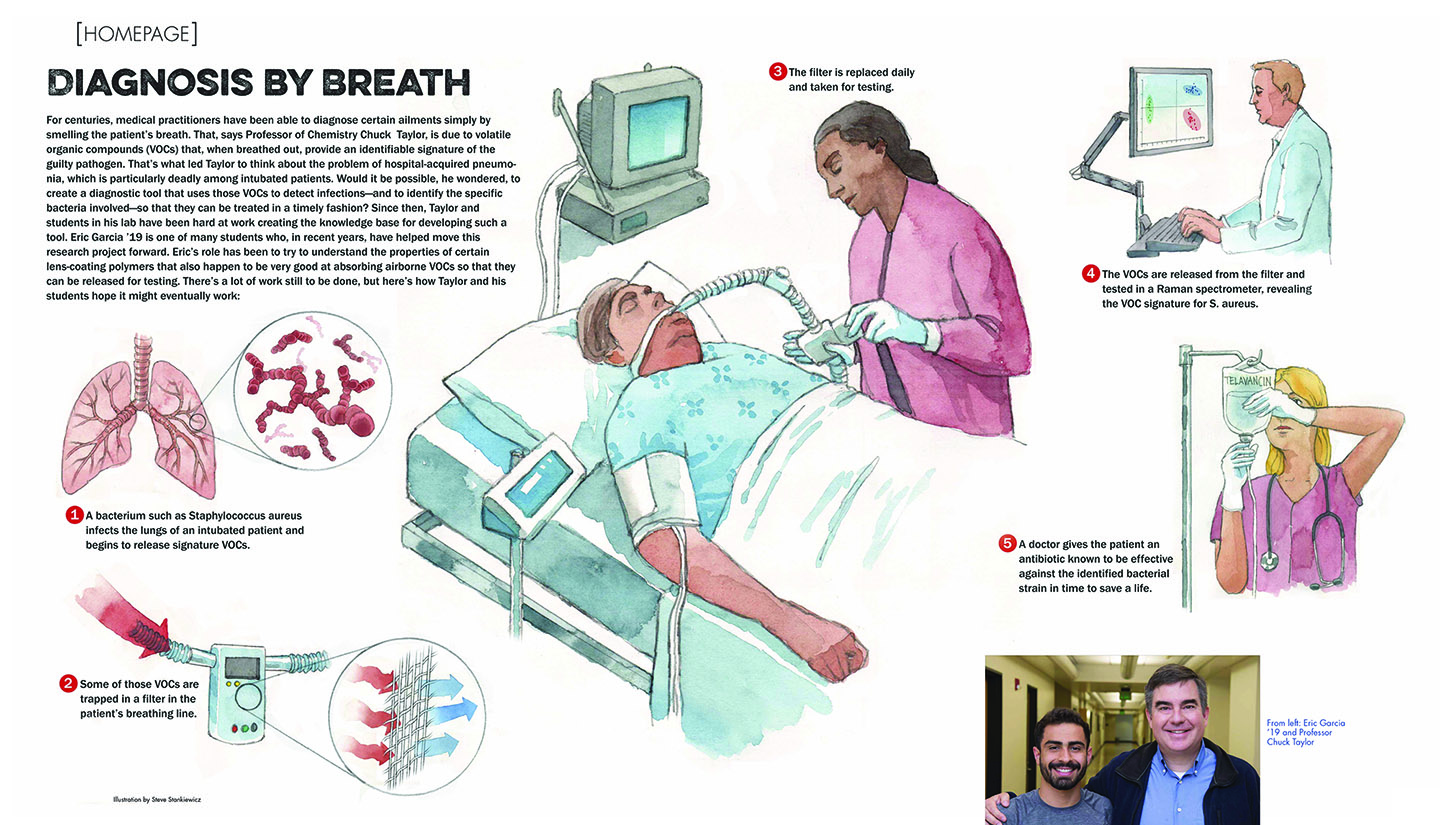
For centuries, medical practitioners have been able to diagnose certain ailments simply by smelling the patient’s breath. That, says Professor of Chemistry Chuck Taylor, is due to volatile organic compounds (VOCs) that, when breathed out, provide an identifiable signature of the guilty pathogen. That’s what led Taylor to think about the problem of hospital-acquired pneumonia, which is particularly deadly among intubated patients. Would it be possible, he wondered, to create a diagnostic tool that uses those VOCs to detect infections—and to identify the specific bacteria involved—so that they can be treated in a timely fashion? Since then, Taylor and students in his lab have been hard at work creating the knowledge base for developing such a tool. Eric Garcia ’19 is one of the many students who, in recent years, have helped move this research project forward. Eric’s role has been to try to understand the properties of certain lens-coating polymers that also happen to be very good at absorbing airborne VOCs so that they can be released for testing. There’s a lot of work still to be done, but here’s how Taylor and his students hope it might eventually work:
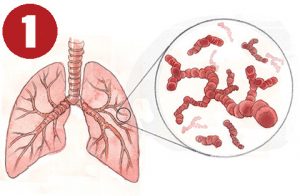 A bacterium such as Staphylococcus aureus infects the lungs of an intubated patient and begins to release signature VOCs.
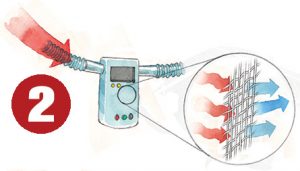
Some of those VOCs are trapped in a filter in the patient’s breathing line.
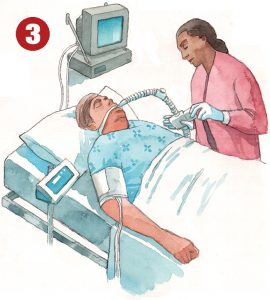 The filter is replaced daily and taken for testing.
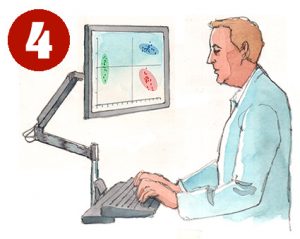 The VOCs are released from the filter and tested in a Raman spectrometer, revealing the VOC signature for S. aureus.
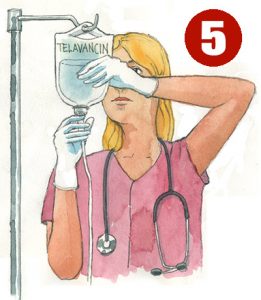 A doctor gives the patient an antibiotic known to be effective against the identified bacterial strain in time to save a life.
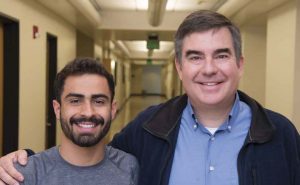 From left: Eric Garcia ’19 and Professor Chuck Taylor
Autism and Virtual Reality
View the full, two-page Autism and Virtual Reality infographic as it appeared in the print edition.
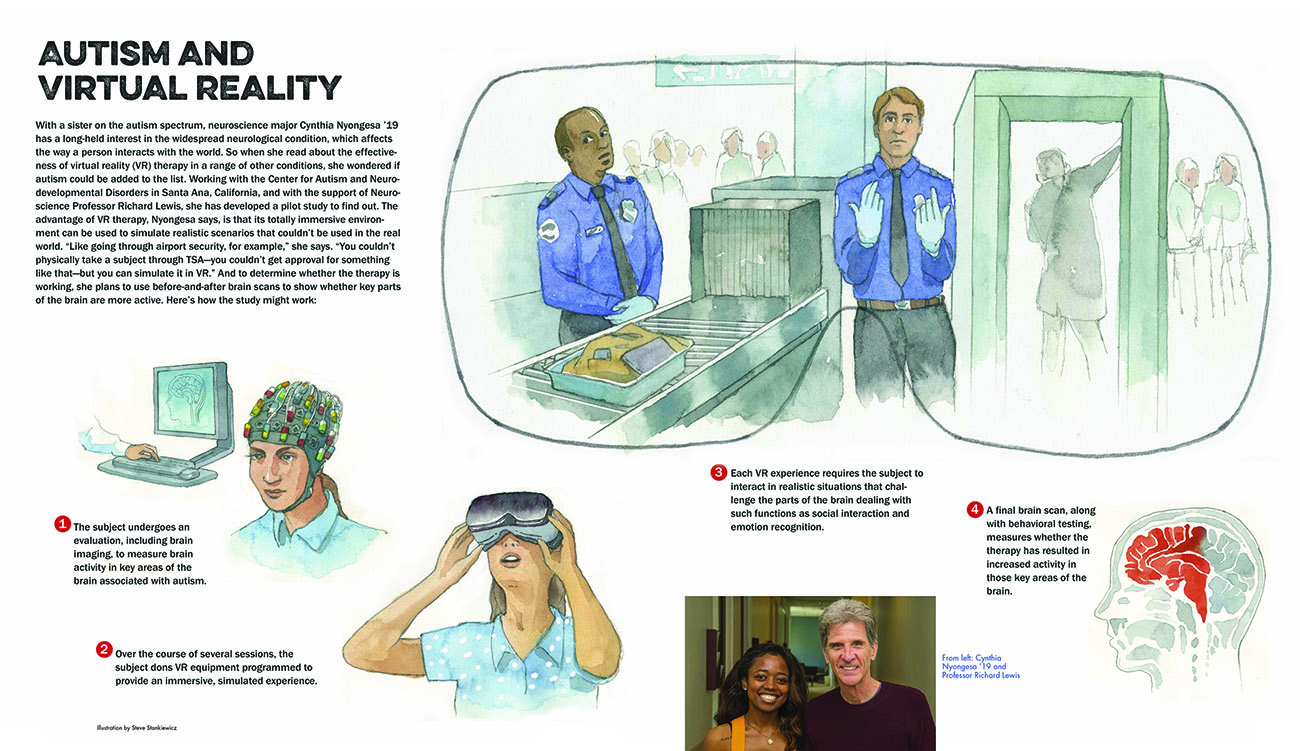
With a sister on the autism spectrum, neuroscience major Cynthia Nyongesa ’19 has a long-held interest in the widespread neurological condition, which affects the way a person interacts with the world. So when she read about the effectiveness of virtual reality (VR) therapy in a range of other conditions, she wondered if autism could be added to the list. Working with the Center for Autism and Neurodevelopmental Disorders in Santa Ana, California, and with the support of Neuroscience Professor Richard Lewis, she has developed a pilot study to find out. The advantage of VR therapy, Nyongesa says, is that its totally immersive environment can be used to simulate realistic scenarios that couldn’t be used in the real world. “Like going through airport security, for example,” she says. “You couldn’t physically take a subject through TSA—you couldn’t get approval for something like that—but you can simulate it in VR.” And to determine whether the therapy is working, she plans to use before-and-after brain scans to show whether key parts of the brain are more active. Here’s how the study might work:

The subject undergoes an evaluation, including brain imaging, to measure brain activity in key areas of the brain associated with autism.

Over the course of several sessions, the subject dons VR equipment programmed to provide an immersive, simulated experience.
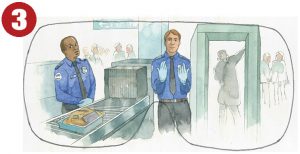
Each VR experience requires the subject to interact in realistic situations that challenge the parts of the brain dealing with such functions as social interaction and emotion recognition.
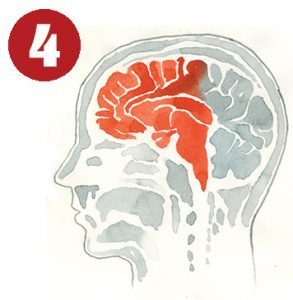
A final brain scan, along with behavioral testing, measures whether the therapy has resulted in increased activity in those key areas of the brain.
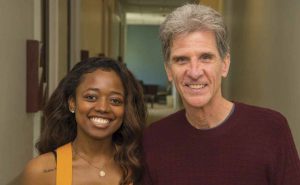 From Left: Cynthia Nyongesa ’19 and Professor Richard Lewis
Depression and Social Media
View the full, two-page Depression and Social Media infographic as it appeared in the print edition.
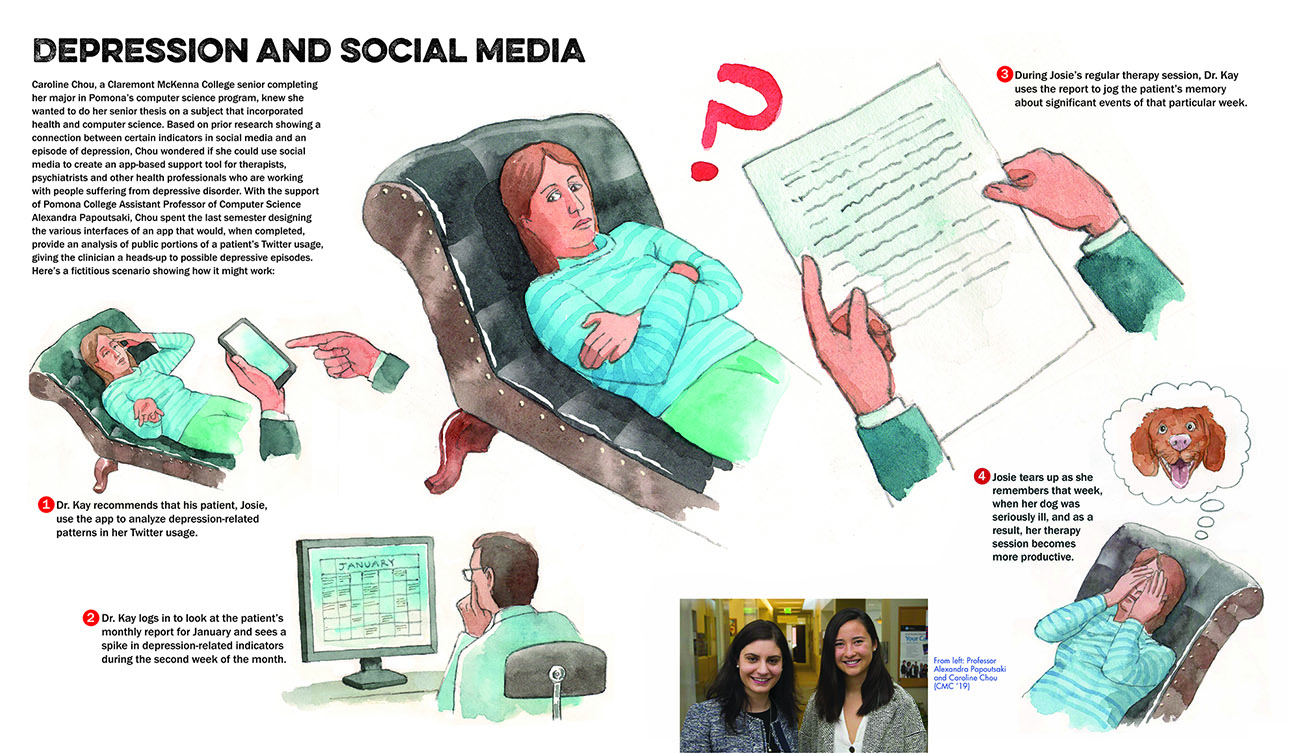
Caroline Chou, a Claremont McKenna College senior completing her major in Pomona’s computer science program, knew she wanted to do her senior thesis on a subject that incorporated health and computer science. Based on prior research showing a connection between certain indicators in social media and an episode of depression, Chou wondered if she could use social media to create an app-based support tool for therapists, psychiatrists and other health professionals who are working with people suffering from depressive disorder. With the support of Pomona College Assistant Professor of Computer Science Alexandra Papoutsaki, Chou spent the last semester designing the various interfaces of an app that would, when completed, provide an analysis of public portions of a patient’s Twitter usage, giving the clinician a heads-up to possible depressive episodes. Here’s a fictitious scenario showing how it might work:
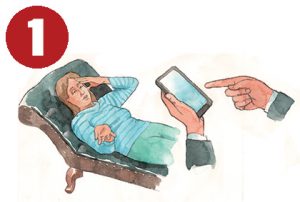
Dr. Kay recommends that his patient, Josie, use the app to analyze depression-related patterns in her Twitter usage.

Dr. Kay logs in to look at the patient’s monthly report for January and sees a spike in depression-related indicators during the second week of the month.
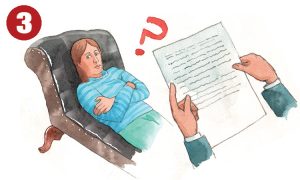
During Josie’s regular therapy session, Dr. Kay uses the report to jog the patient’s memory about significant events of that particular week.
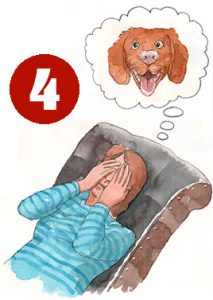
Josie tears up as she remembers that week, when her dog was seriously ill, and as a result, her therapy session becomes more productive.
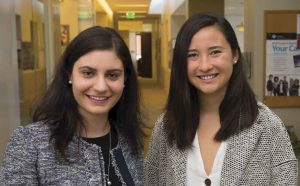 From left: Professor Alexandra Papoutsaki and Caroline Chou (CMC ’19)
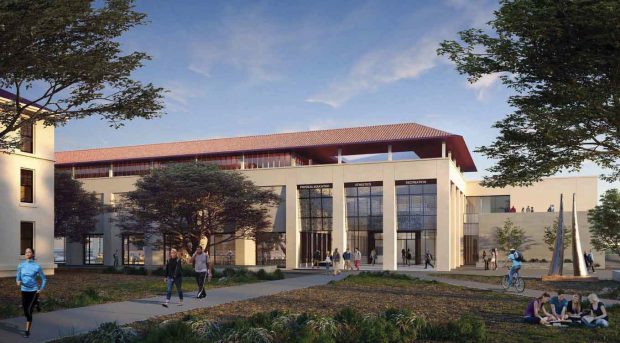 Pomona College has also announced plans for a new athletics and recreation facility to replace the Rains Center for Sport and Recreation, with construction to begin in 2020.
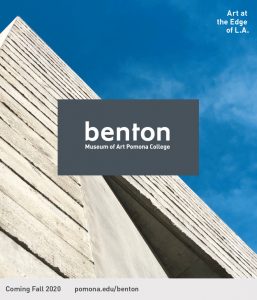 The Pomona College Museum of Art has a new building under construction, and now it also has a new name, in honor of Janet Inskeep Benton ’79, whose lead gift of $15 million is helping to fund the new structure.
 Scott Kratz ’92 was having breakfast with a good friend, who at the time was director of D.C.’s Office of Planning, when he asked an offhand question about all the construction going on with an old bridge over the Anacostia River. To his surprise, Harriet Tregoning began to lay out her dream for transforming that old span into a park.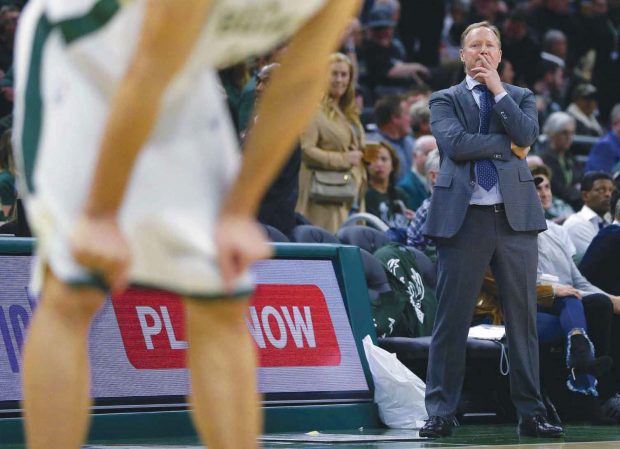

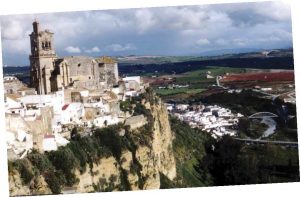 The real charm of Andalucía lies in its countryside, featuring blindingly white mountain villages (the so-called pueblos blancos) and endless olive and almond groves. Infamous for its scalding summers, Andalucía is equally renowned for its mild springs, the perfect season for enjoying the countryside the way it is meant to be enjoyed: on foot. The southernmost tip of Andalucía greets its visitors with whitewashed splashes on its craggy hillsides and minarets reshaped into Christian bell towers. Herds of wild bulls roam the upland pastures, pigs root for acorns under isolated oak trees, and Egyptian vultures soar overhead. Hike by day and enjoy village life by night in the midst of a week-long festival leading up to holiest of Christian holidays: Easter. What better way to appreciate the uniqueness of the southwesternmost corner of Europe?
 Have you checked out SagePost47, Pomona’s online platform that bridges the gap between students and alumni by fostering one-on-one connections and mentorships? Founded by an alumnus and a student in 2014, SagePost47 has grown to feature 100-plus alumni mentors, blogs, panel events and mock interviews. Learn more and sign up today at





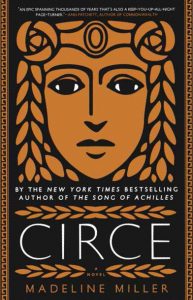 Seeking your next spring novel and a way to connect with fellow Sagehens? Join the Pomona College Book Club on Goodreads to chat with alumni, professors, students, parents and staff around a common love of reading. Visit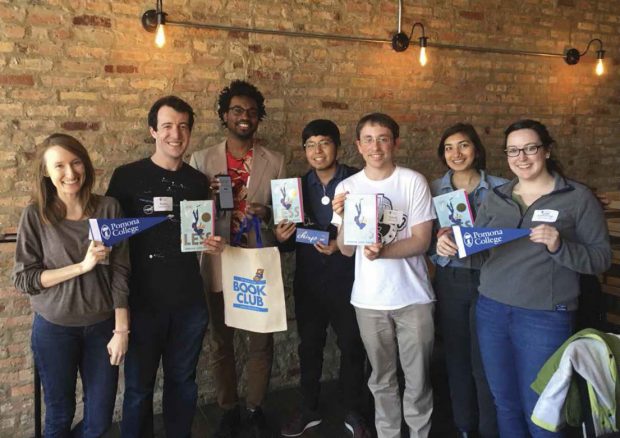

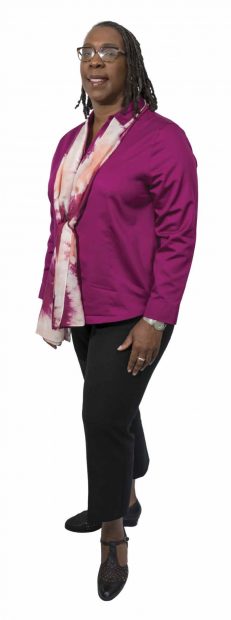 While Avis Hinkson was growing up in a Barbadian immigrant household in Brooklyn, she imagined a career in health care. Instead, her life’s work has been guiding college students, first as an admission officer, later as a director of advising and now as Pomona College’s dean of students. “I didn’t go to college thinking I would stay in college,” she says with a laugh. She tells students that “as a college student, you want to chart a career path, and I encourage you to do that. But I also encourage you to be open to the right and left turns that sometimes take place, because they can lead you to wonderful career spots that you couldn’t have possibly imagined.”
 Absorb the lesson while growing up in a culturally rich neighborhood that education is the path to a better life. Watch your mother, a seamstress, graduate from college in her 50s after going to work as a teacher assistant.
 Go along with a high school friend to meet a recruiter from Barnard College. Be impressed that the recruiter is African American, and with the help of financial aid (Barnard costs more than your father makes in a year’s work as a mason), become one of about 25 Black students in a class of 500.
 Bump into Barnard student Vernā Myers on your way to the career center to pick a work-study job as a first-year student. Heed the advice of the future Netflix vice president when she suggests a job in the admissions office. Create Barnard’s first overnight-visit program for prospective students of color.
 Listen to Barnard senior Marcia Sells (a future dean of students at Harvard Law School) when she encourages you to run for the student seat on the Board of Trustees. Take part in the decision that Barnard will remain a women’s college instead of merging with Columbia.
 After graduation, become an admissions counselor at Bowdoin, establishing minority recruitment programs there. Decide on a career in higher ed instead of health care, later earning an M.A. in student personnel administration from Columbia University’s Teachers College and an Ed.D. from Penn.
 Establish minority recruitment programs at Cornell before coming to Pomona in 1990 as associate dean of admissions. Contribute to Pomona’s minority recruitment plan before moving on to become director of minority recruitment at the University of Southern California.
 As director of advising for more than 18,000 undergraduates in the College of Letters and Sciences of the University of California, Berkeley, get an eye-opening look at the bureaucracy of a large public university. While furloughed amid a California budget crisis, remember the allure of small liberal arts colleges.
 Go home again and call your 96-year-old father to tell him you’ve been named as Barnard’s first African American dean of the college. Feel grateful that a man who felt most comfortable talking with the public safety officers and janitors when visiting campus lived to see it.
 Go home again (again). Leave behind your newly renovated childhood home in Brooklyn and return to Pomona as you are drawn back to the campus where G. Gabrielle Starr has recently become Pomona’s 10th president, the first woman and first African American to lead the campus.
 Discover that April Mayes ’94 is now a professor of history at Pomona, and Nate Kirtman III ’92 is on the Board of Trustees. (Both were student workers in admissions when you worked at the College before.) Know that the seeds you planted have helped make Pomona one of the most diverse private residential liberal arts colleges in the country.