
A Conversation with Jane Chen ’00
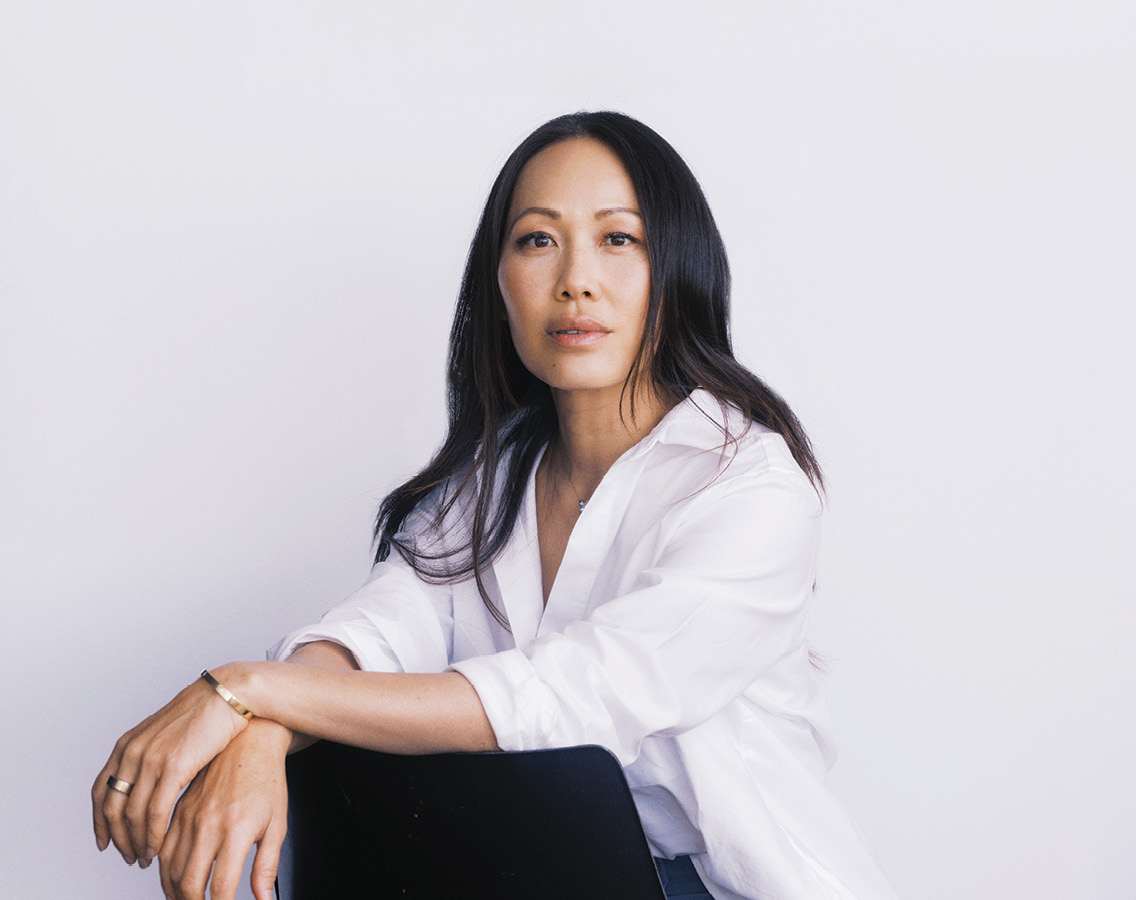
Fifteen years ago, PCM profiled Jane Chen ’00, CEO and co-founder of Embrace Global, which has saved over 1 million babies around the world with its groundbreaking low-cost, portable incubator. In that role, Chen was selected for Forbes’ Impact 30, received both the Economist Innovation Award and the Fast Company Innovation Award, and was named Social Entrepreneur of the Year by the World Economic Forum in 2013. Beyoncé supported the work through a grant, and President Barack Obama invited Chen to the White House to demonstrate the product.
But when Embrace nearly collapsed after a decade, Chen was forced to confront her inner demons. Chen’s book Like a Wave We Break: A Memoir of Falling Apart and Finding Myself lays bare her journey from a traumatic upbringing to the burnout she experienced running Embrace to her desperate search for healing. She talks to PCM about why she wrote the book, the impact it’s had and the work she is doing after stepping down from leading Embrace.
How is it for you to meet people who already know so much about your life from reading the book?
I’ve noticed my conversations go much deeper much more quickly. When you’re vulnerable, you create space for others to be vulnerable, too.
I wrote this book because I hoped that sharing my experiences might help others; if it hadn’t been for that, I don’t think I would have written it. That’s been the most rewarding aspect of putting the book into the world—so many people have come to me saying, “I feel seen for the first time” or “This is my story, too.”
I’ve heard that especially from Asian Americans and immigrants, but the themes are universal. Anyone who has experienced trauma, adversity or struggled with the feeling that they’re not enough can find themselves in the story.
How do your parents feel about you sharing your family’s private affairs so publicly?
Starting this project, that was my biggest concern. I didn’t want anyone in the book to be portrayed negatively, so my intention was to write about every character with love and respect—and also to tell the truth. I didn’t want this to be a story of blame or victimhood. I wanted to honestly share the things that have shaped me, including the dynamics within my family, intergenerational trauma, the history of my lineage.
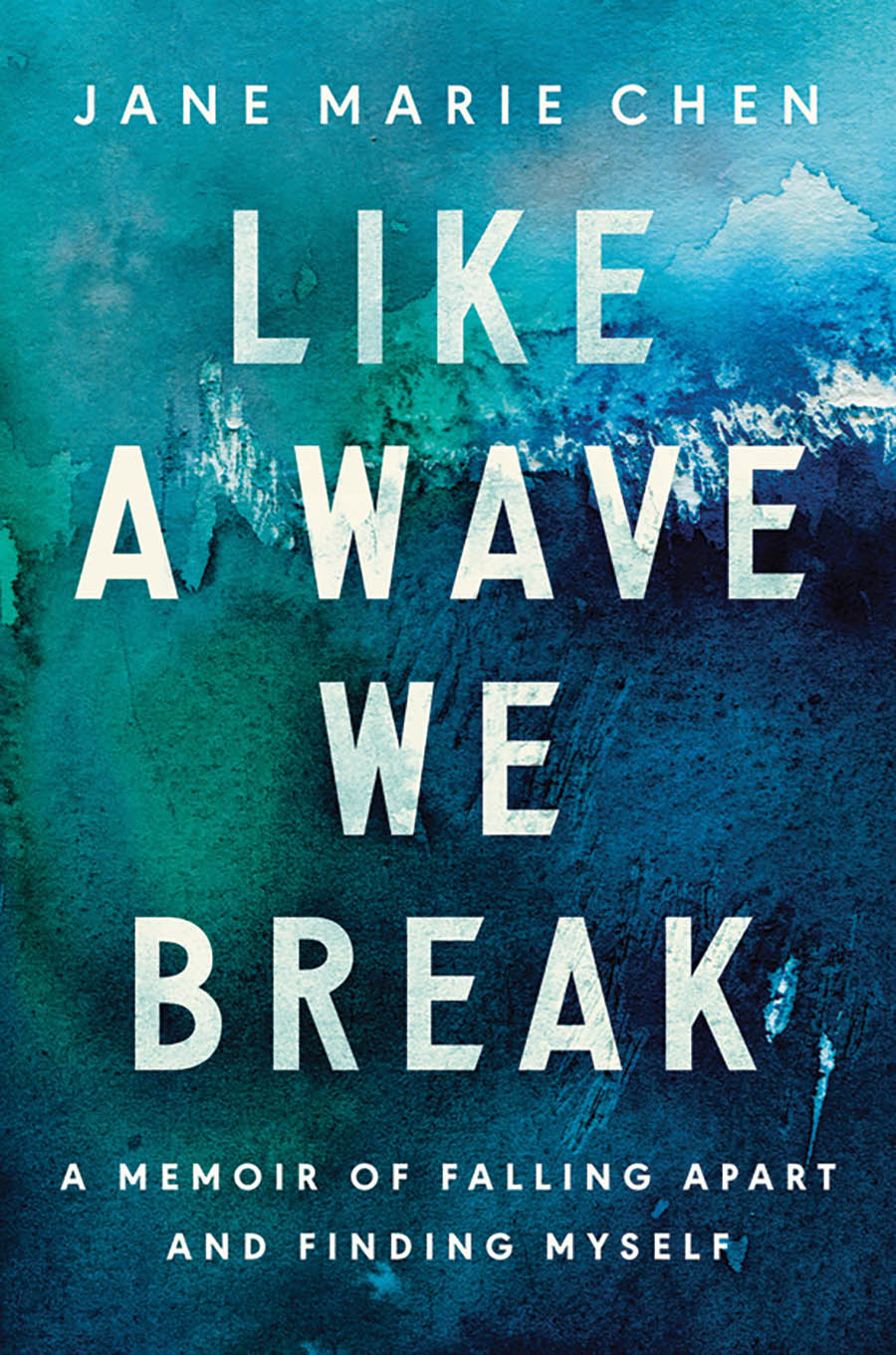 As I got closer to releasing the book, I sat with my parents and told them what I was writing about and why. Of course, sharing such personal family experiences publicly isn’t easy, but going through this process has brought me closer to my parents and given me a greater sense of understanding and peace in our relationship.
What are you doing now, and what lies ahead for you?
Embrace was resurrected after we nearly shut down, and as of last year we have reached over a million babies. I stepped down from the company after leading it for almost two decades, and I passed the torch to a new CEO. It feels wonderful to step away knowing the legacy continues.
Now, I’m doing keynote speaking, leadership development and coaching. I am working with companies and senior leaders on everything from resilience and self-awareness to emotional intelligence and building cultures rooted in trust and connection. These are skills that are especially important in the age of AI, as the world around us changes so rapidly.
When we become aware of the patterns that shape us, we’re more likely to lead from a place of love, purpose and compassion rather than fear, ego and control. If more of us operated from that place, the world would look very different.
As high achievers, we’re often our own worst critics. That voice constantly pushing and berating us may get us somewhere, but eventually it begins to work against us. When we learn to treat ourselves with greater kindness and compassion, we’re more able to extend that to others.
How has being an Asian American woman shaped your leadership and healing experiences?
Growing up in an Asian immigrant family, I learned to keep difficult emotions to myself and placed a lot of value on achievement. As a first-time CEO, I felt enormous pressure to be composed and have it all together.
But the issue we were working on was inherently emotional, and we encountered every challenge you could imagine. Early on when I lived in India to do this work, I broke down in a team meeting. I was mortified—it was all men reporting to me at the time. The next day, my head of operations came to me and said, “Thank you so much for being vulnerable. When you’re vulnerable, it gives us all permission to be vulnerable as well.”
That moment began to change my understanding of what strength and leadership could look like. I realized that vulnerability wasn’t the opposite of strength; it could actually be a source of connection.
Achievement was another big part of this for me. So many of us believe we’re not enough, so we have to do more, achieve more or reach the next milestone to finally feel worthy. But you get there, and there’s always another milestone. I’ve realized that “enoughness”—that sense of worthiness—has to come from within.
Where are you on your healing journey now? Is it ever done?
I think healing is ultimately about finding deep inner peace within yourself. It’s very hard to measure progress on this front, but the biggest shift for me is that the inner dialogue in my head has changed. It doesn’t mean that those critical voices don’t come up. But there’s another voice now as well that says, “You are enough. You’ve got this.”
I still make mistakes. But I can be kind to myself in the process. And I’ve found that having self-compassion allows me to take greater risks because I know if I fail, I can brush myself off and keep going.
The biggest lesson I’ve learned is that I can’t always control what happens around me or how other people respond to me. I can only choose to act according to my values—and to keep choosing love over and over again. To me, that’s healing.
Learn more and connect with Jane Chen.