
How (and why) a Pomona alum quit investment banking and launched a friendship and dating app for the neurodivergent community.

Jamil Karriem ’12 had just met up with his younger cousin for drinks and dinner at a trattoria in his hometown of South Orange, New Jersey, and he was worried. His cousin, with whom Karriem is very close, is autistic, and during their conversation he confided to Karriem that he was having a hard time finding friends and expressed fear that he would not be able to find a partner in life.
When he returned home that night to his brownstone in Brooklyn, New York, Karriem did some research. “What I found really terrified me,” he says. “Autistic adults were far more likely to report feelings of loneliness and far more likely to die by suicide. The research suggested it had nothing to do with neurological predispositions and everything to do with lack of access.”
Karriem decided to help. “At first I assumed I was going to Google some resources to text him, and that would be the end of it, but I just wasn’t able to find anything that I was comfortable sharing,” he says. “That sort of triggered my own educational journey.”
“Our users are seeking companionship, whether it be platonic or romantic. Also, the way neurodivergent brains often experience the world is that conceptually it wouldn’t even make sense to skip friendship to get to romance.” —Jamil Karriem
 Karriem kicked some ideas around in his head that night and hit on the idea of creating a dating app for those with autism. Nine years later, the app Karriem first envisioned, Hiki (which means “able” in Hawaiian) has millions of downloads and half a million daily active users. In the process, Hiki has grown rapidly (it officially launched in 2019) and is now open to all neurodivergent persons. It’s expanded to be a combination friendship and dating app, which connects members interested in romance, but also includes a social media area for conversations. “Our users are seeking companionship, whether it be platonic or romantic,” says Karriem. “Also, the way neurodivergent brains often experience the world is that conceptually it wouldn’t even make sense to skip friendship to get to romance.”
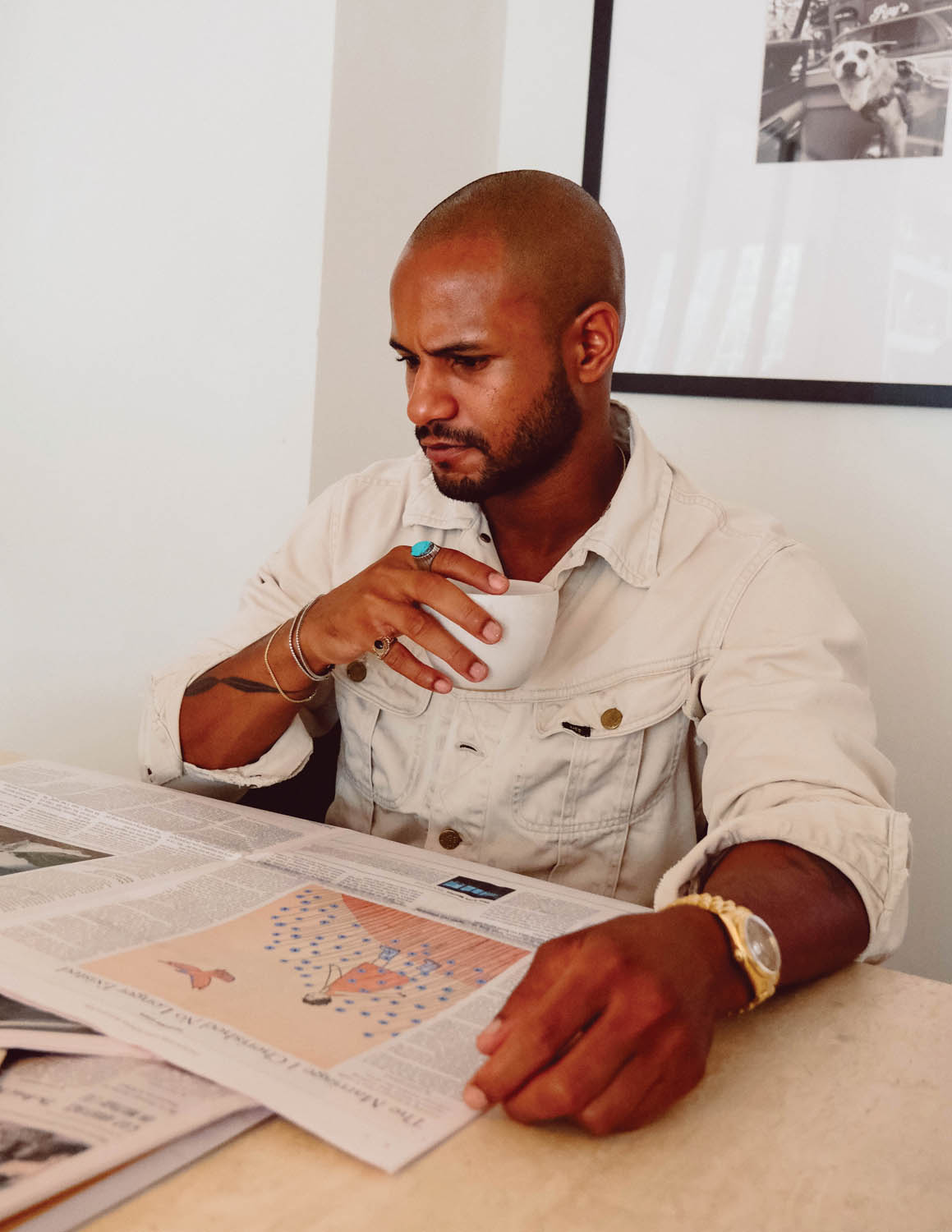 At the start, Karriem had little idea of what his new quest would demand. He was living in New York City, working in investment banking and already had a full plate, but he knew he was onto a possibly transformational idea. “I was working all day at my job, then developing the app from 10 until 2 in the morning. Rinse and repeat,” he says. “I’m a non-technical founder—I don’t write code—which is more common now than it was then, but I know how to design with empathy and I know how to bring a product to market.”
Puzzle With 1,000 Pieces
Before designing an app, Karriem first had to learn more about people with autism. “I was dealing with a sample size of one, my cousin, and so I started reaching out to more autistic adults to learn what they were experiencing.” Karriem asked friends and family and contacted any organization he could find that worked with autistic adults to see if they knew people who would speak with him about their lives. In total, he conducted more than 1,000 interviews.
His sociology degree was a major asset. “This was all qualitative data. Shout-out to Pomona College, and to my professor, Dr. Gilda Ochoa, who was my advisor and taught me all those skills.”
“We were updating and implementing what the community wanted. Sometimes we were adding new features every day.” —Efstathios Ntonas, Hiki CTO
Contrary to the typical tech startup, where developers first seek deep-pocketed investors, Karriem instead first funded his project by emptying his savings account. From there he raised $5,000 in a pitch competition, and another $10,000 at a second pitch competition. “At the second one there was a venture capitalist who just happened to see my pitch. He wasn’t part of the competition,” says Karriem. “After I won, he took my card and then cut a check for $100,000. That’s when I quit my job. Now we’re a pretty traditional venture capital-backed startup and have raised about $5 million to date.”
The development and growth process for Hiki was relentless. Karriem and Efstathios Ntonas, the chief technology officer at Hiki, responded to new needs and ideas for the app, almost in real time. “We were updating and implementing what the community wanted,” Ntonas says. “Sometimes we were adding new features every day.”
Unique App for a Unique Group
The abundance of features and options built into the app are all part of Karriem’s goal to give users the power to customize the app as they wish, and the staff of seven at Hiki, who are also all neurodivergent, are always listening.
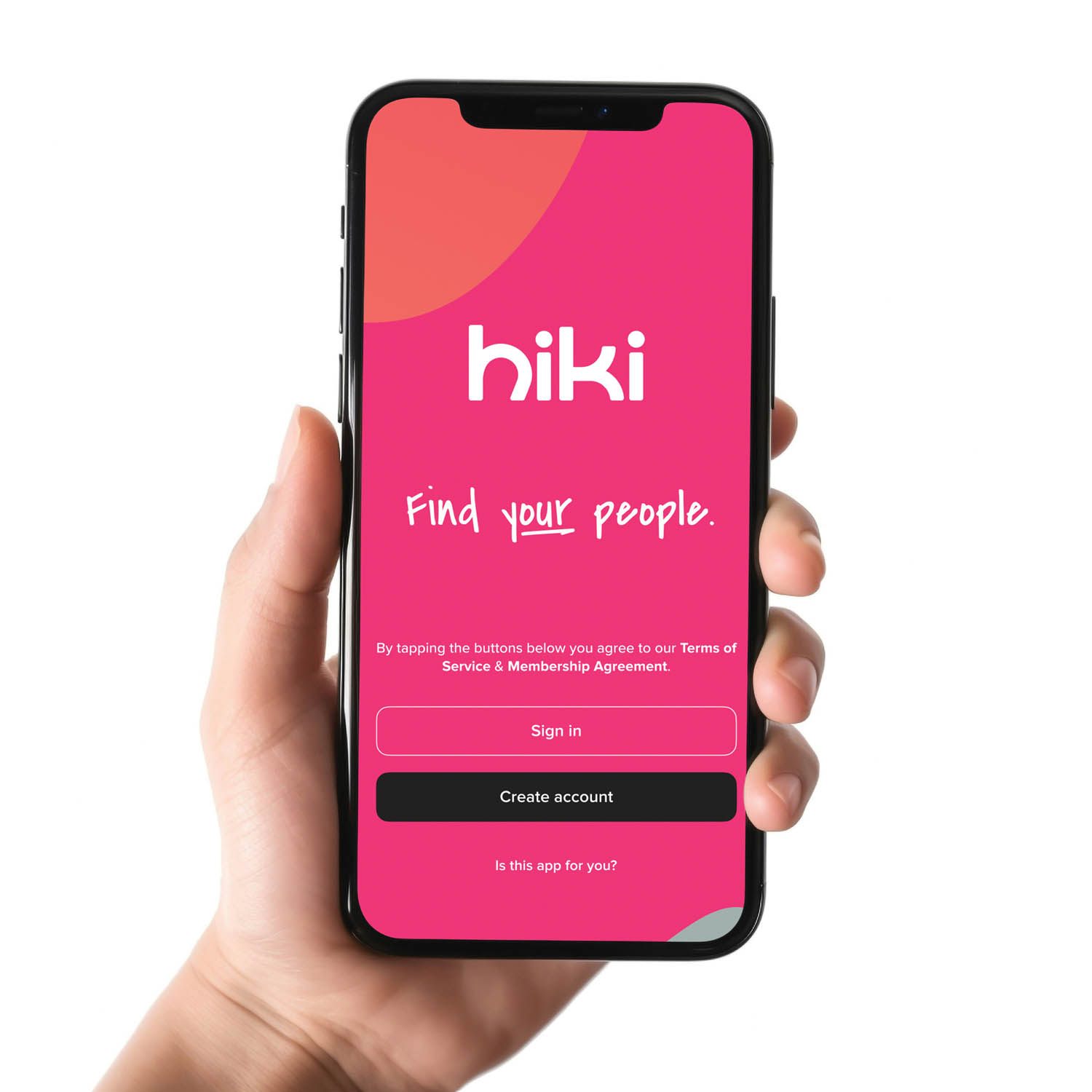 “We’ve built the tools to enable people to do things their own way, which is all that neurodivergent people have ever really wanted—to be supported to do what we know is right for us and be guided along the way in case things go a little wrong,” says Sef Cavendish, community moderator and user outreach coordinator. “The famous phrase is, if you’ve met one autistic person, you’ve met one autistic person. We are all so different, even though we have a lot of similar traits that have led to the construct of us sharing the same diagnosis.”
“Giving individuals control over their unique experience honors the reality that no two neurodivergent people are alike.” —Jamil Karriem
Ntonas says he more or less retains the code for the app in his head. He is tasked with implementing the massive array of controls for users and can tell right away if a change will conflict with the functionality of the site. Ntonas says the complexity is a challenge, but worth it to make the user experience of the neurodivergent community that use the app more comfortable. “There’s no part of the app that users can’t put their hands on and control.”
That is not a trivial aspect of the plan, Karriem explains. “Some things are so customizable that it can feel excessive compared to other platforms. Other details may feel redundant. We make counterintuitive decisions all the time based on our community’s input. Giving individuals control over their unique experience honors the reality that no two neurodivergent people are alike.”
 Hiki has enjoyed booming growth since its debut—Karriem estimates the user base has doubled year over year—and those on the app have responded positively. One user, a 52-year-old with autism, said Hiki had helped them break an extended cycle of isolation. Another said, “I’ve talked to more people in two hours on here [Hiki] than I have in the past 10 years probably.” Karriem has received notes from users saying they met their current spouse on Hiki. “We will be forever grateful for what you made possible,” wrote one, announcing their upcoming wedding.
Looking Inward
As part of the discovery process, Karriem learned about his own ADHD, which had been veiled to him throughout his life. “I began to think about things I struggle with. I never understood why someone changing plans at the last minute would give me extreme anxiety. When I was a kid it could lead to an outburst,” he says. “I learned coping mechanisms, but then you realize, wait, my neurotypical friends don’t have to sit alone in a dark room after they socialize. I’m just a little different.”
Says Cavendish: “In Jamil, we have somebody that took a risk and created something from a place of care for a community he didn’t even realize was his own yet. We’ve been through so many big waves that have almost broken up this boat, but we’re still here. Jamil got us through.”
On principle the company leaves money on the table that other tech firms don’t. “We don’t run ads on the platform because they’re overstimulating, we don’t track user data, and every single core feature is available completely for free,” says Karriem. “People are meeting the love of their life, and they’re meeting their best friend, or they’re finding somebody that they can talk to.”
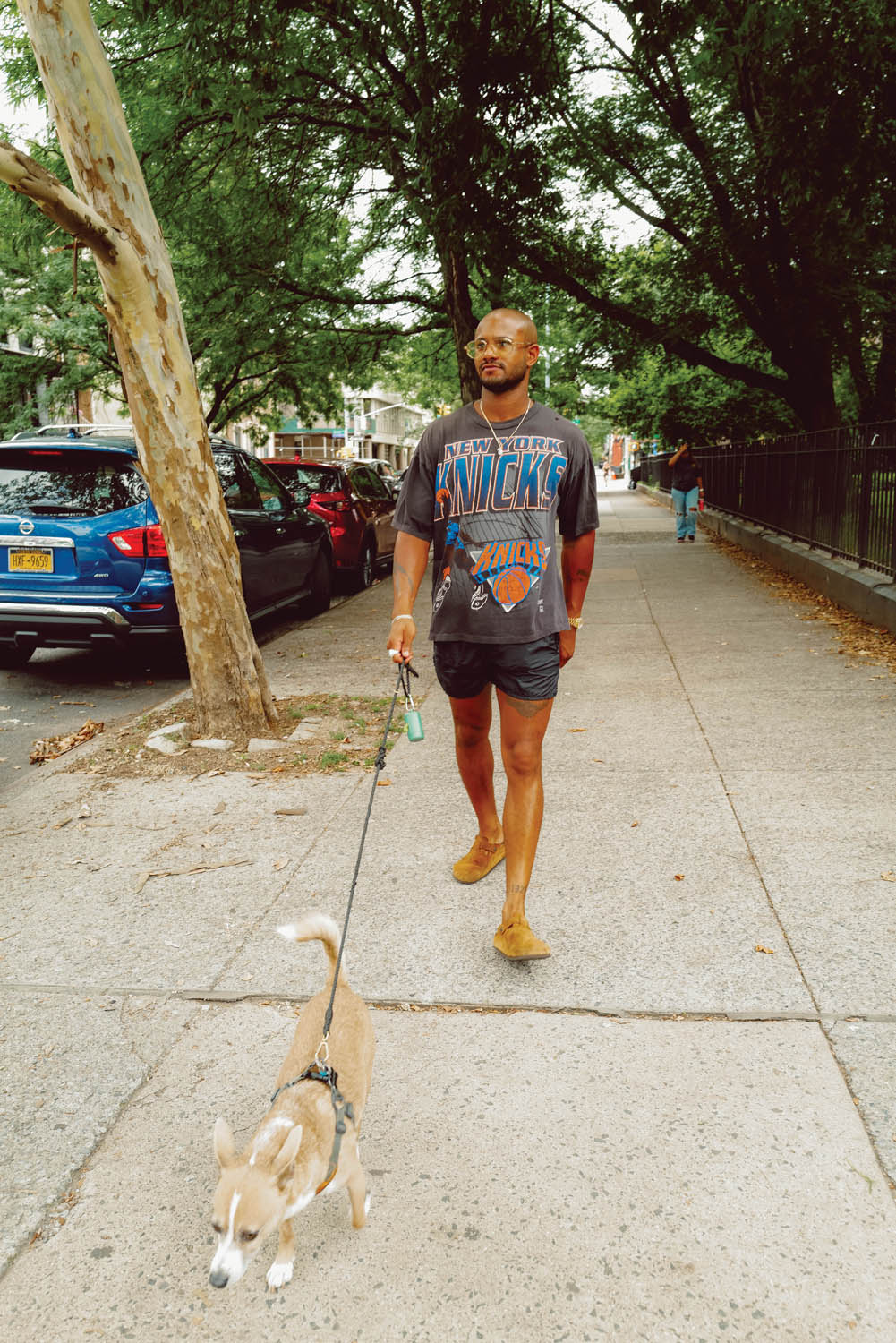 Hiki workers are all remote and stay in touch with a virtual meeting each morning, and Karriem has one-on-one meetings with each employee every two weeks. A typical day for Karriem begins with a 6 a.m. walk with his dog, Money (a rescue dog and likely a chihuahua mix) around his Bedford-Stuyvesant neighborhood in central Brooklyn, followed by several hours of focused work before a trip to the gym mid-morning to work out. Afternoons he typically works in a remote office, doing Zoom calls or other tasks, or he may head in to Manhattan for an in-person meeting before returning home for dinner. “I’m a huge cook, and I’m also Jamaican, so I typically make a lot of Caribbean food.”
Pomona Homecoming
During the spring semester, Susie Wise, innovator in residence at The Hive, and author of the book Design for Belonging: How to Build Inclusion and Collaboration in Your Communities, asked Karriem to join her Advanced Human-Centered Design course. “I think it was really interesting for them to get to both meet Jamil as an entrepreneur but also understand how he’s really paying attention to these deep human needs of the users on his platform, which is about making human connections,” says Wise. “So it had a really nice resonance with our using human-centered design practices.”
The class examined a Hiki feature called Match, a tool for users that helps them find people with whom they could be compatible as friends or partners. “The challenge was to reimagine it, and there were lots of interesting implications. There were four project teams, and they all built stories of ways that Match could work differently. So they built those and shared them with Hiki,” says Wise. “I think this is also a great full-circle moment when students get to work on a real-world challenge that’s brought to them by somebody from Pomona.”
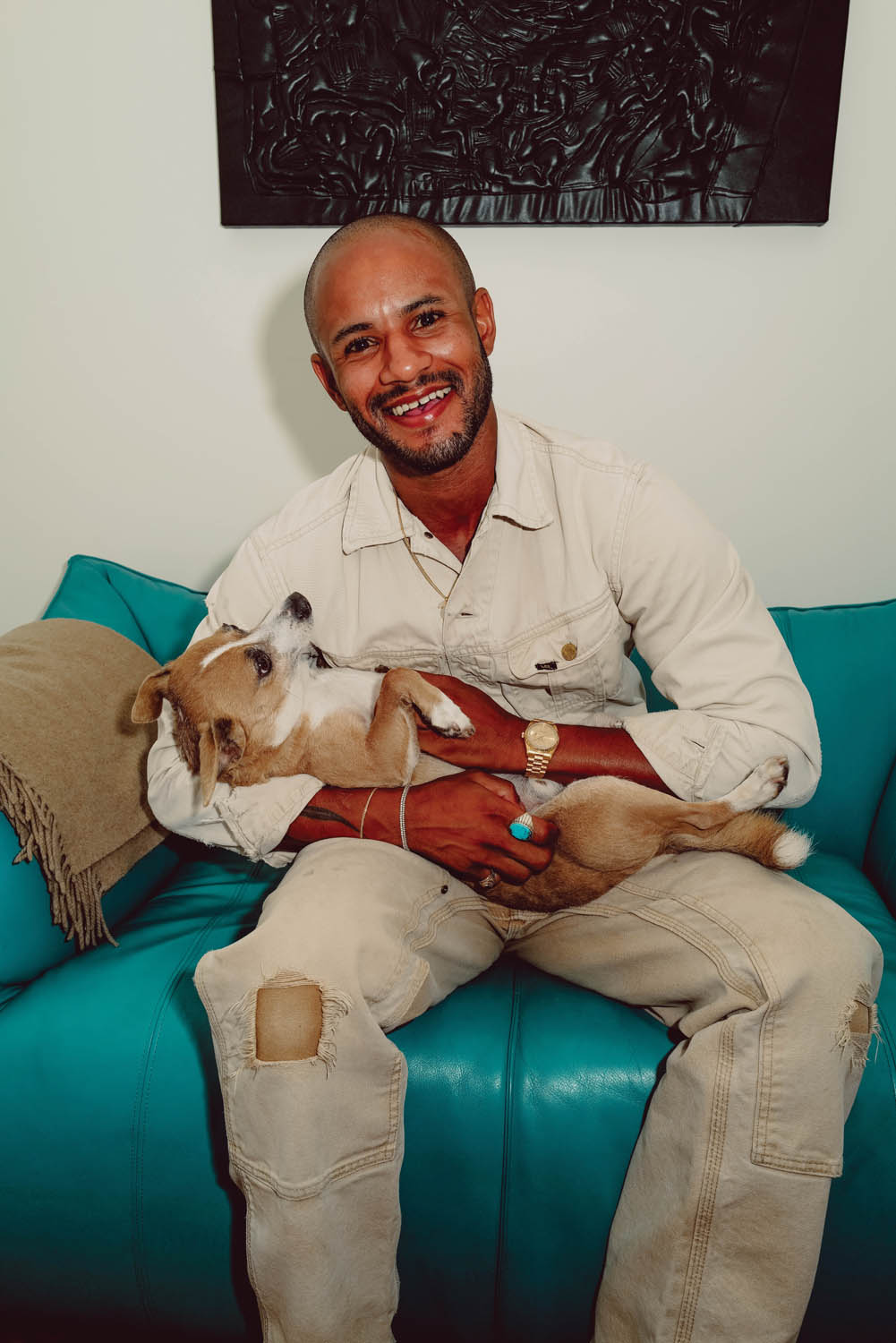 For the final presentations by the class, Karriem returned to campus. It was the first time he had been back to Pomona in many years. “It was incredible. The campus is so beautiful and the energy so special. The relationships that I made on campus are still, to this day, the most important in my life,” he says. “Two of my best friends—Jesse Stoneman [’12] and Rahul Misra [’12]—married each other. They just had a baby and are literally raising her in the condo above two more of our best friends—Greg Wright [’12] and Nicola Parisi [’12]. The first person I ever met was Andre Shepley [’12] while high school seniors on prospective student weekend for students of color. We hit it off right away, were freshman roommates, and I was best man at his wedding. We’re brothers to this day.”
Karriem said the student work was excellent. “They were so full of vibrant ideas and strong opinions,” he says. “Having this outlet to teach, support and learn from the students gave me a new creative outlet that I absolutely loved.”