Articles Written By: Staff

Please Don’t Kiss the Art

Urban Light, Los Angeles County Museum of Art

Urban Light, Los Angeles County Museum of Art

Urban Light, the very Instagrammable installation of 202 historic streetlamps created by the late artist Chris Burden ’69 at the Los Angeles County Museum of Art, gets a lot of love. Maybe a little too much love.

The 2008 sculpture needs a paint job and is one of 23 works selected by the Bank of America Art Conservation Project for grants “for the preservation and conservation of the world’s cultural treasures” in 2023.

“Conservators will apply protective paint layers that have been extensively tested on all the streetlamps, ensuring that substances such as lipstick, permanent marker and dye can be easily cleaned from their surfaces,” the bank announced. Other works selected for preservation grants included 15th-century Armenian manuscripts, Andy Warhol’s Oxidation series and two paintings by Paul Cézanne.

Book Talk: Space for Sale

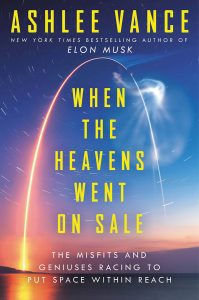
lon Musk: Tesla, SpaceX, and the Quest for a Fantastic Future, Ashlee Vance ’00Ashlee Vance ’00, author of the bestseller Elon Musk: Tesla, SpaceX, and the Quest for a Fantastic Future, turns his attention to the business of space in his latest book, When the Heavens Went on Sale: The Misfits and Geniuses Racing to Put Space Within Reach. Vance follows four startup companies—Astra, Firefly, Planet Labs and Rocket Lab—as they race to launch rockets and satellites into orbit. PCM’s Lorraine Wu Harry ’97 spoke to Vance about the book, the corresponding HBO show he is producing and, of course, Elon Musk. The interview has been edited for length and clarity.

PCM: What made you want to write this book?

Vance: I was not a space junkie (although I seem to be becoming one). Out of the Elon book, my favorite thing to report on was the early days of SpaceX. Those were some of the best stories and the most interesting characters. Right as I finished that book, I could see that there was this new world bubbling up around commercial space. And there were these entrepreneurs appearing all over the planet who were trying to make rockets and satellites. I could see that this was my chance to witness what may be like the early days of SpaceX firsthand. Then, as time went on, it became clear to me that there was this revolution taking place and that space was changing forever. And I had this unique “in” with all kinds of access that you don’t normally get, and I just started chasing it.

PCM: What was it like for you to do research for this book?

Vance: Normally, almost all this stuff is usually top secret. It’s almost impossible to get into, but because I had this track record, people were very willing to let me in, and then reporting it was just a proper adventure. I probably went to about 12 countries across four continents and followed this for five years. That’s one of the things I love about the book: It is about rockets and space, but it’s also this travelogue where you’re going with me on this journey and meeting all these interesting characters. Some of them are in the U.S., but it’s very much a global story and full of drama in all these places.

PCM: You say in the “Dear Reader” section, “I hope you enjoy reading this as much as I enjoyed living it.” What did you enjoy about living it?

Vance: A lot of these launches take place in pretty exotic locations, and they’re both beautiful but also off the beaten path. The characters were very diverse in their personalities; there are a lot of different archetypes. You got to meet this quite eccentric group of people and spend a lot of time with them. It was this feeling of having a front-row seat to the birth of an industry and really getting to see how it operates. I do lots of very long magazine stories where you might interview dozens of people over a decent period of time. But this was the first time I felt like I was right there getting to witness everything firsthand, and you got a sense of the joy but also the difficulties and travails these people go through. It was the first time in my reporting where I really felt like I knew for sure what ground truth was, through my own eyes, as opposed to trying to stitch it together from other people’s opinions after the fact. I was living it in real time.

PCM: So this was pretty different from all your previous work.

Vance: With Elon, there was a lot of historical stuff where you had to go back all the way to his childhood and recreate things, and the same with some of his earlier companies. But I spent literally thousands of hours with these subjects and so, in that sense, very different in terms of the depth of the reporting. I’d wanted to be a fly on the wall of a journey for a long time.

PCM: Tell me about the show you’re producing and how it overlaps with the book.

Vance: I filmed with all the characters in my book for these five years and I’ve partnered with Steven Spielberg’s Amblin Entertainment and Adam McKay’s Hyperobject Industries on this project. It’s a more concentrated version of the book that is going to focus on a couple of characters from the book and tell the story about the rise of commercial space. As long as the stars align, it will be on HBO next year.

PCM: Your book about Elon Musk came out eight years ago, and a lot has happened since then. What is your assessment of Musk’s ownership of Twitter?

Vance: Since I’ve done the book, Elon’s only gotten bigger, bolder and crazier over time. I’m still a huge fan of Tesla and SpaceX and find them fascinating. Twitter is not really my cup of tea, and I think it’s a huge waste of time for Elon to be dealing with that. He’s not doing probably the best job of taking it over so far. It’s kind of sad, if I’m honest, because so much of my interest in him was this figure who was not doing consumer technology, was doing stuff that felt a bit more meaningful to me in the world of manufacturing and human ambition and climate change. Even though I use Twitter a lot, I find it to be sort of a large distraction and it falls more in the entertainment category to me. It’s a little depressing that this guy who symbolizes so many other things is getting down in the muck.

PCM: How do you think the recent FTX bankruptcy and Twitter meltdown have changed the idea that tech entrepreneurs can supplant traditional government?

Vance: We’re at a very interesting time where there’s a handful of technology companies that have resources on par with governments and are taking on projects that governments traditionally would have done. If you look at Tesla’s self-driving car network, if you look at all the rockets that I’m writing about, if you look at these giant computers fueling AI—outside of China, you don’t really see countries tackling these issues; it’s being driven by the companies. We’re at this precarious position where I think a lot of the innovation and control has shifted so far from governments and academia toward companies. I’m not sure that most people fully realize the extent of this shift to where if you are a college like Pomona or a university like Stanford, and you want to do breakthrough research on the human brain or something like that, you probably do not have the requisite resources to do that yourself. You’re knocking on the door of somebody like Google to borrow their computers. Overall, I’m not sure this is a good thing.

PCM: Why don’t you think it’s good?

Vance: There are pieces of this that are not good. There are pieces of this that are very liberating. I think it’s bad that five countries controlled space for 60 years. I think it’s a much more equitable future where almost any country that wants to be a spacefaring nation can be that. All the satellite imagery, all these pictures taken of Earth are not just in the hands of spy agencies and militaries. That the public can access all this stuff to see the sum total of human activity, what’s happening with the environment, it’s a much more open scenario with information. So I don’t know. There are a lot of pros and cons.

PCM: Would you say the pros outweigh the cons of commercial space?

Vance: I think it’s to be determined. I don’t think the average person on the street realizes what’s coming, which is that 100 percent, the capitalists have taken over space and the governments will very shortly be also-ran participants in this. People get fixated on space tourism or going to the moon, but in actual fact most of the money and action is taking place in low-Earth orbit where there’s this giant economic expansion taking place. This is very much a capitalist exercise that, on the pro side, is going to bring high-speed internet connectivity to half the world’s population so they can fully participate in the modern economy. We’re going to have all this data that was unimaginable about the health of our planet, monitoring trees, methane. You will be able to calculate and tax every piece of this, but it is companies that are doing this. This is new territory that’s being seized.

PCM: So, to be determined.

Vance: Hopefully, given that this is the last place we can expand, with a bit of luck we will be better stewards of it than we have been of the land and the oceans and the air.

Bookmarks Summer 2023

Asian American Histories of the United States, Catherine Ceniza Choy ’91Asian American Histories of the United States
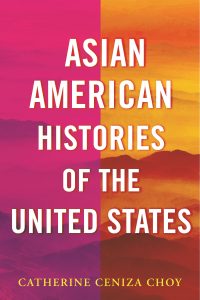
In Asian American Histories of the United States, Catherine Ceniza Choy ’91 presents 200 years of Asian migration, labor and community formation, all the while reckoning with the recent surge in anti-Asian hate and violence.


Chloe and the Kaishao Boys, Mae Coyiuto ’17Chloe and the Kaishao Boys

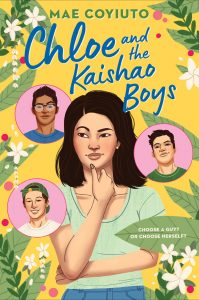
Chloe and the Kaishao Boys, a young adult rom-com by Mae Coyiuto ’17, follows a Chinese-Filipina girl in Manila as she gets off the waitlist for USC and decides if following her dreams is worth leaving everything behind.
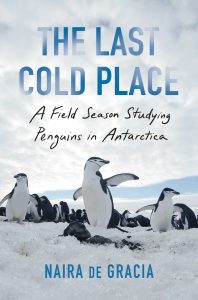

The Last Cold Place, Naira de Gracia ’14The Last Cold Place

Naira de Gracia ’14 writes a memoir about her experience studying penguins in Antarctica, weaving in the history of Antarctic exploration, climate science and personal reflection in The Last Cold Place.


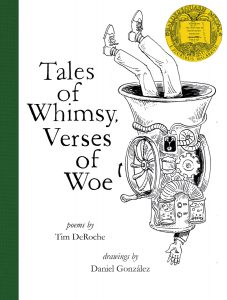
Tales of Whimsy, Verses of Woe, Tim DeRoche ’92Tales of Whimsy, Verses of Woe

Tales of Whimsy, Verses of Woe by Tim DeRoche ’92 is a collection of lighthearted poetry filled with wordplay reminiscent of Shel Silverstein and Dr. Seuss.
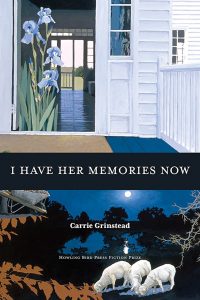

I Have Her Memories Now ,Carrie Grinstead ’06I Have Her Memories Now

The short stories in I Have Her Memories Now by Carrie Grinstead ’06 touch on health, medicine and death and explore themes of vulnerability and fallibility.


Nocturne, Jodie Hollander ’99Nocturne

The poetry of Jodie Hollander ’99 in Nocturne charts the emotional journey of the daughter of a professional classical pianist, exploring family dysfunction and musical obsession.


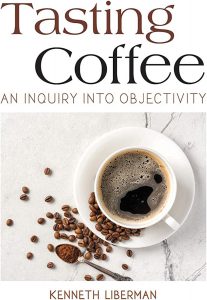
Tasting Coffee: An Inquiry into Objectivity, Kenneth Liberman ’70Tasting Coffee: An Inquiry into Objectivity
In Tasting Coffee: An Inquiry into Objectivity, Kenneth Liberman ’70 sheds light on the methods used to convert subjective experience into objective knowledge with coffee as its focal point.


Representation Theory and Geometry of the Flag Variety, William “Monty” McGovern ’82Representation Theory and Geometry of the Flag Variety

Representation Theory and Geometry of the Flag Variety by William “Monty” McGovern ’82 is a reference for researchers and graduate students in representation theory, combinatorics and algebraic geometry.
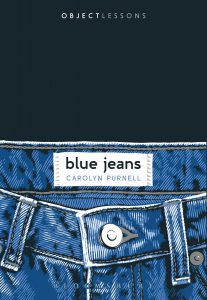

Blue Jeans, Carolyn Purnell ’06 Blue Jeans

In Blue Jeans, Carolyn Purnell ’06 presents extensive research on the history of jeans as well as the global and economic forces that shape the industry. The book is part of a series called Object Lessons about “the hidden lives of ordinary things.”


Quinoa: Food Politics and Agrarian Life in the Andean Highlands, Linda Seligmann ’75Quinoa: Food Politics and Agrarian Life in the Andean Highlands
Linda Seligmann ’75 tells the story of Indigenous farmers and the global demand for a superfood in Quinoa: Food Politics and Agrarian Life in the Andean Highlands.


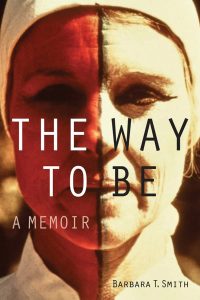
The Way to Be: A Memoir, Barbara T. Smith ’53The Way to Be: A Memoir

The Way to Be: A Memoir, a firsthand account of the life and work of artist Barbara T. Smith ’53, accompanies an exhibition on view at the Getty Research Institute through July 16, 2023.
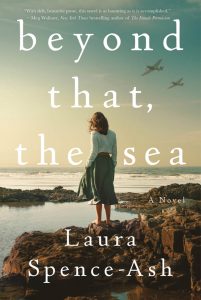

Beyond That, the Sea, Laura Spence-Ash ’81Beyond That, the Sea

The novel Beyond That, the Sea by Laura Spence-Ash ’81 follows Beatrix, an 11-year-old British girl sent to live with a New England family during World War II, as she navigates two worlds.


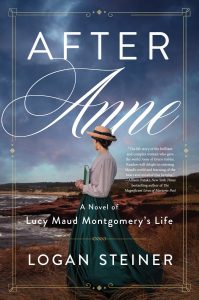
After Anne: A Novel of Lucy Maud Montgomery’s Life, Logan Steiner ’06After Anne: A Novel of Lucy Maud Montgomery’s Life

After Anne: A Novel of Lucy Maud Montgomery’s Life by Logan Steiner ’06 tells the story behind the story of the author of Anne of Green Gables, offering a nuanced portrayal of her life.
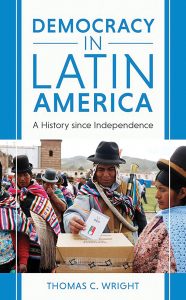

Democracy in Latin America: A History Since Independence, Thomas Wright ’63Democracy in Latin America: A History Since Independence
In Democracy in Latin America: A History Since Independence, Thomas Wright ’63 chronicles Latin America’s struggle for democracy as well as the challenges that lie ahead.

Alex Zylstra ’09 Plays Key Role in Nuclear Fusion Breakthrough

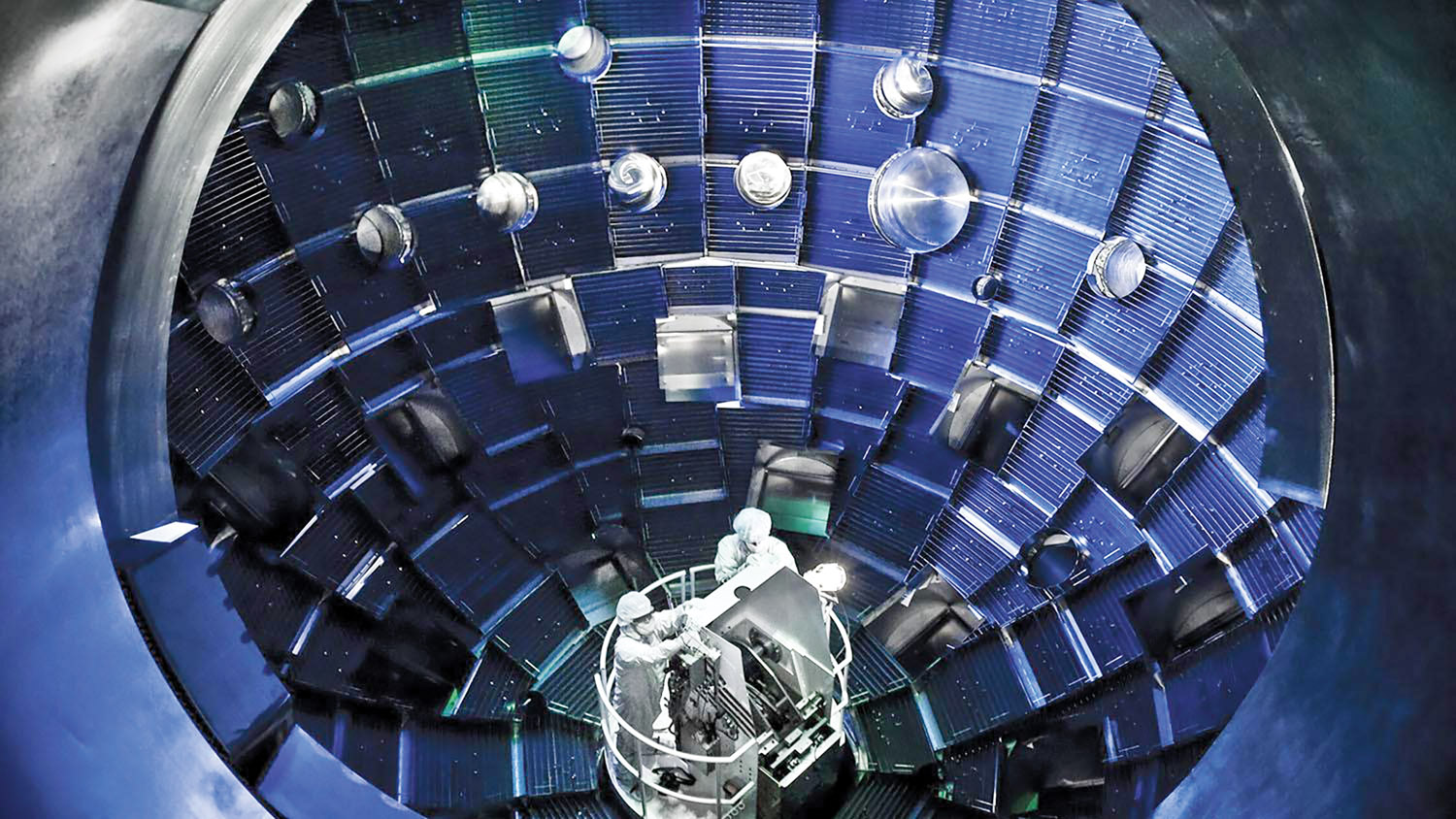
The shot that took just a few billionths of a second was 60 years in the making, and Alex Zylstra ’09 played a key role in its success. Just after 1 a.m. on December 5, 2022, Zylstra and fellow scientists at Lawrence Livermore National Laboratory’s National Ignition Facility (NIF) at last achieved fusion ignition. The energy produced by a controlled fusion reaction exceeded the amount required to fuel the process: 2.05 megajoules in, 3.15 megajoules out. For a tiny fraction of a second, they produced the brightest thing on Earth.

Fusion, as the U.S. Department of Energy (DOE) describes it, occurs when “two light nuclei combine to form a single heavier nucleus, releasing a large amount of energy.” The NIF scientists achieved a breakthrough that could someday lead to limitless clean energy to power the world, using the same reaction as the sun and stars.

Alex Zylstra ’09 Plays Key Role in Nuclear Fusion Breakthrough

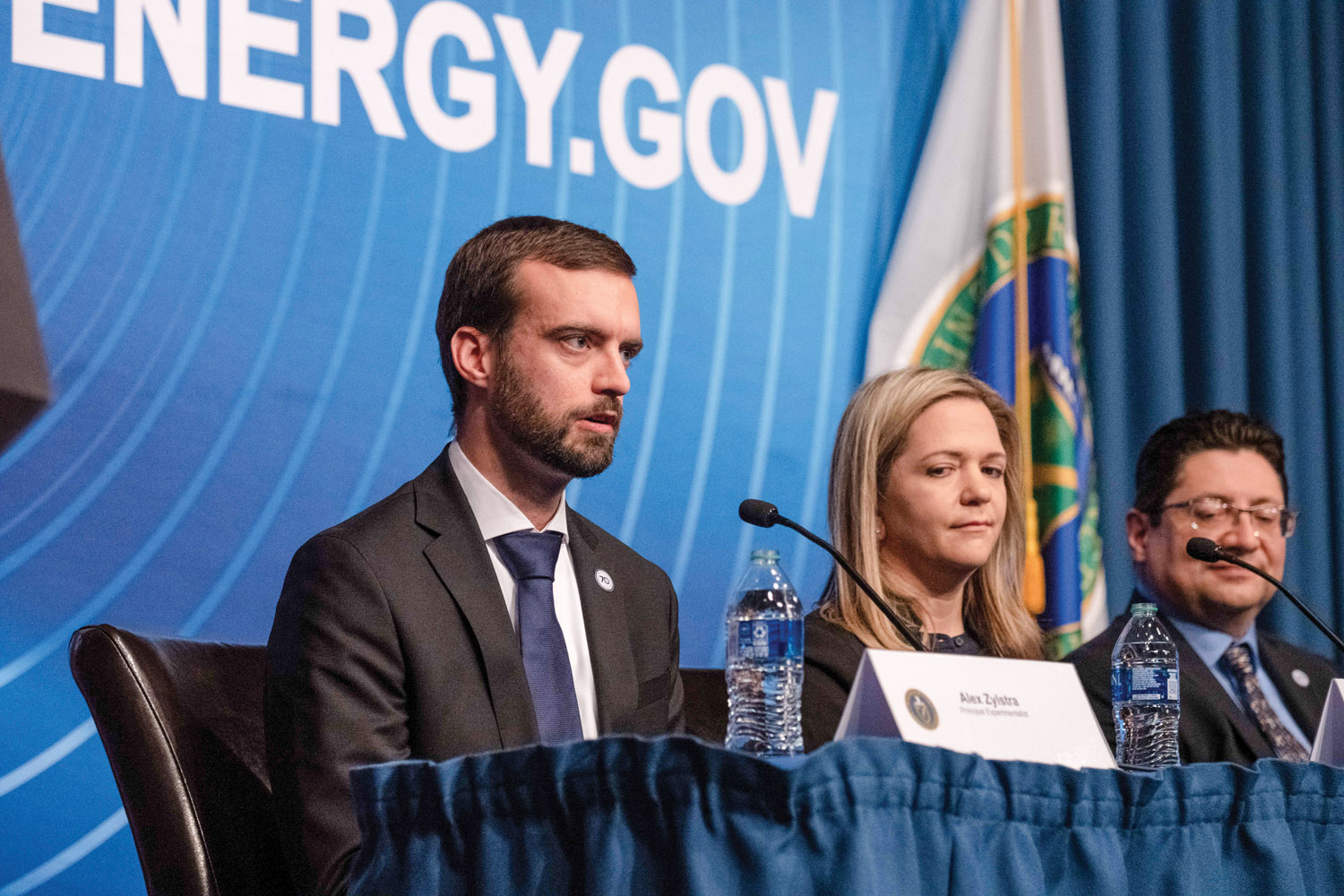
Zylstra was on the panel of experts at the DOE news conference in Washington to describe the successful experiment, which involved shooting 192 huge lasers at a target the size of a pea. The resulting temperature reached more than 100 million degrees. The pressure was more than double that at the center of the sun. The level of precision the experiment required was mind-boggling.

“We had a debate over a laser setting equivalent to five trillionths of a meter,” Zylstra said at the news conference. “We had a discussion with the laser science team over timing discrepancies of 25 trillionths of a second.”

In an email, Zylstra writes that he had been “eager to work on validating the results before we went public.” Outside experts also provided peer review before the successful experiment was announced. Still, “When I saw the early data start coming in after 1 a.m. on December 5th, I was incredibly excited,” he writes.

Alex Zylstra ’09 Plays Key Role in Nuclear Fusion Breakthrough Target ChamberAs principal experimentalist, Zylstra describes his role as twofold: “First, to be the primary scientist associated with executing a particular ‘shot,’ or experiment, and second, to guide a set of experiments to develop improvements or test hypotheses.” He describes the NIF as “a highly interdisciplinary endeavor,” and works closely with the other teams—computational, design, measurement, laser and target fabrication, and operations.

Dwight Whitaker, chair of the Department of Physics and Astronomy at Pomona, was not surprised at Zylstra’s role in the groundbreaking experiment. Zylstra was in his junior year when Whitaker joined the Pomona College faculty and began setting up his lab. “I was trying to set up some difficult experiments and I was ecstatic when he joined the lab, because he was extraordinary,” Whitaker recalls. “Alex and I worked a lot of hours together. I used to turn knobs with him in the lab, and now he’s running one of the most complicated experiments ever created.”

Zylstra has focused on fusion since starting a doctoral program at the Massachusetts Institute of Technology the fall after graduating from Pomona. As an undergraduate, he’d had the opportunity to see the NIF center being built and says that “it felt like a chance to work on something straight out of science fiction.”

Whitaker says fusion could “solve one of the biggest problems facing humanity right now—the climate crisis.” But fusion research, like most other areas of science, is a long and arduous process. Whitaker says that “probably the personality trait you need to have as a physicist is the ability to grind through very unrewarding times, because experimental physics is usually a lesson in failure. Ninety percent of the things we do don’t work,” he says. “But each time you fail, you learn. I think that’s what fusion has been—lots of incremental steps and failures.” And then, success.

A Sustainable Garden Beside Marston Quad

Graphic Credit: Ben McCoy/Department of Space

Graphic Credit: Ben McCoy/Department of Space

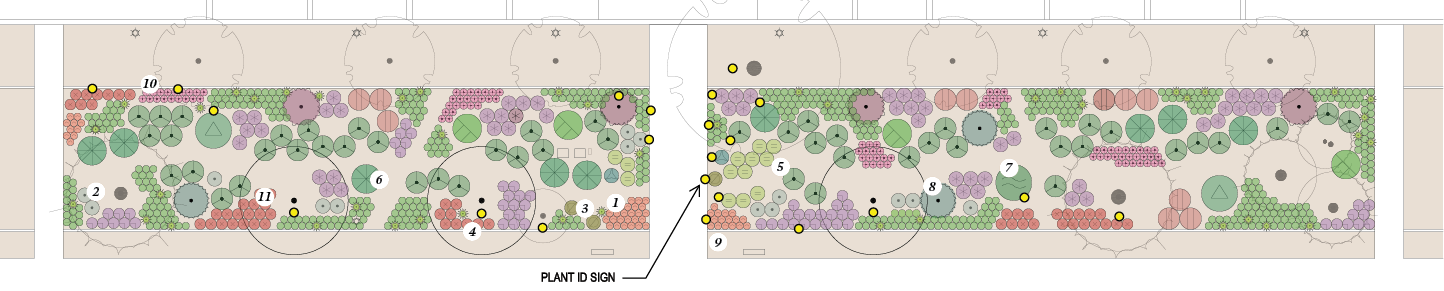
Alongside the parade of young oaks planted beside Stover Walk to replace some of the trees lost in the 2022 windstorm, a new sustainable garden is taking root in the beds next to Marston Quad’s grassy expanse.

Once it is established in two to three years, the Marston Quad Sustainable Garden will require minimal to no irrigation. It includes plants such as California sagebrush1, white sage2 and chamise3 that have many uses among the Tongva people, the traditional caretakers of the land Pomona College now occupies. Other plantings with importance to Indigenous peoples include chaparral yucca4, mulefat5, toyon6, manzanita7  and single-leaf pinyon pines8.

While many of the established plants such as camellias and azaleas whose blooms have signaled the arrival of spring for generations remain, the new plantings include 30 species native to California, among them desert mallow9, hummingbird sage10 and California fuchsia11. Designed by Claremont landscape architect Ben McCoy, the garden will have signs that identify the plant species in the Tongva language as well as by their English and Latin names, thanks to input from Tina Calderon, a culture bearer of Gabrielino Tongva, Chumash and Yoeme descent, and Char Miller, W.M. Keck Professor of Environmental Analysis and History.

The decision to create a more drought-tolerant landscape featuring native plants was guided in part by the research of environmental analysis students Lucy Whitman Sandmeyer ’21, Madi Brothers ’22, Owen Hoffsten ’22 and Maya Edstrom SC ’22, who completed their 2022 senior capstone project report, “Roots & Resilience: Reimagining Marston Quad after the Windstorm,” under the guidance of Professor Guillermo Douglass-Jaimes. The group surveyed alumni, students, staff and faculty, receiving the majority of input from alumni, with more than 300 responses. Alumni also had an opportunity to voice their opinions during the 2022 Alumni Weekend in one of two charrettes held by the student researchers.

The survey indicated that most of the Pomona community sees Marston Quad as the heart of campus, the students reported, and supports a landscape plan that “maintains the same open and green design as before the windstorm, features shade trees—especially native oaks—and [is] prepared to withstand the changing climate.”

‘Easter Egg’ Hunt

The season of searching for colored eggs is past, but Brian Faber, director of project management in the Office of Facilities and Campus Services, invites people to search for eight hidden examples of the number 47 on campus. Seven of them are identical, and two different types can be found at the new Center for Athletics, Recreation and Wellness. All of them can be seen from the exterior and are permanent, Faber says. Happy hunting. We haven’t found any yet.

Award-Winning ‘TSL’

The oldest college newspaper in Southern California is still thriving—and still in print every Friday when class is in session.

The Student Life, founded in 1889, brought home 20 awards at the recent California College Media Association conference in San Francisco, including first-place awards for best newspaper, newspaper website, overall newspaper design, interactive graphic, editorial, social media reporting, feature story, news photograph, social justice coverage and news series in its category of publications on four-year campuses with 15,000 or fewer students.

Popovich at Pomona

Popovich at Pomona

TSL also claimed third nationally for newspaper and fourth nationally for website in its category in the Associated Collegiate Press awards. Recent editors-in-chief of TSL, the newspaper of The Claremont Colleges, include Jasper Davidoff ’23 and Jenna McMurtry ’24. If you’d like to stay in touch with what’s happening on campus and the work of TSL journalists, visit tsl.news or subscribe to the weekly newsletter or print edition at tsl.news/subscribe/.

‘Coach Pop’ to Hall of Fame

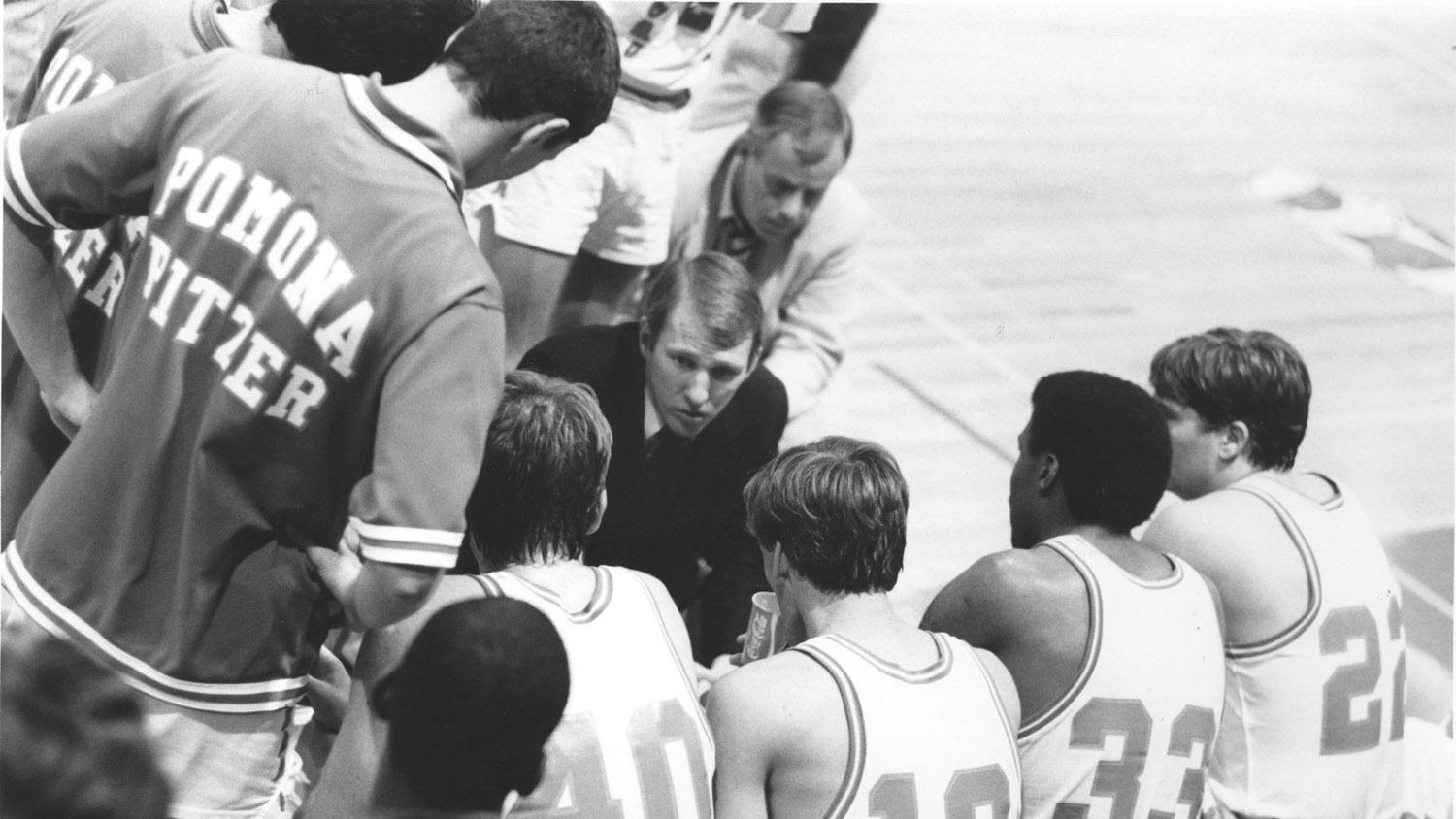
There was little suspense over whether Gregg Popovich would be elected to the Naismith Memorial Basketball Hall of Fame. After all, the San Antonio Spurs coach has won five NBA titles and more games than any coach in the history of the league. One bit of suspense remains, though: Will he mention his early coaching days at Pomona-Pitzer in his induction speech? Tune in to the August 12 ceremony in Springfield, Massachusetts, to see.

New Pitzer President a Sagehen from the Start

The bonds of The Claremont Colleges will become a bit tighter this summer, when consortium alumni take over as presidents of two of the colleges.

Strom C. Thacker ’88. Reprinted with permission of Pitzer College

Strom C. Thacker ’88.
Reprinted with permission of Pitzer College

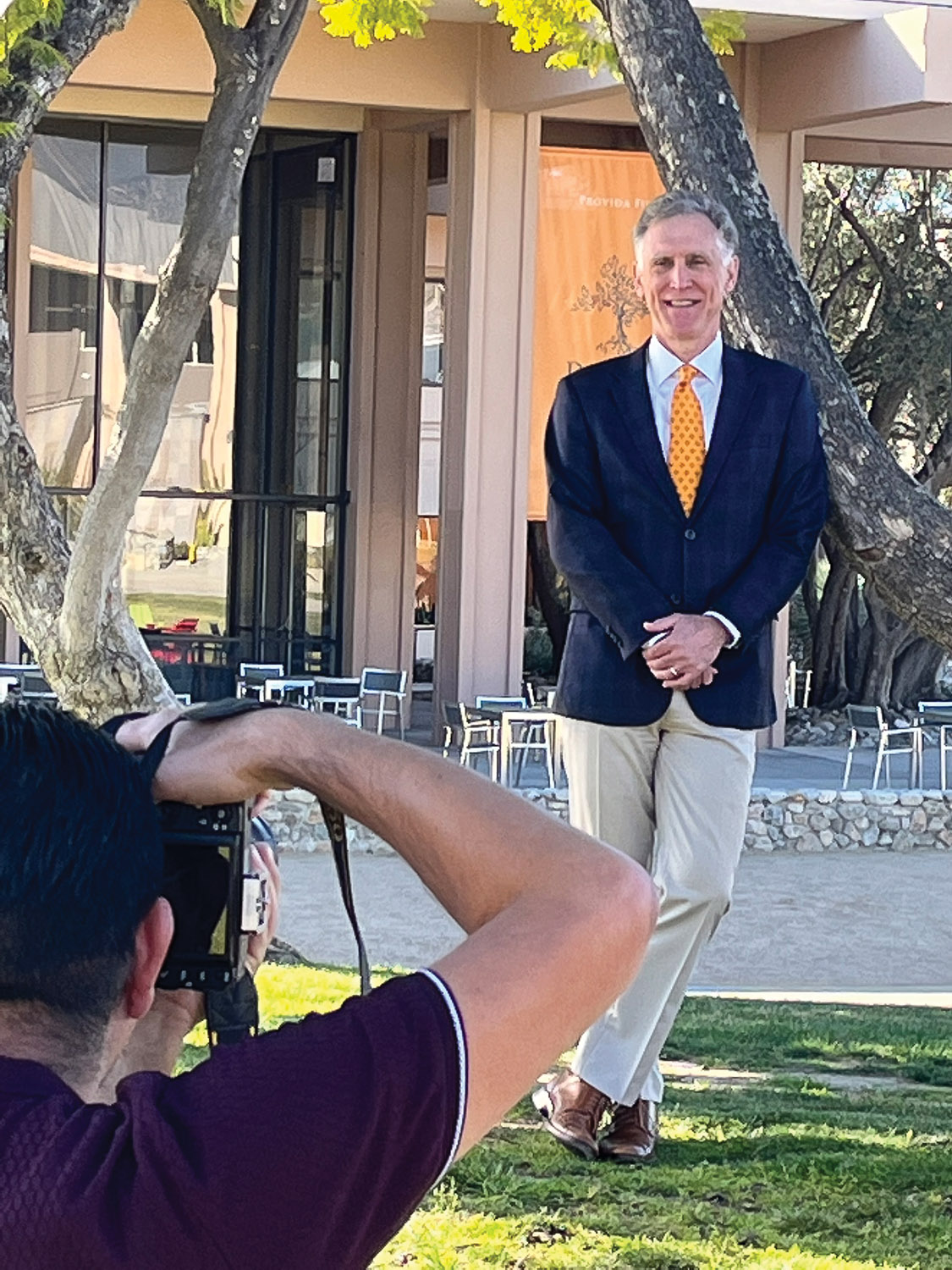
Strom C. Thacker ’88, who graduated from Pomona with a degree in international relations, cum laude and Phi Beta Kappa, becomes president of Pitzer College on July 1. On the same day, Harriet B. Nembhard CMC ’90 becomes president of Harvey Mudd College.

Thanks to conveniently aligned athletic programs, neither one will have trouble knowing which side to sit on when Pomona-Pitzer plays Claremont-Mudd-Scripps in Sixth Street Rivalry games.

Thacker, who has been dean of the faculty and vice president for academic affairs at Union College in Schenectady, New York, grew up in Northern California and came to Pomona with the help of generous financial aid that included a federal Pell Grant. He went on to earn a Ph.D. in political science from the University of North Carolina at Chapel Hill and become an advocate for college equity, access and the value of a liberal arts education.

Among Thacker’s duties at Union College, by the way: Managing a budget of approximately $47 million. (Chirp.) Welcome home, President Thacker.

2023 Commencement Speakers

Pomona’s 2023 Commencement speakers know about persistence, as do the new graduates they addressed in a May 14 ceremony.

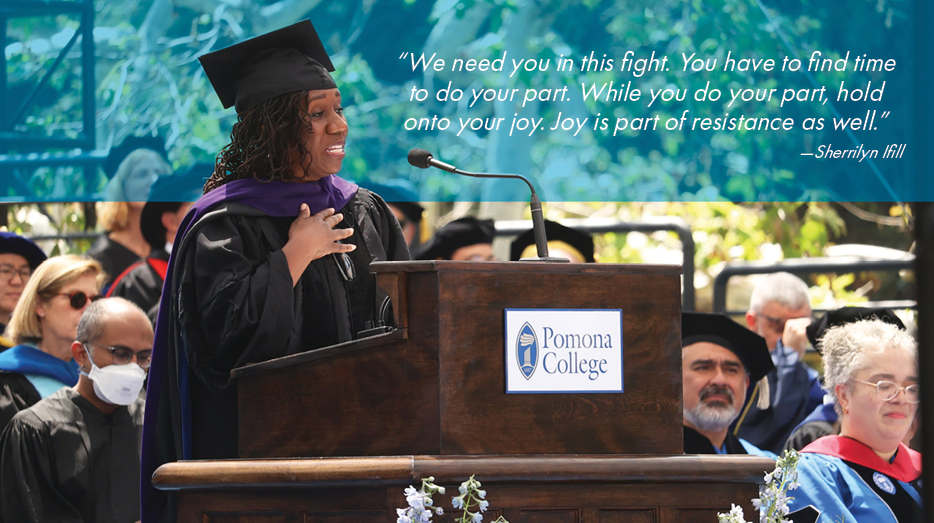
Sherrilyn Ifill is a distinguished civil rights lawyer, voting rights advocate and scholar. A senior fellow at the Ford Foundation, she previously spent a decade as president and director-counsel of the NAACP Legal Defense and Educational Fund, the nation’s premier civil rights law organization. She was chosen one of Time magazine’s 100 Most Influential People of 2021.

“We need you in this fight. You have to find time to do your part. While you do your part, hold onto your joy. Joy is part of resistance as well.” —Sherrilyn Ifill

“We need you in this fight. You have to find time to do your part. While you do your part, hold onto your joy. Joy is part of resistance as well.”
—Sherrilyn Ifill

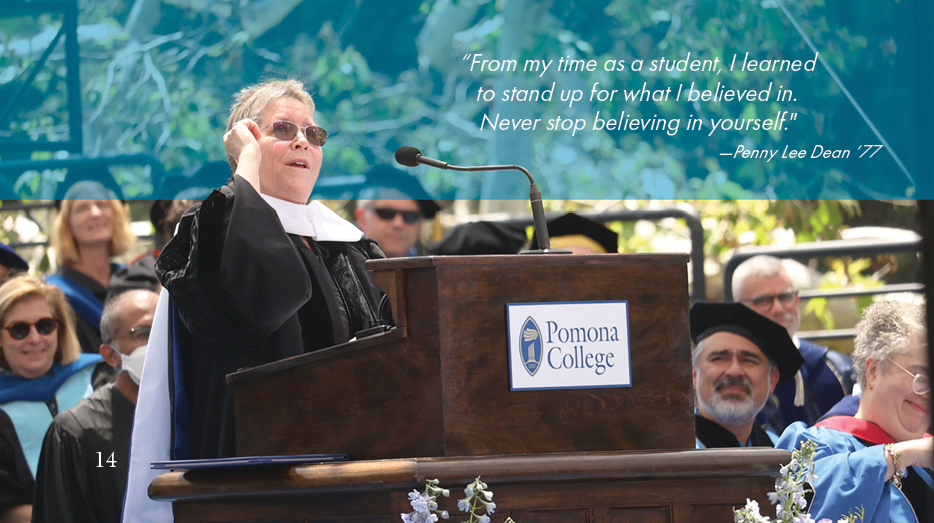
Penny Lee Dean ’77 set 13 world records as a marathon swimmer, including a 1978 crossing of the English Channel that shattered the men’s world record by more than an hour. She was inducted into the International Swimming Hall of Fame in 1996. A six-time All-American swimmer at Pomona, she returned to the College and coached and taught for 26 years, winning 17 SCIAC women’s swimming titles and guiding the women’s water polo team to a national championship in 1993.

“From my time as a student, I learned to stand up for what I believed in. Never stop believing in yourself." —Penny Lee Dean ’77

“From my time as a student, I learned to stand up for what I believed in. Never stop believing in yourself.”
—Penny Lee Dean ’77

In addition to conferring honorary degrees on Ifill and Dean, Pomona posthumously honored Trustee Emeritus George E. “Buddy” Moss ’52 with the Trustees’ Medal of Merit. A member of the Board of Trustees from 1995 to 2004, Moss made possible many programs for faculty and students. Among his many contributions, he made gifts to establish the George E. Moss Community Partnerships Fund, the George E. and Nancy O. Moss Professorship in Economics, the Henry G. Lee ’37 Professorship in Poetry, the Peter W. Stanley Chair of Linguistics and Cognitive Science and the Roscoe Moss Professorship in Chemistry.

The Places They Go

Outcomes LogosSpeaking broadly, last year’s Class of 2022 was similar to many other Pomona classes: About 71% secured jobs, internships or entered military service after graduation, and 21% were pursuing further education. Another 3% received fellowships, 2% began service opportunities and 3% had other plans.

The Class of 2022 First Destination Report features data gathered through surveys and data mining for the College’s Career Development Office. Top industries included internet and software companies (14%), management consulting (11%), higher education (9%) and investment banking and management (9%).
For the real nitty-gritty about the specific jobs and graduate degrees Pomona’s Class of 2022 headed for, check out the fascinating interactive dashboard at pomona.edu/outcomes-dashboard. Want to see how many went to work for Amazon and how many went to Accenture? It’s all there, along with how many were destined for graduate school in Cambridge (Massachusetts or England) and elsewhere.
For an early look at destinations for some of the Class of 2023 graduates, see the inside back page of this issue.