For sheer armchair traveling pleasure, we present this year’s Thomas J. Watson Fellowship winners:
Xiao Jiang ’22 and Mark Diaz ’22 are among 42 students selected from 41 private college and university partners to receive $40,000 grants to pursue research projects during 12 months of international travel.
Jiang found care and acceptance in New York City’s Chinatown at the age of 5 when she and her mother came to the U.S. from China. After arriving at Pomona as a Questbridge Match Recipient with a full four-year scholarship, Jiang was worried about returning to her Chinatown for fear of seeing it changed—gentrified —into a place she would no longer recognize as home. As a sophomore, she took an anthropology course and studied the effects of gentrification on Los Angeles’ Chinatown. For her senior project in anthropology, she created a short documentary on how COVID-19 has affected Chinatowns in New York and Los Angeles.
Jiang will spend her Watson year traveling to China, Malaysia, Singapore, Vietnam, the United Kingdom, France and Belgium to learn how immigrants and Chinese residents engage with Chinatowns to develop a sense of self within a community of like-minded people.
Diaz was a junior in high school when he was first introduced to kabuki, a traditional form of Japanese theatre that incorporates dance, music and mime. At Pomona, he drew Emeritus Professor Leonard Pronko out of retirement to study under him and to have Pronko teach a masterclass on kabuki. They staged Narukami Thunder God at Pomona’s Alumni Weekend in 2019 before Pronko’s death later that year.
Thinking about his own ancestors, the Maya and the Basque, Diaz wondered what type of theatre they developed and how it is also under-staged or recognized in the U.S. Diaz will travel to Japan, Spain, Belize and Guatemala to explore traditional dramatic forms: kabuki in Japan, religious dance ceremony in Guatemala and Belize, and pastorale in Spain.
 Some 26,000 students from more than 4,000 colleges auditioned for the chance to be among the 36 competitors in the Jeopardy! National College Championship, televised in February.
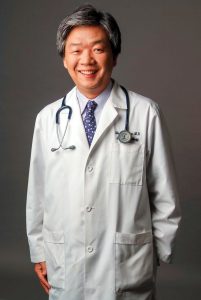 Lee, the father of Pomona College Trustee Bobby Lee ’02 and Jenny Lee ’07, immigrated to the U.S. from South Korea in 1974, becoming the first in his family to graduate college before going on to medical school with the help of scholarships supplemented by student loans.
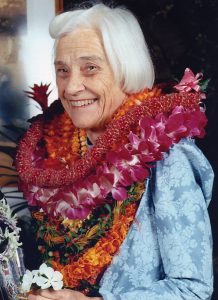 Smith’s remarkable support for the College and non-Western music continued at her passing last year at the age of 101. She left more than $3.5 million to the Music Department through a planned gift, bringing her support to the College over the years to $5.7 million.
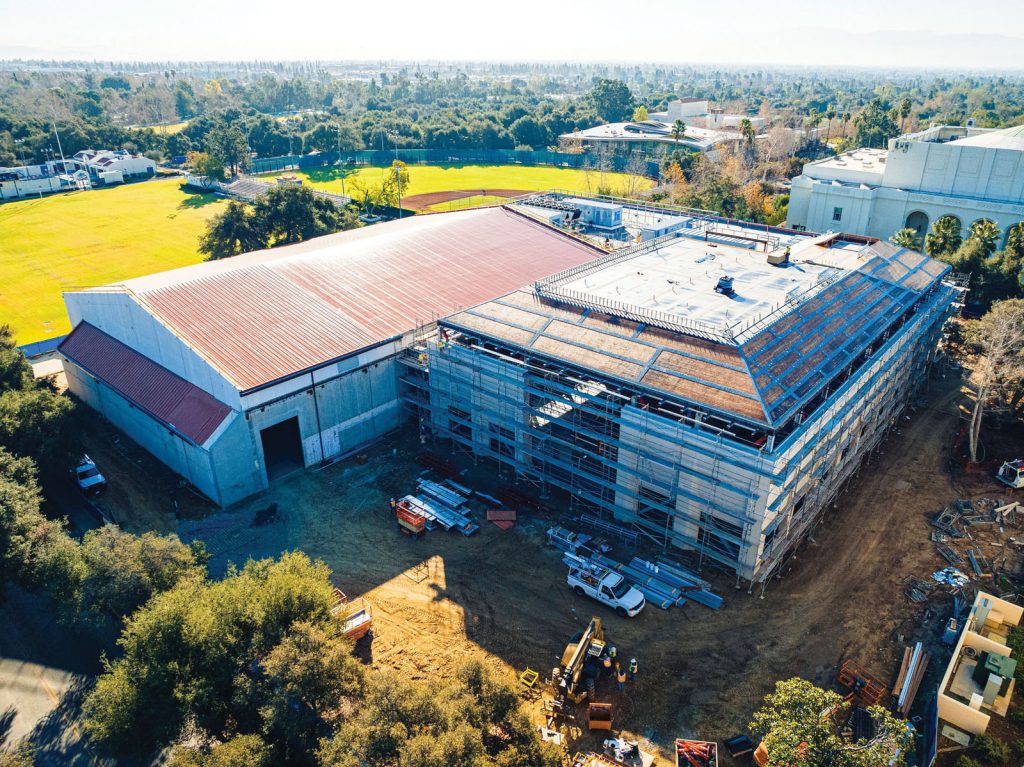 The new athletics, recreation and wellness center adjacent to Bridges Auditorium topped out with the raising of the highest beam in November.
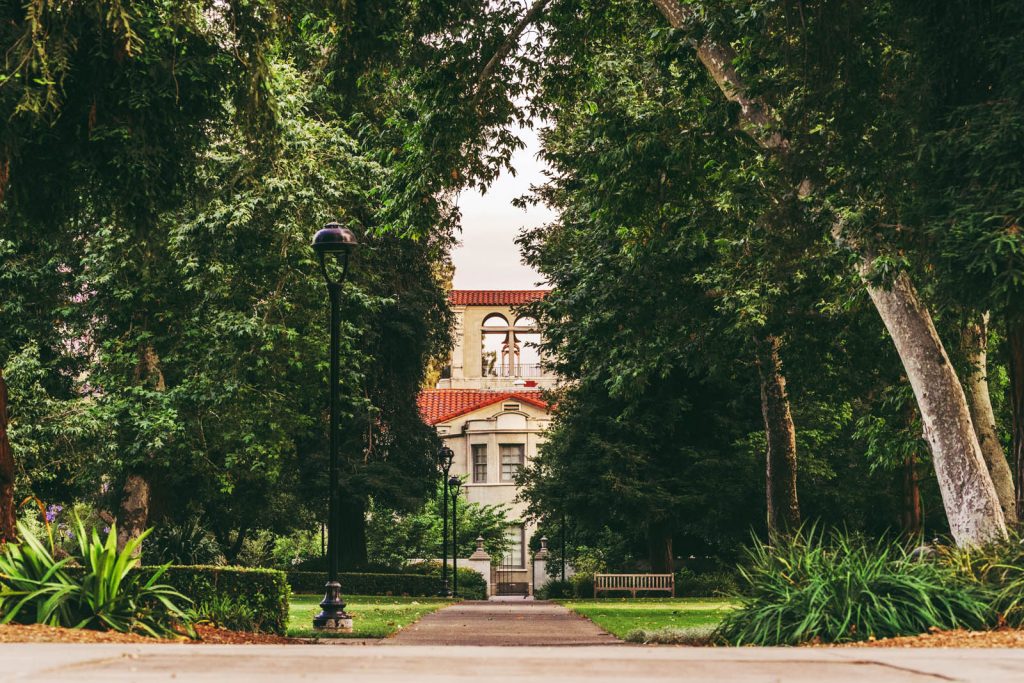 During 1921-1922, Pomona relocated its early administration building, Sumner Hall, from what is now Marston Quad to its current location east of Bridges Hall of Music. Today, Sumner houses the financial aid and admissions offices, drawing thousands of visitors every year from around the world as the starting place for campus tours. After more than a year with Sumner closed in the pandemic (and tours online only), visitors are now returning to campus and Sumner is sure to resume its role as one of the busiest spots at Pomona.
 Jill Grigsby was a young woman in her late 20s when she began studying the aging process.
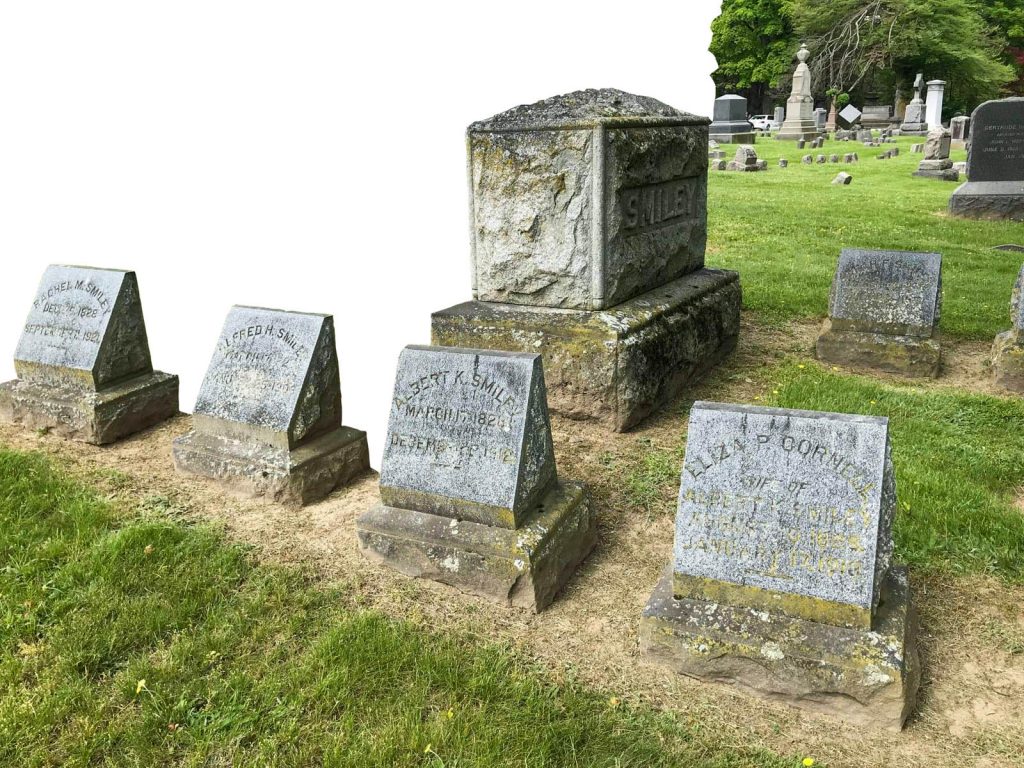 Eric Myers ’80 was placing flags on graves for Memorial Day with his daughter’s church youth group when he encountered a solemn Pomona connection 3,000 miles from campus. Poughkeepsie Rural Cemetery in New York is the resting place for members of the Smiley family, including Albert K. Smiley, the Pomona trustee of the late 1800s whose name is on one of Pomona’s oldest residence halls, where Myers lived his junior year. Today, Myers, who had come across the grave years ago but didn’t remember the exact spot, works at SUNY New Paltz, home to Smiley Art Building, named for the family whose philanthropy supported colleges and civic enterprises on both coasts.