Articles Written By: jori2025@pomona.edu

What’s your favorite photo you took of campus?

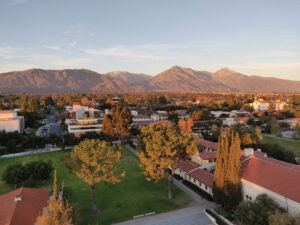
On Facebook, we asked alums about their favorite photo they ever took of something on campus. Here were a few of the responses!

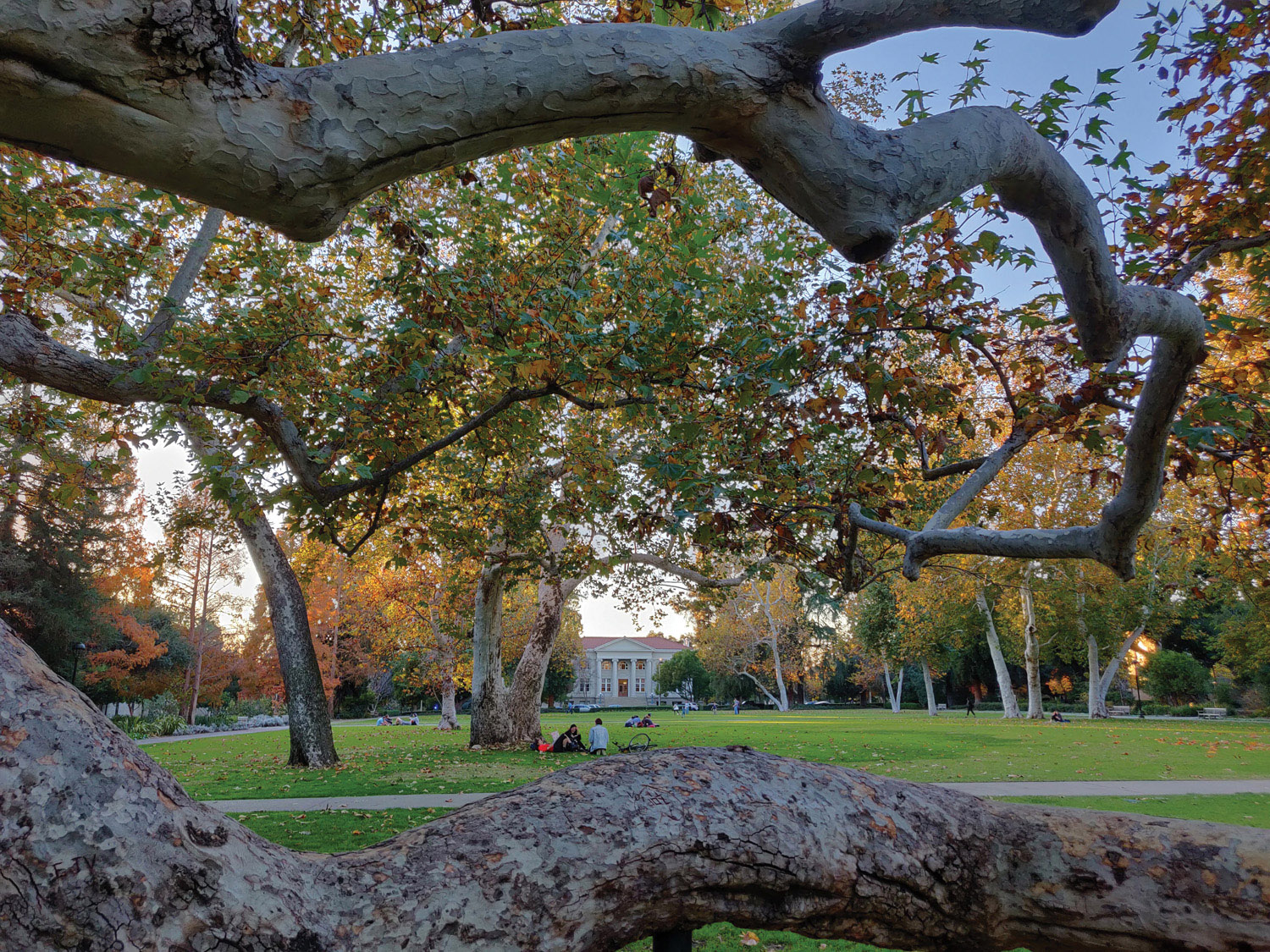
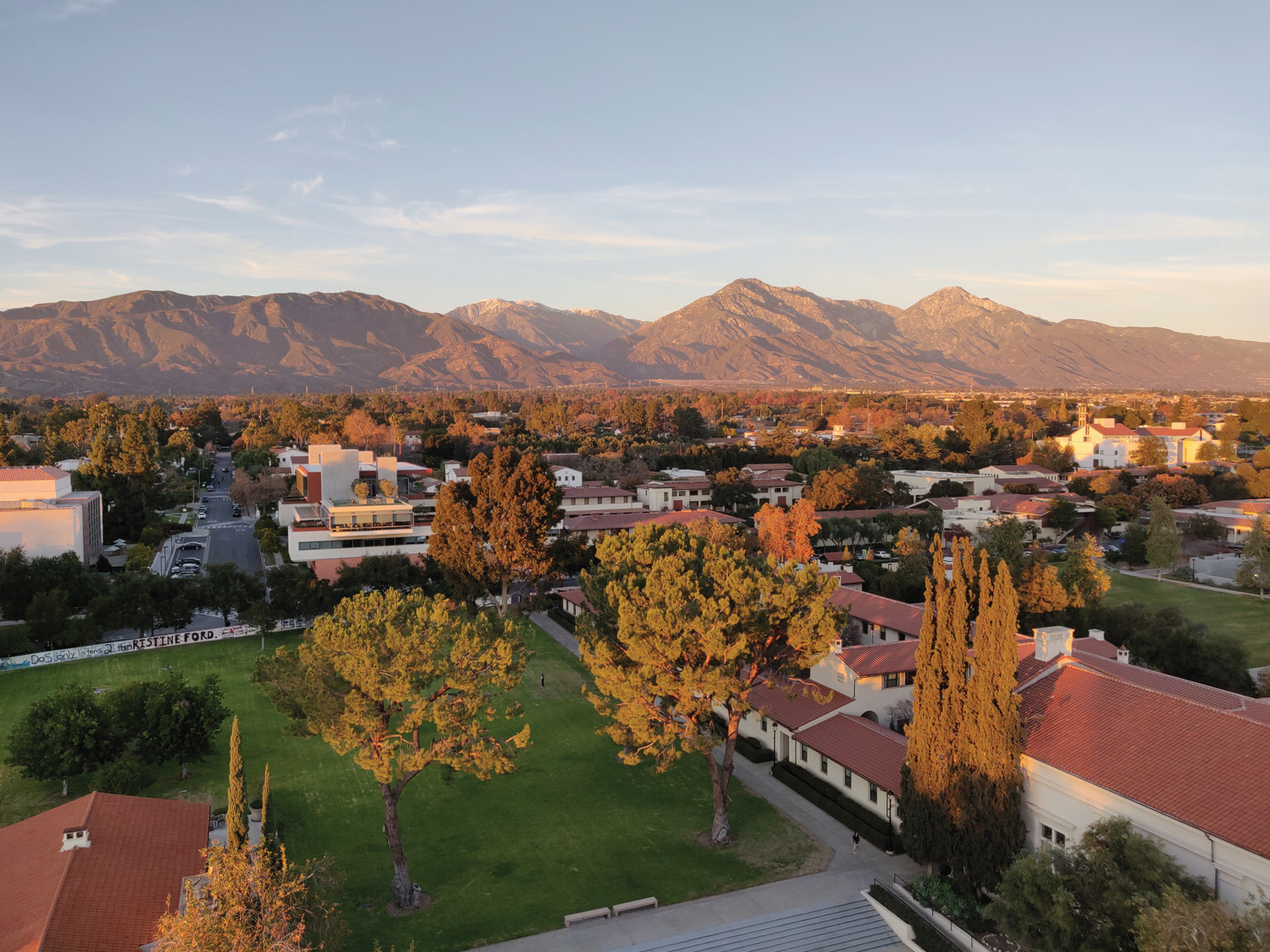
Tree on Marston Quad

A shot atop a tree on Marston Quad, by Samuel Breslow ’18

Seven Decades of Summer Reading for First-Years

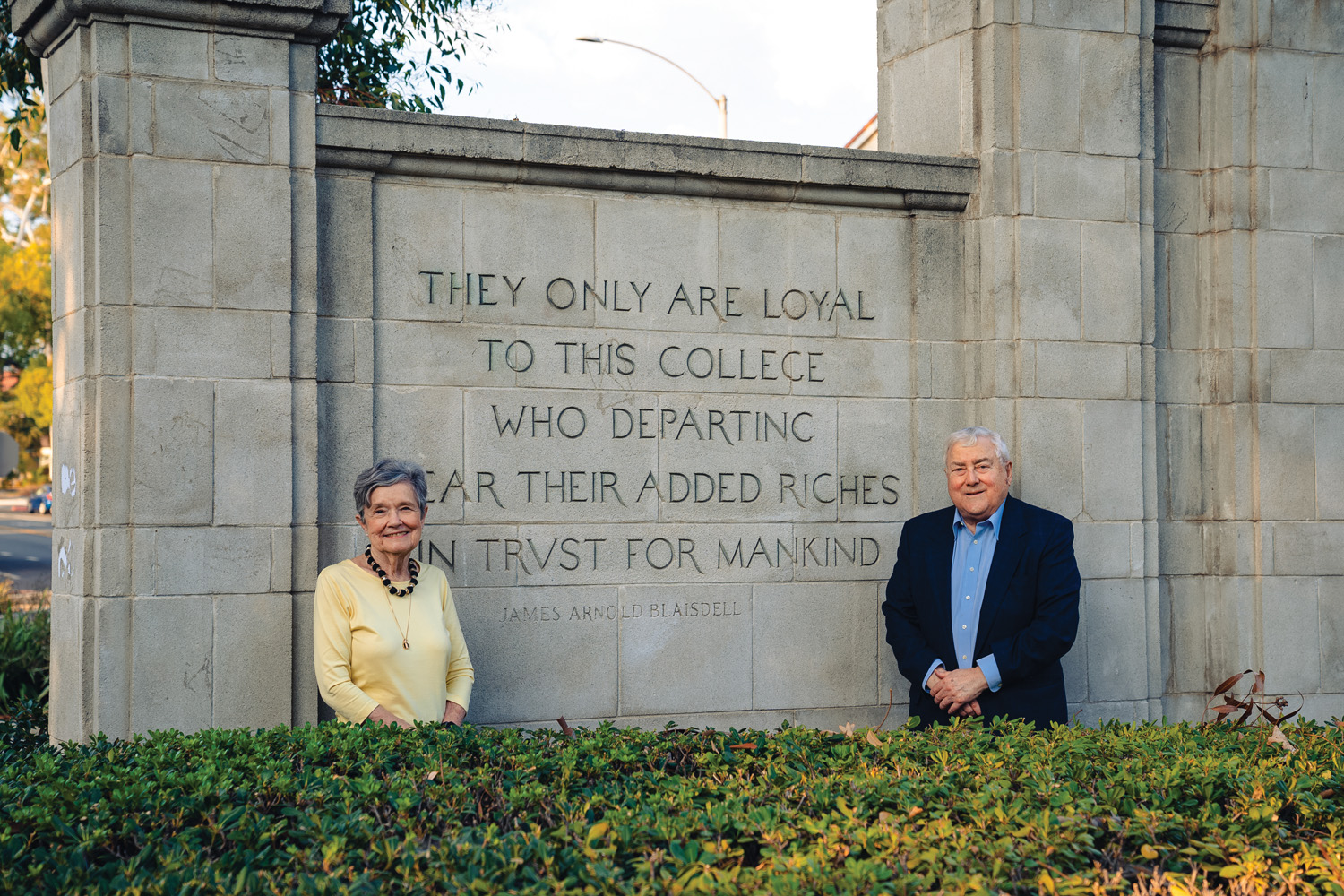
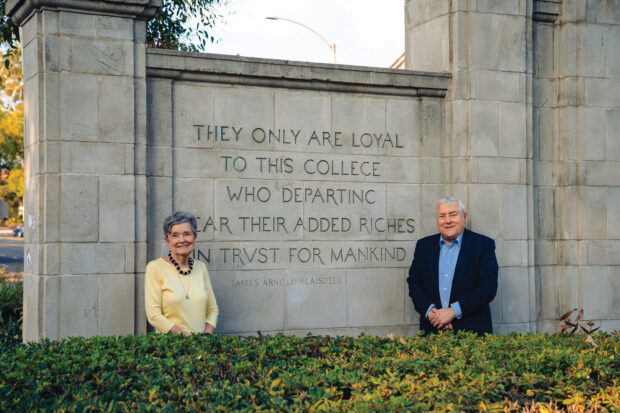
Paul and Flo Eckstein in front of the Pomona College Gate

The author with his wife, Flo, in front of the Pomona College Gate

Going back more than seven decades, Pomona College first-years have been assigned a common book to read during the summer before they pass through the Gates, which they typically discuss in small groups moderated by a professor during orientation week. The idea is to give first-years something challenging and interesting to discuss with their classmates and to provide them with a taste of what college will be like. Sometimes the idea works. Sometimes not.

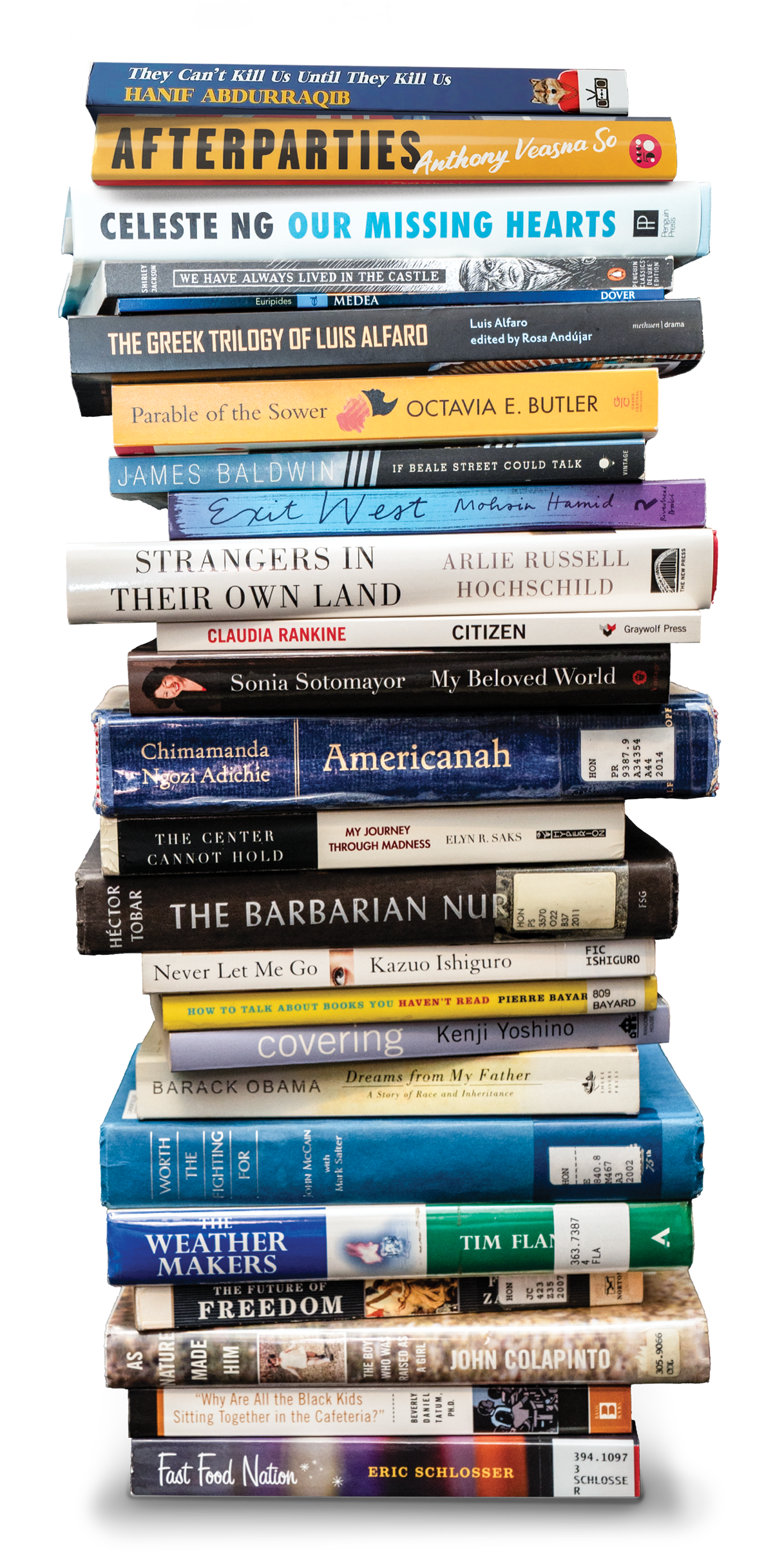
Among the variety of books selected over the last two decades are James Baldwin’s If Beale Street Could Talk (2019), Justice Sonia Sotomayor’s My Beloved World (2015), Kazuo Ishiguro’s Never Let Me Go (2011) and Fareed Zakaria’s The Future of Freedom (2006). An Orientation Book Committee composed of faculty, staff and students is responsible for each year’s selection. According to English Professor and committee member Kevin Dettmar, the team wanted to select a book that “modeled a critically sophisticated engagement with contemporary popular culture. Critical-thinking skills aren’t just useful for the classroom: they’re lifelong skills.”
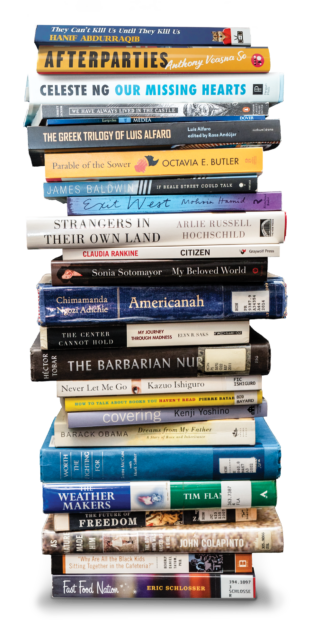
Stack of orientation books since 2003This year’s selection was African-American poet and music critic Hanif Abdurraqib’s They Can’t Kill Us Until They Kill Us (published in 2017), a collection of essays largely about music of the 1990s (much of it rap) and the artists who made that music. This year’s reading could not be more different than the reading assigned to my class in the fall of 1958, authored by social critic and essayist Lewis Mumford and titled The Human Prospect (published in 1955); that book was about almost everything under the sun except the music of the time.

About the only thing the two books have in common is that both are essay collections. Abdurraqib’s topics include “Chance the Rapper’s Golden Year,” “Death Becomes You: My Chemical Romance and the Ten Years of the Black Parade” and “The White Rapper Joke.” Mumford’s essays include such varied and unrelated topics as “The Monastery and the Clock,” “The Origins of the American Mind” and “Moby Dick.”

In 2024, literary critic Vincent Triola (author of numerous works of short fiction and a frequent book reviewer) described Abdurraqib’s collection of essays as “representing a generation’s lostness … caused by a technology-driven anti-intellectualism and superficiality that licenses poetry and authorship to anyone with a keyboard, inadvertently devaluing and obscuring quality literature.”

Abdurraqib’s essays are anything but superficial and anti-intellectual; they are well-crafted, beautifully written and, to use a word of the times, accessible, even for a reader now in his mid-80s. This year’s selection seems to have served as a good icebreaker for the racially, economically and geographically diverse Class of 2029.

Pomona is a very different place today from what it was in 1958. Three-quarters of Pomona’s Class of 1962 was from California (mostly from Southern California) with fewer than 3 percent students of color. By contrast, Pomona’s Class of 2029 is composed of students from 26 countries and 41 states (only 34 percent from California) and 55 percent students of color. If Abdurraqib’s set of essays was selected to prompt discussion across a diverse class, it was an inspired choice.

No one still alive remembers why The Human Prospect was selected. Perhaps Steve Pauley ’62 is correct when he muses that Mumford’s book was “assigned to terrify freshmen, most of whom were stars in high school. I guess the faculty wanted to drive some humility into us. What was terrifying was that at least some understood the book—at least they bluffed enough to pull that off.”

In contrast to Abdurraqib’s writing style, Mumford’s was anything but accessible. The book was tough sledding for children of the 1950s and hardly seemed designed to capture the interest of the 17- and 18-year-olds of the time. Gerry Wick ’62, a Ph.D in nuclear physics and now a Zen Buddhist master and author, recalls that he found Mumford’s writing style “turgid, arcane and too erudite to make for enjoyable reading.” Retired schoolteacher Bonnie Bennett Home ’62 remembers: “My professor was so disappointed in the election of The Human Prospect that he declined to discuss the assigned reading.”

Not every classmate of mine found Mumford’s book disappointing. John Roth ’62, a retired philosophy professor at Claremont McKenna, said that “our 18-year-old critiques of Mumford don’t cut much ice with me, nor do our 80-year-old condemnations. We should all hope to leave as much of a mark on our times as Mumford did on his.” Roth was enlightened by the essay “The Monastery and the Clock,” as “it opened my eyes as to how relatively recent the measurement of time is.” I, too, particularly liked that essay, and have often thought about its importance over the years. The remainder of Mumford’s essays, not so much.
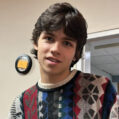
Hlib Olhovskyi ’27

Olhovskyi

Returning to the present, the selection committee spoke passionately about They Can’t Kill Us Until They Kill Us.

“This book paints an image of the U.S. that is often shown differently overseas,” said Hlib Olhovskyi ’27. “Among a diverse list of excellent books, this collection stood out the most
for its captivating fusion of scope and detail, intimacy
and universality.”

Zoe Dorado ’27

Dorado

Zoe Dorado ’27 agreed. “[Abdurraqib] writes with a specific obsession that seems fueled by both love and uncertainty about the world,” she said. “He’s not an optimist, yet his work has a propelling force. It’s the type of book that I know I’ll return to during different stages of my life.”

“As I prepared to leave for college and reckoned with a desire for the relationships, places, and moments in time that I felt were disappearing, the appearance of Abdurraqib’s work in my life felt serendipitous and necessary,” said Nadia Hsu ’27. “Everything I’ve ever written since then has been kind of an imitation of Abdurraqib, and the way under his observation everything becomes sacred.”

Nadia Hsu ’27

Hsu

One can only speculate how the Class of 2029 will see the book with the perspective of 67 years. All that really matters, however, is how they regarded it this summer. Did it pique an interest in things unknown and spur lively discussion? Let it be said for now that in the view of this octogenarian, who found much of the book shocking but exciting, the Orientation Book Committee did its job well this year.

Mr. Eckstein ’62 is a longtime trustee of Pomona College, the parent of Timothy Eckstein ’92 and grandparent of Owen Eckstein ’28.
The Claremont Colleges: A Timeline

1924: With the greater Claremont population close to doubling, Pomona’s board sets up a committee to consider expansion by way of other institutions

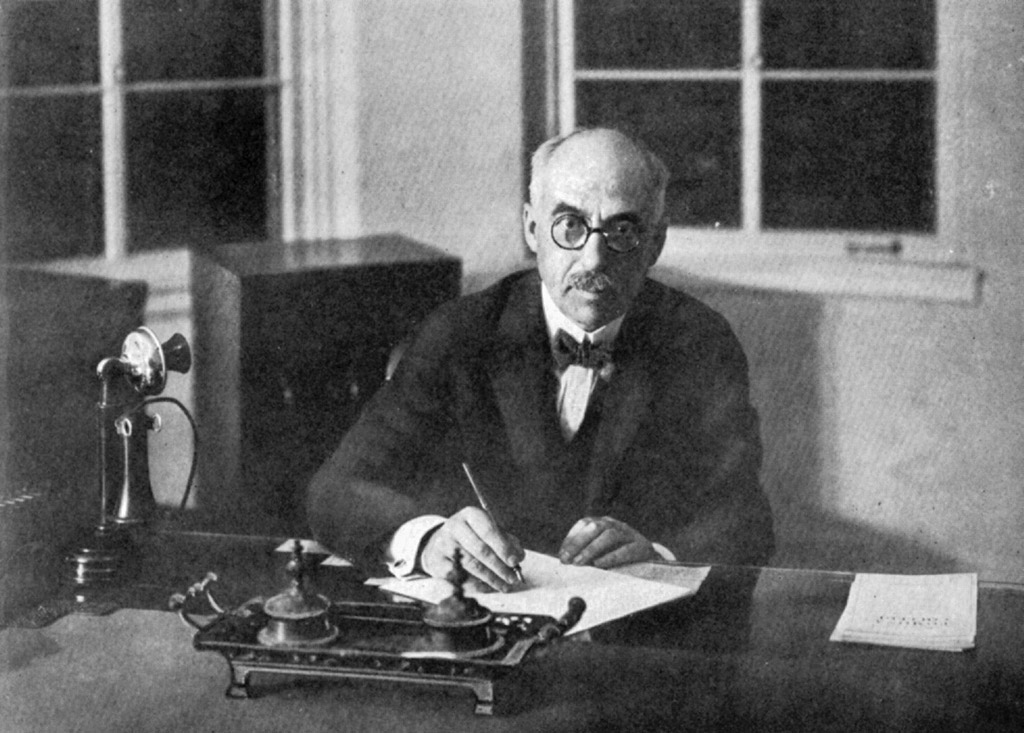
President James A. Blaisdell in 1925

President James A. Blaisdell in 1925

Spring 1925: President Blaisdell gives the committee “A Preliminary Statement for Consideration by the Committee on Future Organization”

Fall 1925: Articles of incorporation are filed in Sacramento by Robert J. Bernard, on the 38th anniversary of the College’s founding. Claremont Graduate School (CGS) is incorporated on the same day.

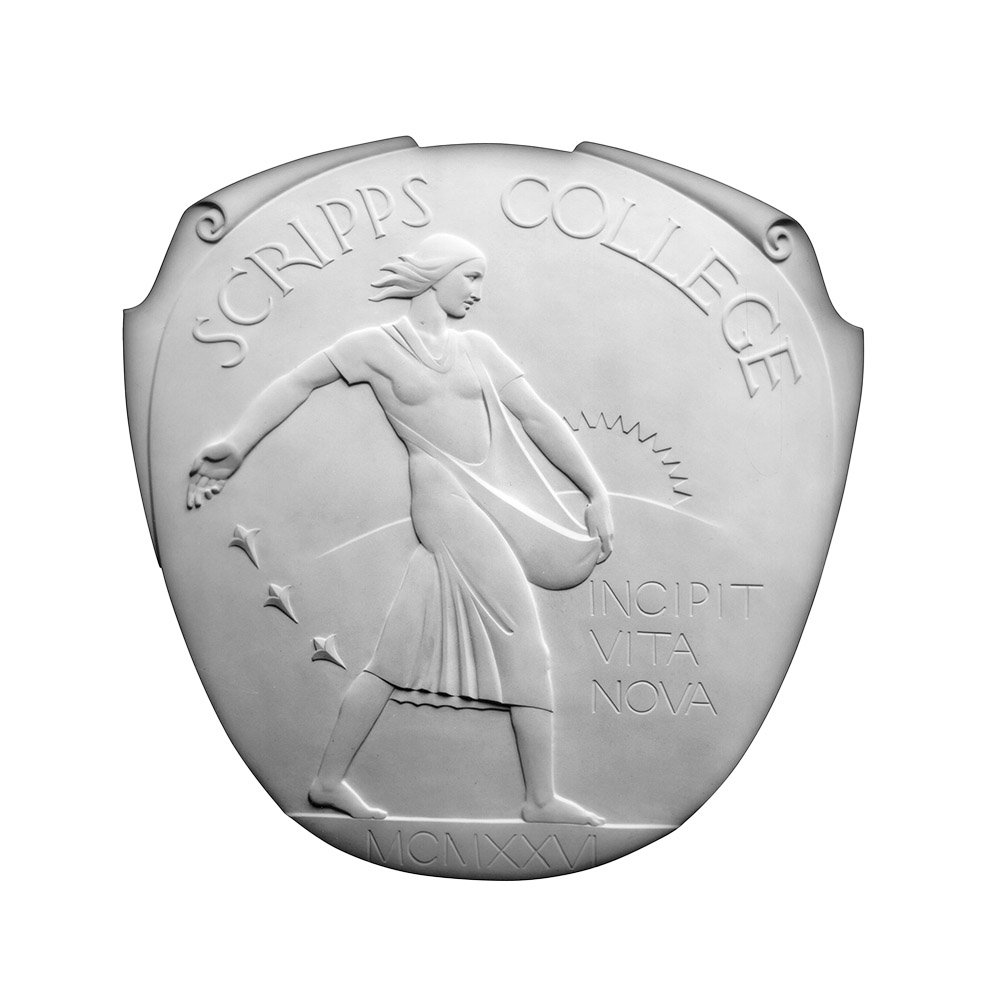
1926: Scripps College is founded

1927: CGS opens

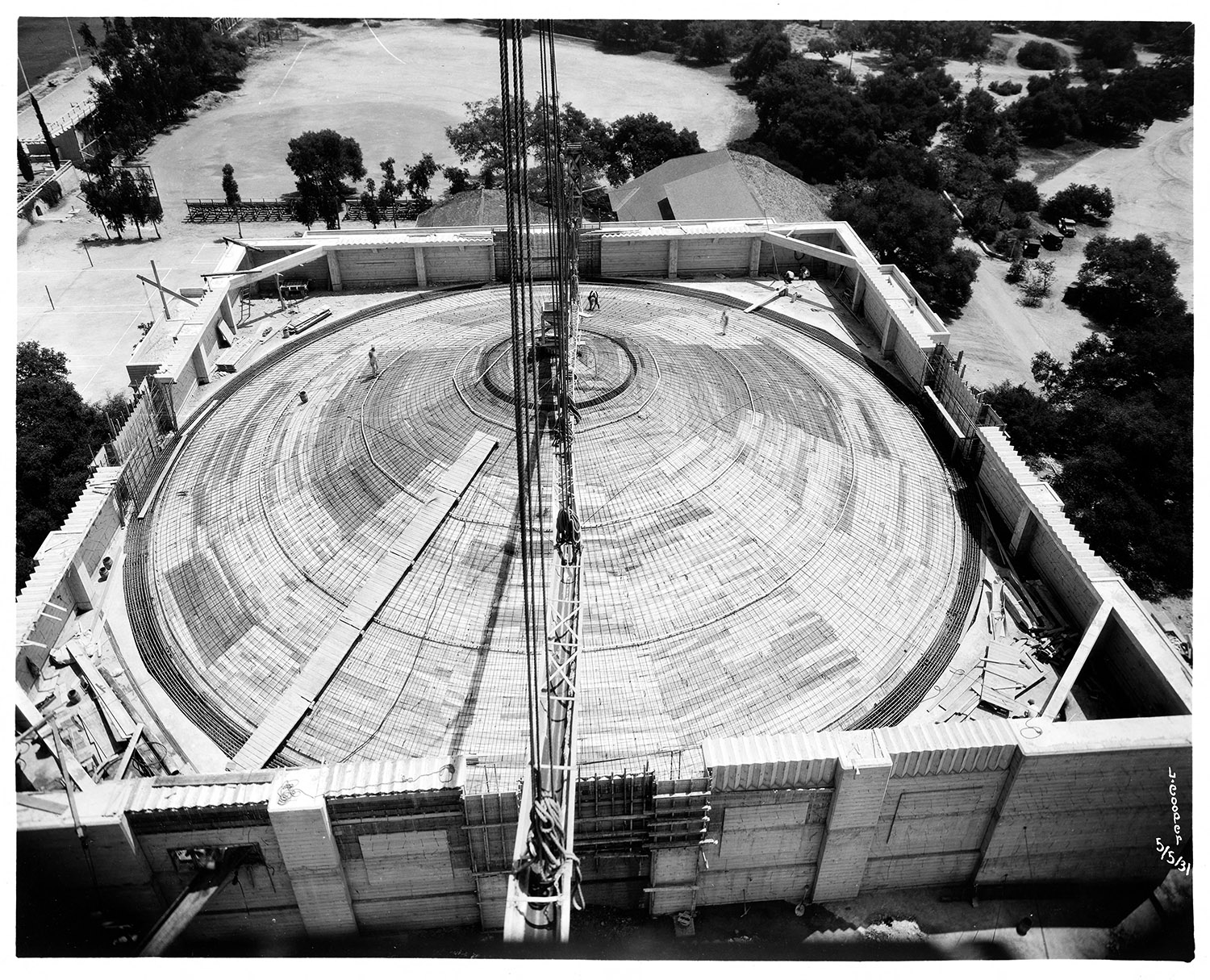
1931: Construction finishes on Bridges Auditorium

Bridges AuditoriumConstruction, 1931

Bridges Auditorium
Construction, 1931

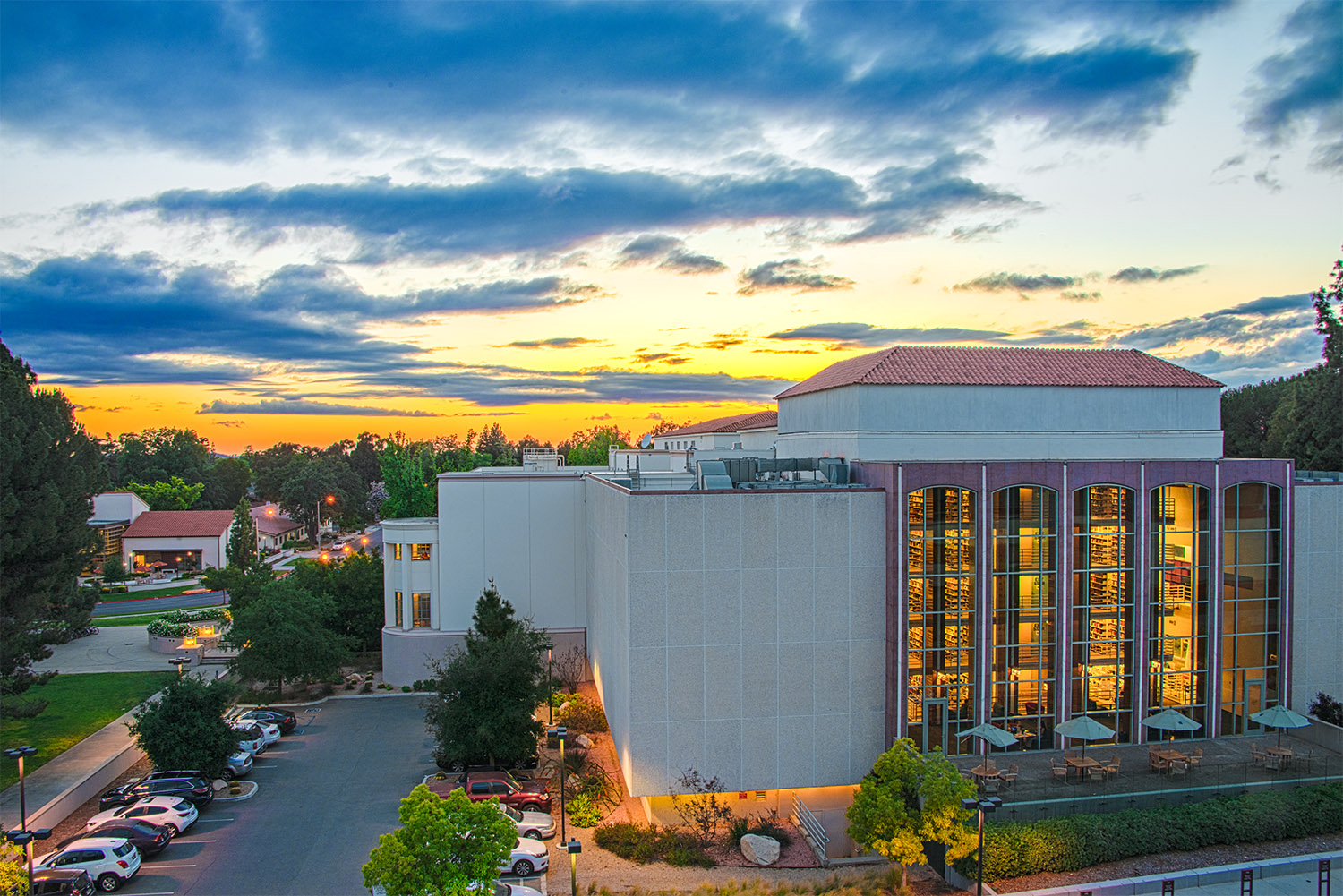
Honnold Library

Honnold Library

1946: Claremont Men’s College founded (renamed Claremont McKenna in 1981)

1952: Honnold Library dedicated

1954: Claremont becomes the new home of what’s now the California Botanic Garden, the state’s largest garden of native plants (70,000+)

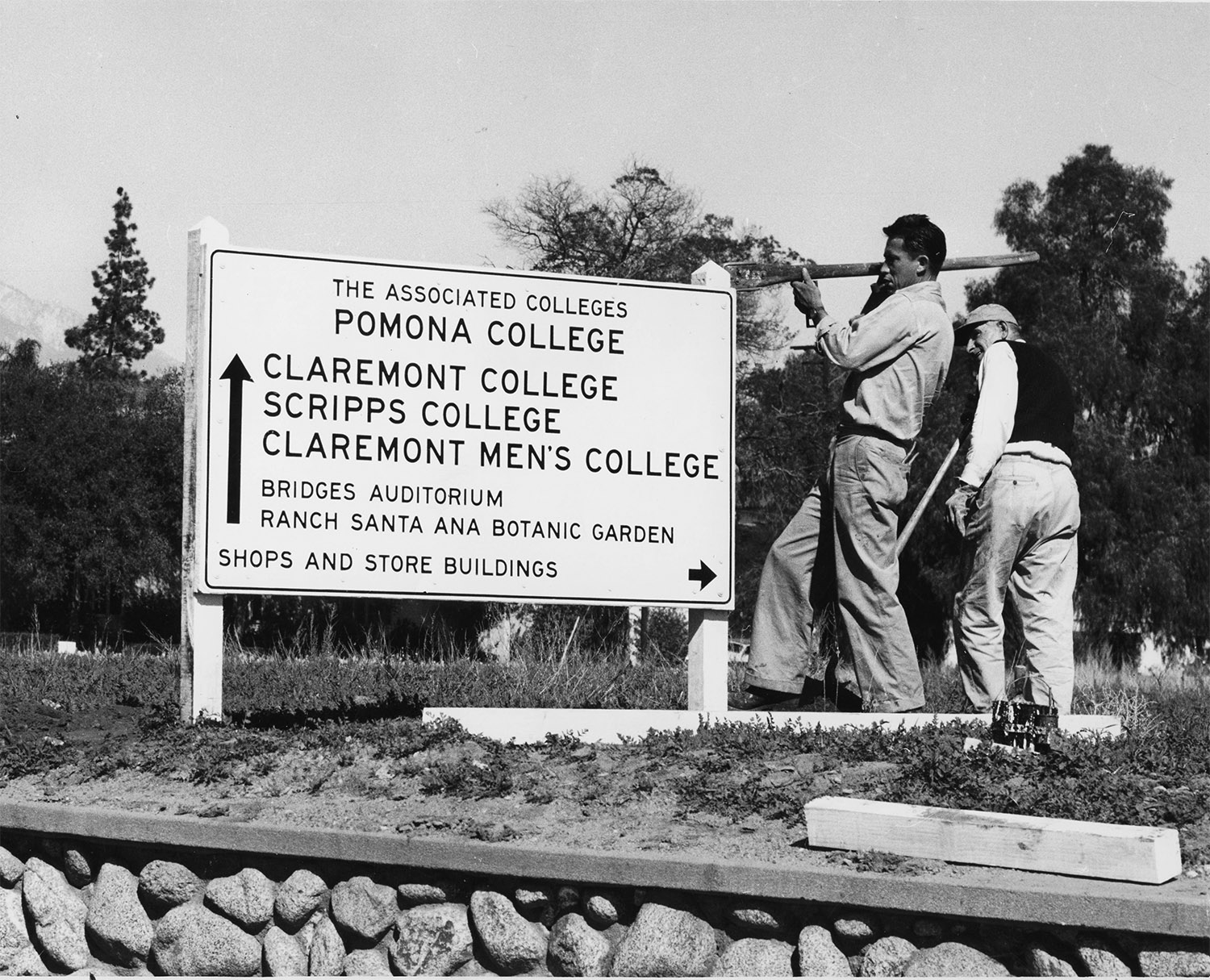
Featured in the May 1954 Pomona College Bulletin: “NEW SIGNS have been placed at the entrances to the city of Claremont…”

Featured in the May 1954 Pomona College Bulletin: “NEW SIGNS have been placed at the entrances to the city of Claremont…”

1957: Harvey Mudd College opens

1963: Pitzer College is founded

1997: Keck Graduate Institute established

2000: CGS becomes a separate entity within the consortium and is re-named Claremont Graduate University (CGU)

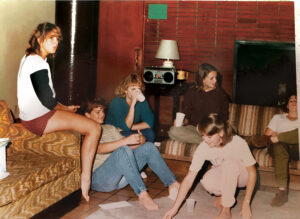
2025: 7C enrollment hits roughly 9,000 students, with combined alumni of around 100,000

Book Talk: Lessons in Leadership:  Ex-College President Reflects on the Empathy in Higher Ed

At a moment when college leaders are navigating choppy seas, Eileen Wilson-Oyelaran ’69 has written a timely analysis of university leadership that outlines what it will take to lead higher education institutions effectively in the coming decade and beyond.

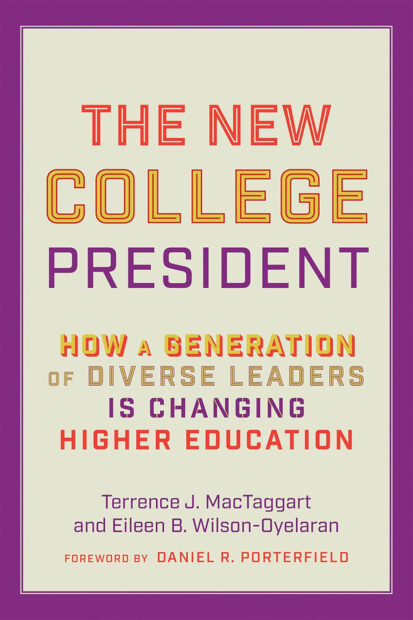
Book, The New College President: How a Generation of Diverse Leaders Is Changing Higher EducationThe book, “The New College President: How a Generation of Diverse Leaders Is Changing Higher Education,” co-written with Terrence MacTaggart and published by the Johns Hopkins University Press, profiles seven university leaders and describes the skills and personal qualities they possess that have made them successful.
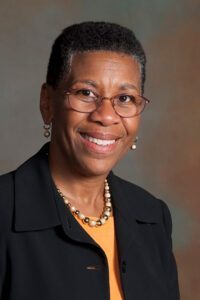
Few are as qualified as Wilson-Oyelaran to opine on the topic. She served as president of Kalamazoo College from 2005 to 2016, a period that included a major economic recession, and also was named as chair of the board of directors of the National Association of Independent Colleges and Universities for the 2013-2014 academic year.

In the book, Wilson-Oyelaran discusses some of the major challenges facing the college and university presidency, among them high turnover rates, debilitating financial pressures and conflicting institutional strategies. For example, she says that presidents’ shorter terms may negatively impact institutions, since it generally takes time for presidents to understand school culture and garner the trust of their communities.

For Wilson-Oyelaran, that trust is more vital now than ever. “Colleges and universities are being asked to change more rapidly and more dynamically, but the ability to do that requires someone who is known and trusted, which takes time,” she says. “A leader who is embedded in the community is much more able to make the changes that are necessary right now.”

One quality that Wilson-Oyelaran and MacTaggart found in all the successful presidents they profiled was the significant adversity they faced. “Adversity gives you empathy and a great deal of resilience, which is of particular importance for leading institutions of higher education right now,” says Wilson-Oyelaran. “As the arrows get slung at you, it’s critical to be able to let them roll off and continue to move forward. You develop a sixth sense of how to keep focusing on what is of value and what to let go of.”

Eileen Wilson-Oyelaran ’69During her years at Pomona, Wilson-Oyelaran was a galvanizing figure who was instrumental in creating The Claremont Colleges’ first Black Student Union in 1967 and the Black Studies Center in 1969. She says that she’s deeply encouraged by how her generation’s efforts transformed higher education, both in terms of what the student body looks like, and in the expanded breadth of the curriculum.


“When I look at Pomona today, in many ways the institution represents what we hoped to see,” she says. “It’s pretty incredible to see how the field of African American studies has flourished nationally, and to feel that I maybe did a little bit to move that forward.”

Crunching the Numbers: A Pomona Tech Timeline

In the fall of 2024, Pomona launched a minor in data science. To commemorate the new concentration, let’s look back at some of the College’s milestones in computer science and technology.


1958: Bendix G-15

1958: Bendix G-15

1958: Five years after first offering “computer classes” for word processing, Pomona opens Millikan Laboratory, its first computer lab, which included a Heathkit analog computer and the Bendix G-15 digital computer. One of about 400 manufactured globally, the Bendix was the size of a refrigerator, required punched paper tape to load instructions and data, and had “memory” in the form of a rotating drum the size of a wastebasket.


1964: As part of the launch of the Seaver North science building, Pomona is one of the first U.S. schools to buy an IBM System/360 computer, which eager Assembly- and Fortran-learning undergrads used for work in chemistry, economics, geology and math. The Student Life newspaper marveled at how a unit the size of a cigar box could contain the computer’s entire memory of 16,000 bytes; today’s smartphones are roughly 16,000,000 times more robust.

1967: Programmer Bea Cooley in the Millikan Lab. Image courtesy Honnold Mudd Library

1967: Programmer Bea Cooley in the Millikan Lab. Image courtesy Honnold Mudd Library

1971: The Mudd-Blaisdell residence hall is outfitted with a PDP-10 mainframe, immediately sparking the interest of first-year Don Daglow ’74, who used the computer to create several early video games, including what’s widely regarded as the world’s first “role-playing game,” which was a text-based game adapted from the then-new “Dungeons & Dragons” tabletop game.

1971 Daglow coding in his Mudd-Blaisdell dorm room

1971 Daglow coding in his Mudd-Blaisdell dorm room

1980: Five years after purchasing IBM’s second-ever 5100 minicomputer, Pomona becomes the first educational institution to own and operate an IBM 4331, which opened students up to being able to use email.

1988: VAX 6310

1988: VAX 6310

1988: The Mudd Science Library installs a VAX 6310, which permits the linking of computers to the other 5Cs, thereby introducing students to resources such as the internet. That same year Pomona and several other schools launched the Science, Technology and Society program.

1991: The first two computer science majors graduate from Pomona. Computer science split off from math to become a separate department in 2006, and is now one of the College’s most popular majors.

2000: Pomona launches the Andrew Science Hall for Mathematics, Physics and Computer Science—the first time there was a dedicated space for computer science as an academic discipline. By 1997, Pomona also had become one of the first colleges to hook up every single bedroom in its dormitories to a 56K network connection for internet use.

2014: Pomona is named the country’s “most wired college” by the higher-education review platform Unigo, which previously cited Pomona’s innovation in being one of the country’s first colleges to provide Wi-Fi connectivity to all of its dorms.

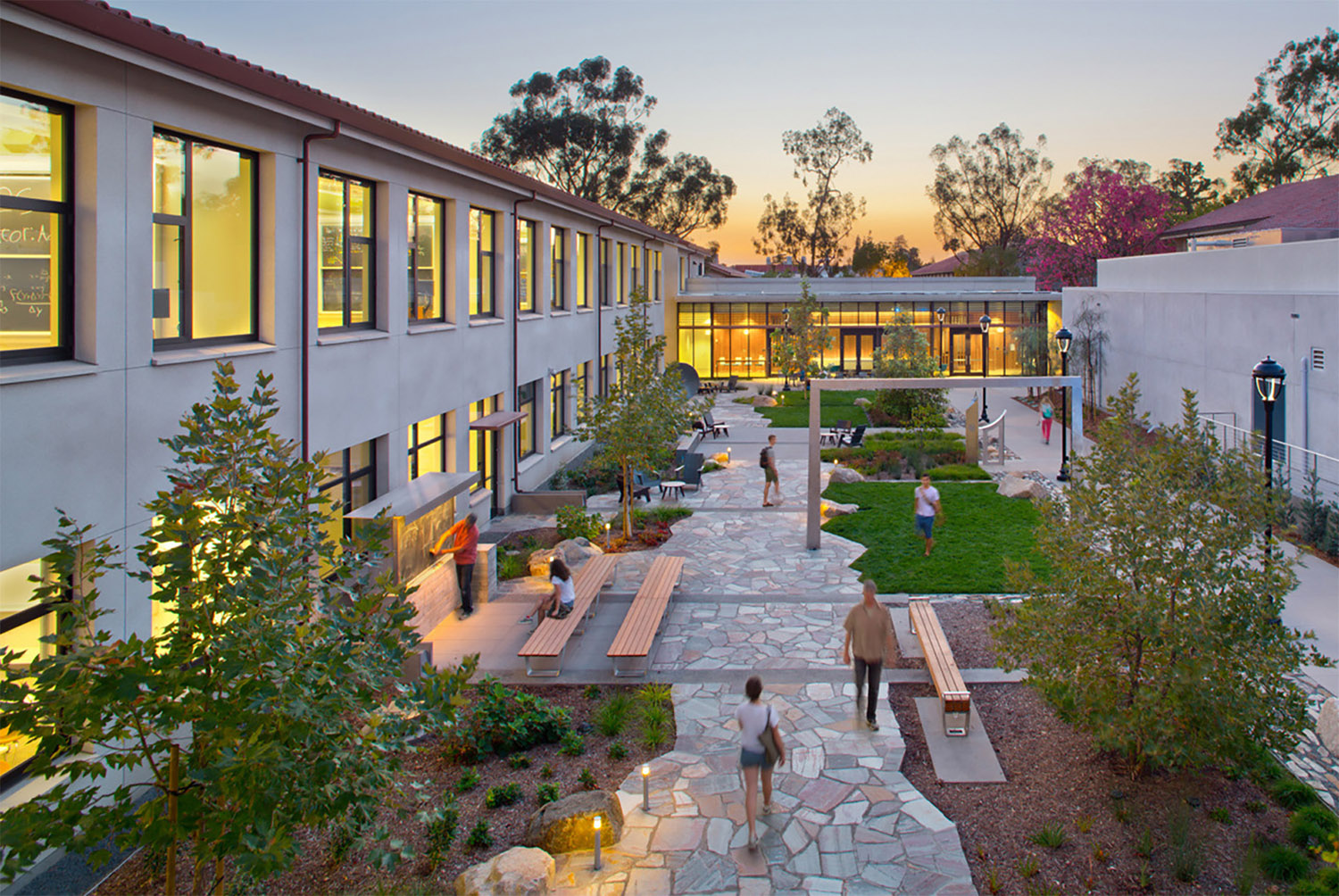
Estella Laboratory Courtyard

Estella Laboratory Courtyard

Students Help Curate New Benton Exhibition

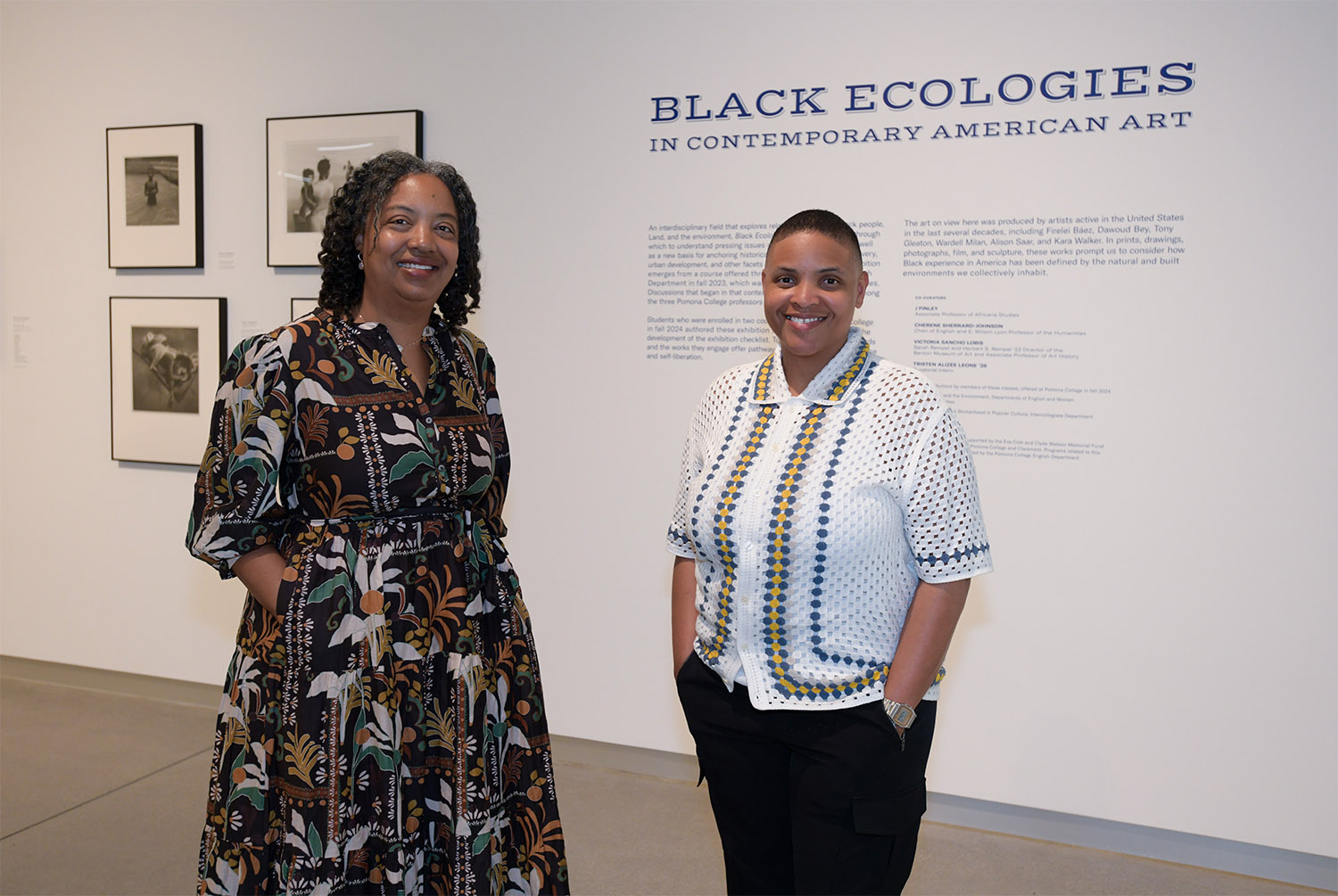
Faculty Cherene Sherrard-Johnson and J Finley in front of the recent exhibit

Faculty Cherene Sherrard-Johnson and J Finley in front of the recent exhibit

As a teaching institution, the Benton Museum of Art strives to cultivate rigorous collaboration with the Pomona community—a philosophy borne out by this spring’s exhibit on “Black Ecologies in Contemporary American Art.”

The show explores relationships among Black people, land and the environment, and features a variety of student contributions curated by J Finley, associate professor of Africana studies; Cherene Sherrard-Johnson, E. Wilson Lyon Professor of the Humanities and chair of the English Department; and Victoria Sancho Lobis, the Sarah Rempel and Herbert S. Rempel ’23 Director of the Benton Museum of Art and associate professor of art history.

As longtime collaborators with the Benton, Finley and Sherrard-Johnson often bring their classes for showings curated specifically for them. Sancho Lobis had the idea in 2023 to create this latest exhibition, inspired by Sherrard-Johnson’s Black Ecologies course.

“[The class] is very much about the body within the environment and the kind of porous boundaries between the two,” says Sherrard-Johnson. “It’s about how the social and political, as well as climate change, impact the health and flourishing of bodies in those spaces.”

This past fall, Finley’s class—Unruly Bodies: Black Womanhood in Popular Culture—explored images of Black women across popular culture, while Sherrard-Johnson’s course—Race, Gender, and the Environment (co-taught with Aimee Bahng, associate professor of gender and women’s studies)—took an intersectional approach to environmental studies.

Students from both classes visited the Benton vaults to help select works for the exhibition that spanned a range of mediums, including photographs, paintings and sculptures.

Reflecting on the experience, Amirah Lockett ’28 says, “I was able to combine my love for art with what I learned from the course and the artworks themselves: appreciating the artists’ different experiences and how they represent those experiences through their work.”

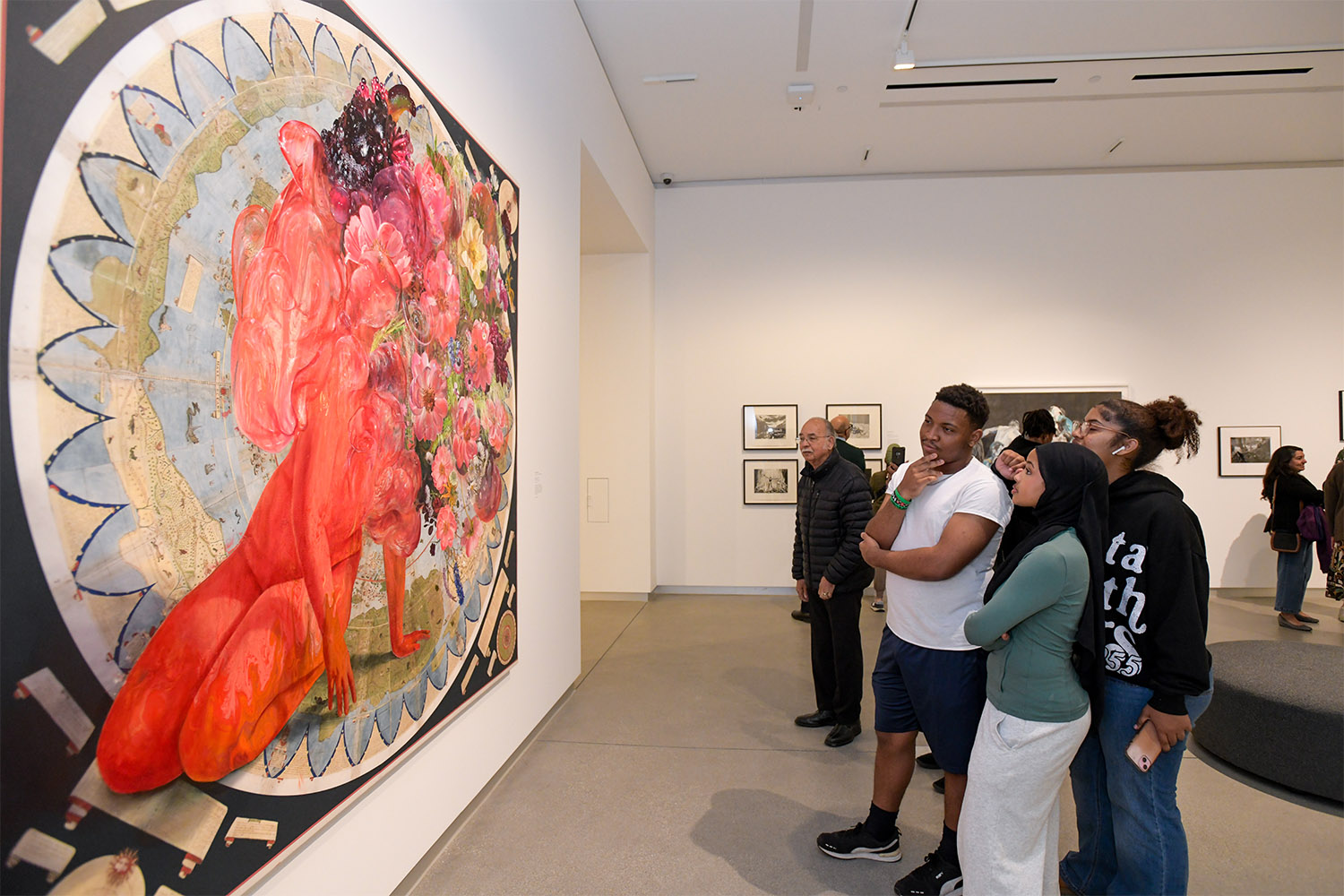
Onlookers admire Firelei Baéz’s Atabey (or change the body that destroys me). Photo credit Carrie Rosema

In addition to being part of the curatorial process, the students created most of the object labels—texts that provide information about the objects on display. Both Finley and Sherrard-Johnson assigned label writing assignments in their classes, and Finley also organized a workshop on label writing by Brittany Webb, a curator at the Pennsylvania Academy of Fine Arts.

“My main objective was to create a narrative that I felt truly conveyed the history, emotions and culture of the Black experience,” says Taylor Parks ’27. Isaiah Dawson ’26 adds, “Co-writing a label for one of the pieces in the exhibit deepened my engagement with the historical themes of the artworks.”

After months of preparation, Sherrard-Johnson says she was “very emotional” seeing the show for the first time. Finley also was appreciative of the opportunity to curate an exhibit with her students.

“One thing I really like to do in my classes is have a creative component,” says Finley. “But I had never done something like involving them in the creation of an exhibition. I always tell the class, ‘We’re not just consuming the knowledge.’ This was an opportunity for us to put that into action.”

Book Blurbs: Poetry Edition

Why have just one? For this issue’s “blurb,” we’re featuring five poems by alumni authors

Hongo standing in front of plaque of his poem

Hongo poses in front of his poem, inscribed on a plaque at the Smith Campus Center

Under The Oaks At Holmes Hall, Overtaken By Rain

By Garrett Hongo ’73

A desert downpour in early spring,
and I’m standing under California oaks,
gazing through rain as the grey sky thunders.
I don’t know why the nightingale sings
to Kubla Khan and not to me, nineteen
and marked by nothing, not even ceremony
or the slash of wind tearing through trees.
I don’t know why Ishmael alone is left
to speak of the sea’s great beast, why
the ground sinks and slides against itself,
why the blue lupines will rise and quilt
through the tawny grasses on the hillsides.
I can’t explain this garment of rain on
   my shoulders
or the sour cloth of my poverty unwinding
like a shroud as the giant eucalyptus
strips and sheds its grey parchments of skin
and stands mottled and nude in the
   shining rains.
I want something sullen as thundering skies,
thick as earthmilk, brown and sluicing
across the streets, grievous as the flood of waters.
I want unfelt sorrows to give away and
   wrought absence
to exchange for the imperfect shelter of
   these oaks,
for the froth of green ivy around my feet,
for the sky without gods and the earth
   without perplexity.
I want to have something like prayer to pay
or a mission to renounce as a fee
for my innocence under cloud-cover
and these furious nightingales of thunder,
companions of song in this untormented sea
of memory uncrowded with bliss or pain.

From “OCEAN OF CLOUDS: Poems.” Reprinted by permission of the Knopf Doubleday Publishing Group, a division of Penguin Random House LLC. Copyright © 2025 by Garrett Hongo. Hongo has published three books of poetry, including “The Perfect Sound: A Memoir in Stereo” (2022).

During Times of Trying to Forgive 

By Brenda Hillman ’73

Evening deepens, Jupiter lifts
   over Cetus, swaddled
  in ribbons of fog. Early stars
retreat into science broth,
  headlights on a hill, &
night stays calm. The source

of your hurt is tucked in.
Maybe you can’t forgive
each other yet, & who
   can blame you after all
    that happened, but still.
You try as a tide tries gray

   again. As a friend whose body
  had a tumor—whose body
has a tumor—reads in onyx light
   till day. How many Mondays
will she have? Is the mystery
  counting? She tries, it tries &

   the ones who are almost
loved walk through the field.
  Inexhaustible seeds are carried
  through the field like codes
    waiting to be read by air
  until the ground is ready.

A Pomona College Magazine exclusive. Copyright © 2025 by Brenda Hillman. Hillman has published more than 10 books of poetry, including In a Few Minutes Before Later (2022). She’s a professor of creative writing at St. Mary’s College in California, where she holds the Olivia Filippi Chair in Poetry.

Constellation of Cetus

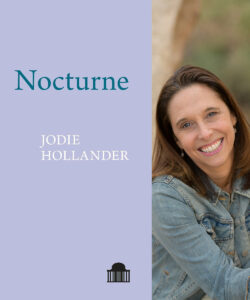
Jodie Hollander and her book, NocturneMoon

By Jodie Hollander ’99

do you ever dream
just as I do,
of having a kind of sister
with you in the sky?
To comb one another’s
milky white surfaces,
or gaze out in awe
at fierce bright stars;
just to be together
amidst the emptiness.
Or are you content
all alone up there,
hovering high above
those darkening trees,
who too must hover
above the world below,
that still somehow sparkles
with artificial lights?

Reprinted with permission from Nocturne by Jodie Hollander. Reprinted by permission of Liverpool University Press. Copyright © 2023 by Jodie Hollander.

Hollander is the author of My Dark Horses (2017) and Nocturne (2023), which was longlisted for the Laurel Prize in nature writing.

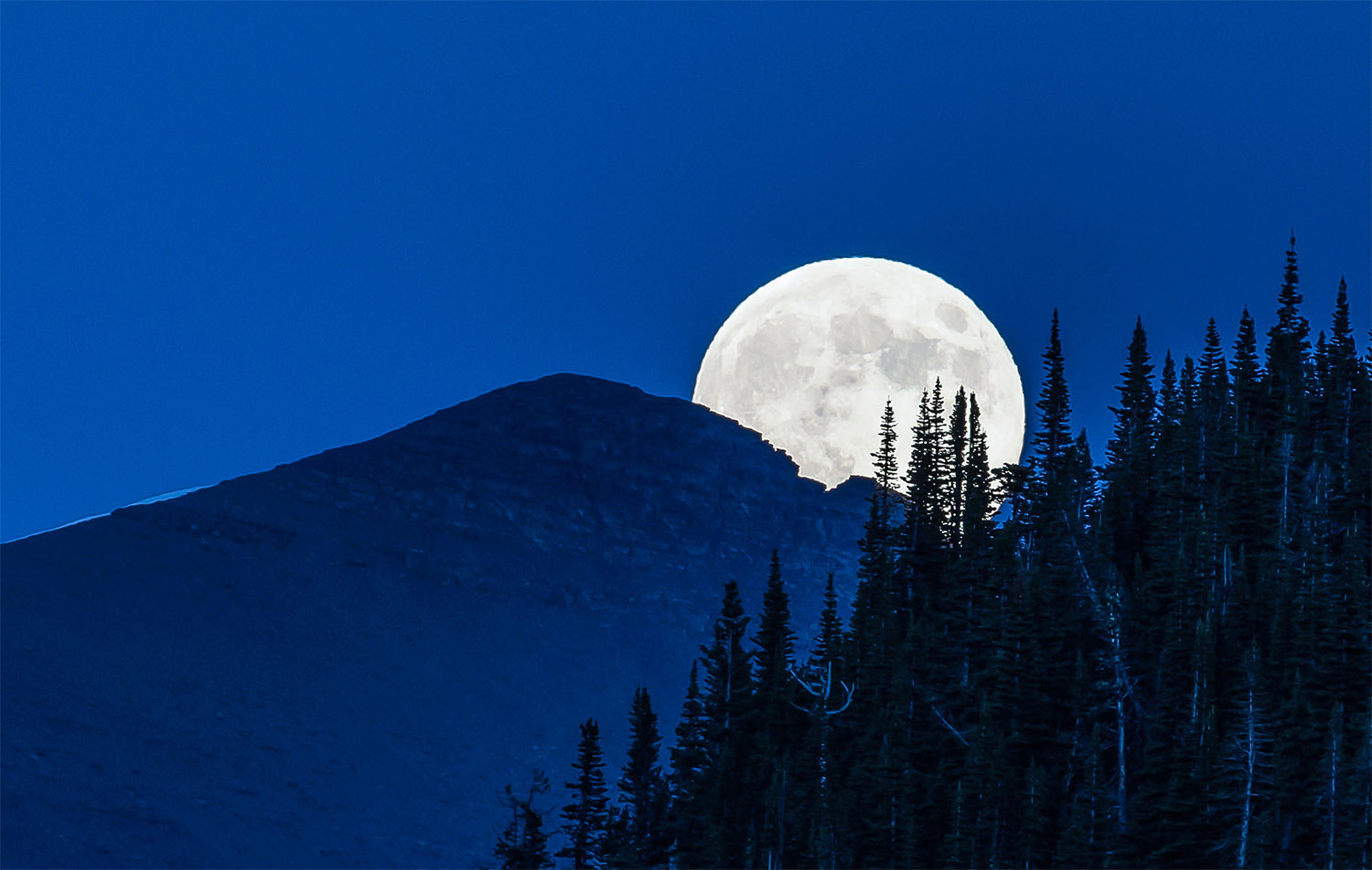
Full moon over Glacier at Logan Pass

Cloud Study

By S. Brook Corfman ’13

I believed long hair alone
would, like rain, wash
my gender away but the rain

rarely cleans, now—it misses
the spot under the tree, moves
the dirt across the street, cannot

reach into my throat or under
the car unless I open for it.

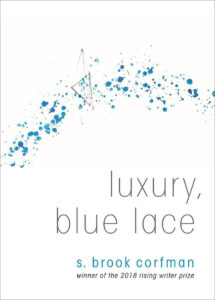
Corfman (they/them) is the author of the poetry collections My Daily Actions, or The Meteorites and Luxury, Blue Lace.

Luxury, Blue Lace by S. Brook Corfman ’13


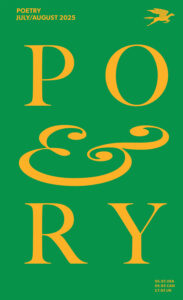
Poetry (July/August 2025) by Bruce Bond ’75Night
Class

By Bruce Bond ’75

We would only get so far,
    given the casualties
buried in each point of view.
  This one, this one, this.
To see them was to smell them.
One by one.
Then we read Wilfred Owen,
  a lyric
  whose anger comes later,
  after the specifics.
Take this face,
  how the penlight of the medic
  pierces the addled eye
    just so far.
  In each a sky so deep
  it swallows up the stars.
  Take this gate,
how it chatters like a telegraph key,
and you wake afraid,
knowing so little of your subject.
The siren
in the distance is no stranger
  anymore.
    It is headed
  for your hospital wing,
  where it could be a while,
  if you are waiting for your son.
We could stare at the wall
  together,
    as some at altars do,
  where the mouths
    of nocturnal flowers
  open to accept,
  as sacrament,
  a bee across the tongue.

Poem first appeared in Poetry (July/August 2025) and is reprinted with permission. Bond has authored 37 books and poetry collections and is an Emeritus Professor at the University of North Texas.

Bookmarks

Barbour, Los escritores y el flamencoLos escritores y el flamenco. La lucha antifranquista (1967-1978)
Tyler Barbour ’09 explores the intersections among Spanish literature, flamenco and the political resistance of the Franco Regime.


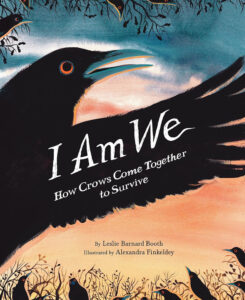
Booth, I Am WeI Am We

Leslie Barnard Booth ’04 delves into the mysteries of crow behavior in this lyrical informational picture book inspired by the urban crows of Portland, Oregon.


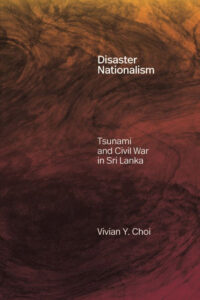
Choi, Disaster NationalismDisaster Nationalism

In this ethnography, Vivian Y. Choi ’01 examines how the 2004 Indian Ocean tsunami fostered new forms of governance and militarization during Sri Lanka’s decades-long civil war.


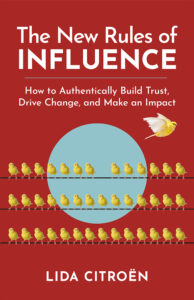
Citroën, The New Rules of InfluenceThe New Rules of Influence

Lida Citroën ’86 guides leaders through a new paradigm of leadership in which authenticity, passion and honesty
are required.


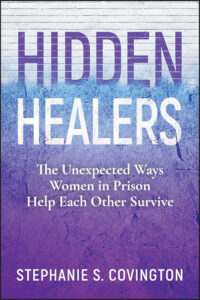
Covington, Hidden HealersHidden Healers

Through her experience providing therapeutic programs to prisoners, Stephanie Covington ’64 gives readers a look inside women’s prisons along with recommendations for change.


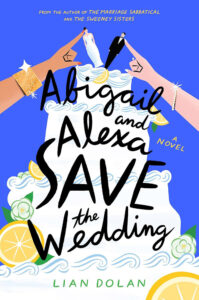
Dolan, Abigail and Alexa Save the WeddingAbigail and Alexa Save the Wedding

Lian Dolan ’87 writes a modern comedy of manners in this novel about two mothers planning their children’s dream wedding in Montecito, California.


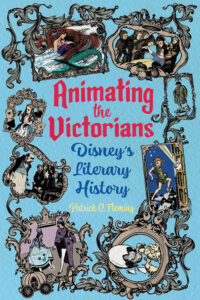
Fleming, Animating the VictoriansAnimating the Victorians

Patrick C. Fleming ’05 traces the links between the Golden Age of children’s literature and Disney films, exploring Disney’s adaptations of Victorian texts.


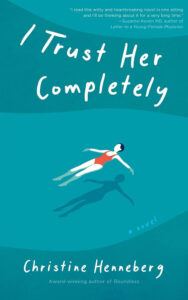
Henneberg, I Trust Her CompletelyI Trust Her Completely

In this debut novel, Christine Henneberg ’05 observes female friendship and 21st-century motherhood alongside themes of abortion and ambition.


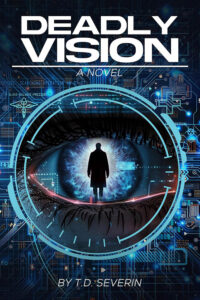
Severin, Deadly VisionDeadly Vision

Todd Severin ’85 crafts a medical and psychological thriller about a revolutionary medical breakthrough and the warring factions in medicine and politics to shut it down.

Book Submissions:

If you’ve had a book published and would like to submit it for inclusion in Bookmarks, please send a review copy to Lorraine Wu Harry ’97, PCM Books Editor, 550 North College Ave. Claremont, CA 91711 or email us.

Alumni Voice: Kristl Tomlin ’05

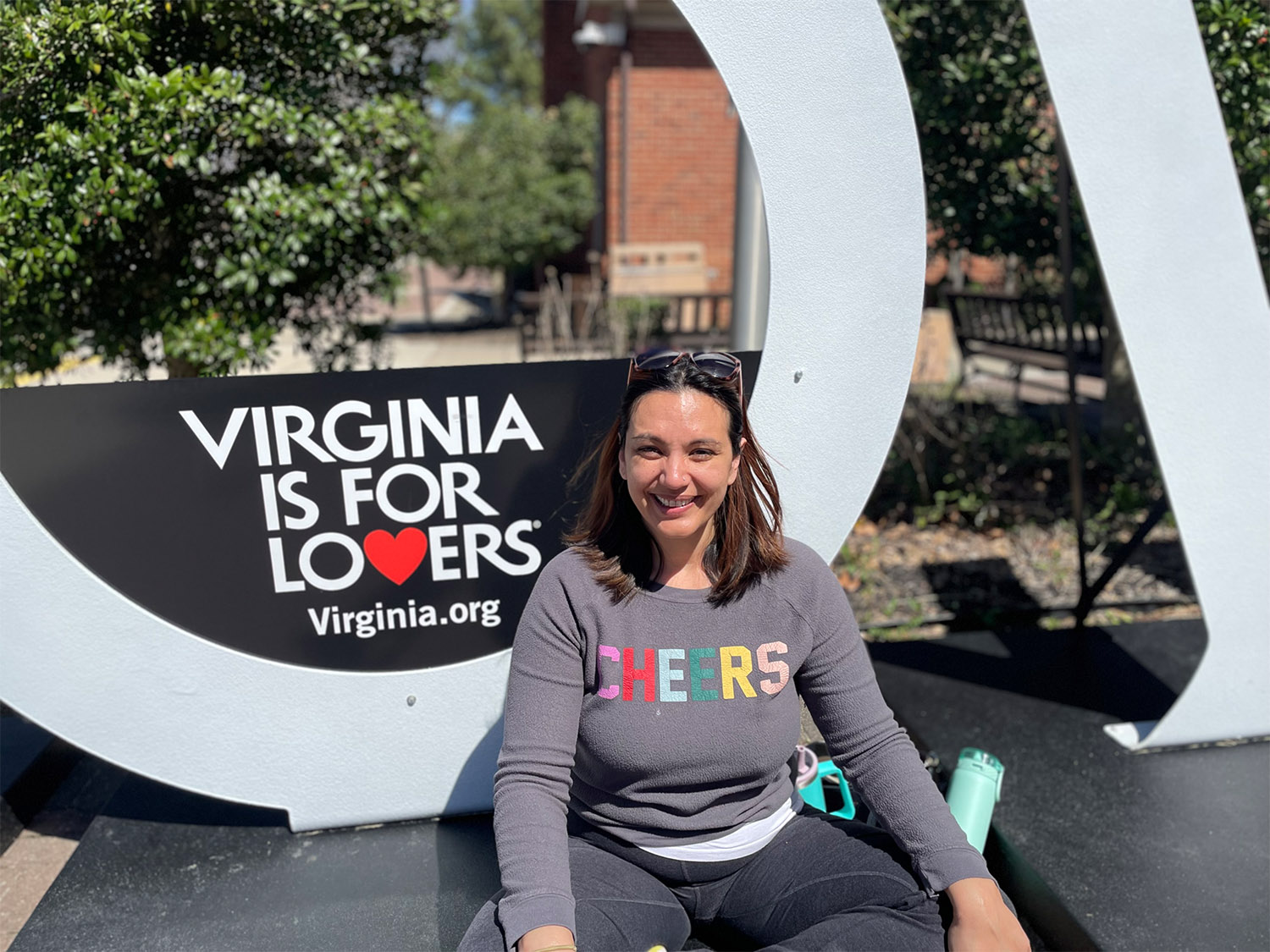
Kristl Tomlin ’05 moved her pediatric and adolescent gynecology practice to Virginia from South Carolina because of that state’s restrictive laws on reproductive rights.

Kristl Tomlin ’05 moved her pediatric and adolescent gynecology practice to Virginia from South Carolina because of that state’s restrictive laws on reproductive rights.

Kristl Tomlin was featured in a pair of New York Times opinion pieces as a “reproductive rights refugee.”

Tomlin, a pediatric and adolescent gynecologist, explained in an article and a separate podcast how the restrictive abortion and contraception laws in South Carolina tragically affected her ability to care for her young patients and forced her to move to another state. She left behind a rewarding practice of seven years in Columbia and a faculty position at the University of South Carolina.

In the post-Roe v. Wade world, 13 states have enacted abortion bans and restricted access to contraception. In South Carolina, abortions at the time were allowed up until a fetal heartbeat was detected by ultrasound, usually about six weeks, with extra time given to victims of rape and incest at 13 weeks.

Tomlin told The Times about two abortions she performed: one for a 12-year-old girl raped at a party by a 15-year-old boy, and a 13-year-old girl who was kidnapped off the streets and repeatedly assaulted.

“There was no ambiguity about it being rape,” Tomlin said. As long as she followed the onerous steps and timelines set up by the state’s Fetal Heartbeat and Protection from Abortion Act, signed into law in May 2023, Tomlin and the lawyers advising her employer thought it would be OK.

But when Tomlin reported the first abortion to law enforcement and the health department, it became clear that it wasn’t. After she gave the required information, the voice on the phone asked a lot of personal questions about the patient and about the doctor herself.

When she reported the second procedure, she was told that a uniformed deputy would be dispatched to the clinic “to talk to her.”

“Oh no you won’t,” Tomlin replied.

“They seemed emboldened to treat me like a criminal,” she told The Times. “And even when an abortion ban has rape and incest exceptions, it is exceedingly difficult to execute them.”

The tightening restrictions in the state laws regarding reproductive rights began almost immediately after the U.S. Supreme Court overturned the constitutional right to abortion in June 2022 with the Dobbs v. Jackson Women’s Health Organization. Many women’s health centers, including abortion clinics where women had often gotten their birth control, closed after the Dobbs decision.

“The week Dobbs was handed down, a 15-year-old was brought to my office for contraception,” Tomlin said. “There was a lot of fear about whether birth control was illegal, and there was a lot of confusion. The girl was crying, her mother was crying, and the grandmother was crying and said, ‘My granddaughter has fewer rights than I did. What kind of world is this?’”

Kristl Tomlin ’05 and Hayden Tomlin out for dinner at Virginia Beach.

Kristl Tomlin ’05 and Hayden Tomlin out for dinner at Virginia Beach.

Tomlin, her husband Hayden and their two daughters packed up and moved to a more lenient health care state, Virginia. Since August 2024, she has been in private practice in Norfolk and is an associate professor of pediatrics and obstetrics and gynecology at Old Dominion University.

“We have been here a whole school year, but haven’t settled in yet,” Tomlin said. “And we all miss our house, the wrap-around front porch, the yearly St. Patrick’s Day parties and the community.

“But I was forced to leave South Carolina so that I could continue to help girls and women,” she said. “It got to the point where it was intolerable and unsafe.”

Women and girls can travel to other states for abortions if they can afford it. But penalties in their home states for that are severe.

“We tend to think regionally, and some might say of the abortion bans, well that’s how they do things in the South,” she said. But the ideas are spreading.

“You might live in California or Maine, but you may not have the rights you think you have for much longer.

“Reproductive health care has never been more vulnerable,” Tomlin said. “The reality is that there are very scary restrictions proposed every day all across the U.S. People need to wake up and fight the fight.”

Amped by the Sun: Musician Alums Charge Ahead with Annual Solar Fest

Skylar Funk ’10

Skylar Funk ’10

Rock festivals like Coachella require massive resources and, thus, end up with enormous carbon footprints. Coachella’s 600,000 daily attendees translate into an estimated net total of 700,000 gallons of diesel over two weekends—or enough gas to power 1,250 cars for an entire year.

Merritt Graves ’20 and Skylar Funk ’10 have spent the better part of a decade trying to play a role in minimizing concerts’ environmental impacts: 2026 will mark the 10th anniversary of their Sunstock Solar Festival, a California-based nonprofit indie-rock festival powered by multiple solar generators. The festival has drawn major rock bands like Ra Ra Riot and Wavves, as well as cumulative crowds of thousands over the years at locations such as Los Angeles and University of California at Berkeley.

Skylar Funk ’10 and Merritt Graves ’20

Skylar Funk ’10 and Merritt Graves ’20

Graves, who was in Funk’s class year but officially graduated 10 years later, met Funk in Pomona’s environmental analysis program. The duo spent much of their college years participating in climate activism and playing music, including in their band Trapdoor Social, which toured with The B-52s and just signed their first record deal.

In 2013, they used crowdfunding proceeds to put solar panels on the roof of the L.A. nonprofit Homeboy Industries, which works with former gang members and ex-convicts. Two years later, they invested in a solar-paneled touring trailer outfitted with a 3.5-kilowatt inverter to power their subwoofers, speakers, amps, instruments and LED lights—which set the stage for not just Sunstock Solar Festival, but participation in environmental rallies like Youth Climate Strike Los Angeles.

This spring, Funk graduated with a master’s degree in popular music teaching and learning from the USC Thornton School of Music. During his time at USC, Funk found his way into its Student Sustainability Committee, and in his second year, worked as its graduate co-chair.

“Sky takes a collaborative, open-minded approach in his interactions with stakeholders, which ensures the students’ perspective is heard,” Chief Sustainability Officer Mick Dalrymple recently told USC Today. “He also leads students to propose well-researched solutions rather than taking the simpler route of voicing concerns. Through this added value, along with demonstrating persistence, Sky helps the students earn respect and accomplish their long-term sustainability goals.”

Graves is now a fiction writer, while Funk hopes to continue to integrate sustainability themes into his music teaching. As he told USC Today, “I’m in search of kernels of wisdom and knowledge that we can use to find that magical recipe for [climate] action.”