Articles Written By: jori2025@pomona.edu

100 years of the Claremont Colleges: an athletic timeline

A century ago a team of administrators at Pomona launched a second school next door and named it the Graduate School of Claremont Colleges. Now known as Claremont Graduate University, it kickstarted the birth of the consortium and a completely new era for Pomona—and sports were no exception. Here’s a brief timeline of athletics at the Claremont Colleges.

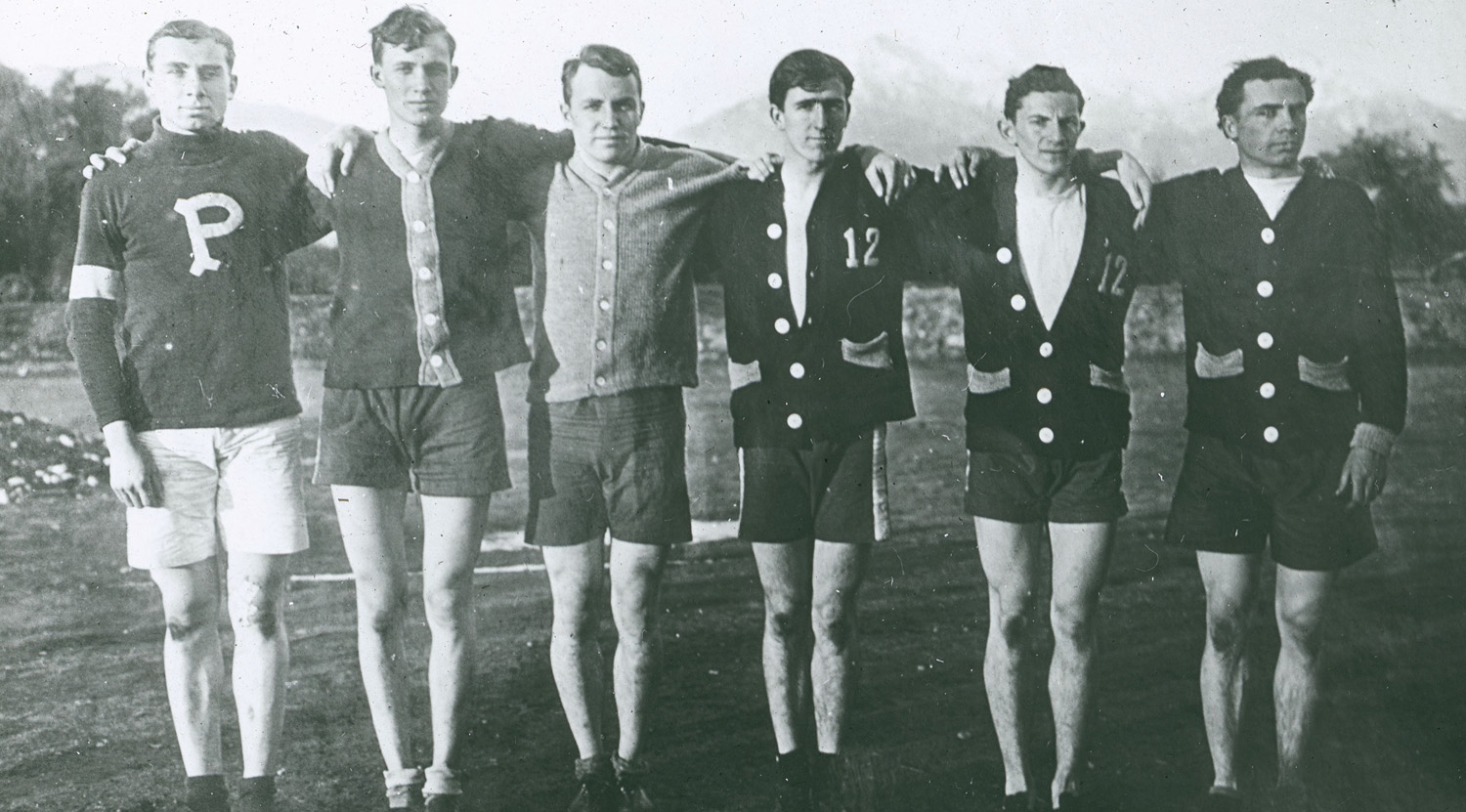
Pomona's 1911 track team

Pomona’s track team, 1911

1895: Pomona forms teams in football, baseball and track to compete against other West Coast institutions. For more than 50 years Pomona uses multiple nicknames interchangeably, including the Sage Hens, the Huns, and the “Blue and White.”

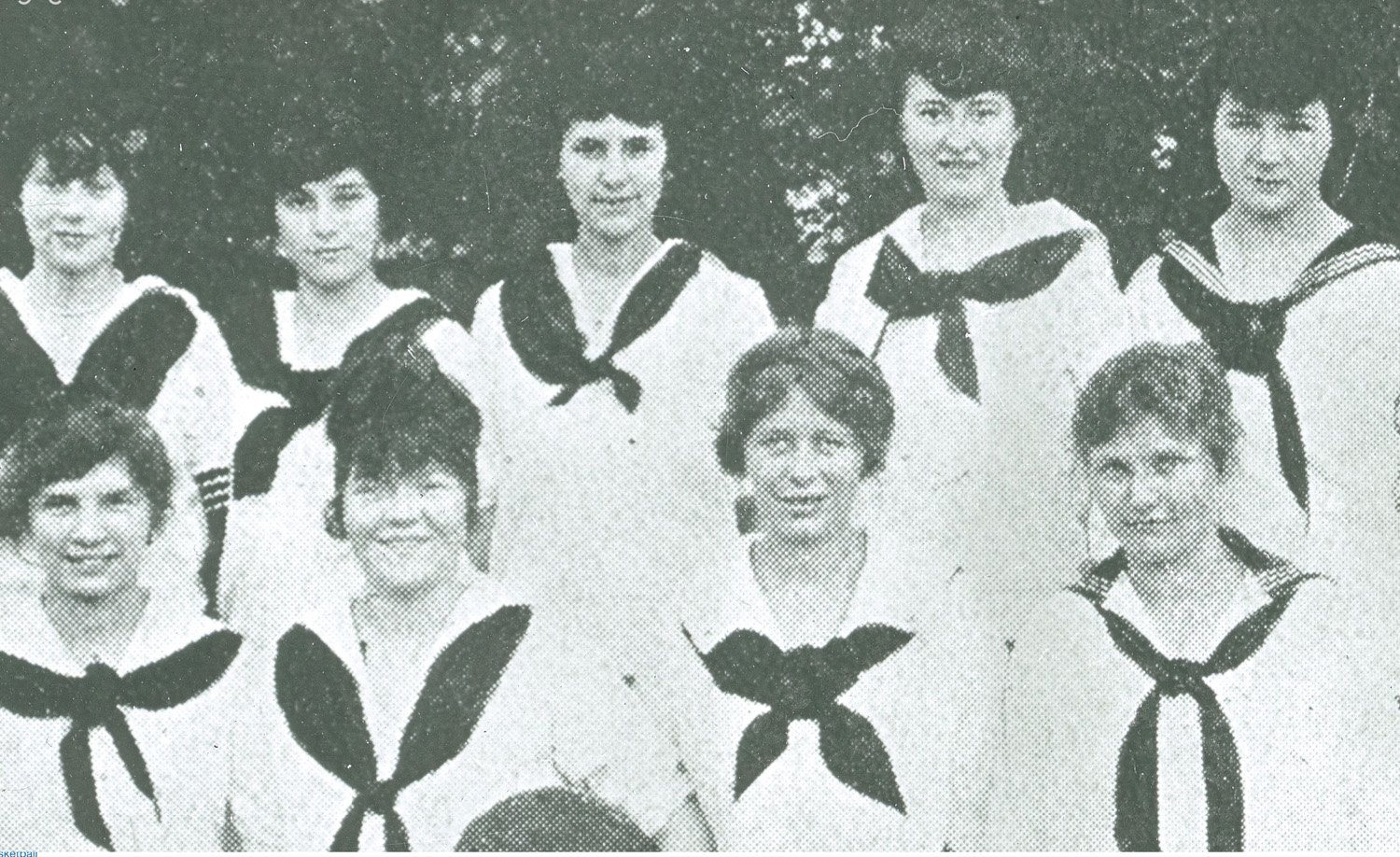
One of Pomona's first women's basketball teams

One of Pomona’s first women’s basketball teams

1903: Pomona introduces the sport of women’s basketball to Southern California colleges with the region’s first team, three full years before the formation of the men’s team

1914: Pomona becomes a founding member of the Southern California Intercollegiate Athletic Conference (SCIAC).

1946: Pomona starts competing with the new “Claremont Men’s College” (now CMC) as the Pomona-Claremont Sagehens.

1958: Claremont Men’s College separates from Pomona athletically, combining with Harvey Mudd College to become the “Claremont-Mudd Stags.”

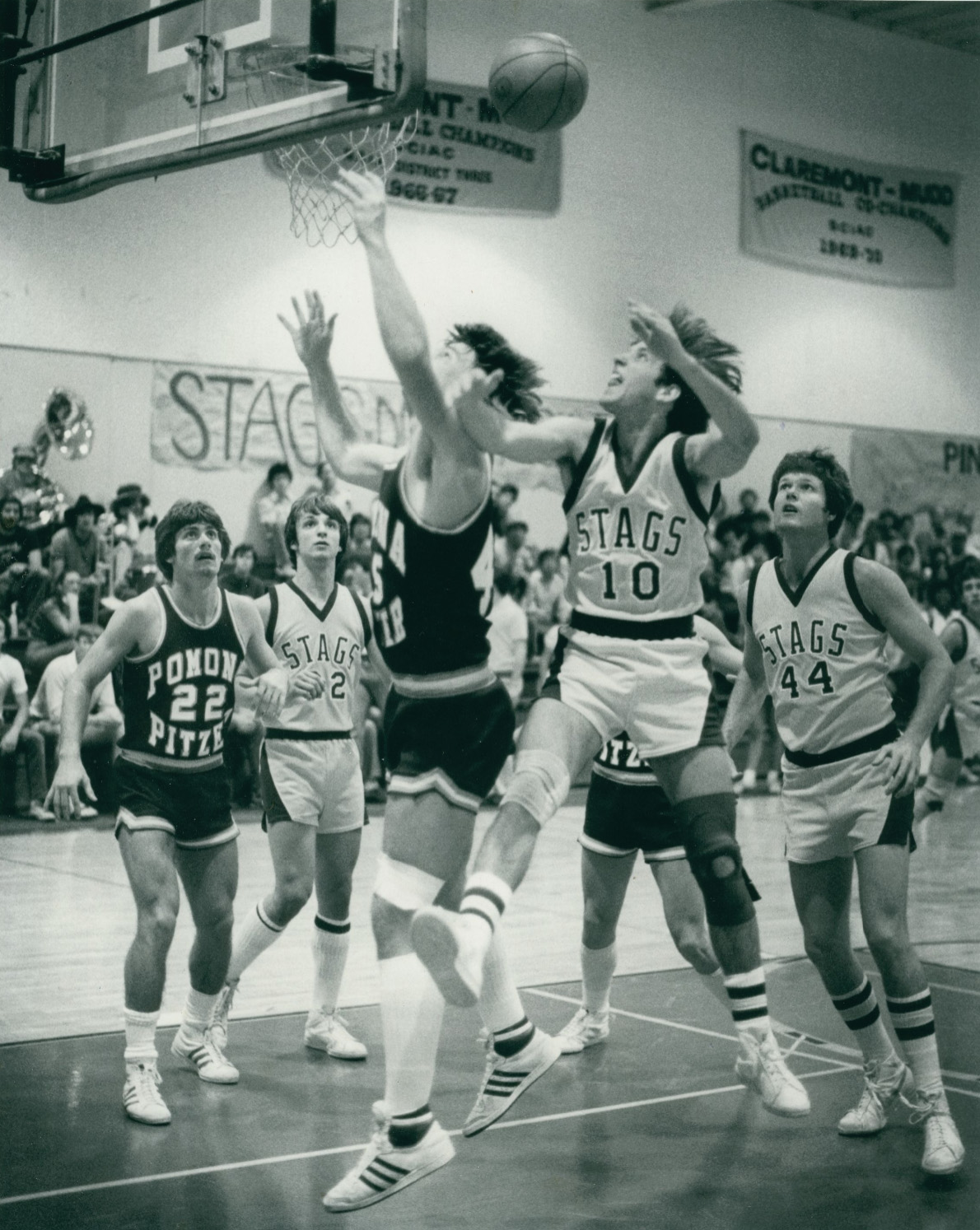
Pomona-Pitzer and CMS face off on the basketball court, year unknown

Pomona-Pitzer and CMS face off on the basketball court

1970: Pomona joins with Pitzer to become the Pomona-Pitzer Sagehens.

1976: SCIAC starts sponsoring women’s sports, leading Scripps to join Claremont-Mudd to become Claremont-Mudd-Scripps, with the nickname of the Athenas for women’s teams.

New Federal Grants for Faculty Research

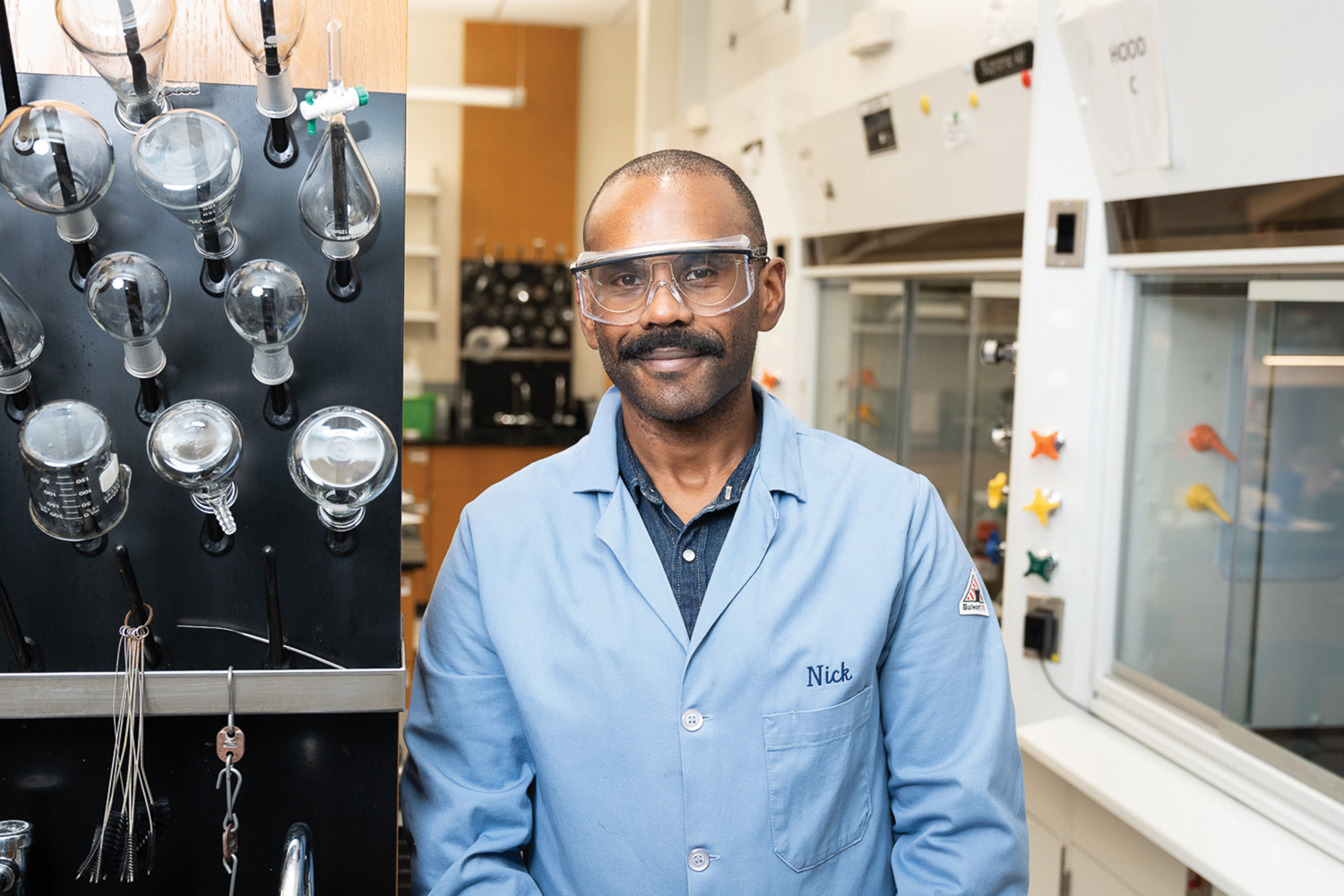
Nicholas BallA grant enabling a three-year extension in a project from Associate Chemistry Professor Nicholas Ball to develop new methods to introduce key structural motifs into bioactive molecules relevant to public health. Ball is leading research collaborators Maduka Ogba at Harvey Mudd College and Christopher am Ende at Pfizer Inc. and Connecticut College.

“The discovery of new and better drugs to treat disease is incredibly important,” Ball says. “Our contribution is to find more efficient ways to build molecules that could have the potential to heal through synthetic chemistry.” ($428,024 from the National Institutes of Health)

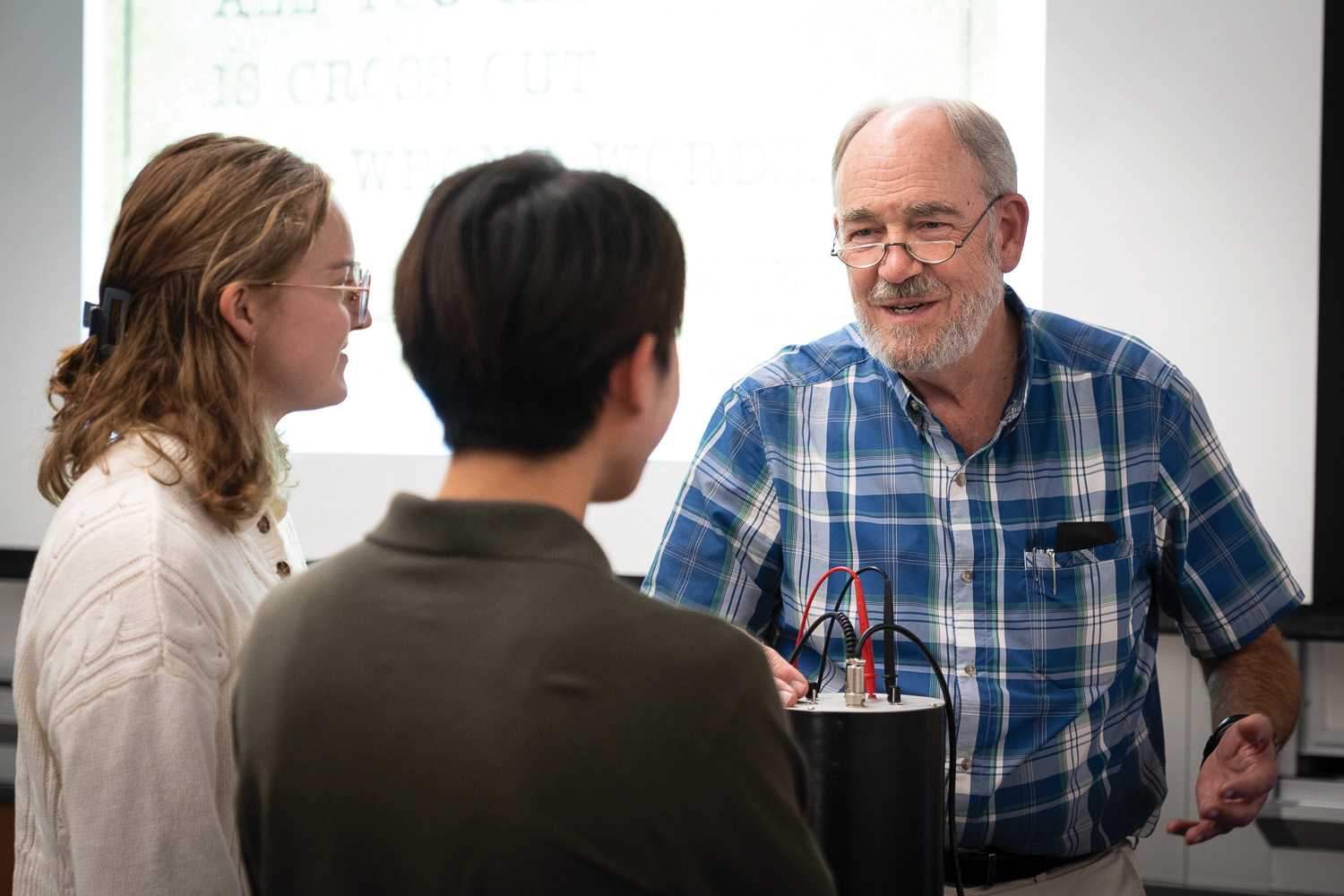
Richard MawhorterPhysics Professor Richard Mawhorter’s project employs experimental approaches to move beyond the standard model of physics through the precision measurement of molecules cooled to ultracold temperatures. He will conduct the project in conjunction with Emory University Professor Michael Heaven, who is also receiving NSF funding.

“We are looking forward to working side-by-side with Emory graduate students and postdoctoral researchers to study the hyperfine energy level structure and bonding patterns of simple molecules containing the rare earth element ytterbium (Yb),” Mawhorter
says. ($150,978 from the National Science Foundation)

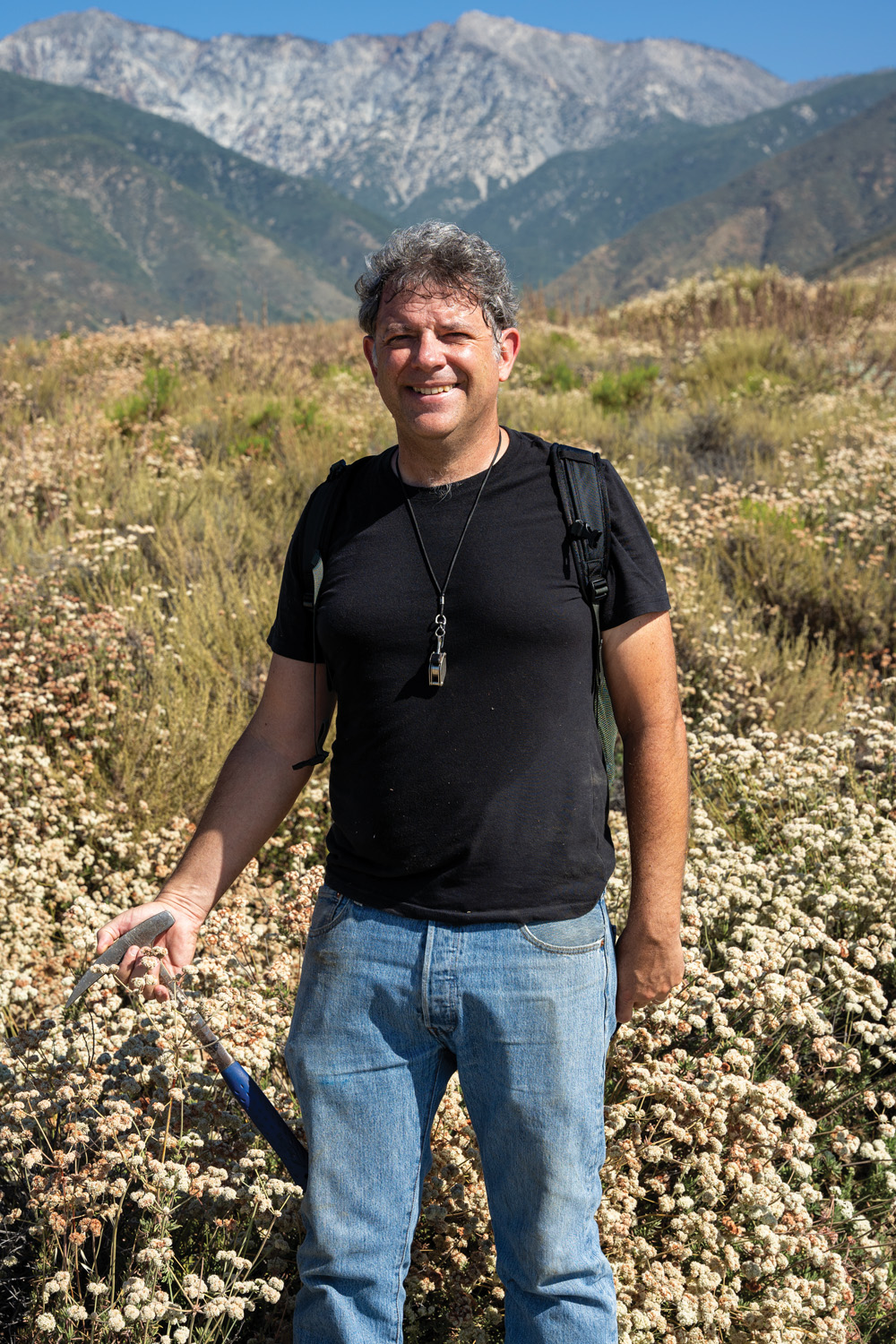
Jade Star LackeyGeology Professor Jade Star Lackey’s project—a collaboration with researchers at Florida State University—focuses on high-pressure and high-temperature decarbonation of marble and calc-silicate rocks that have been exposed by erosion into the deep lower crust of the Sierra Nevada mountains.

“The work [gets] at the core question of how much carbon dioxide is naturally driven from Earth’s crust when Earth’s magmatic activity flares up,” Lackey says. “The Cretaceous magmas ‘baked’ carbon dioxide back into the atmosphere and caused natural global warming. We’re studying what that ‘baking’ process looked like in the deepest levels of the Sierra Nevada.” ($86,902 from the National
Science Foundation)

Konrad AguilarAssistant Professor of Mathematics and Statistics Konrad Aguilar’s grant supported the 2025 edition of the West Coast Operator Algebras Symposium (WCOAS), which was held in December at Pomona. The conference showcased current trends in operator algebra theory and applications to other fields, including ergodic theory, number theory, representation theory and mathematical physics.

The WCOAS had been on hiatus since 2019, and Aguilar says that it is “meant to present the state-of-the-art of Operator Algebras and bring in researchers from many career levels to foster collaboration and new connections with other fields.” ($16,000 from the National Science Foundation)


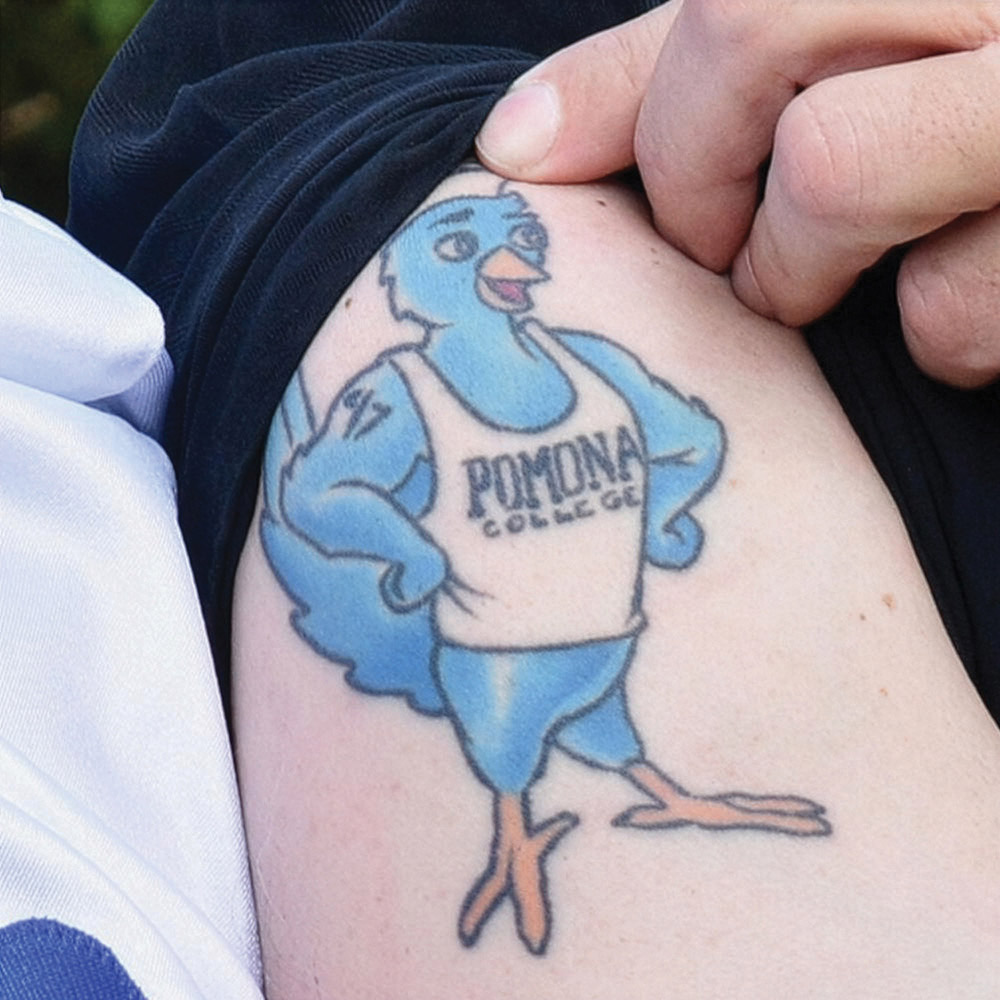
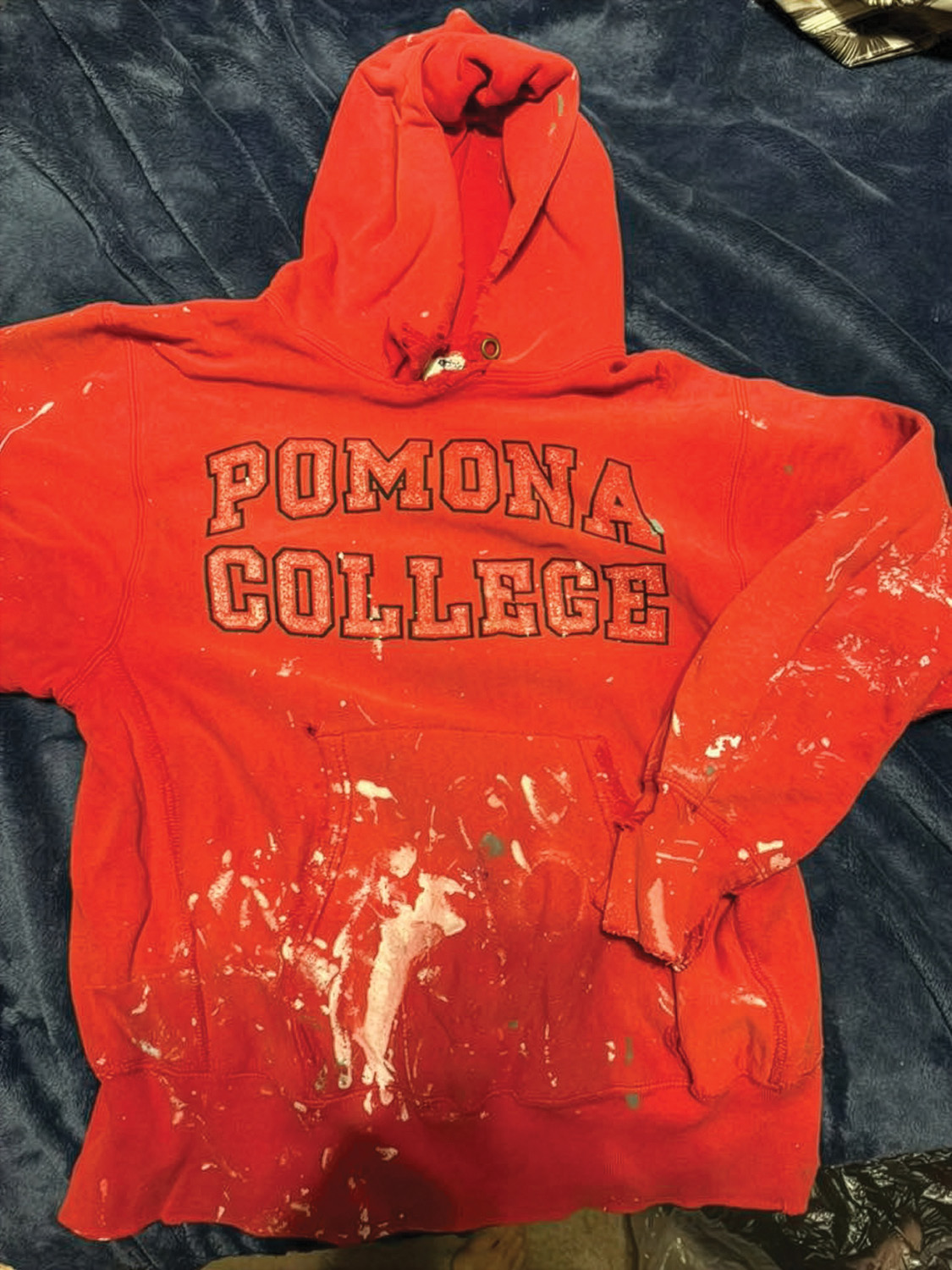
What’s your most treasured Pomona memento?

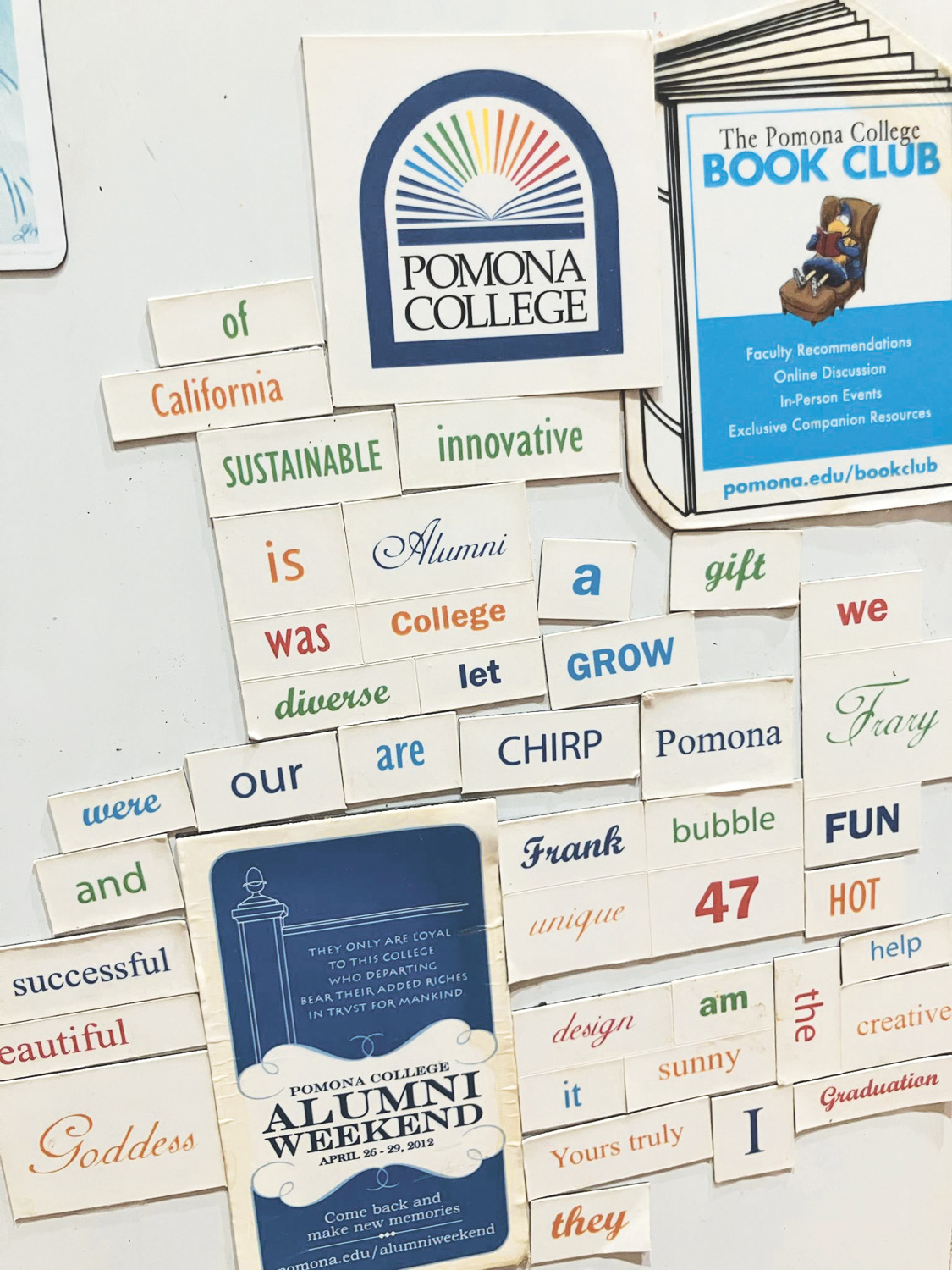
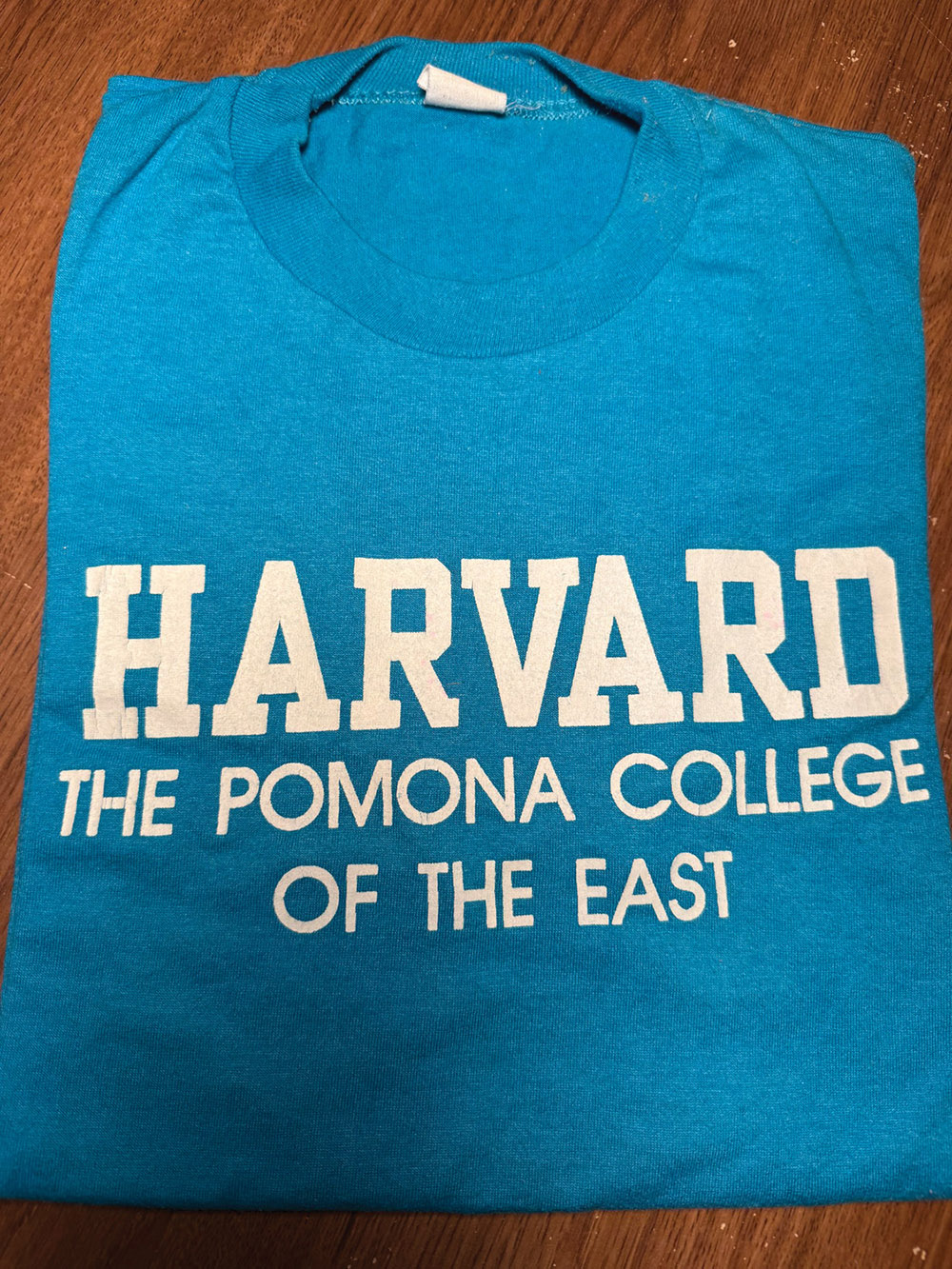
On Facebook this fall, we asked alums to share about a Pomona memento that they still have, that gives them a little mood-boost whenever they see it. Roughly 80 of you posted comments and ideas on the thread. Here are a few of the highlights!

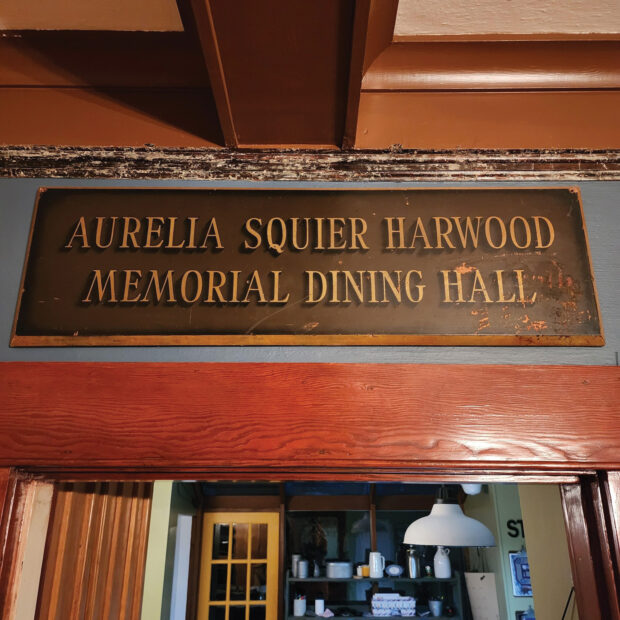
Harwood Hall sign


Discover more on our Pomona Facebook group.

Where Head Meets Heart

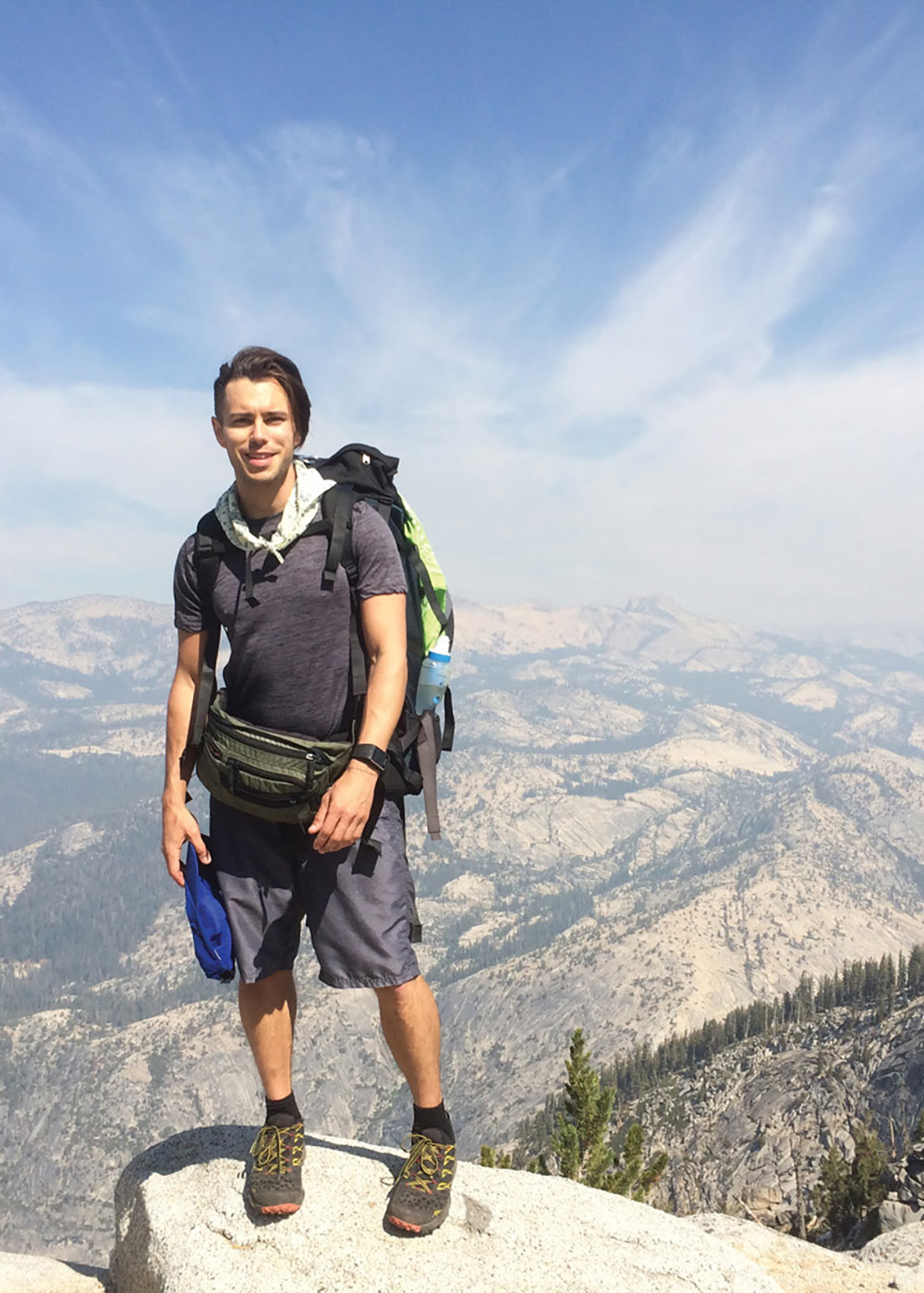
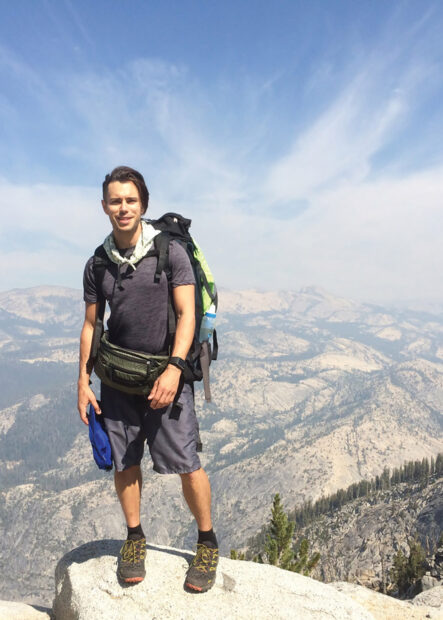
Ryan Kotaro Meher ’05in Yosemite National Park

Ryan Kotaro Meher ’05, who died in 2024, pictured hiking through Yosemite National Park, a landscape that mirrors his lifelong pursuit of challenge and discovery—a spirit now honored through a Pomona College scholarship bearing his name.

Ask those who knew him, and they’ll tell you: Ryan Kotaro Meher ’05 was an eternal optimist—a Renaissance thinker rooted in the humanities and unafraid of the new.

To him, science and technology were never the destination—they were tools to uplift and serve others. Now, his legacy of compassion, curiosity and connection lives on through a newly established scholarship at Pomona College, created to support future students who share those same values.

At Pomona and across The Claremont Colleges, Meher paired head and heart, standing out for his ability to bridge worlds between disciplines and people. He sampled widely, from comparative religion and the spirituality of yoga to media studies and computer science. He became a resident assistant at Smiley Hall and was known for learning everybody’s name. His father, Rich, says there were many calls home during which Meher paused mid-sentence to greet passing friends or wave out of his ground-floor residence hall window.
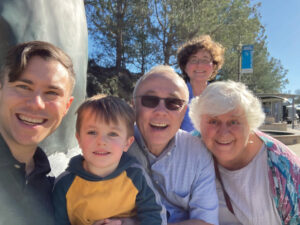
Meher family in Germany

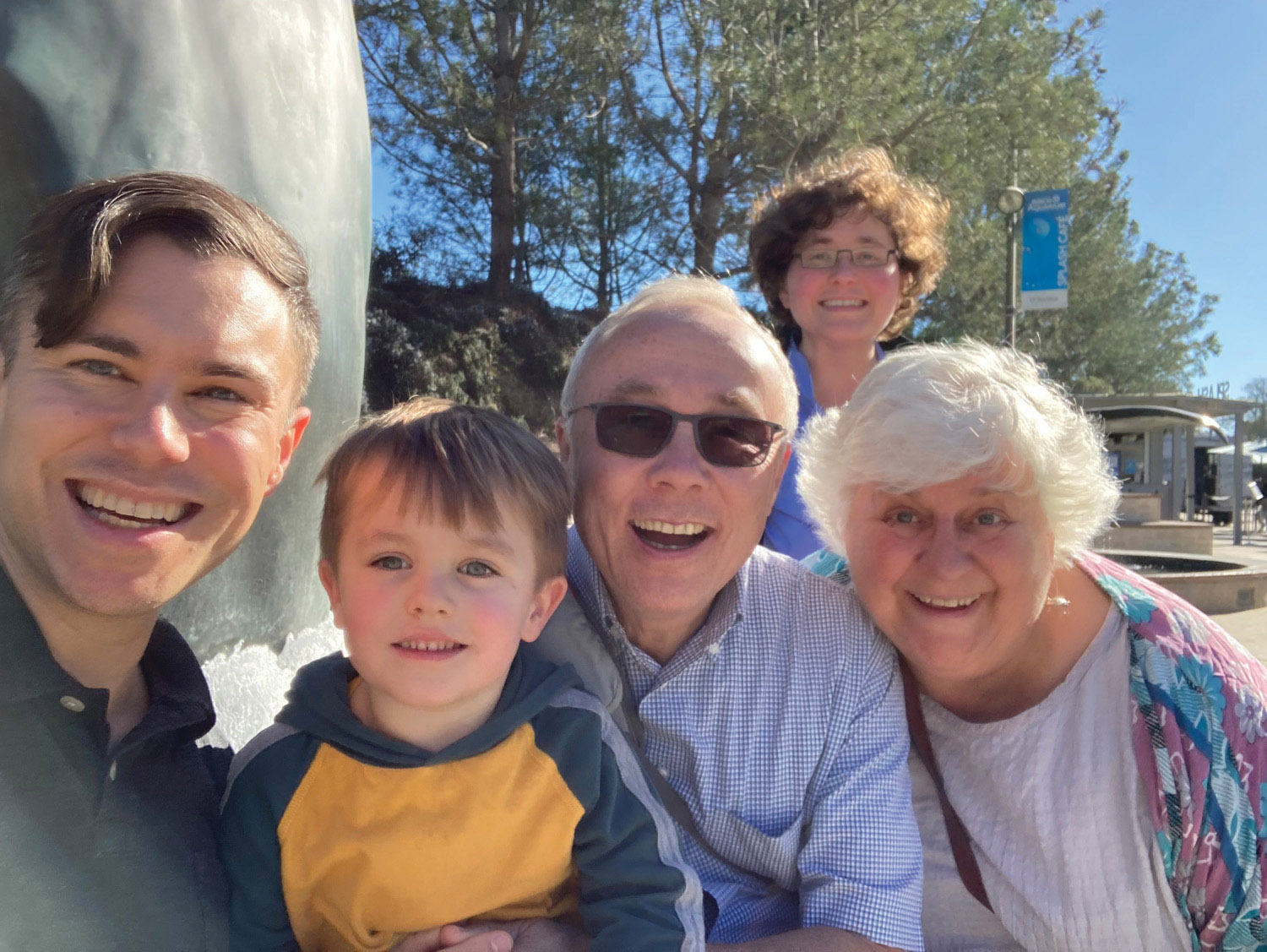
The Meher family—Ryan and his son, Atreyu; his parents, Rich and Ramona; and his sister, Robin—share a lasting bond. That connection, along with Ryan’s enduring ties to Pomona, inspired a gift that honors his life and legacy.

Ramona Meher, Ryan’s mother, sees this openness as an outgrowth of his character and education. “Partly it was Ryan’s nature,” she says. “And partly it was Pomona, which emboldens its students to become the best versions of themselves.”

After graduating in 2005, Meher went on to braid together a life of intellect and service. In Chicago, he taught video game design to teens at Alternatives, a nonprofit supporting youth with limited access to resources. His students not only learned to code and create playable games but also used early QR tools to map out where to find fresh food in their neighborhoods. All the while, he never stopped pursuing new knowledge.

“Quantum physics, neurobiology, the microbiome—you name it, he was always learning,” says his sister, Robin Meher. “If we ever had a question about anything, Ryan could break it down in a way that made sense. He was brilliant, yet humble. He spoke to people’s souls.”
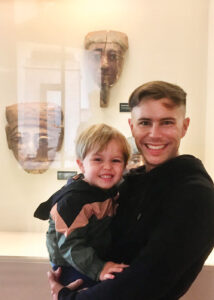
Meher and his son Atreyu

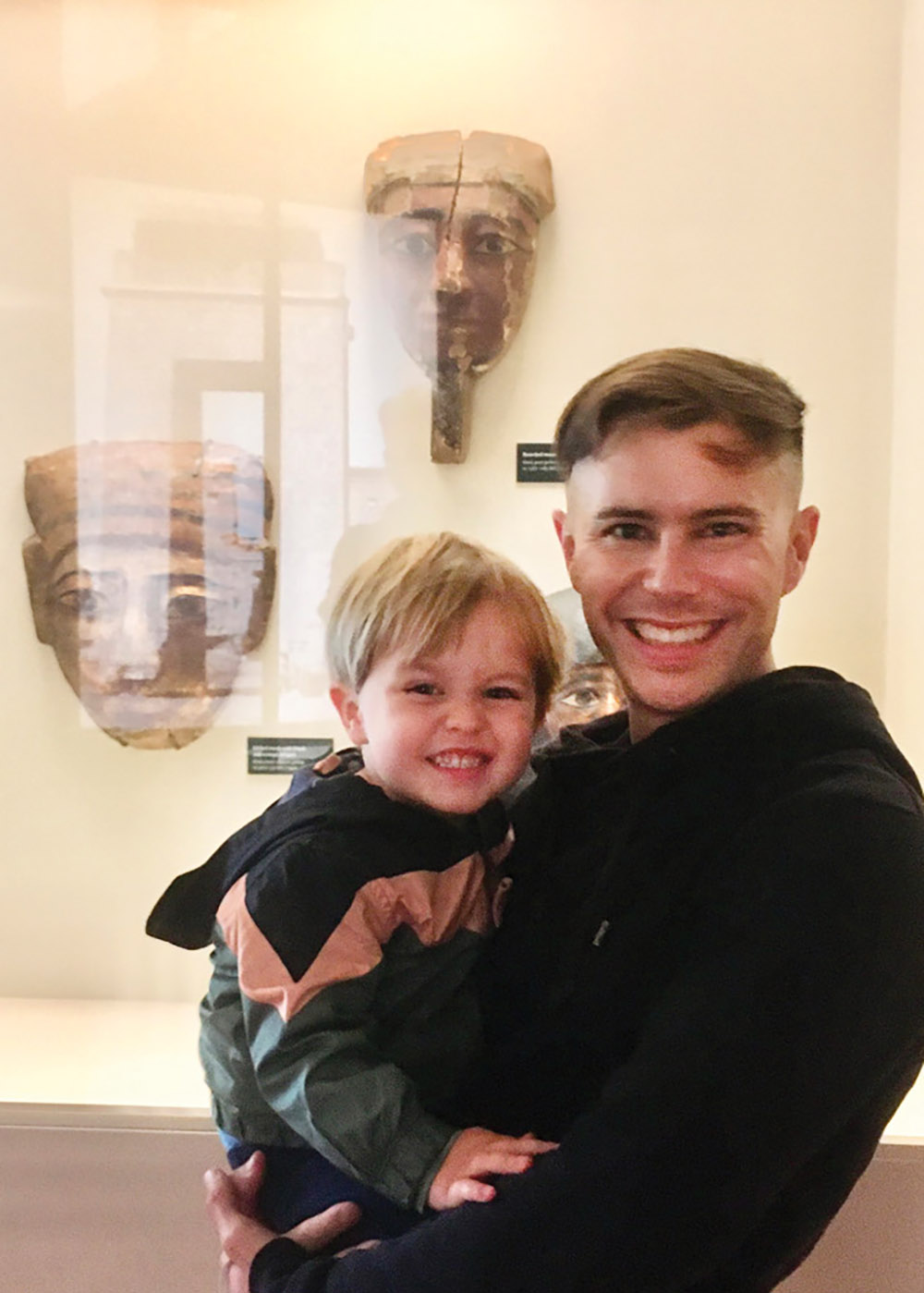
Meher and his son, Atreyu, enjoyed exploring the Benton Museum of Art during a visit to Pomona.

At home, Meher was a devoted husband and father. He delighted in his young son’s curiosity, trading dinosaur talk for Greek mythology, sketching DNA strands for fun and encouraging big questions about the world. In Meher’s free time, he chased adventures, running the Chicago Marathon, climbing in Yosemite National Park and gathering with Pomona alumni in Joshua Tree.

“Pomona is magic in the way it connects people,” Rich Meher says. “Those friendships meant the world to Ryan, and they never stopped showing up for one another.”

When Ryan Meher passed away unexpectedly at the age of 42 in August 2024, his family sought a way to honor him. The result was the creation of a scholarship in his name, designed to support Pomona students who are intellectually bold, socially conscious and committed to building community wherever they go.

“Ryan Kotaro Meher’s life is a beautiful reflection of what we hope for every Pomona graduate—a mind alive with curiosity and a heart open to others,” Pomona College President G. Gabrielle Starr says. “We are profoundly grateful to the Meher family for honoring Ryan in a way that will open doors for future students.”
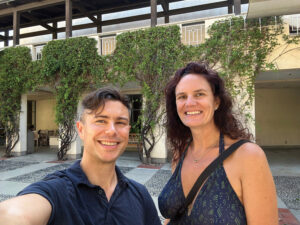
Ryan Meher and Elizabeth Uslander

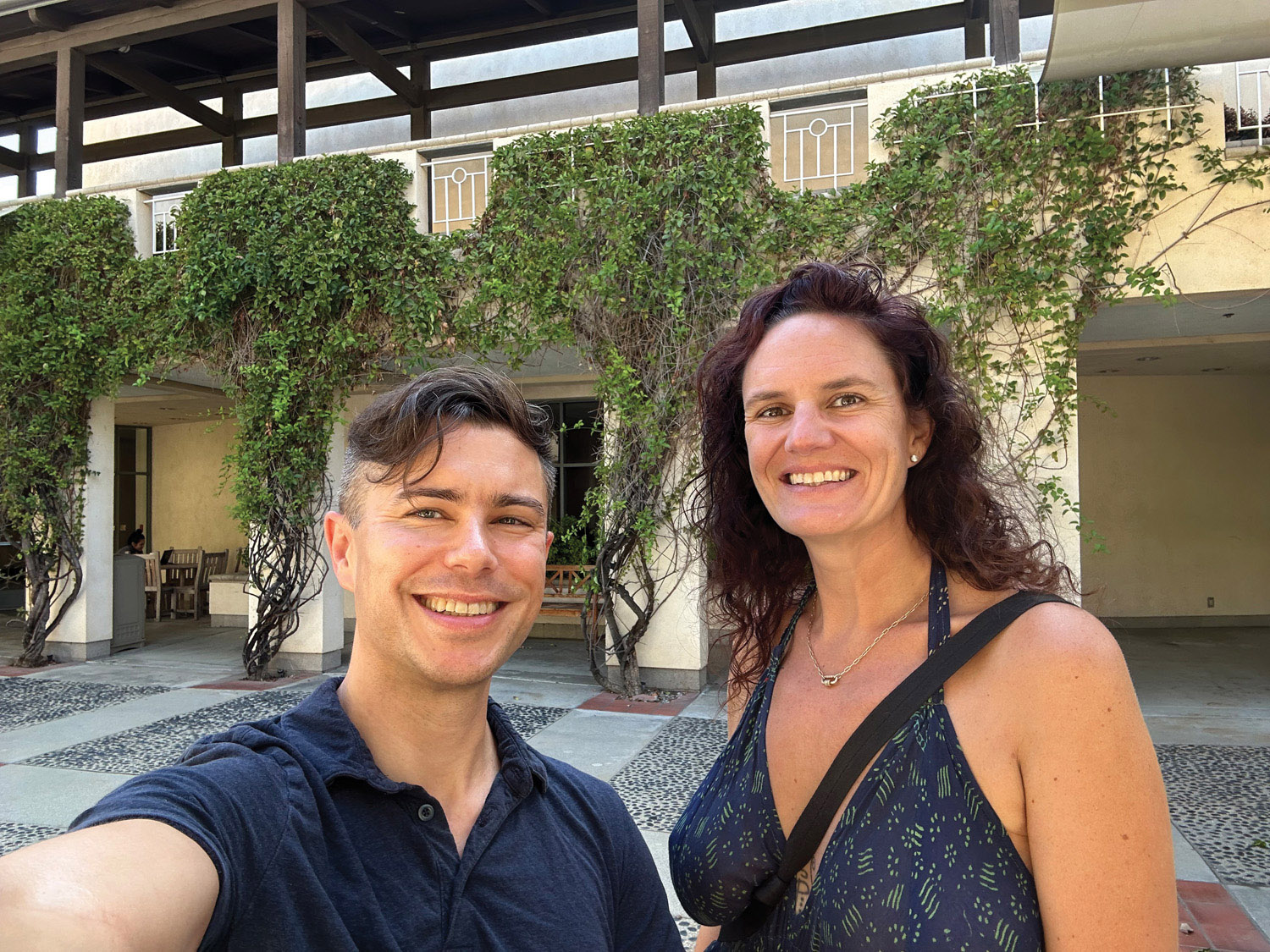
In the Seaver Theatre courtyard, Meher reconnects with a former classmate, Elizabeth Uslander, during a visit back to campus.

In an era when the value of the liberal arts is often questioned, the family says they see this scholarship as both a tribute and a statement. “STEM matters, but not without the humanities,” Rich Meher says. “What makes us human—our ethics, empathy and imagination—should hold everything else. Pomona nurtured that in Ryan, and we want that to continue for generations to come.”

If there was a common thread running through Meher’s life, it was inclusion. Robin Meher says that her brother carried a rare empathy for those overlooked or misunderstood, and he made it his mission to notice and uplift people on the margins. That is the spirit they hope future scholarship recipients will inherit.

“You never know what will help you—or help someone else—on the day it matters,” says Ramona Meher.
Please visit the Ryan Kotaro Meher ’05 Scholarship Fund to make a contribution. To learn more about establishing a scholarship, contact Kyle Davis, senior director of development, at Kyle.Davis@pomona.edu or (909) 607-4213.

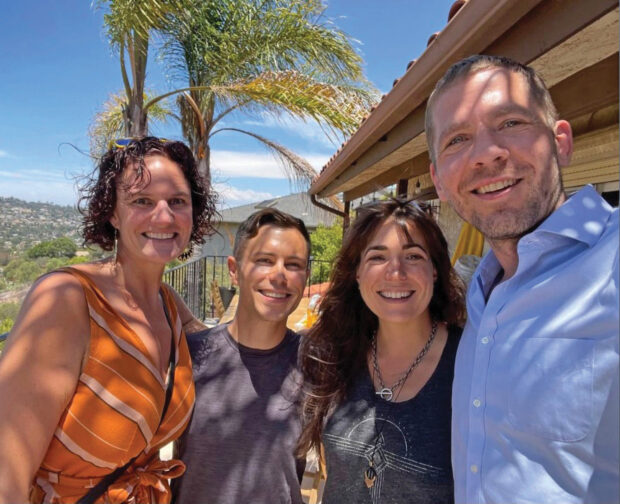
Ryan Meher and friends

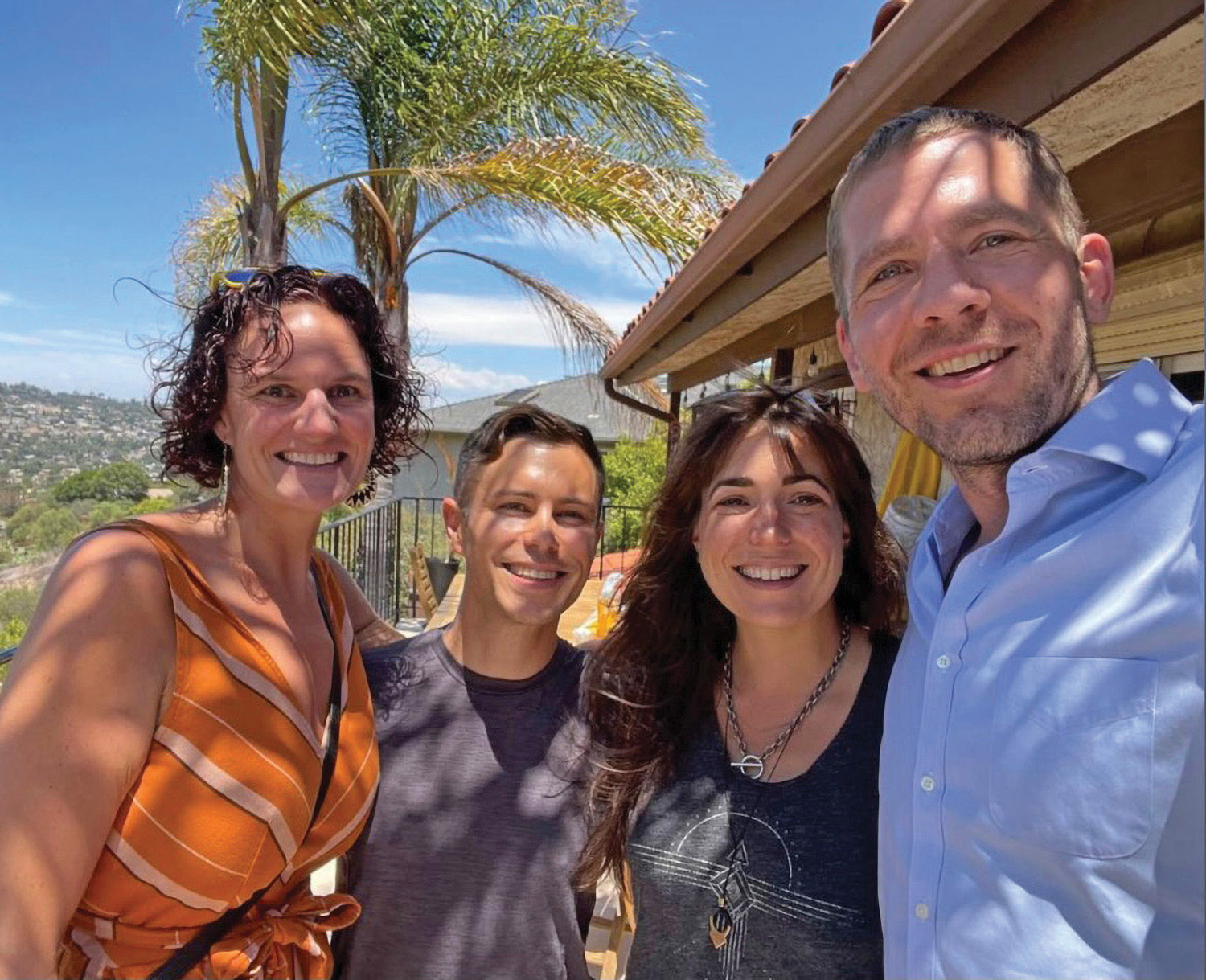
Meher’s Pomona friendships lasted through the decades— (from left) Elizabeth Uslander, Ryan ’05, Whitney Stubbs ’04, Michael Owen ’05 in San Diego, Calif.
Got a Challenging Colleague? New Faculty Book Aims to Improve Interpersonal Conflict

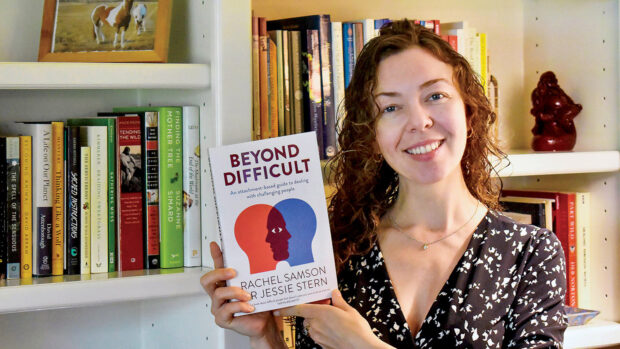
Jessica Stern ’12 and her book, Beyond Difficult: An attachment-based guide to dealing with challenging people. Last summer Assistant Professor of Psychological Science Jessica Stern ’12 published Beyond Difficult: An attachment-based guide to dealing with challenging people. An expert in attachment theory, close relationships and child development, Stern spoke with PCM about how she hopes the book will help readers.



Who is this book for?

It’s for anybody who has had a difficult relationship—whether that’s in your family life, dealing with a difficult kid as an educator or as a parent, or navigating difficult work relationships. Most [of us] have had at least one relationship where we wished we had a guide we could pull out and say, “What do I do?” We wanted the book to be accessible, even to people who had never read a research paper before. We wanted them to know that there’s a fascinating science of how to build stronger marriages, friendships and workplace relationships.

You spend a lot of time focusing on highly sensitive and neurodivergent people. Why do you highlight these two groups?

These groups are often misunderstood and mislabeled, either as a bad kid or as a difficult adult. Everybody’s nervous system is wired a little bit differently [and] is not something we can change. But what we can do is provide a supportive environment that doesn’t overstimulate these kids so that they either act out or shut down. The same principle is true for adults—understanding that the person next to you might be more reactive to the context that they happen to be, we might look at the environmental circumstances that [lead] them to act in this way.

We also look at people’s relationship histories and attachment style. One major reason behind difficult behavior is that someone is feeling threatened, insecure or triggered. Usually that comes from a place of not having had secure, safe relationships as a child or as an adult. One nice thing about that framework is, first, it inspires a little bit more compassion, rather than combativeness, toward the person. But second, there are certain strategies that we can then use to help the relationship feel safe enough that the person can calm down and have a constructive conversation.

Secure vs. Insecure Attachment Styles

How did you and your co-author team up for this book?

Rachel [Samson] is a clinical psychologist in Australia. She and I met at a professional training many years ago and discovered that we had similar interests, but I was doing more of the scientific work and she was putting those ideas into practice with clients. It’s very easy for me, as a researcher, to say, “Here’s what people should do” in theory, but it’s a very different thing to be a practitioner who’s seen it in action with real people.

The book is divided into three parts. The first part is about understanding difficult behavior: getting a better grasp of what’s really going on when someone rubs you the wrong way. The second part is about working on oneself. Based on your own temperament and attachment style, what are the things that you’re bringing to this interaction that you can strengthen or improve? Part three is about the relationship. How do you strengthen it? What are specific things that you can do, like giving feedback in an effective way, not letting things stew? And what do you do when another person is just not going to change?


Bookmarks

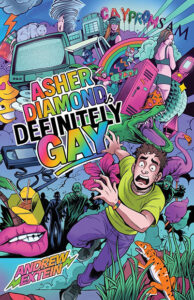
Andrew Extein ’07 novelIn his debut YA novel, Andrew Extein ’07 tells the angsty story of a bullied straight teenage boy who comes out as an act of retribution.


Greg Hickey ’08 novelThis sci-fi crime novel by Greg Hickey ’08 follows a private detective hired by a space tech CEO to investigate a rival for illegal hydrocarbon combustion.


Garrett Hongo ’73 poemsThe fourth book of poems by Garrett Hongo ’73 draws inspiration from Hongo’s life journey and weaves in memories of various shorelines.
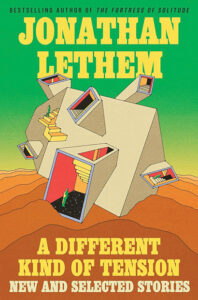

Prof. Jonathan Lethem’s short storiesThis collection of Prof. Jonathan Lethem’s short stories spans 35 years of writing, serving as a career survey and retrospective.
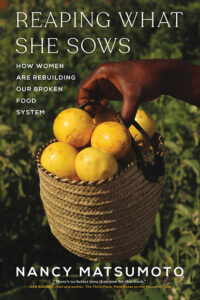

Nancy Matsumoto ’80 bookNancy Matsumoto ’80 reports on women who are building local and regional supply chains, offering the reader a blueprint for eating sustainably.
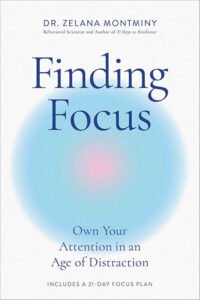

Zelana Montminy ’04 bookZelana Montminy ’04 explains the science behind focus and distraction and gives strategies to control our attention and improve our mental clarity.
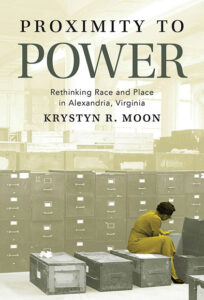

Krystyn Moon ’97 bookKrystyn Moon ’97 examines the history of Alexandria’s African American community, focusing on its relationship with the federal government.


Ginny Kubitz Moyer ’95 novelIn this work of historical fiction, Ginny Kubitz Moyer ’95 tells the coming-of-age story of a young seamstress living in San Francisco during World War II.
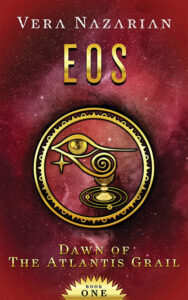

Vera Nazarian ’88 novelA deadly asteroid is about to strike Atlantis in this prequel to The Atlantis Grail fantasy series by Vera Nazarian ’88.
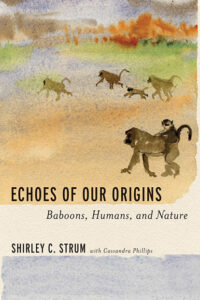
Cassandra Phillips ’72 book

Version 1.0.0

co-authors this chronicle of a primate scientist’s 50-year journey living among and studying baboons.

Book Submissions:

Book Submissions: If you’ve had a book published and would like to submit it for inclusion in Bookmarks, please send a review copy to Lorraine Wu Harry ’97, PCM Books Editor, 550 North College Ave. Claremont, CA 91711 or email us at pcmbooks@pomona.edu.

They Got Mail

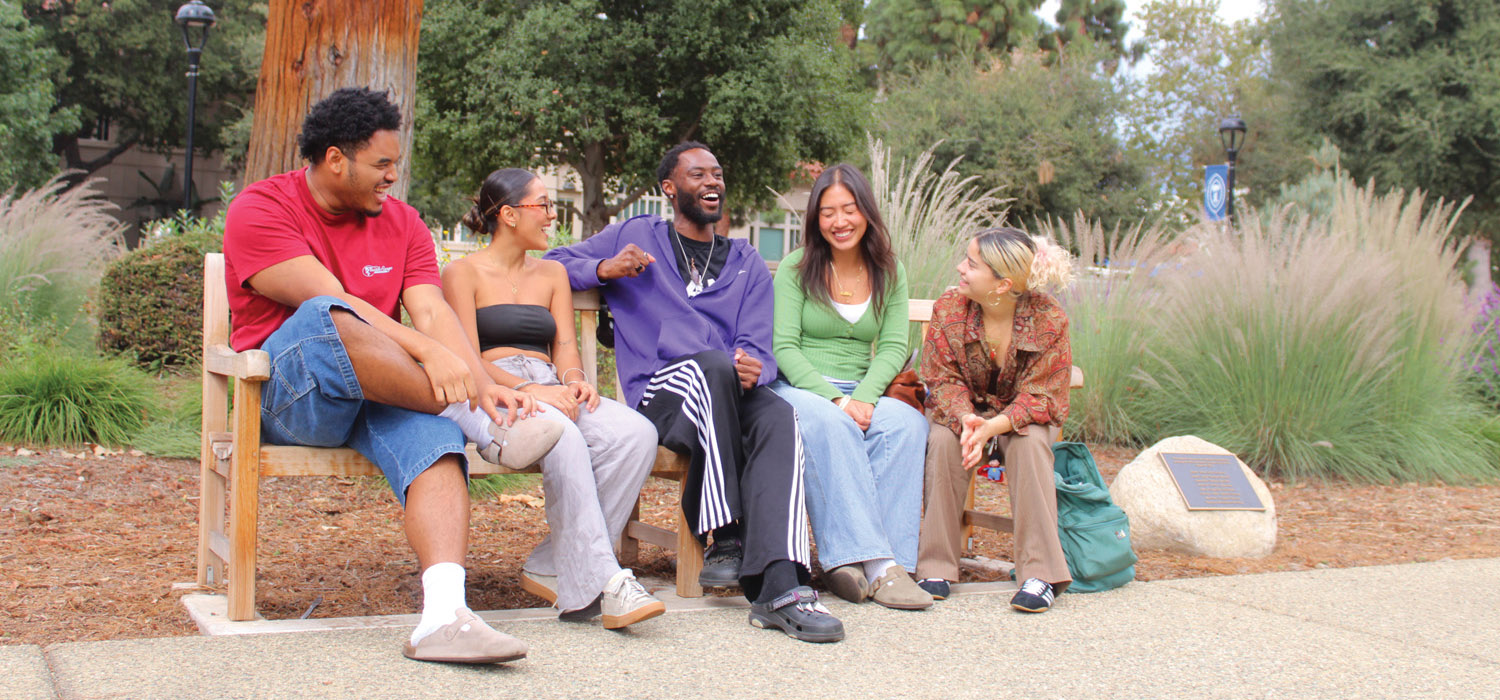
Students on Round Robin group bench

The Round Robin bench in Marston Quad offers a place for current students to build connections much like the ones that bind the 1957 classmates. Photo by Jeremy Mitchell ’27

The first letters eight classmates wrote to each other after graduating from Pomona College cost only three cents to mail. Today, the stories they’ve exchanged by post for the past 60 years are priceless.

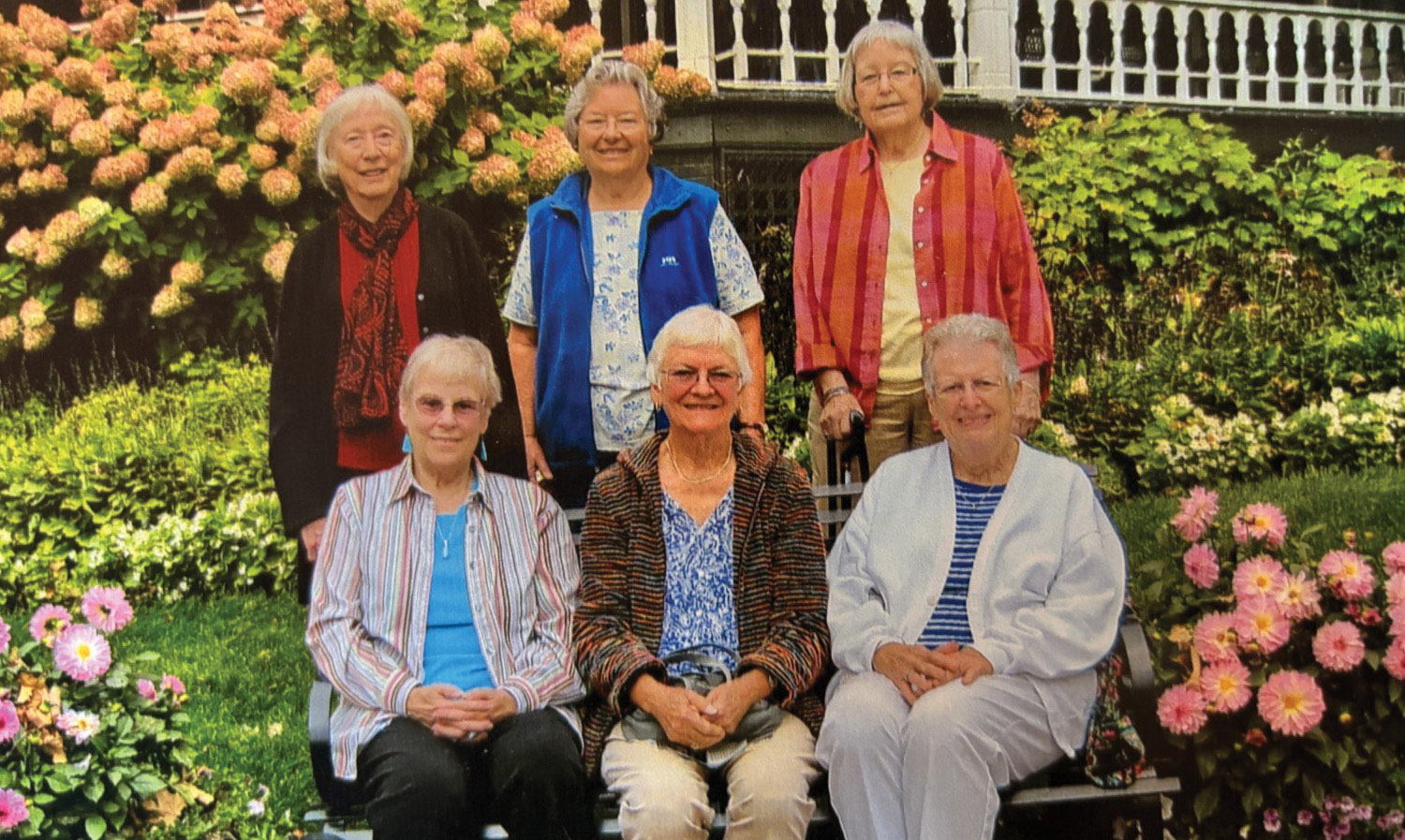
Round Robin group

Pomona alumnae captured the evolution of their lives in letters, which became a kind of collective journal. “It was our way of saying: Here’s where I am, and here’s what matters to me,” Mary Furgerson Brubaker ’57 said.

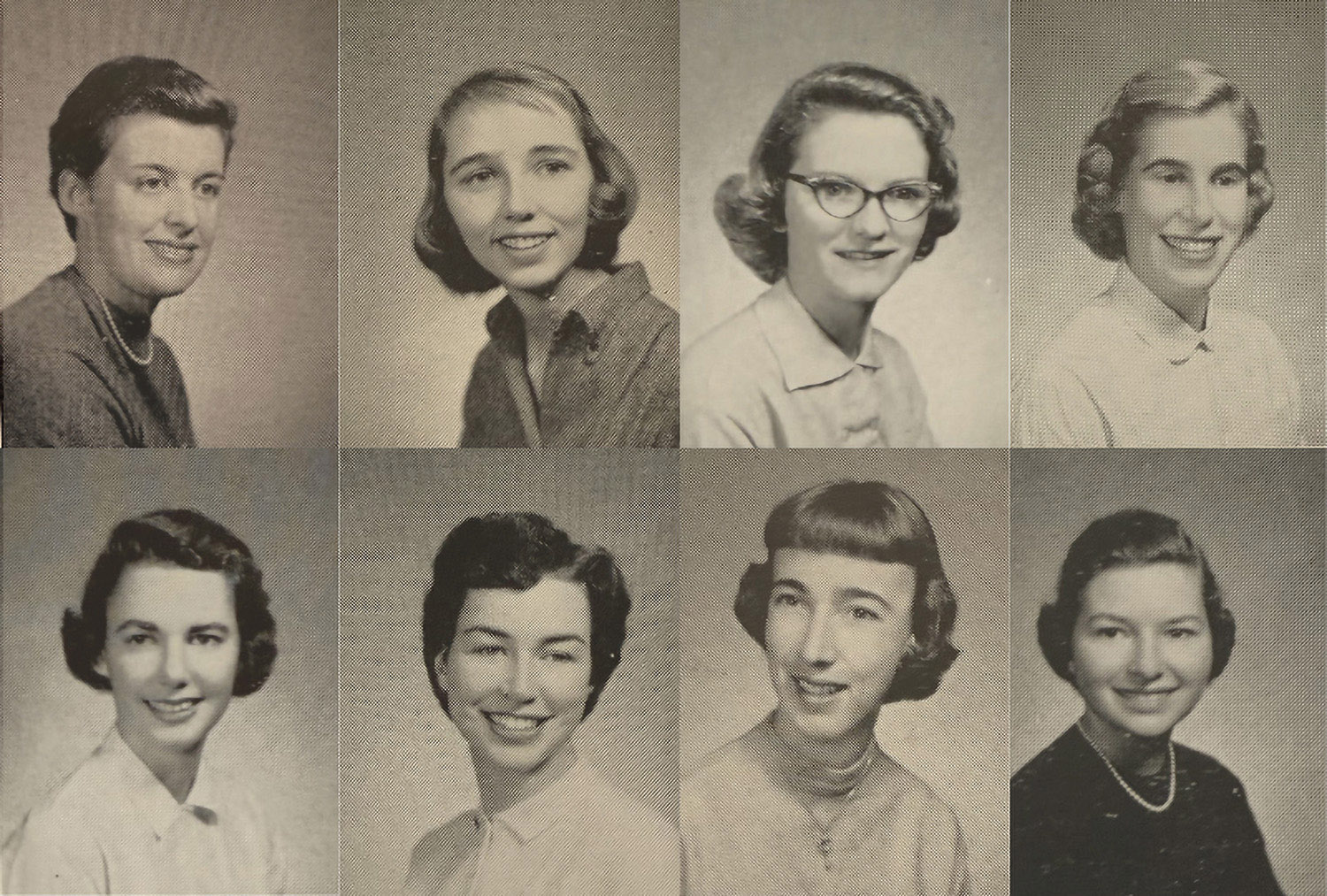
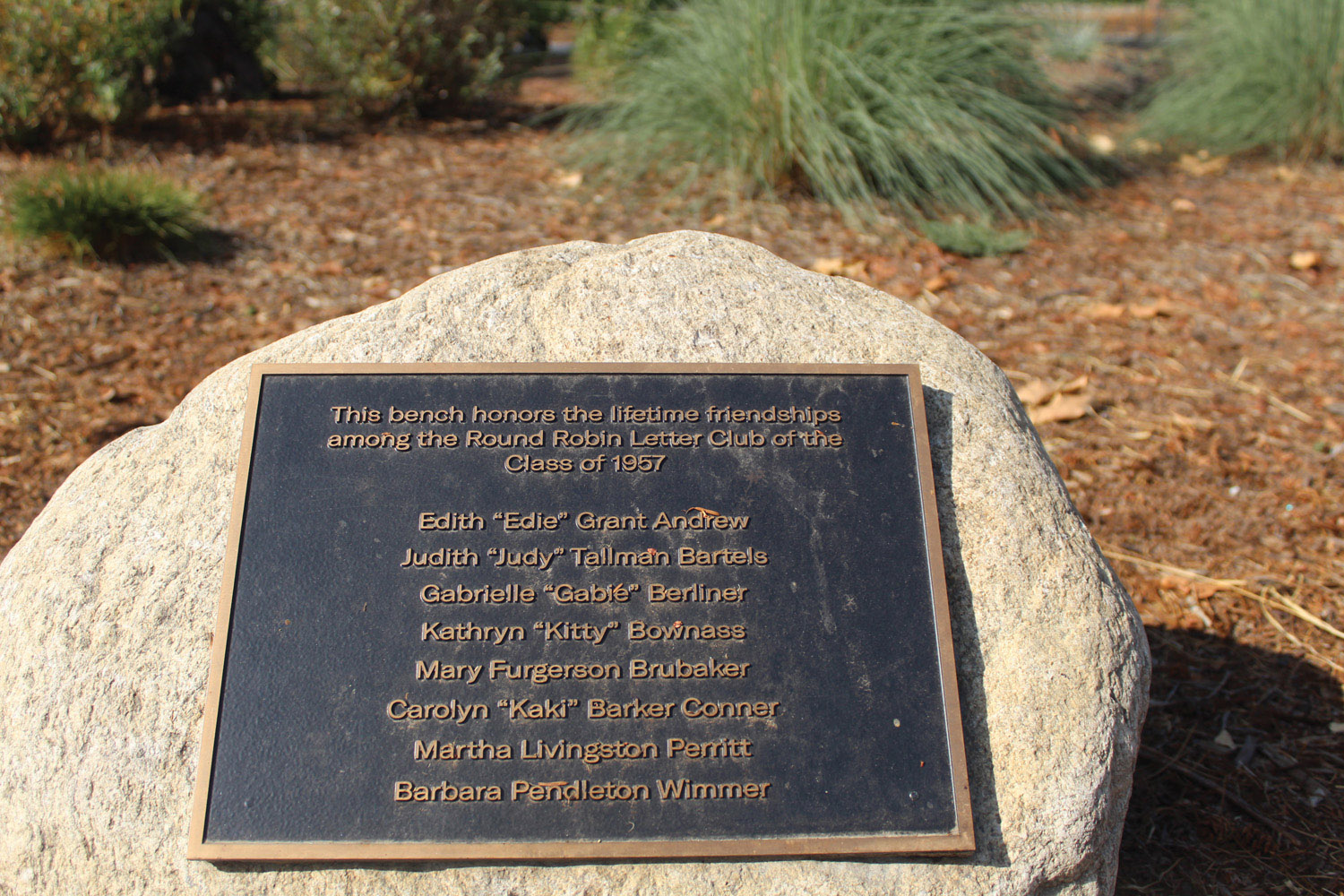
The eight women—Edith “Edie” Grant Andrew, Judith “Judy” Tallman Bartels, Gabrielle “Gabie” Berliner, Kathryn “Kitty” Bownass, Mary Furgerson Brubaker, Carolyn “Kaki” Barker Conner, Martha Livingston Perritt and Barbara Pendleton Wimmer, all from the Class of 1957—became friends at Pomona.

After graduation, they created the “Round Robin Letter Club” as a way to stay connected—one friend writing her updates then sending to the next. “At one point, we were on four different continents and on both coasts of the U.S.,” Conner said. “But the letters always made their way around.”

Round Robin Letter Club plaque

The plaque beside the Marston Quad bench honors the eight members of the Round Robin Letter Club.

When two members of the group passed away, they made a collective gift to Pomona and dedicated a bench on Marston Quad as a lasting tribute.

“These alumnae turned their friendship into a lasting legacy,” says Director of Alumni and Family Engagement Monika Moore ’03, “and we’re so proud to celebrate the spirit of community that defines our Sagehen family.”

Read the full story.

Round Robin Letter Club senior photos

Handwritten letters kept members of Pomona’s Class of 1957 connected for more than 60 years. Pictured in their senior photos: Edith Grant, Judith Tallman, Kathryn Bownass, Gabrielle Berliner, Carolyn Barker, Mary Furgerson, Martha Livingston and Barbara Pendleton.

A Tale of Two Mayoral Runs

Jersey City’s James Solomon ’06 has seen how cities work in St. Louis, Chicago & Boston—then became mayor of “Chill Town.”

By Marilyn Thomsen

James Solomon and daughter

Ward E Councilman James Solomon was elected as Mayor of Jersey City and celebrated with family and the community at MANA Contemporary. Shot on December 02 2025. Photo by Jennifer Brown/City of Jersey City

In December James Solomon ’06 was elected mayor of Jersey City after two rounds of voting, outperforming six other candidates in a marathon of a race that included a runoff election and that lasted more than a year from when he announced his candidacy.

Solomon sees Jersey City’s future at stake as it becomes increasingly unaffordable. His campaign focused on independence from developers and insider politics, creating affordable housing, keeping city streets safe, and creating more summer and afterschool job programs.

“My hope and vision is that [the city] remains one of the most diverse in the country and a place where people come to start their lives in America,” he says.

Its location provides a visible reminder of that promise. Just across the Hudson River from Jersey City is Ellis Island—for centuries America’s Golden Door.

“Our nickname is ‘Chill Town,’” says Solomon, contrasting Jersey City with frenetic neighbor New York, located just a mile away by water. He says that its future will see arts and culture and small businesses thriving, and the government delivering for the people.

Solomon studied public policy analysis at Pomona, where he appreciated professors’ passion for public service and their prioritization of the oft-forgotten piece of policy implementation.

“We think about passing laws,” he explains, “but very rarely about once the law is passed, how do you ensure that it is implemented in a way to make a real-world impact?”

After college Solomon spent four years in St. Louis and Chicago developing a passion for city government and seeing its direct effect on people’s lives. Solomon then spent two years studying at Harvard University’s Kennedy School of Government, learning both in the classroom and while working for Boston Mayor Thomas Menino.

“If a pothole wasn’t filled and your car broke an axle, that could really screw up your month,” he says. “The day-to-day impacts are in your face.”

Solomon hears from residents daily and often reflects on the pervasive sense they get that their government doesn’t care about them. Cities, he says, deserve “a government as good as its people”—a concept that he is now hoping to deliver to his constituents.


The youngest U.S. attorney in the nation, Albuquerque’s Alex Uballez ’08 led the DEA’s largest-ever fentanyl bust.

By Brian Whitehead

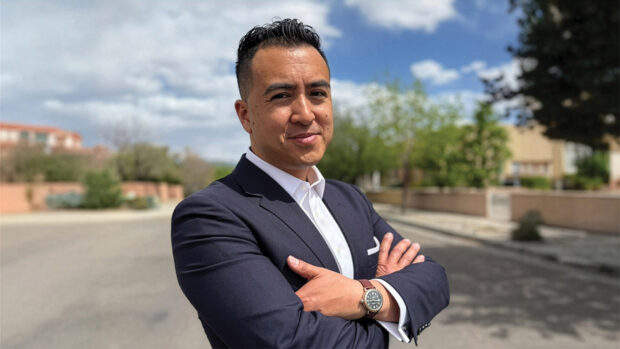
This fall Alex Uballez ’08, a former U.S. attorney for the District of New Mexico, ran for mayor of Albuquerque and surprised many insiders and pundits by finishing third in the race with 19 percent of the vote, forcing a runoff between the incumbent and the favored challenger.

For those who know him, it wasn’t a surprise that he would be destined for big things. Philosophy Professor Michael J. Green recalls Uballez’s senior thesis on green consumerism and sustainable development being one of the two best theses he read
that year.

“It had really interesting discussions of abstract and social theory and a lot of historical research about environmentalism,” Green says. “That’s when I got the idea he could change the world.”

Uballez and his wife Gabrielle

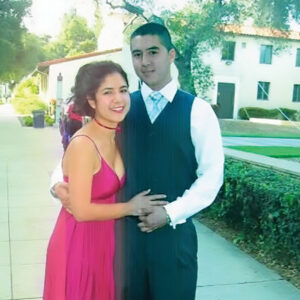
Uballez and his wife Gabrielle

Uballez and his wife Gabrielle met on campus—the respective politics, philosophy and economics (PPE) and art majors hitting it off as first-years. It was Gabrielle, in fact, who convinced him to apply to Columbia Law School, from which he graduated in 2011. They then moved to her native Albuquerque, where he started his career as a state prosecutor specializing in crimes against children. In 2016 he became a federal prosecutor focusing on drug trafficking cartels in the U.S. and south of the border.

In 2022 President Joe Biden nominated him to serve as U.S. attorney for the District of New Mexico. He led an agency of 180 federal prosecutors and staff that he instilled to think beyond investigations and prosecutions to effect change.

“We thought about how to intervene and prevent,” he says. “How to see public safety through a broader lens than the court system.”

Besides leading the largest fentanyl bust in DEA history, Uballez also created Albuquerque’s Violence Intervention Program. His office uncovered 30 years of public corruption in the Albuquerque Police Department’s DWI Unit, and also established New Mexico’s first Federal Reentry Program for people returning home after incarceration.

Alex Uballez

From Frary to Finland: Going Pro With Joe Cookson ’25

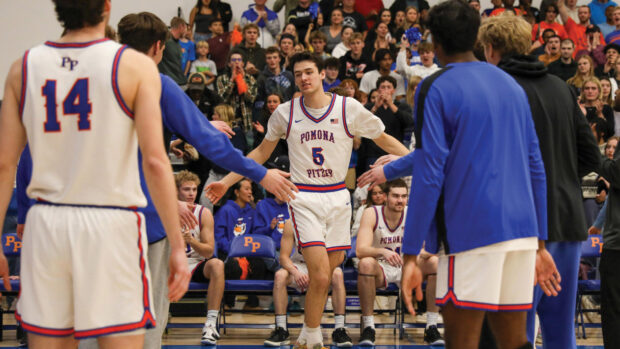
Joe Cookson on the courtThe Atlantic Ocean separates Joe Cookson ’25 from all that’s familiar.
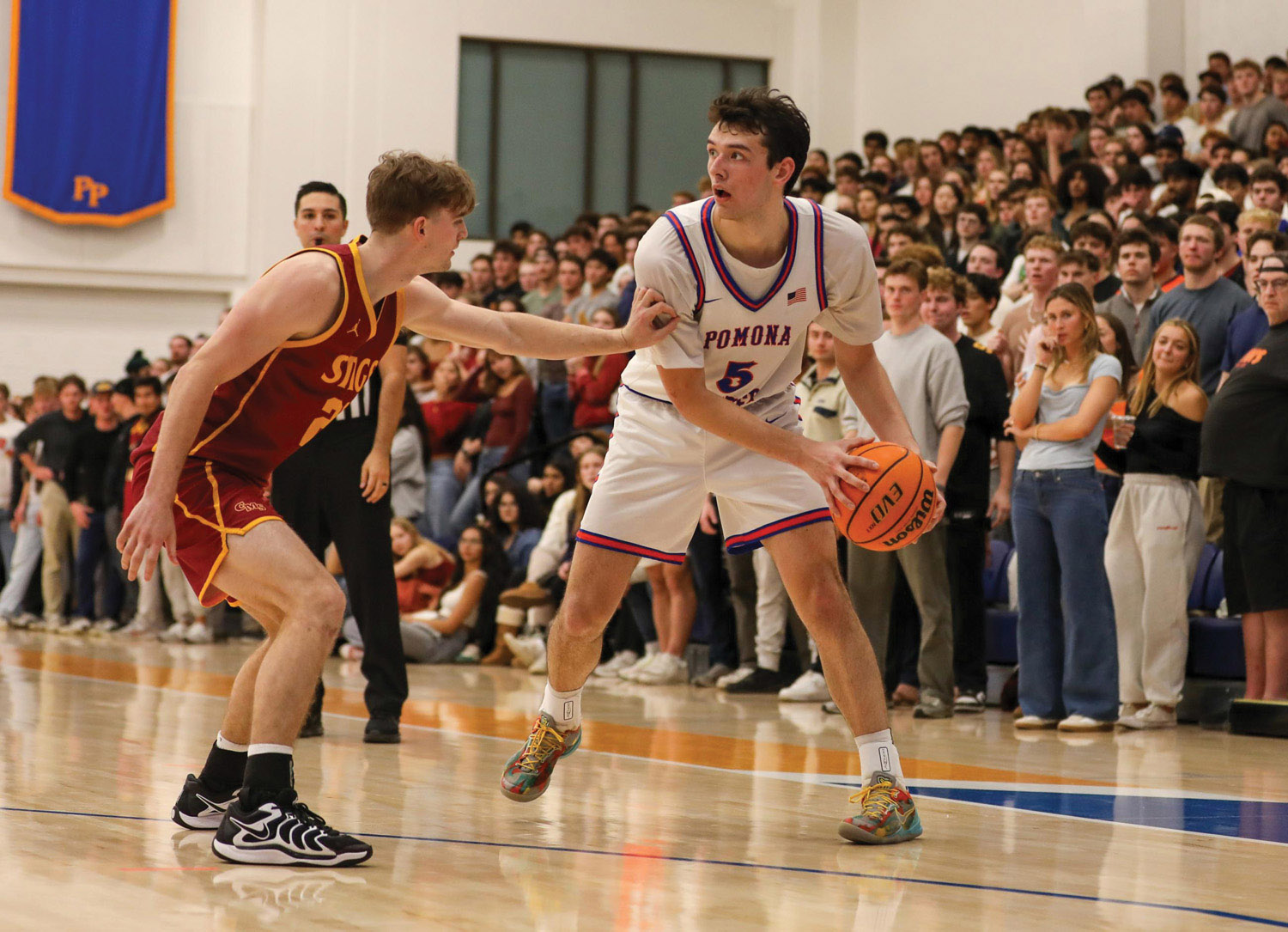
After signing a contract this summer to play professional basketball with Finland’s Kipina Basket Aanekoski, the Seattle native landed in the Nordic country last fall to train for his rookie season.

Joe Cookson in actionWhile wholly unfamiliar with his new surroundings, Cookson was amped to continue his playing career more than 5,000 miles east of the place he called home for four years.

“This is something I’ve been working toward my whole life,” he says. “There’s a lot of excitement and eagerness to get started, but this is also a huge change of scenery. I’ve embraced the change because I know it’ll help shape me into who I’m supposed to be.”

Cookson, a 6-foot-6 guard who earned his degree in mathematics, finished his career at Pomona a three-time first-team all-conference honoree and one of the College’s most prolific scorers.

Pomona-Pitzer Career Scoring Leaders

Twenty-five Sagehens have scored more than 1,000 career points. Below are the top five:

1,825 Micah Elan (2016-20)

1,751 Bill Cover (1990-94)

1,744 Daniel Rosenbaum (2014-18)

1,709 Joe Cookson (2021-25)

1,545 Jeremiah Martin (1997-2001)

His 1,709 career points rank fourth in program history, and only two other Sagehens scored more points in a single season than he did as a senior (594). Cookson ranks ninth in career three-pointers made (144), seventh in assists (317) and tenth in blocks (106).

The Sagehens won 76 games across his four years and earned NCAA Tournament berths in 2021-22 and 2022-23.

Before leaving for Finland, Cookson traveled to Spain this summer with a collection of outgoing seniors from schools in the Southern California Intercollegiate Athletic Conference. In Finland Cookson has already picked up the locals’ love of saunas, and while Finnish is an especially difficult language to learn, “Everyone is super patient and super accommodating,” he says.

Cookson is one of three Americans on Kipina Basket Aanekoski, which won 17 games last season and advanced to the Meisten Divisioona IA semifinals. The team’s 2025-26 campaign runs through March.

A versatile scorer in college enamored with the detail and nuance of the game, Cookson is malleable in that he can adjust to any role he’s given—scorer, distributor, shooter.

There are limitless ways to play the game, he says. Here or an ocean away.

“Basketball is such an open book,” he says. “You just keep reading and keep discovering, and that’s what keeps me going.”

In Memoriam: Sharon Camp ’65

Sharon Camp ’65

Nearly 50 years after receiving her degree in international relations, Sharon Camp ’65 imparted wisdom to Pomona’s Class of 2013 in a Commencement speech delivered in absentia by Professor of Sociology
Jill Grigsby.

“At least once in your life,” Camp said, “put everything you’ve got behind some big, hairy, audacious idea (and I plagiarized this term). I’ve done the big, hairy, audacious idea a few times myself, and believe me, there’s nothing that works better for growing the brain power.”

Camp, a pioneer in women’s reproductive health whom The New York Times called the “Mother of the ‘Plan B’ Contraceptive Pill,” died October 25.

She was 81.

While at Pomona, Camp never missed an opportunity to play elaborate jokes on her friends. The Pennsylvania native worked on the Metate yearbook staff, served as a tour guide and played badminton.

She also participated in Model United Nations.

After earning her Ph.D. in international relations from Johns Hopkins University, Camp embarked on a career in advocacy and global development.

She led Population Action International (PAI), a nonprofit focused on reproductive health care, from 1975 to 1993 and was considered one of the leading spokespeople for international family planning.

In 1997, Camp founded Women’s Capital Corporation, the start-up behind the development and commercialization of Plan B. Half of the proceeds of the emergency contraceptive pill went to the nonprofits that financed its development, with the rest going into a charitable trust.

Camp in 2003 joined Guttmacher Institute, a global research and policy organization focused on reproductive health, and served as president and CEO until her retirement in 2013.

“Beyond her institutional achievements, Sharon was a mentor and a champion of staff development, and her warmth and laughter lit up our office,” Guttmacher executives wrote in a statement following Camp’s passing. “She believed in lifting others up, and she created a culture at Guttmacher that valued collaboration, intellectual rigor, and compassion.”

Throughout her career, Camp authored or co-authored more than 70 publications on family planning, emergency contraception and reproductive health policy.

She received an honorary LL.D. from Pomona in 2013, and in her Commencement speech to that year’s graduating class, she reflected on her decision to pursue a career as a pharmaceutical executive despite taking only two science courses at Pomona.

“Don’t ever let a lack of qualifications stop you from anything,” she said.

Camp closed her speech by encouraging the outgoing seniors to pursue their passions.

“It’s okay to start small, with a few dollars and a few friends—just be sure the potential impact is huge, because nothing is more fun than having a big impact on some of the things you care about.”

In honor of her 60th reunion, Camp committed a generous unrestricted bequest to Pomona, extending her more than four decades of consistent support. She was a member of the Granite & Sagebrush Society, which honors those who have included a gift for the College in their estate.

“Sharon’s work brought hope to women around the world,” President G. Gabrielle Starr says. “Her generosity reflects her belief in the power of education to create a better future, and it is profoundly moving to see that spirit carried forward in her gift.”

Her legacy will help ensure that our students continue to thrive, lead and make a meaningful difference for generations to come.