2025 //
 

Articles from: 2025

SageChat: Favorite On-Campus Concerts

The column where we talk to the flock on the Pomona College Alumni Facebook group and share a few responses. Make sure to join the group if you haven’t already.


What’s the best concert you ever saw at Pomona?
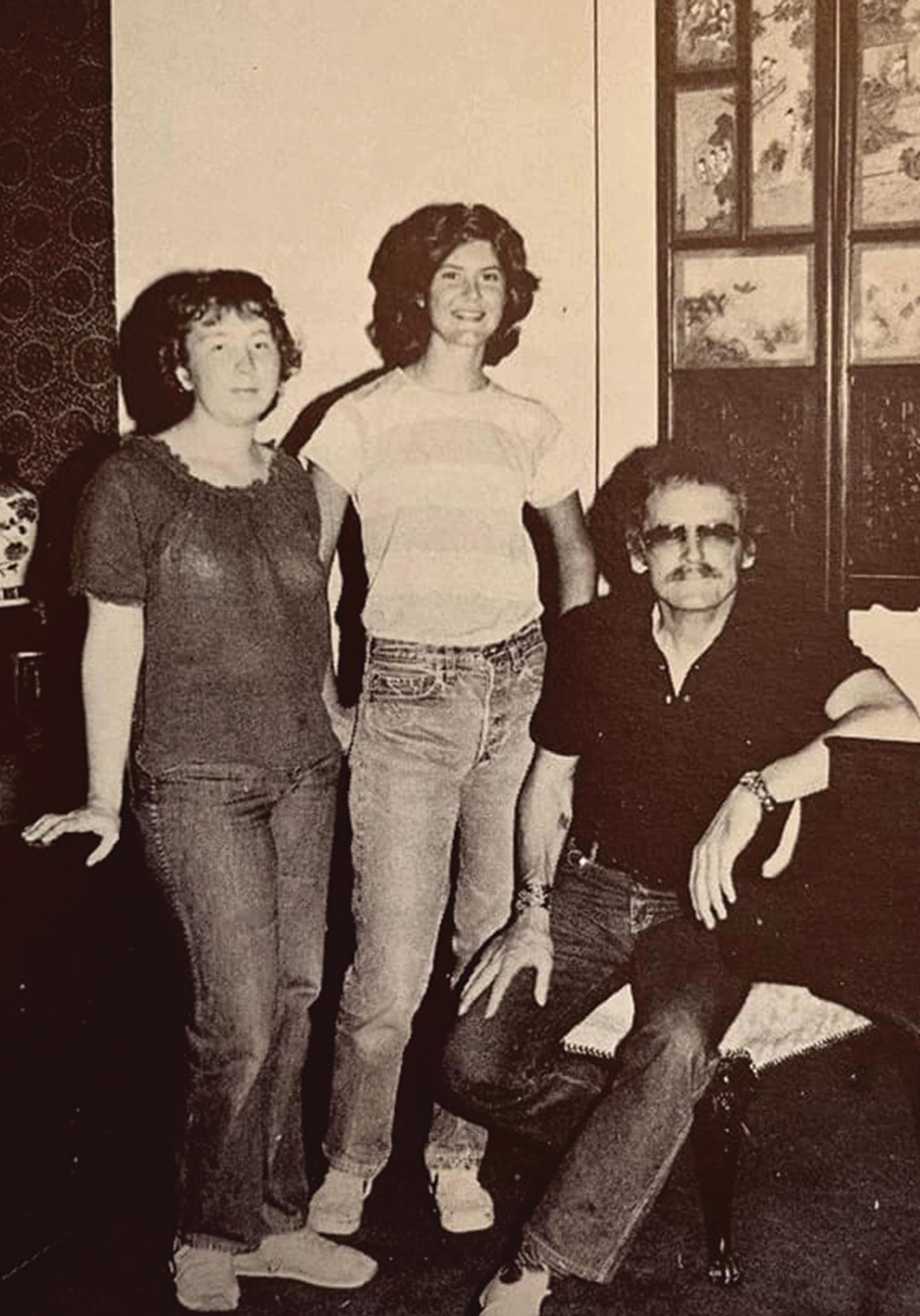
Jessica Sitton and Pamela Keene with Gordon Lightfoot

Jessica Sitton ’85 and Pamela Keene ’85 with Gordon Lightfoot (photo credit Diane Ung ’85)

“Gordon Lightfoot at Big Bridges in 1984!”

-Jessica Sitton ’85 (see photo on right)

“When Michael [Mahler ’74] asked me out for our first date, I said ‘yes’ before I even knew where we were going to go. We went to Big Bridges to see the J. Geils Band and the Eagles—and then saw the Eagles again for our anniversary in 2014. This year we are celebrating our 47th anniversary!”

—Vicki Paterno ’75


“The Ramones in 1979 at Garrison Theater [technically at Scripps]. The music scene was changing in good and exciting ways, at least for this Midwest boy. The punk and new wave scene was just busting out in a big way. KSPC was leading the way.”

—Paul Martin ’83


“I saw Maroon 5 opening for Guster in about 2001. Now Guster opens for them!”

—Stephanie Lawton ’03


“Seeing Ozomatli freshman year at Harwood Halloween was incredible, but it’s hard to beat 1999 with Digital Underground, which predictably got shut down, leading to their rapper Shock G leading a mob of us through Lyon [Residence Hall].”

—Adam Boardman ’01


“In 1992 Soundgarden performed in front of about 200 of us right before the release of Badmotorfinger [their first top-40 album]. They were about to go on tour with Guns N’ Roses. It was insanely good music!”

­—Ben Johns ’95


“At Scripps in 1998[ish] Michelle Malone played a small show at the Motley with a young opening act named John Mayer. I remember liking his songs ‘Neon’ and ‘Comfortable.’ A couple years later he played at Big Bridges with Norah Jones, before she’d won all her Grammys.”

Brian Daniel Schwartz ’01

Beethoven, Bach, Wagner—and Zappa? 50 Years Later, A Pomona Prank Remembered

A 13-foot sailboat effortlessly floats from the rafters of Frary Dining Hall.

One of two doors into the mathematics department magically disappears overnight, leaving only a seamless stretch of blank wall in its place.

A safe containing student grades literally vanishes from Holmes Hall, discovered weeks later underneath the building’s creaking floorboards.

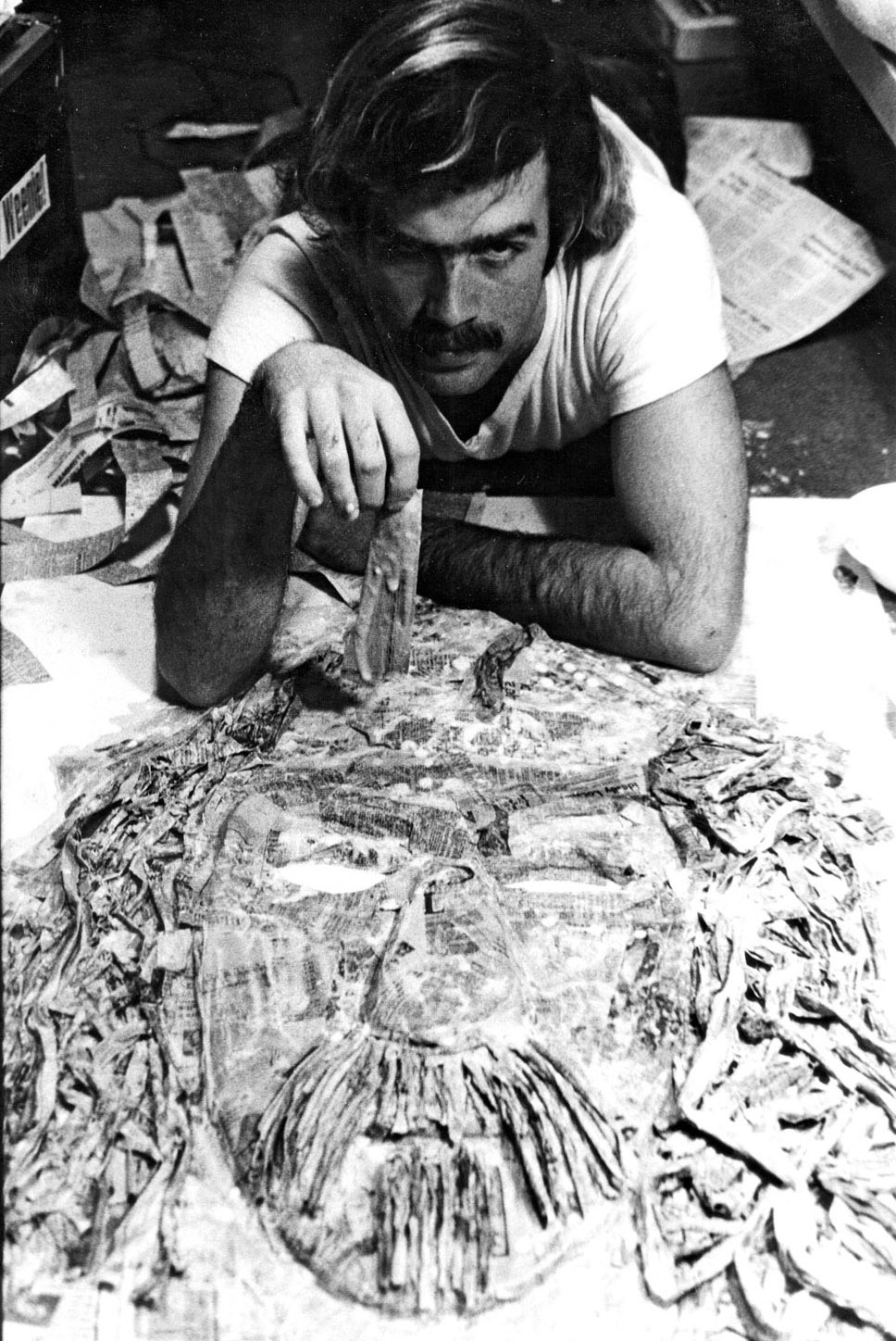
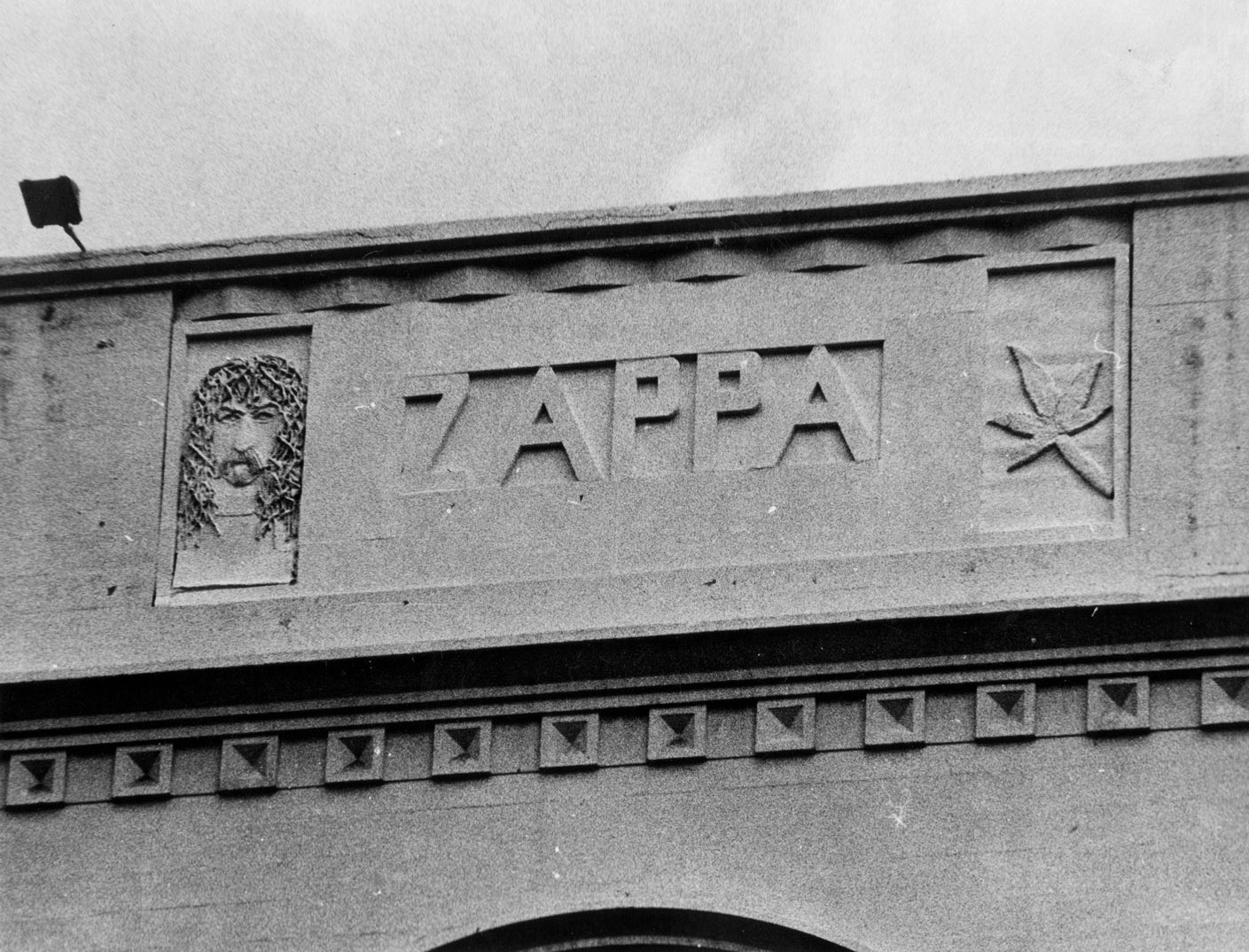
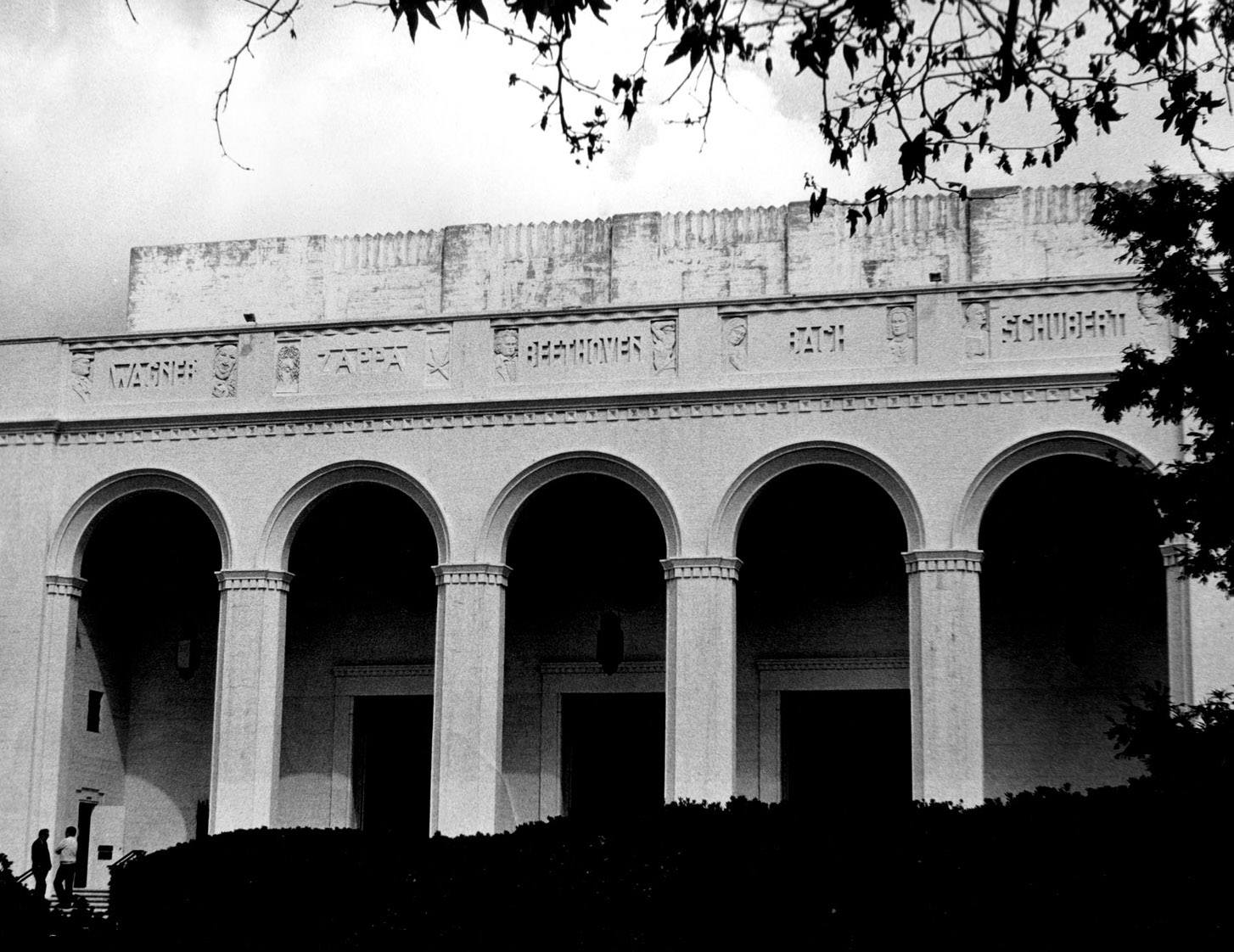
Pranks have played a storied role over the years at Pomona. One of the most ambitious took place 50 years ago, with the pranksters only claiming credit 37 years later. The dossier they back-channeled to Pomona College Magazine resulted in a 2012 story finally solving one of Pomona’s most enduring mysteries: Who replaced Chopin with a bust of Frank Zappa in the frieze on the face of Big Bridges?

John Irvine ’76 works on the Zappa frieze

John Irvine ’76 works on the Zappa frieze

John Irvine ’76 and Greg Johnson ’76—juniors at the time of the prank—told PCM clandestinely that they “weren’t huge Zappa fans at the time,” even though he had lived in Claremont for a while. They dreamed up the prank when they learned the Mothers of Invention rocker was coming to play Bridges in April of 1975.

“We were looking up at the front of Big Bridges and said, ‘Well, gosh, he should have his name up there,’” Irvine recalled. They envisioned Zappa right alongside other greats—Bach, Beethoven, Wagner and Schubert—over the front entrance. Chopin, they decided, was dispensable. “I’m not big on the Romantics,” Irvine explained.

Pulling off the prank took two intensive weeks of preparation. Obstacle one: how to get onto the roof of Bridges Auditorium? Johnson calculated they could lay a ladder between (long gone) Renwick Gym and Big Bridges and, perched more than 30 feet above the ground, crawl four feet across from one roof to the other. “Being young college students, we were stupid enough to do that,” Irvine told PCM.

Zappa frieze close-upJohnson and Irvine measured the space they would need to fill: a whopping 15 feet in length and five feet in height. Which led to obstacle two: how to make a replacement frieze light enough to hoist into position, but heavy enough to stay in place. Their answer was Styrofoam in an aluminum frame, with a papier-mâché bust of Zappa anchoring one end and a marijuana leaf the other. (Zappa was against drugs, but, the pair admitted to PCM, “Hey, we know, but it was the ’70s.”) They built it in a dorm room and were putting it together late at night in the Wash—when it began to rain. A quick move to the Mudd-Blaisdell trash room was almost a disaster. The next morning was trash day.

To overcome obstacle three—getting caught—Irvine and Johnson recruited the help of the Statpack, a group of fellow math and statistics students. They modeled the movement of Campus Security patrols in the wee hours of the morning to find the optimal time for evasion. Sometime between 2 and 3 in the morning, the 60- to 70-pound frieze was installed on the front of the building. The statistical modeling must have been sound, because until they finally took credit via PCM in 2012, the prankers’ identities went (almost) undetected. As PCM noted, “Frank Zappa was now shoulder to shoulder with Beethoven and Bach on the campus’s most imposing edifice. Chopin had been shown up, and the two math majors had succeeded in pulling off a highly visible prank.”

Just one miscalculation: Zappa’s bust joined the roster of the greats a week after his concert at Big Bridges. “We kind of got an incomplete,” Johnson told PCM. “We weren’t quite ready in time.”

Bridges Auditorium Zappa Frieze

Top Three Annual Pomona Events (Past and Present)

Fun fact (via Rachel Paterno-Mahler ’07):
“Having a Smiley 2000s today would be the equivalent of having Smiley 80s when those of us that graduated in the 2000s were at Pomona.”

#1 Harwood Halloween

#2 Smiley 80s

#3 Ski-Beach Day

Other popular events include Death by Chocolate, Freshman Dance, Middle School Dance

Join the conversation on Facebook if you haven’t already.

3 Tips to Improve Your Golf Game

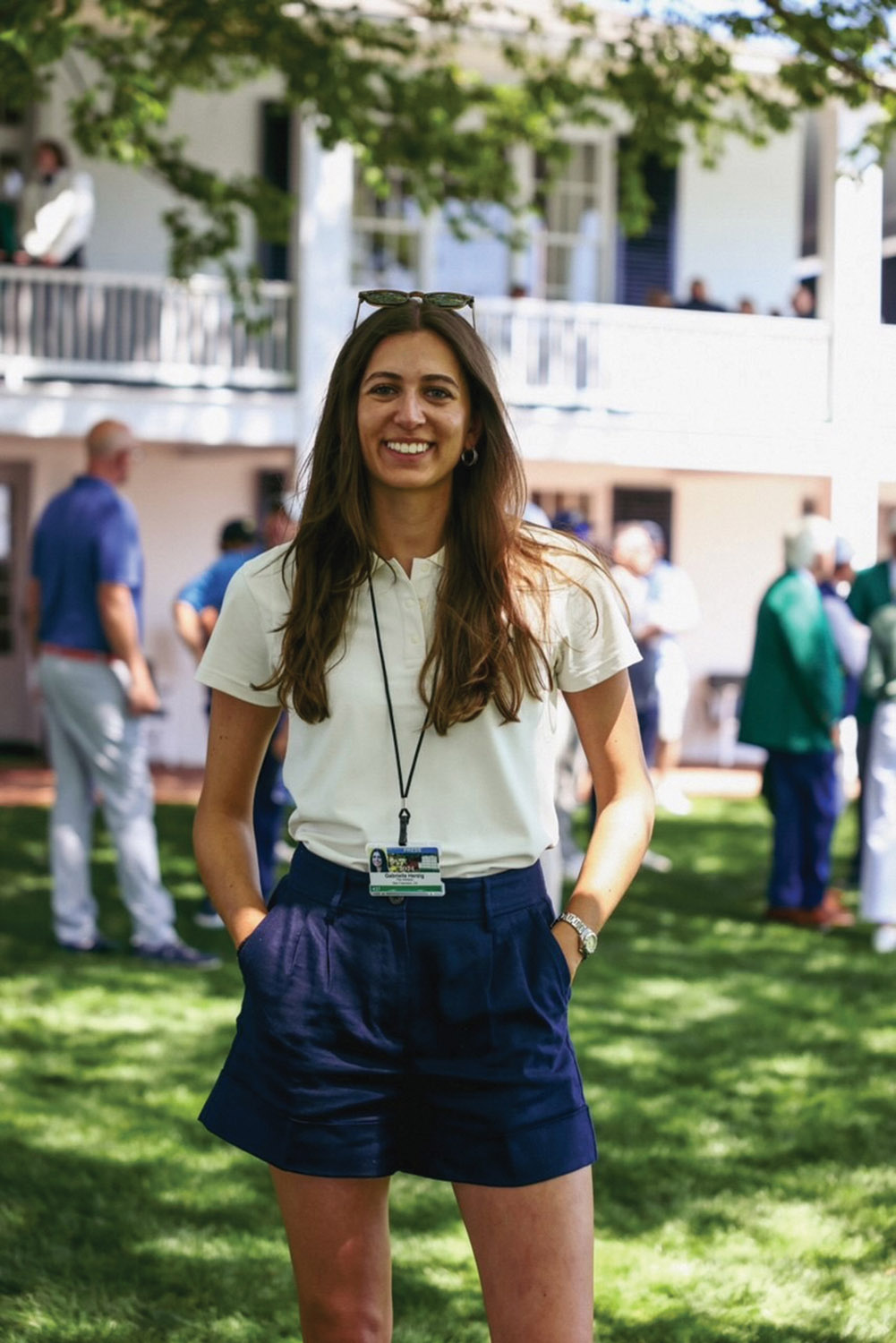
Gabby Herzig ’21

Gabby Herzig ’21

Take it from Gabby Herzig ’21, a former Sagehens golfer whose career orbits the best in the sport: a round of golf can be enjoyed without shooting a low score.

“As a competitive golfer, I’m always trying to play the best I can—it’s ingrained in me,” says Herzig, now a golf reporter for The Athletic, a sports website and now the sports department of The New York Times. “But ever since I graduated, I’ve been able to find more joy in playing recreationally with friends, co-workers and colleagues from the golf industry. I find I’m always happier and more present during the rounds when I’m not focusing on my score.”

Alternatively, for those on the course hunting birdies and low numbers, Herzig offers some advice to shave a few strokes off the scorecard.

1. Don’t overthink things
“Golf is such a mental game, but I feel some of the best rounds I’ve played came when my mind was really clear. You always hear the best professional golfers talk about their mentality: see ball, hit ball. Keep it as simple as that rather than trying to direct your body in the middle of your swing to do who knows what. You’re crowding your thoughts and distracting yourself from being an athlete and reacting to the target in front of you.”

2. Short game, short game, short game
“Emphasize your chipping and putting. Those are your scoring clubs so spend more time practicing around the greens than you do at the driving range. You’ll think back to some of the best full-swing shots you’ve hit—amazing drives, perfectly online approach shots—and remember you three-putted and bogeyed the hole. Amazing holes materialize if you’re sharp around the green. You don’t want to waste your great full shots on poor chipping and putting.”

3. Commit to your shot
“If there’s one thing you can do to increase your chances of success before hitting a shot, it’s to commit to a plan. Whether you’re deciding on the severity of a breaking putt or you’re in between clubs on a par-3, choose your path and then stick to it. Feeling committed over the ball will instantly make you more confident and comfortable, and therefore, more likely to make the swing you wanted to.”

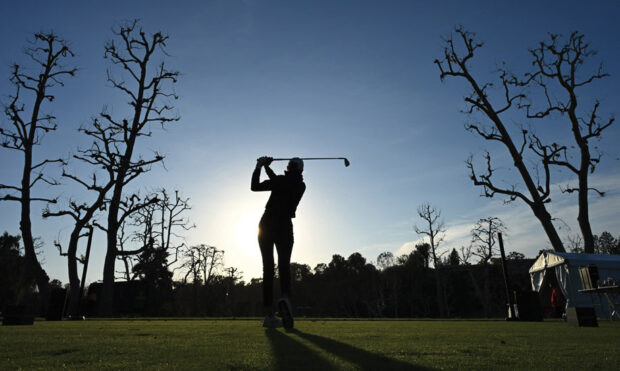
Gabby Herzig playing golf

Stray Thoughts: The Art of Seeing Possibilities

Creativity is sometimes seen as the domain of the young—an innate, unfettered spark that dims as we get older. But the truth is, creativity is not bound by age, nor is it confined to the arts. This issue of PCM aims to explore different forms of creativity and uncover how we can cultivate it at every stage of life. Whether through professional innovation, interpersonal problem-solving, or even just the way we navigate daily routines, creativity remains an integral part of human experience.

One of the most common misconceptions about creativity is that it belongs exclusively to artists, musicians, and writers. This issue challenges that notion by highlighting creativity in disciplines like science, programming, and even political protest. We speak with Sagehens who have harnessed creative thinking to revolutionize industries, researchers whose inventive approaches have led to groundbreaking discoveries, and individuals who have reimagined their lives in inspiring ways. Creativity, at its core, is about seeing possibilities where others see limitations.

Nurturing creativity later in life requires intention and curiosity. Small changes in our routines—such as picking up a new hobby, engaging in stimulating conversations, or simply allowing ourselves to actually make space for non-doing—can reawaken our imagination. We also examine the role of lifelong learning, the power of collaboration, and the importance of staying open to new perspectives. Creativity flourishes when we give ourselves permission to experiment, to fail, and to view things with a greater sense of both purpose and wonder.

Adam Conner-Simons ’08, PCM Spring 2025 Guest Editor In this fast-paced, technology-driven era, we often feel pressured to be productive rather than imaginative. But creativity is not a luxury; it is a necessity. It fuels innovation, enriches our lives, and helps us adapt to an ever-changing world. I hope some of the topics posed in these pages invite you to explore, question, and reimagine the role of creativity in your own life. Let this issue be both a mirror and a catalyst, reflecting the creativity you already possess and inspiring new ways to express it. After all, creativity is not something we lose—it is something we continue to discover.
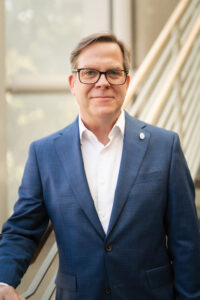
—Adam Conner-Simons ’08
Guest Editor

Letter Box

A Hello from Acting President Bob Gaines

Robert Gaines

Robert Gaines

Having been a faculty member here for more than 20 years, I’m deeply humbled by the opportunity to lead the College during President Starr’s sabbatical. I know the value of Pomona and the kinds of breakthroughs that are possible here, particularly as it applies to creativity—the theme of this issue of Pomona College Magazine.

The way I see it, Pomona has a unique combination of magical elements that make its educational experience pop—a delicate fusion of factors that include motivated students, intimate classes, broad resources and an emphasis on curiosity, interdisciplinarity and, yes, creativity.

I feel this dynamic deeply in my connections with peers. Our environment encourages engagement with others in how they see the world, sharing perspectives across disciplines with colleagues in art, music, history and beyond. I’ve had many thoughtful conversations with my colleagues about the vastness of time, understanding stories etched across giant landscapes, how we as humans sense and understand the world around us, and what it means to be alive on Earth. These kinds of dialogues have helped me shape, refine and better understand my own perspectives, as well as encouraging more out-of-the-box thinking about many of my own projects in geology.

This kind of cultivation of creativity allows faculty and students alike to adapt and approach challenges from new angles—where some of the most exciting and unexpected outcomes lie. Whether in science, engineering, humanities or the arts, thinking creatively is crucial for new innovation and making a meaningful impact on larger societal forces.

Indeed, creativity and its capacity for “transformative knowledge” is one of the three central pillars of our strategic vision, and a major point of emphasis for several of our future projects, like the new Center for Global Engagement that we hope to break ground on in the coming years.

My experience at Pomona is that creativity is not a finite resource, but something that begets more of itself when cultivated. In my mind it is the most important and essential of human traits—without it, we would be forever repeating the same patterns, rather than finding new paths of inquiry and exploration.

—Robert Gaines

Acting President
Edwin F. and Martha Hahn Professor of Geology

Write to Us at PCM

Pomona College Magazine welcomes brief letters to the editor about the magazine and issues related to the College from the extended Pomona community—alumni, parents, students, faculty, staff, donors and others with a strong connection to the College. Write to us at pcm@pomona.edu or mail a letter to Pomona College Magazine, 550 N. College Ave., Claremont, CA 91711. Letters should include the writer’s name, city and state of residence, class year for alumni and contact information. With rare exceptions, letters should be no more than 400 words in length. Letters are selected for publication based on relevance and available space and are subject to being edited for brevity and clarity.