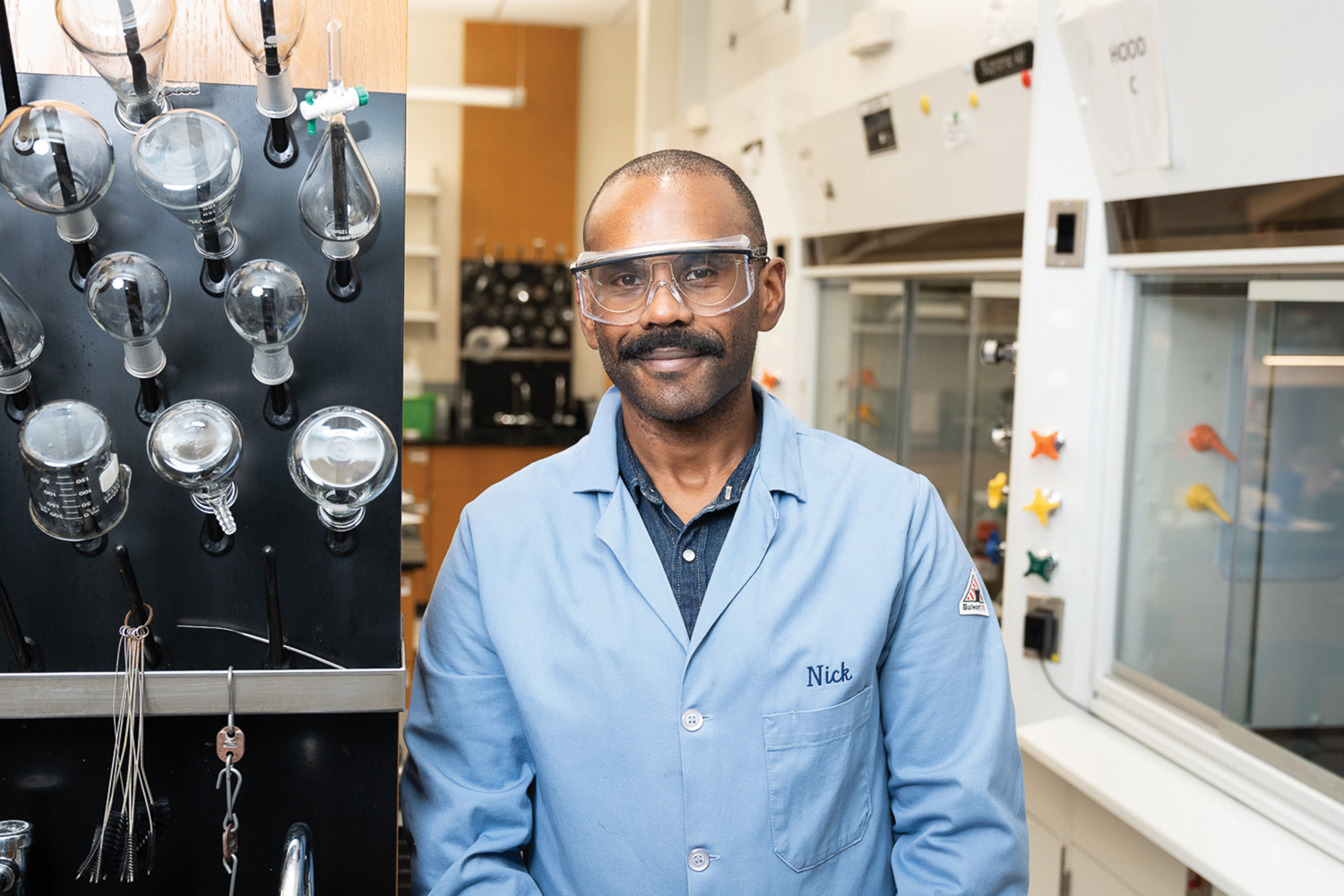
 A grant enabling a three-year extension in a project from Associate Chemistry Professor Nicholas Ball to develop new methods to introduce key structural motifs into bioactive molecules relevant to public health. Ball is leading research collaborators Maduka Ogba at Harvey Mudd College and Christopher am Ende at Pfizer Inc. and Connecticut College.
“The discovery of new and better drugs to treat disease is incredibly important,” Ball says. “Our contribution is to find more efficient ways to build molecules that could have the potential to heal through synthetic chemistry.” ($428,024 from the National Institutes of Health)
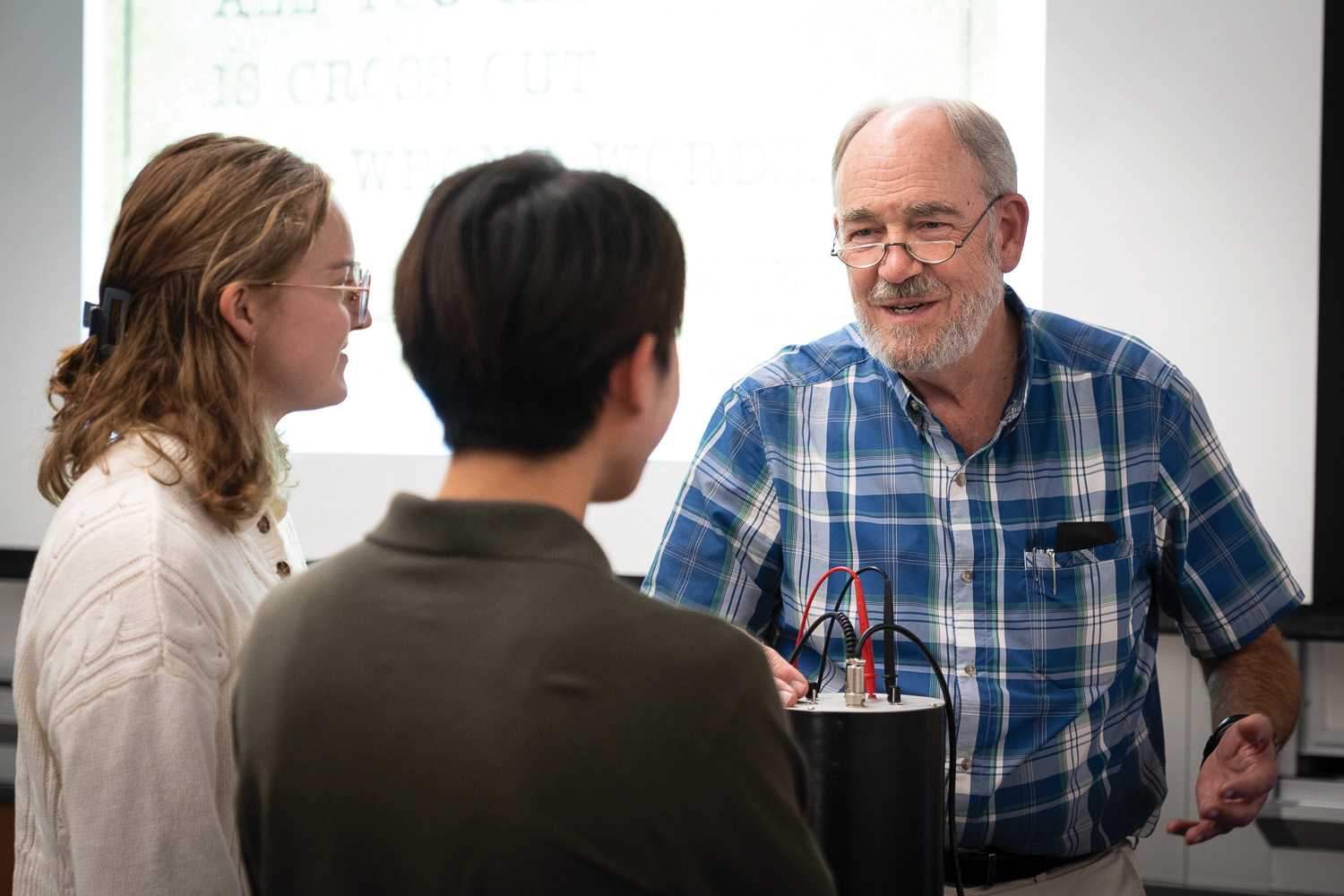 Physics Professor Richard Mawhorter’s project employs experimental approaches to move beyond the standard model of physics through the precision measurement of molecules cooled to ultracold temperatures. He will conduct the project in conjunction with Emory University Professor Michael Heaven, who is also receiving NSF funding.
“We are looking forward to working side-by-side with Emory graduate students and postdoctoral researchers to study the hyperfine energy level structure and bonding patterns of simple molecules containing the rare earth element ytterbium (Yb),” Mawhorter
says. ($150,978 from the National Science Foundation)
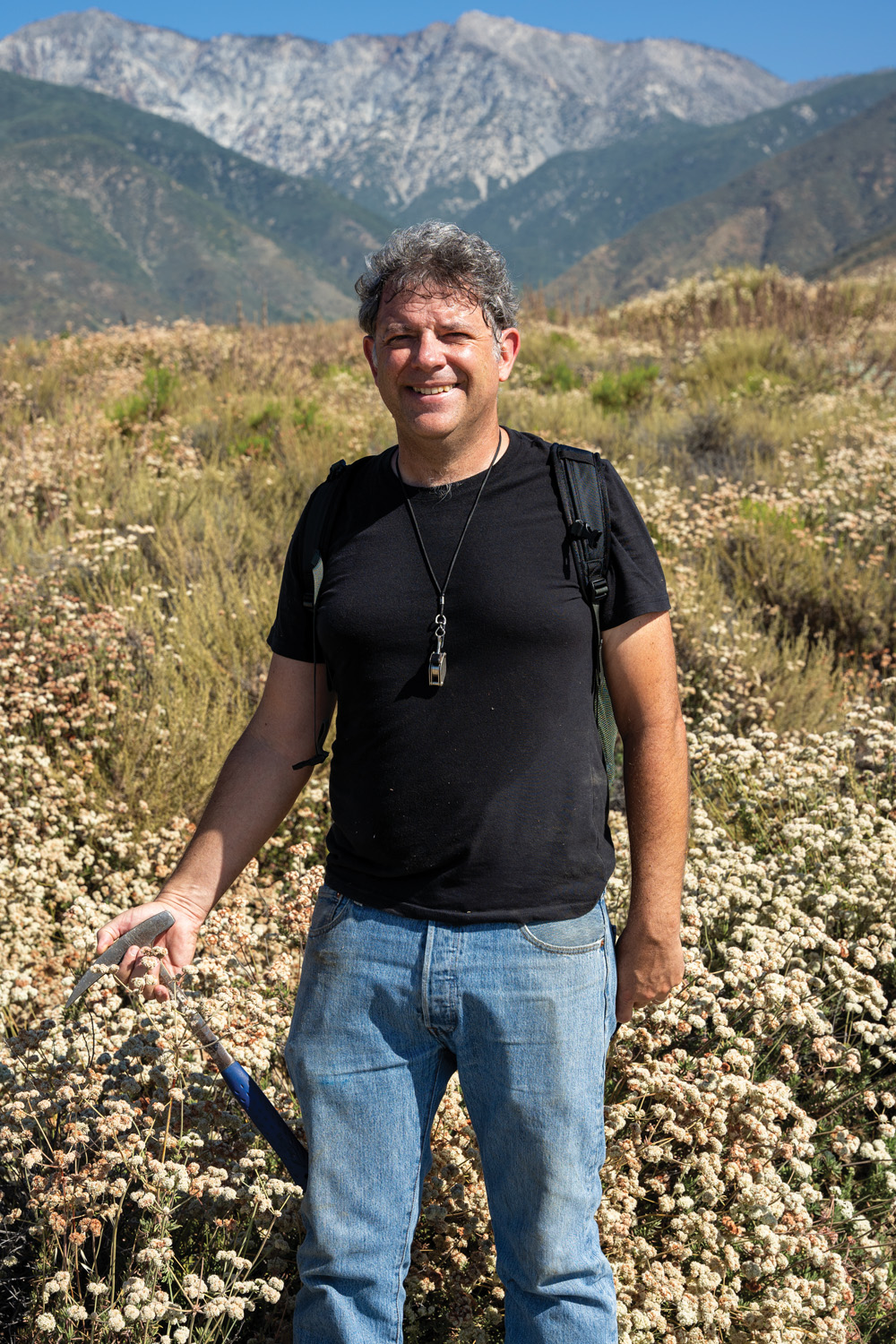 Geology Professor Jade Star Lackey’s project—a collaboration with researchers at Florida State University—focuses on high-pressure and high-temperature decarbonation of marble and calc-silicate rocks that have been exposed by erosion into the deep lower crust of the Sierra Nevada mountains.
“The work [gets] at the core question of how much carbon dioxide is naturally driven from Earth’s crust when Earth’s magmatic activity flares up,” Lackey says. “The Cretaceous magmas ‘baked’ carbon dioxide back into the atmosphere and caused natural global warming. We’re studying what that ‘baking’ process looked like in the deepest levels of the Sierra Nevada.” ($86,902 from the National
Science Foundation)
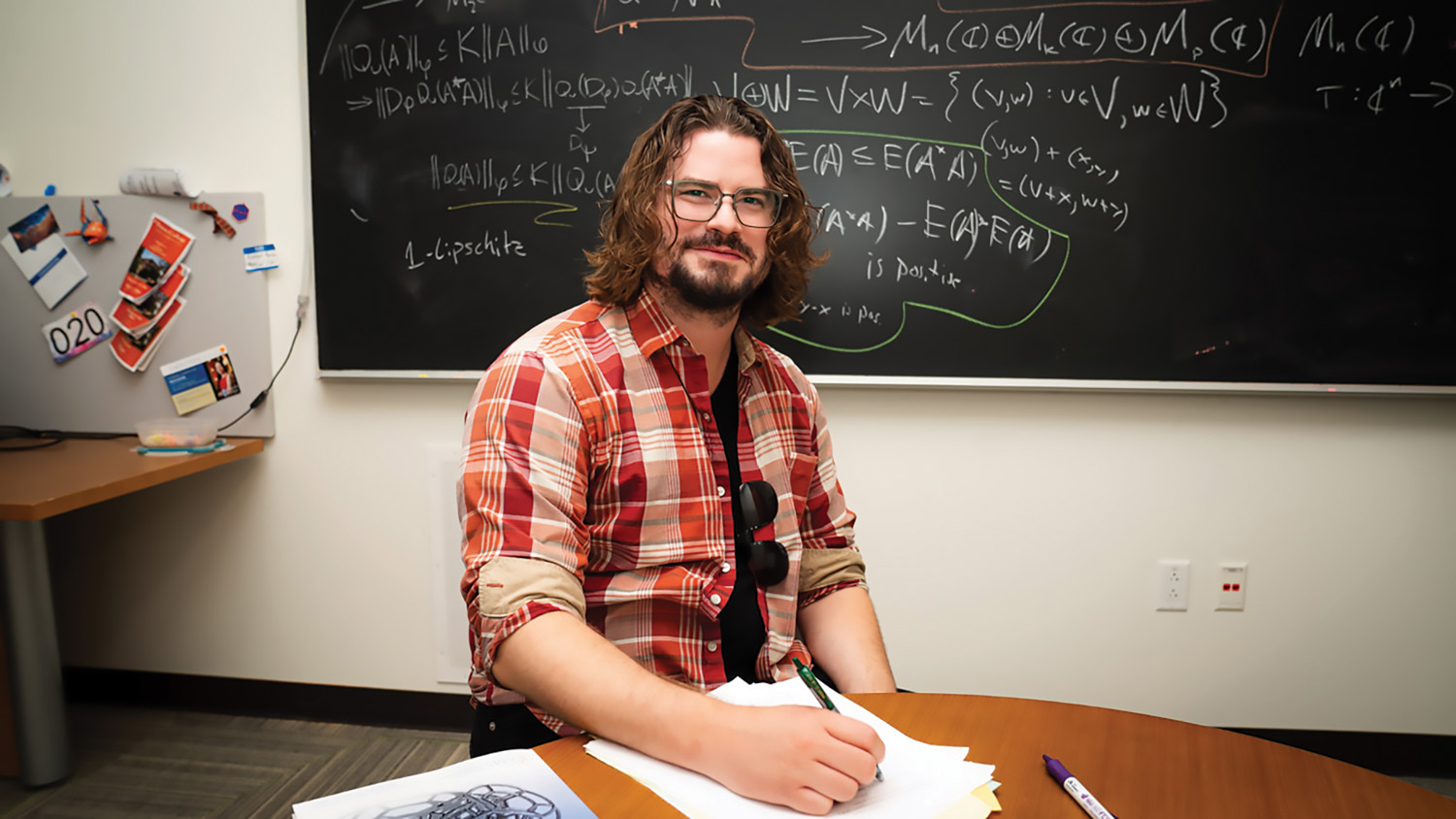 Assistant Professor of Mathematics and Statistics Konrad Aguilar’s grant supported the 2025 edition of the West Coast Operator Algebras Symposium (WCOAS), which was held in December at Pomona. The conference showcased current trends in operator algebra theory and applications to other fields, including ergodic theory, number theory, representation theory and mathematical physics.
The WCOAS had been on hiatus since 2019, and Aguilar says that it is “meant to present the state-of-the-art of Operator Algebras and bring in researchers from many career levels to foster collaboration and new connections with other fields.” ($16,000 from the National Science Foundation)